


-

GFK-Plattform
-

GFK-Plattform
-

GFK-Plattform
-

GFK-Plattform
-

GFK-Plattform
-

GFK-Plattform
-

GFK-Plattform
FRP (glasfaserverstärkter Kunststoff) Plattform ist ein hochfest, leicht und korrosionsbeständig Strukturbauteil, das in Industrie-, Handels- und Schiffsanwendungen weit verbreitet ist. Es dient als langlebige und wartungsarme Alternative zu traditionellen Materialien wie Stahl, Aluminium und Holz.
Einführung zur Produktleistung
Dieser Artikel bietet einen detaillierten Überblick über GFK-Plattformen, einschließlich ihrer Physikalische Eigenschaften, Spezifikationen, Vorteile, Nachteile und Anwendungen.
1. Physikalische Eigenschaften der GFK-Plattform
1.1. Festigkeit und Belastbarkeit
-
Hohes Verhältnis von Festigkeit zu Gewicht – Stärker als Holz und Aluminium, mit vergleichbarer Festigkeit wie Stahl.
-
Ausgezeichnete Tragfähigkeit - Dürfen Unterstützung von schwerem Gerät, Personal und Industriemaschinen.
-
Schlag- und Stoßfestigkeit – Kann widerstehen mechanische Einwirkungen und Vibrationen ohne bleibende Verformung.
1.2. Korrosions- und Umweltbeständigkeit
-
Beständig gegen Korrosion und Rost – Ideal für Meeres-, Chemie- und Abwasseraufbereitungsanlagen.
-
In feuchter und nasser Umgebung nicht abbaubar – Erbringt gute Leistungen in feuchte und hohe Luftfeuchtigkeit.
-
UV-beständige Beschichtung erhältlich – Schützt vor Sonnenlicht-Degradation Für den Außenbereich geeignet.
1.3. Elektrische und thermische Eigenschaften
-
Nicht leitend – Bietet elektrische Isolierung, wodurch es sicher für Kraftwerke und Umspannwerke.
-
Niedrige Wärmeleitfähigkeit – Reduziert die Wärmeübertragung, nützlich in Umgebungen mit hohen Temperaturen oder extremen Wetterbedingungen.
1.4. Feuerbeständigkeit
-
Feuerhemmende Optionen verfügbar – Kann hergestellt werden mit Phenolharze oder feuerfeste Harze.
-
Geringe Rauch- und Schadstoffemissionen – Sicherer für beengte Räume und Bereiche mit hoher Personendichte.
2. Spezifikationen und Designoptionen
2.1. Standardabmessungen und Tragfähigkeitswerte
FRP-Plattformen sind in verschiedenen Größen und Konfigurationen erhältlich, basierend auf Lastanforderungen und Anwendungsbedarf:
-
Dicke: 25 mm (1″) bis 50 mm (2″)
-
Paneelgrößen: 1 m × 1 m, 1,2 m × 2,4 m oder Sondergrößen
-
Belastbarkeiten: Bis zu 5.000 kg/m² abhängig von der Konstruktion und dem Stützabstand
2.2. Arten von GFK-Plattformen
-
GFK-Gitterrostplattformen – Plattformen mit offenem Maschengewebe für gute Drainage und Rutschfestigkeit.
-
Massive GFK-Plattformen – Kontinuierliche Oberfläche für Reinräume, Chemieanlagen und Lebensmittelindustrie.
-
Modulare GFK-Plattformen – Anpassbar vorgefertigte Plattformen mit einfacher Installation.
2.3. Materialzusammensetzung
FRP-Plattformen bestehen aus:
-
Verstärkungsfasern:
-
E-Glas – Standard hochfeste Faser.
-
S-Glas oder Kohlefaser – Leistungsstärkere Optionen für spezielle Anwendungen.
-
-
Harze für verschiedene Anwendungen:
-
Polyesterharz – Kostengünstig, allgemeine Verwendung.
-
Vinylesterharz – Bessere Chemikalienbeständigkeit.
-
Epoxidharz – Höhere Festigkeit und Haltbarkeit.
-
Phenolharz – Beste Feuerbeständigkeit.
-
2.4. Mechanische Eigenschaften (Typische Werte)
| Eigentum | Typischer Wert |
|---|---|
| Zugfestigkeit | 250-600 MPa |
| Biegefestigkeit | 200-500 MPa |
| Druckfestigkeit | 250-550 MPa |
| Dichte | 1,5–2,0 g/cm³ |
| Elastizitätsmodul | 20-35 GPa |
3. Vorteile von GFK-Plattformen
3.1. Leicht und einfach zu handhaben
-
Bis zu 70% leichter als Stahl, wodurch es leichter zu transportieren und zu installieren.
-
Reduziert die strukturelle Belastung in mehrstöckigen Gebäuden und großflächigen Anlagen.
3.2. Korrosions- und Chemikalienbeständigkeit
-
Rostet, korrodiert oder zersetzt sich nicht., sogar in Meeres-, Abwasser- und chemische Umgebungen.
-
Ideal für den Umgang mit Säuren, Laugen und Lösungsmitteln.
3.3. Elektrische und magnetische Sicherheit
-
Nichtleitendes Material – Verhindert elektrische Gefahren.
-
Nichtmagnetisch – Geeignet für empfindliche elektronische Umgebungen.
3.4. Rutschfest und sicher
-
Erhältlich mit rutschfester Beschichtung oder integrierte Körnungsoberflächen.
-
Verringert das Risiko von Unfälle in industriellen, nassen oder gefährlichen Arbeitsbereichen.
3.5. Geringer Wartungsaufwand und lange Lebensdauer
-
Kein Streichen, Versiegeln oder chemisches Behandeln erforderlich.
-
Verzieht sich nicht, reißt nicht und zersetzt sich nicht. im Laufe der Zeit.
3.6. Anpassbar und vielseitig
-
Kann geschnitten, gebohrt und geformt werden. leicht.
-
Erhältlich in verschiedenen Farben und Ausführungen aus ästhetischen oder Sicherheitsgründen.
4. Nachteile von GFK-Plattformen
4.1. Höhere Anfangskosten
-
Teurer als Stahl oder Aluminium im Voraus.
-
Jedoch, Geringerer Wartungsaufwand und längere Lebensdauer gleichen die anfänglichen Kosten aus.
4.2. Geringere Steifigkeit im Vergleich zu Stahl
-
Flexibler als Stahl, die Folgendes erfordern zusätzliche Stützen für schwere Lasten.
-
Nicht empfohlen für hochgradig lastempfindliche Anwendungen ohne angemessene Verstärkung.
4.3. UV-bedingte Degradation (bei ungeschütztem Material)
-
Längere Einwirkung direkter Sonneneinstrahlung kann zu geringfügigem Oberflächenverschleiß führen..
-
Erfordert UV-beständige Beschichtungen für den Außenbereich.
4.4. Begrenzte Hochtemperaturbeständigkeit
-
Die Zersetzung von Faserverbundkunststoffen beginnt oberhalb von 150-200°C., im Gegensatz Stahl, der extremer Hitze standhält.
-
Feuerfeste Ausführungen sind erhältlich aber komm schon höhere Kosten.
4.5. Herausforderungen beim Recycling
-
Aufgrund der Zusammensetzung des Materials ist es schwer zu recyceln..
-
Im Vergleich zu Metallen sind die Entsorgungs- oder Wiederverwendungsmöglichkeiten begrenzt..
5. Anwendungsbereiche von GFK-Plattformen
5.1. Industrielle und Infrastrukturnutzung
-
Öl- und Gasraffinerien – Resistent gegen Chemikalien, extreme Temperaturen und Korrosion.
-
Chemische Verarbeitungsanlagen – Ideal für korrosive und feuchte Umgebungen.
-
Abwasserbehandlungsanlagen – Tut nicht Abbau in Abwasser, Wasser oder durch Chemikalieneinwirkung.
5.2. Marine- und Offshore-Anwendungen
-
Dock-, Pier- und Schiffsdeckplattformen - Hoch Salzwasserbeständigkeit.
-
Offshore-Bohrinseln und schwimmende Strukturen – Leicht und dennoch robust genug für raue Umgebungen.
5.3. Bauwesen und öffentliche Infrastruktur
-
Brücken, Gehwege und Treppen – Bietet Langlebigkeit bei minimalem Wartungsaufwand.
-
Öffentliche Einrichtungen und Verkehrsknotenpunkte – Rutschfeste Sicherheitsplattformen für Fußgänger.
5.4. Elektrotechnik und Telekommunikation
-
Umspannwerke und Hochspannungsbereiche – Nichtleitend und elektrisch sicher.
-
Kommunikationstürme und Antennenanlagen – Leichte, korrosionsbeständige Lösungen.
5.5. Lebensmittel- und Pharmaindustrie
-
Hygienisch und chemikalienbeständig – Verwendet in Reinräume, Lebensmittelverarbeitung und medizinische Labore.
-
Ungiftige und hygienische Oberfläche – Verhindert Bakterienwachstum.
6. Schlussfolgerung
GFK-Plattformen bereitstellen robuste, korrosionsbeständige und wartungsarme Alternative zu Metall- und Holzplattformen. Sie bieten überlegene Haltbarkeit, Nichtleitfähigkeit und Chemikalienbeständigkeit, wodurch sie ideal sind für industrielle, maritime und elektrische Anwendungen.
GFK-Plattform
Serie :
Hauptprodukte >Anwendung
Industrieanlagen und Chemiefabriken, Offshore-Plattformen und Meeresumwelten, Wasser- und Abwasseraufbereitungsanlagen, Kraftwerke und Umspannwerke, Haltestellen des öffentlichen Nahverkehrs und Fußgängerbrücken, Baustellen und Lagerhallen
Markenname :
TF-Verbundwerkstoff
Produktname :
GFK-Handlauf
Material :
Glasfaser
Farbe :
Gelb, Sonstige


FAQ
Q :
Wie stabil sind GFK-Handläufe im Vergleich zu Stahl?
A :
GFK-Handläufe bieten ein hervorragendes Verhältnis von Festigkeit zu Gewicht, oft vergleichbar mit Stahl. Obwohl Stahl eine höhere Tragfähigkeit aufweisen kann, bietet GFK für die meisten industriellen und gewerblichen Anwendungen, insbesondere in korrosiven Umgebungen, ausreichende Festigkeit.
Q :
Sind GFK-Handläufe für Schiffs- und Offshore-Anwendungen geeignet?
A :
Ja, GFK-Handläufe sind ideal für maritime Umgebungen. Sie sind beständig gegen Salzwasserkorrosion und UV-Strahlung und daher eine bevorzugte Wahl für Docks, Schiffe und Offshore-Plattformen.
Q :
Wie werden GFK-Handläufe montiert?
A :
GFK-Handläufe sind dank ihres modularen Systems einfach zu montieren. Die Komponenten werden in der Regel verschraubt, Schweißen ist nicht erforderlich. Standardwerkzeuge genügen, wodurch Montagezeit und Arbeitskosten reduziert werden.
Q :
Können GFK-Handläufe individuell angepasst werden?
A :
Absolut! GFK-Handläufe lassen sich hinsichtlich folgender Merkmale individuell anpassen: Abmessungen (Rohrdurchmesser, Pfostenhöhe, Abstand), Farben (oft gelb für gute Sichtbarkeit), Oberflächen (glatt, strukturiert oder rutschfest), Konfigurationen (Einzel- oder Mehrgeländersysteme).
Q :
Müssen GFK-Handläufe gewartet werden?
A :
Nein, GFK-Handläufe sind sehr wartungsarm. Im Gegensatz zu Metall rosten oder korrodieren sie nicht. Eine regelmäßige Reinigung mit Wasser und einem milden Reinigungsmittel ist in der Regel ausreichend.
Q :
Sind GFK-Handläufe elektrisch leitfähig?
A :
Nein, GFK-Handläufe sind nichtleitend und eignen sich daher ideal für Umgebungen mit elektrischen Gefahren wie Kraftwerke und Umspannwerke.
Q :
Sind GFK-Handläufe feuerbeständig?
A :
GFK-Handläufe können mit schwer entflammbaren Harzen hergestellt werden, um die Brandschutzbestimmungen zu erfüllen. Bitte erkundigen Sie sich stets beim Hersteller nach der für Ihre Anwendung geeigneten Feuerwiderstandsklasse.
Q :
Wie hoch ist die typische Lebensdauer eines GFK-Handlaufs?
A :
GFK-Handläufe halten in der Regel über 20 Jahre, selbst unter rauen Umgebungsbedingungen. Ihre Beständigkeit gegen Korrosion, UV-Strahlung und Witterungseinflüsse trägt zu ihrer langen Lebensdauer bei.
Andere verwandte Produkte
-

FRP-Schutzgeländer und Handläufe
Geländer und Handläufe aus glasfaserverstärktem Kunststoff (GFK) sind moderne Sicherheitslösungen, die sowohl für industrielle als auch für gewerbliche Anwendungen entwickelt wurden, bei denen Korrosionsbeständigkeit, Langlebigkeit und lange Lebensdauer entscheidend sind.

-

GFK-Schienenplattform
Dieses Dokument bietet einen detaillierten Überblick über die GFK-Schienenplattform, einschließlich ihrer physikalischen Eigenschaften, Spezifikationen, Vorteile, Nachteile und gängigen Anwendungsbereiche. 1. Physikalische Eigenschaften...
-

GFK-Laufstege
Dieses Dokument bietet einen detaillierten Überblick über GFK-Laufstege und behandelt deren physikalische Eigenschaften, Spezifikationen, Vorteile, Nachteile und gängige Anwendungsbereiche. 1. Physikalische Eigenschaften von GFK...
-
Anpassbare FRP-Plattform
Dieses Dokument bietet eine detaillierte Analyse von anpassbaren GFK-Plattformen, einschließlich ihrer physikalischen Eigenschaften, Spezifikationen, Vorteile, Nachteile und Anwendungsbereiche. 1. Physikalische Eigenschaften...
-
Hochlastplattform aus Faserverbundwerkstoff
Dieser Artikel bietet einen detaillierten Überblick über hochbelastbare Plattformen aus Faserverbundkunststoff (FVK), einschließlich ihrer physikalischen Eigenschaften, Spezifikationen, Vorteile, Nachteile und Anwendungsbereiche. 1. Physikalische Eigenschaften von ...
-

GFK-Handlauf
✅ Hauptmerkmale von GFK-Handläufen: Korrosionsbeständigkeit: GFK ist äußerst beständig gegen Chemikalien, Salzwasser und Umwelteinflüsse und eignet sich daher ideal für maritime, Offshore- und industrielle Umgebungen...
-
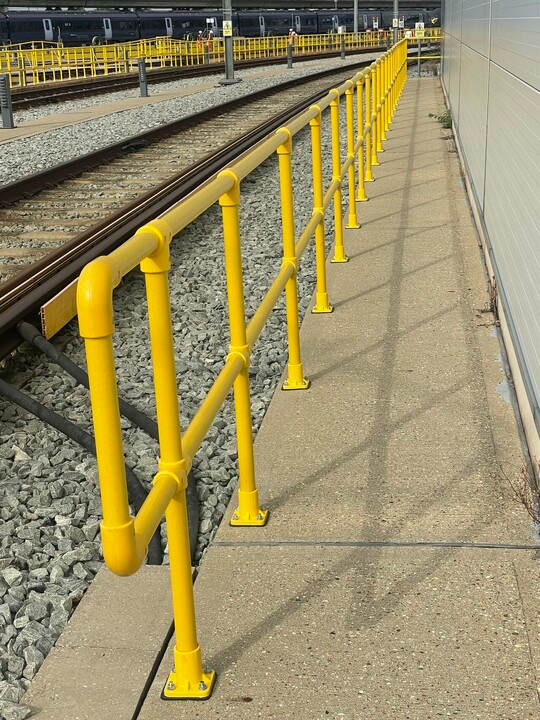
Detaillierter Überblick über GFK-Handlaufsysteme
Das externe GRP-Drehgelenk ist ein vielseitiger Inline-Drehbeschlag, der häufig dort verwendet wird, wo die Winkel an Böschungen, Stufen und Podesten variieren. Die GRP 116 Mid Corner ist eine 90°-Eckverbindung, die häufig verwendet wird...
-
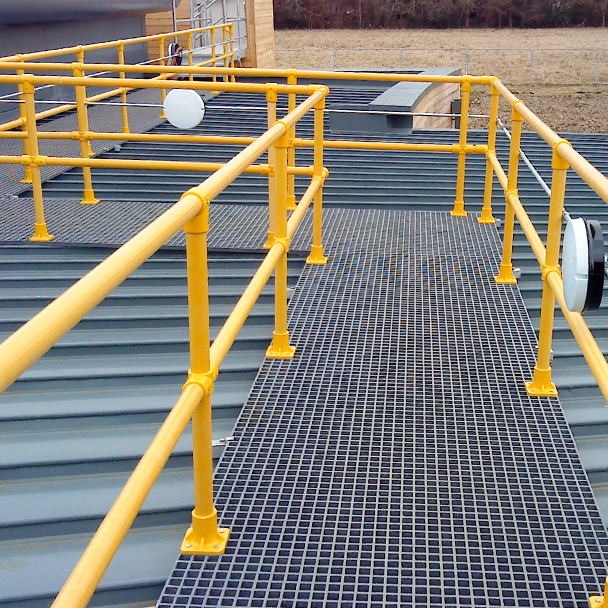
GFK-Handlaufsystem Fiberglas korrosionsbeständig rutschfest umweltfreundlich
Das externe GRP-Drehgelenk ist ein vielseitiger Inline-Drehbeschlag, der häufig dort verwendet wird, wo die Winkel an Böschungen, Stufen und Podesten variieren. Die GRP 116 Mid Corner ist eine 90°-Eckverbindung, die häufig verwendet wird...