


-

Plataforma FRP
-

Plataforma FRP
-

Plataforma FRP
-

Plataforma FRP
-

Plataforma FRP
-

Plataforma FRP
-

Plataforma FRP
Plataforma de FRP (plástico reforzado con fibra) es un De alta resistencia, ligero y resistente a la corrosión. Componente estructural ampliamente utilizado en aplicaciones industriales, comerciales y marinas. Sirve como... Alternativa duradera y de bajo mantenimiento a materiales tradicionales como acero, aluminio y madera.
Introducción al rendimiento del producto
Este artículo proporciona una descripción detallada de las plataformas FRP, incluidos sus Propiedades físicas, especificaciones, ventajas, desventajas y aplicaciones.
1. Propiedades físicas de la plataforma FRP
1.1. Resistencia y capacidad de carga
-
Alta relación resistencia-peso – Más fuerte que la madera y el aluminio., con una resistencia comparable a la del acero.
-
Excelente capacidad de carga - Poder Apoyar equipos pesados, personal y maquinaria industrial..
-
Resistencia al impacto y a los golpes – Puede soportar impacto mecánico y vibraciones sin deformación permanente.
1.2. Corrosión y resistencia ambiental
-
Resistente a la corrosión y al óxido – Ideal para plantas de tratamiento de aguas marinas, químicas y residuales.
-
No degradable en ambientes húmedos – Se desempeña bien en condiciones húmedas y de alta humedad.
-
Recubrimiento resistente a los rayos UV disponible – Protege contra degradación de la luz solar Para uso en exteriores.
1.3. Propiedades eléctricas y térmicas
-
No conductivo – Proporciona aislamiento eléctrico, haciéndolo Seguro para centrales eléctricas y subestaciones eléctricas.
-
Baja conductividad térmica – Reduce la transferencia de calor, útil en entornos de alta temperatura o condiciones climáticas extremas.
1.4. Resistencia al fuego
-
Opciones ignífugas disponibles – Se puede hacer con resinas fenólicas o resistentes al fuego.
-
Bajas emisiones de humo y toxicidad – Más seguro para espacios confinados y áreas de alta ocupación.
2. Especificaciones y opciones de diseño
2.1. Dimensiones estándar y capacidades de carga
Las plataformas FRP están disponibles en varios tamaños y configuraciones según Requisitos de carga y necesidades de la aplicación:
-
Espesor: 25 mm (1″) a 50 mm (2″)
-
Tamaños de los paneles: 1 m × 1 m, 1,2 m × 2,4 m o tamaños personalizados
-
Capacidades de carga: Hasta 5.000 kg/m² según el diseño y la distancia entre soportes
2.2. Tipos de plataformas FRP
-
Plataformas de rejilla de FRP – Plataformas de malla abierta para drenaje y resistencia al deslizamiento.
-
Plataformas sólidas de FRP – Superficie continua para salas blancas, plantas químicas e industrias alimentarias.
-
Plataformas modulares de FRP – Personalizable plataformas prediseñadas Con fácil instalación.
2.3. Composición del material
Las plataformas FRP constan de:
-
Fibras de refuerzo:
-
Vidrio E - Estándar fibra de alta resistencia.
-
Vidrio S o fibra de carbono – Opciones de mayor rendimiento para aplicaciones especializadas.
-
-
Resinas para diversas aplicaciones:
-
Resina de poliéster – Rentable, uso general.
-
Resina de éster de vinilo – Mejor resistencia química.
-
Resina epoxica – Mayor resistencia y durabilidad..
-
Resina fenólica – La mejor resistencia al fuego.
-
2.4. Propiedades mecánicas (valores típicos)
| Propiedad | Valor típico |
|---|---|
| Resistencia a la tracción | 250-600 MPa |
| Resistencia a la flexión | 200-500 MPa |
| Resistencia a la compresión | 250-550 MPa |
| Densidad | 1,5-2,0 g/cm³ |
| Módulo de elasticidad | 20-35 GPa |
3. Ventajas de las plataformas FRP
3.1. Ligero y fácil de manejar
-
Hasta 70% más ligero que el acero, haciéndolo Más fácil de transportar e instalar.
-
Reduce la carga estructural en edificios de varios pisos e instalaciones a gran escala.
3.2. Corrosión y resistencia química
-
No se oxida, corroe ni degrada., incluso en entornos marinos, de aguas residuales y químicos.
-
Ideal para exposición a ácidos, álcalis y disolventes..
3.3. Seguridad eléctrica y magnética
-
Material no conductor – Previene peligros eléctricos.
-
No magnético – Adecuado para entornos electrónicos sensibles.
3.4. Antideslizante y seguro
-
Disponible con revestimientos antideslizantes. o superficies de grano integrado.
-
Reduce el riesgo de Accidentes en áreas de trabajo industriales, húmedas o peligrosas.
3.5. Bajo mantenimiento y larga vida útil
-
No requiere pintura, sellado ni tratamientos químicos..
-
No se deforma, agrieta ni degrada. con el tiempo.
3.6. Personalizable y versátil
-
Se puede cortar, perforar y dar forma. fácilmente.
-
Disponible en diferentes colores y acabados. por motivos estéticos o de seguridad.
4. Desventajas de las plataformas FRP
4.1. Mayor costo inicial
-
Más caro que el acero o el aluminio. Por adelantado.
-
Sin embargo, Un menor mantenimiento y una vida útil más larga compensan los costos iniciales.
4.2. Menor rigidez en comparación con el acero
-
Más flexible que el acero, requiriendo soportes adicionales para cargas pesadas.
-
No recomendado para aplicaciones altamente sensibles a la carga sin el refuerzo adecuado.
4.3. Degradación por rayos UV (sin protección)
-
La exposición prolongada a la luz solar directa puede provocar un desgaste leve de la superficie..
-
Requiere Recubrimientos resistentes a los rayos UV para uso en exteriores.
4.4. Resistencia limitada a altas temperaturas
-
El FRP comienza a degradarse por encima de 150-200 °C, a diferencia de acero, que soporta calor extremo.
-
Hay versiones resistentes al fuego disponibles. pero ven a costos más altos.
4.5. Desafíos del reciclaje
-
Difícil de reciclar debido a la naturaleza compuesta del material..
-
Opciones limitadas de eliminación o reutilización en comparación con los metales.
5. Aplicaciones de las plataformas FRP
5.1. Usos industriales y de infraestructura
-
Refinerías de petróleo y gas – Resistente a productos químicos, temperaturas extremas y corrosión.
-
Plantas de procesamiento químico – Ideal para entornos corrosivos y de alta humedad.
-
Instalaciones de tratamiento de aguas residuales – No lo hace degradarse en aguas residuales, agua o exposición a sustancias químicas.
5.2. Aplicaciones marinas y offshore
-
Plataformas de muelles, embarcaderos y cubiertas de barcos - Alto resistencia al agua salada.
-
Plataformas offshore y estructuras flotantes – Ligero pero Lo suficientemente fuerte para entornos hostiles.
5.3. Construcción e Infraestructura Pública
-
Puentes, pasarelas y escaleras – Proporciona durabilidad con mínimo mantenimiento.
-
Instalaciones públicas y estaciones de tránsito – Plataformas de seguridad antideslizantes para peatones.
5.4. Electricidad y telecomunicaciones
-
Subestaciones y áreas de alta tensión – No conductor y eléctricamente seguro.
-
Torres de comunicación e instalaciones de antenas – Soluciones ligeras y resistentes a la corrosión.
5.5. Industrias alimentaria y farmacéutica
-
Sanitario y resistente a los productos químicos – Utilizado en salas blancas, procesamiento de alimentos y laboratorios médicos.
-
Superficie no tóxica e higiénica – Previene crecimiento bacteriano.
6. Conclusión
Plataformas FRP proporcionar una Alternativa fuerte, resistente a la corrosión y de bajo mantenimiento a plataformas de metal y madera. Ofrecen durabilidad superior, no conductividad y resistencia química, lo que los hace ideales para Aplicaciones industriales, marinas y eléctricas.
Plataforma FRP
Serie :
Productos principales >solicitud
Plantas industriales y fábricas químicas Plataformas marinas y entornos marinos Instalaciones de tratamiento de agua y aguas residuales Centrales eléctricas y subestaciones Estaciones de transporte público y puentes peatonales Sitios de construcción y almacenes
Nombre de la marca :
TFcompuesto
Nombre del producto :
Pasamanos de PRFV
Material :
Fibra de vidrio
Color :
Amarillo,Otro


Preguntas más frecuentes
P:
¿Qué tan fuertes son los pasamanos de PRFV en comparación con el acero?
A :
Los pasamanos de PRFV ofrecen una excelente relación resistencia-peso, a menudo comparable a la del acero. Si bien el acero puede tener mayor capacidad de carga, el PRFV proporciona suficiente resistencia para la mayoría de las aplicaciones industriales y comerciales, especialmente en entornos corrosivos.
P:
¿Son los pasamanos de PRFV adecuados para aplicaciones marinas y offshore?
A :
Sí, los pasamanos de PRFV son ideales para entornos marinos. Son resistentes a la corrosión del agua salada y a la exposición a los rayos UV, lo que los convierte en la opción preferida para muelles, barcos y plataformas marinas.
P:
¿Cómo se instalan los pasamanos de PRFV?
A :
Los pasamanos de PRFV están diseñados para una fácil instalación mediante un sistema modular. Los componentes suelen atornillarse sin necesidad de soldadura. Basta con usar herramientas estándar, lo que reduce el tiempo de instalación y los costes de mano de obra.
P:
¿Se pueden personalizar los pasamanos de PRFV?
A :
¡Por supuesto! Los pasamanos de PRFV se pueden personalizar en cuanto a: Dimensiones (tamaño del tubo, altura del poste, espaciado), Colores (generalmente amarillo para mayor visibilidad), Acabados (lisos, texturizados o antideslizantes), Configuraciones (sistemas de uno o varios raíles).
P:
¿Los pasamanos de PRFV requieren mantenimiento?
A :
No, los pasamanos de PRFV requieren un mantenimiento mínimo. A diferencia del metal, no se oxidan ni se corroen. Una limpieza periódica con agua y un detergente suave suele ser suficiente.
P:
¿Son los pasamanos de PRFV conductores de electricidad?
A :
No, los pasamanos de PRFV no son conductores, lo que los hace ideales para entornos con riesgos eléctricos como centrales eléctricas y subestaciones.
P:
¿Son los pasamanos de PRFV resistentes al fuego?
A :
Los pasamanos de PRFV se pueden fabricar con resinas ignífugas para cumplir con las normas de seguridad contra incendios. Consulte siempre con el fabricante la clasificación de resistencia al fuego adecuada para su aplicación.
P:
¿Cuál es la vida útil típica de un pasamanos de PRFV?
A :
Los pasamanos de PRFV suelen durar más de 20 años, incluso en entornos hostiles. Su resistencia a la corrosión, los rayos UV y la intemperie contribuyen a su larga vida útil.
Otros productos relacionados
-

Barandillas y pasamanos de FRP
Las barandillas y pasamanos de FRP (plástico reforzado con fibra de vidrio) son soluciones de seguridad modernas diseñadas para aplicaciones industriales y comerciales donde se requiere resistencia a la corrosión, durabilidad y...

-

Plataforma ferroviaria de FRP
Este documento proporciona una descripción detallada de la plataforma ferroviaria de FRP, incluidas sus propiedades físicas, especificaciones, ventajas, desventajas y aplicaciones comunes. 1. Propiedades físicas...
-

Pasarelas de FRP
Este documento proporciona una descripción detallada de las pasarelas de FRP, cubriendo sus propiedades físicas, especificaciones, ventajas, desventajas y aplicaciones comunes. 1. Propiedades físicas de F...
-
Plataforma personalizable FRP
Este documento proporciona un análisis en profundidad de las plataformas personalizables de FRP, incluidas sus propiedades físicas, especificaciones, ventajas, desventajas y aplicaciones. 1. Propiedades físicas...
-
Plataforma de alta carga de FRP
Este artículo proporciona una descripción detallada de las plataformas de alta carga de FRP, incluidas sus propiedades físicas, especificaciones, ventajas, desventajas y aplicaciones. 1. Propiedades físicas de...
-

Pasamanos de PRFV
✅ Características principales de los pasamanos de PRFV Resistencia a la corrosión: El PRFV es altamente resistente a los productos químicos, al agua salada y a los factores ambientales, lo que lo hace ideal para entornos marinos, de alta mar e industriales...
-
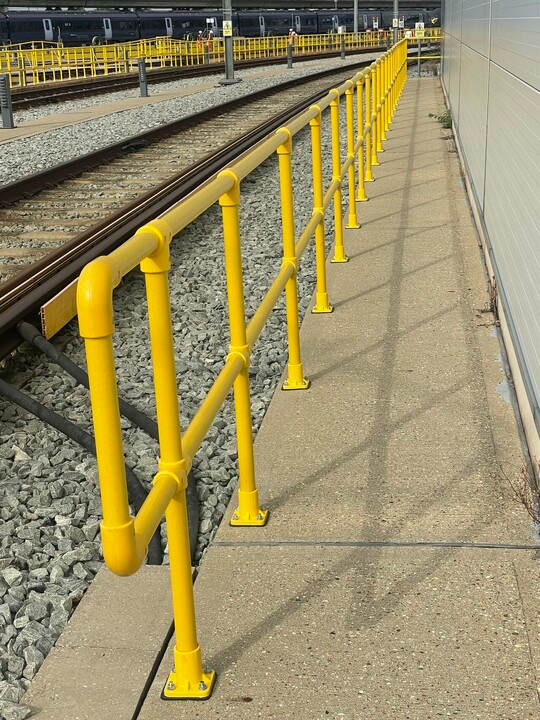
Descripción detallada de los sistemas de pasamanos de FRP
El pivote externo de PRFV es un accesorio giratorio en línea versátil, que se utiliza a menudo cuando los ángulos varían en pendientes, escalones y descansos. La GRP 116 Mid Corner es una junta de esquina de 90°, a menudo utilizada...
-
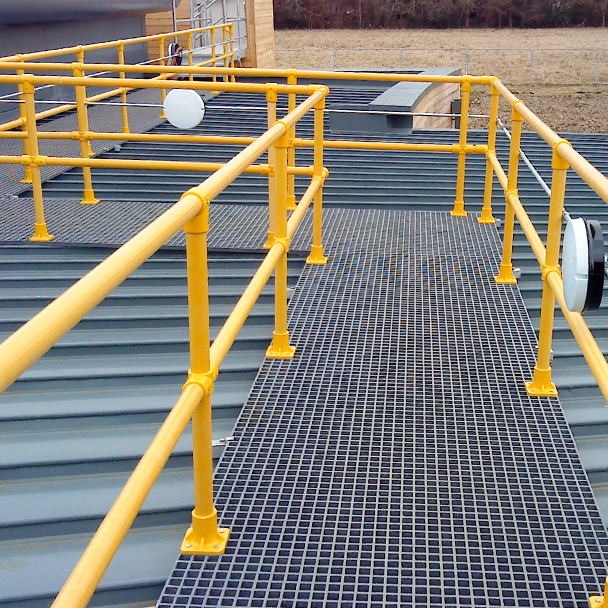
Sistema de pasamanos de GRP de fibra de vidrio resistente a la corrosión antideslizante ecológico
El pivote externo de PRFV es un accesorio giratorio en línea versátil, que se utiliza a menudo cuando los ángulos varían en pendientes, escalones y descansos. La GRP 116 Mid Corner es una junta de esquina de 90°, a menudo utilizada...