


-
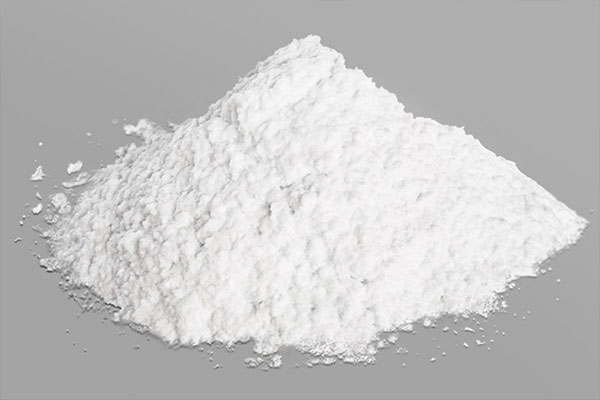
Bubuk PE
Bahasa Indonesia:
Bubuk PE, singkatan dari Bubuk Polietilen, PE (polietilen oksida) adalah bubuk termoplastik yang dibuat dari polimerisasi monomer etilen. Bubuk ini banyak digunakan di berbagai industri karena sifatnya yang inert secara kimia, kekuatan benturan yang sangat baik, dan fleksibilitas prosesnya. Bubuk PE tersedia dalam berbagai tingkatan dan ukuran partikel yang disesuaikan untuk berbagai proses manufaktur, termasuk... pencetakan rotasional, pelapisan fluidized bed, penggabungan, Dan sinterisasi.
Pengenalan kinerja produk
Berdasarkan struktur molekul dan densitasnya, bubuk PE umumnya diklasifikasikan sebagai:
-
Bubuk Polietilen Densitas Rendah (LDPE)
-
Bubuk Polietilen Densitas Rendah Linier (LLDPE)
-
Bubuk Polietilen Densitas Tinggi (HDPE)
-
Bubuk Polietilen Berat Molekul Sangat Tinggi (UHMWPE)
🧪 2. Jenis dan Tingkat Bubuk PE
| Jenis | Rentang Kepadatan (g/cm³) | Aplikasi Khas |
|---|---|---|
| LDPE | 0,910–0,930 | Pelapis, perekat, film |
| LLDPE | 0,915–0,940 | Tangki dan kontainer cetakan rotasi. |
| HDPE | 0,941–0,965 | Pipa, drum, suku cadang otomotif |
| UHMWPE | > 0,940 dengan berat molekul sangat tinggi | Rompi anti peluru, lapisan dalam, bantalan |
🔬 3. Fitur dan Manfaat Produk
-
✔️ Ketahanan Kimia yang Sangat BaikTahan terhadap asam, basa, alkohol, dan garam.
-
✔️ Penyerapan Air Rendah: Sehingga sangat ideal untuk aplikasi di lingkungan laut dan yang terpapar kelembapan.
-
✔️ Ketahanan benturan yang baikTerutama varian LLDPE dan UHMWPE.
-
✔️ Isolasi Listrik TinggiCocok untuk pelapis kawat & kabel.
-
✔️ Koefisien Gesekan RendahTerutama UHMWPE—digunakan dalam aplikasi geser.
-
✔️ Warna Kustom Tersedia: Melalui penambahan masterbatch atau gradasi warna yang sudah ada.
-
✔️ Tingkat Kualitas yang Disetujui FDATersedia untuk kontak dengan makanan dan produk farmasi.
⚙️ 4. Proses Manufaktur yang Menggunakan Bubuk PE
4.1. Pencetakan Rotasi (Rotomolding)
-
Banyak digunakan pada wadah berongga besar, tangki bahan bakar, dan tempat penyimpanan.
-
Memerlukan ukuran partikel seragam (35–100 mesh) untuk kontrol sintering dan ketebalan dinding yang optimal.
4.2. Pelapisan Serbuk Elektrostatik / Pelapisan Unggun Terfluidisasi
-
Digunakan untuk rak mesin pencuci piring, pagar, dan pipa.
-
Bubuk harus dapat diisi muatan elektrostatik, seringkali diberi perlakuan permukaan.
4.3. Pencampuran & Masterbatch
-
Bubuk PE merupakan bahan pembawa atau dasar dalam formulasi masterbatch untuk pewarna dan aditif.
-
Bubuk yang mudah mengalir lebih disukai untuk konsistensi pemberian makan.
4.4. Pencetakan Kompresi & Sintering
-
Bubuk UHMWPE sering digunakan untuk suku cadang berkinerja tinggi, termasuk segel, roda gigi, dan pemandu.
📄 5. Lembar Data Teknis (TDS)
Nilai-nilai di bawah ini mewakili sebuah spesifikasi tipikal. Data aktual dapat bervariasi tergantung pada tingkatan dan produsen.
| Properti | Metode Tes | Nilai Khas |
|---|---|---|
| Properti fisik | ||
| Penampilan | Inspeksi Visual | Bubuk putih atau berwarna |
| Kepadatan (LDPE) | ASTM D1505 | 0,920 g/cm³ |
| Kepadatan (HDPE) | ASTM D1505 | 0,955 g/cm³ |
| Distribusi Ukuran Partikel | Difraksi Laser | 35 – 100 mesh (dapat disesuaikan) |
| Kepadatan Massal | ISO 60 | 0,40 – 0,55 g/cm³ |
| Indeks Leleh (190°C/2,16kg) | ASTM D1238 | 0,3 – 30 g/10 menit (spesifik untuk setiap tingkatan) |
| Peralatan mekanis | ||
| Kekuatan Tarik pada Titik Leleh | ASTM D638 | 10 – 30 MPa |
| Perpanjangan pada Putus | ASTM D638 | 400 – 800% |
| Modulus Lentur | ASTM D790 | 400 – 1200 MPa |
| Ketahanan Benturan (Izod) | ASTM D256 | Tidak ada patahan (berlekuk) |
| Sifat Termal | ||
| Titik lebur | DSC | 110°C (LDPE), 130°C (HDPE) |
| Titik Pelunakan Vicat | ASTM D1525 | 95–120°C |
| Konduktivitas Termal | ASTM C177 | 0,40 W/m·K |
| Properti Lainnya | ||
| Penyerapan Air (24 jam) | ASTM D570 | <0,01% |
| Peringkat Mudah Terbakar | UL94 | HB (V-2 dimungkinkan dengan aditif) |
| Kepatuhan Kontak Makanan | FDA 21 CFR, EU 10/2011 | Tersedia (khusus untuk kualitas makanan) |
🔒 6. Pengemasan dan Penyimpanan
-
Kemasan standar: kantong 20 kg, karung jumbo 500–1000 kg, atau muatan kontainer yang disesuaikan.
-
Lapisan penghalang kelembaban digunakan dalam aplikasi yang sensitif terhadap kelembaban.
-
Masa simpan: 12 bulan dalam kondisi kering.
-
Simpan di dalam gudang yang sejuk, kering, dan teduh; Hindari paparan sinar matahari langsung dan kelembapan.
🌱 7. Informasi Lingkungan & Keselamatan
-
Bubuk PE adalah tidak beracun, lembam, Dan dapat didaur ulang.
-
Pembakaran menghasilkan CO₂ dan air., Namun, harus berhati-hati agar tidak terlalu panas dan menghasilkan produk dekomposisi.
-
Selama proses pengolahan, sistem pengendalian debu dan APD Diperlukan upaya untuk menghindari bahaya menghirup asap.
-
Sesuai dengan RoHS, MENCAPAI, Dan WEEE arahan (tergantung tingkatan).
📊 8. Aplikasi Umum Berdasarkan Tingkat Kelas
| Industri | Menggunakan | Bubuk PE yang Direkomendasikan |
|---|---|---|
| Otomotif | Tangki bahan bakar, pelindung lumpur, komponen di bawah kap mesin. | LLDPE, HDPE |
| Konstruksi | Pipa, saluran, panel dinding, lapisan membran | HDPE, LDPE |
| Barang Konsumsi | Botol air, wadah, barang-barang rumah tangga | LDPE, LLDPE |
| Pertanian | Pipa irigasi, tempat penyimpanan bahan kimia | HDPE, jenis yang distabilkan UV |
| Listrik | Lapisan isolasi, rangkaian kabel | LDPE, jenis yang dapat dihubungkan silang |
| Laut | Alat apung, pelampung, suku cadang perahu | LLDPE, HDPE |
| Kemasan Makanan | Lapisan film, tutup, wadah | LDPE atau HDPE yang sesuai dengan standar FDA |
🧰 9. Opsi Kustomisasi
Produsen dan pengolah menawarkan bubuk PE dalam bentuk:
-
Bermacam-macam ukuran partikel (20 mesh – 200 mesh)
-
Warna senada atau bubuk yang sudah diberi warna
-
Antistatik, Distabilkan UV, atau tahan api versi
-
PE/PP campuran atau konten daur ulang nilai
-
Disetujui oleh FDA/NSF tingkat keamanan pangan
🤔 10. Pertanyaan yang Sering Diajukan (FAQ)
Q1: Bisakah saya menggunakan bubuk PE dalam pencetakan 3D?
👉 Beberapa produsen menawarkan kompatibel dengan fusi lapisan serbuk PE (polietilen terhidrolisis) adalah jenis polimer yang umum digunakan, tetapi biasanya polimer lain (misalnya, PA12) lebih disukai untuk mendapatkan hasil yang lebih presisi.
Q2: Bagaimana cara memastikan dispersi bubuk PE yang baik dalam sistem resin?
👉 Gunakan mixer geser tinggi, dan secara opsional bubuk yang telah diberi perlakuan permukaan untuk meningkatkan kompatibilitas.
Q3: Apakah bubuk PE dapat terurai secara hayati?
👉 Tidak. Polietilen standar adalah tidak dapat terurai secara hayati, Tetapi dapat terdegradasi oleh oksigen atau campuran biopolimer Nilai itu ada.
Q4: Apakah bubuk PE menyusut saat didinginkan?
👉 Ya, terutama HDPE. Desain cetakan harus memperhitungkan hal tersebut. tingkat penyusutan (~1,5–4%).
Q5: Dapatkah bubuk PE digunakan dengan fiberglass atau pengisi mineral?
👉 Ya, dan itu sering terjadi dicampur dengan bedak talk, serat kaca, atau mika untuk meningkatkan kekakuan atau ketahanan termal.
Bubuk PE
Seri :
Produk Proksi >aplikasi
Industri Otomotif, Industri Konstruksi, Industri Dirgantara, Industri Elektronik, Pelapis dan Cat
Nama merk :
komposit TF
Nama Produk :
Bubuk PE


Pertanyaan Umum
Q :
Bisakah saya menggunakan bubuk PE dalam pencetakan 3D?
A :
Beberapa produsen menawarkan jenis PE yang kompatibel dengan fusi lapisan serbuk, tetapi biasanya polimer lain (misalnya, PA12) lebih disukai untuk presisi.
Q :
Bagaimana cara memastikan dispersi bubuk PE yang baik dalam sistem resin?
A :
Gunakan mixer dengan daya geser tinggi, dan opsional bubuk yang telah diberi perlakuan permukaan untuk meningkatkan kompatibilitas.
Q :
Apakah bubuk PE dapat terurai secara hayati?
A :
Tidak. Polietilen standar tidak dapat terurai secara hayati, tetapi ada jenis yang dapat terurai secara oksidatif atau campuran biopolimer.
Q :
Apakah bubuk PE menyusut saat didinginkan?
A :
Ya, terutama HDPE. Desain cetakan harus memperhitungkan tingkat penyusutan (~1,5–4%).
Produk terkait lainnya
-
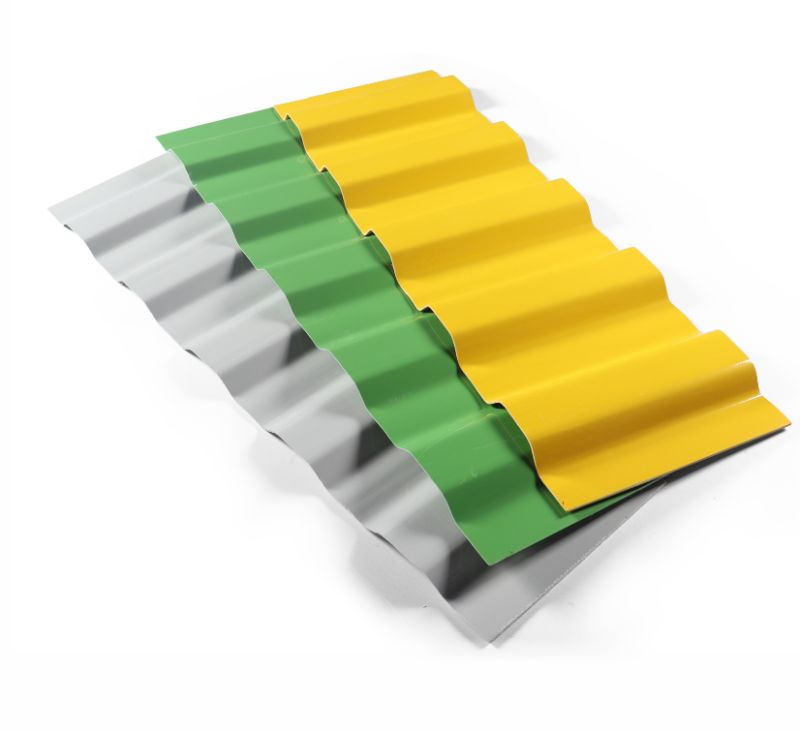
Genteng Fiberglass
Genteng Fiberglass adalah komponen atap berkinerja tinggi dan ringan yang diproduksi menggunakan serat fiberglass kontinu yang tertanam dalam matriks resin termosetting. Dirancang untuk ketahanan cuaca yang unggul...

-
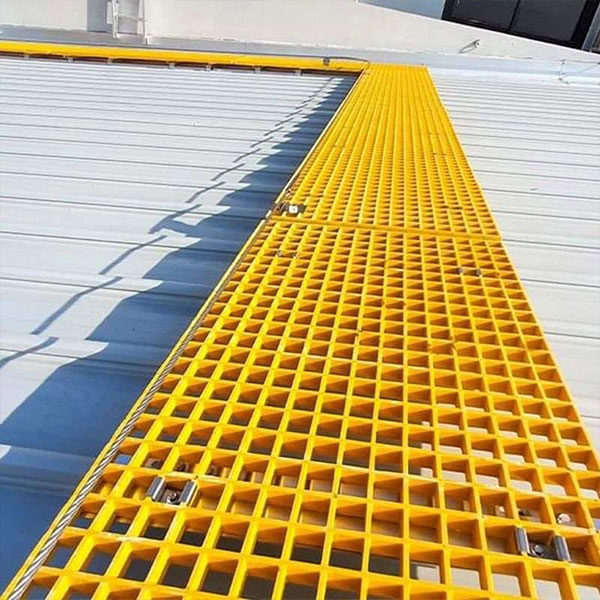
Kisi Plastik
Kisi-kisi plastik, juga dikenal sebagai kisi-kisi FRP (Fiberglass Reinforced Plastic), adalah alternatif modern untuk kisi-kisi logam tradisional. Terbuat dari serat fiberglass yang tertanam dalam matras resin termosetting...
-
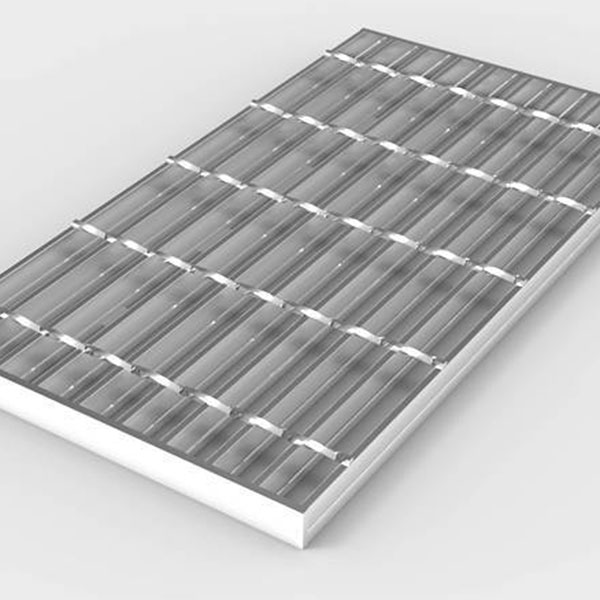
Kisi-kisi Logam
Kisi-kisi logam adalah material tahan lama dan berkekuatan tinggi yang banyak digunakan dalam aplikasi industri, komersial, dan arsitektur. Dibuat dari material seperti baja karbon, baja galvanis, aluminium...
-
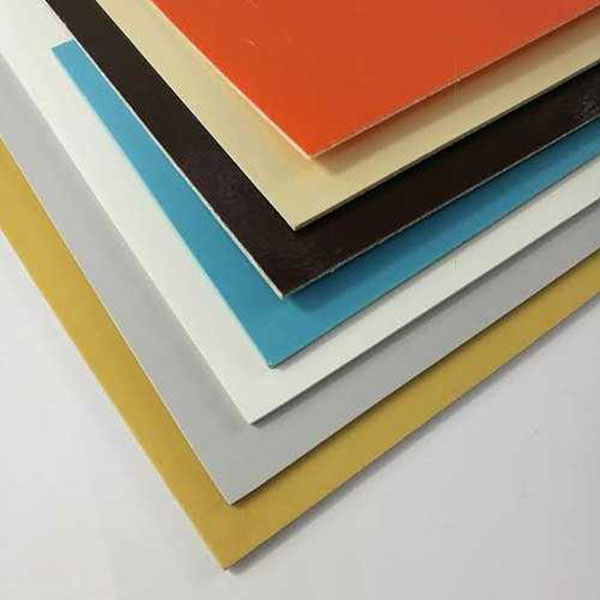
Lembaran FRP
Lembaran FRP (Lembaran Polimer yang Diperkuat Serat) adalah panel komposit datar yang terbuat dari kombinasi serat penguat—biasanya serat kaca (E-glass)—dan matriks resin polimer seperti poliester, v...
-
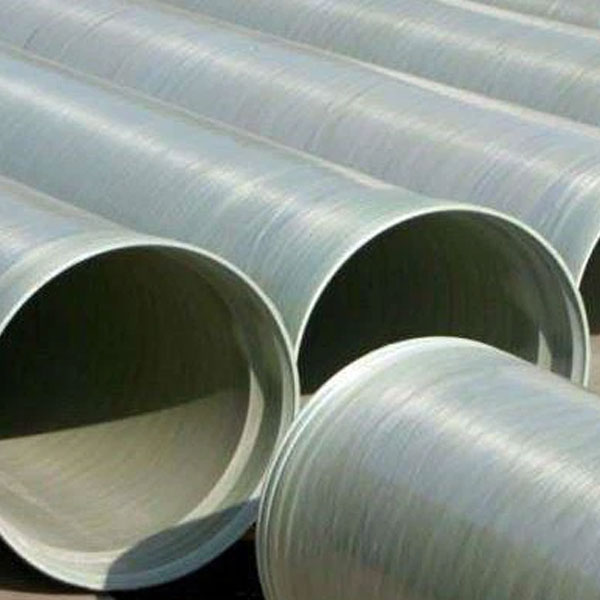
Pipa FRP
Pipa FRP (Fiber Reinforced Polymer) adalah pipa komposit berkinerja tinggi yang terbuat dari kombinasi serat penguat yang kuat—biasanya kaca, karbon, atau aramid—yang tertanam dalam resin termosetting...
-
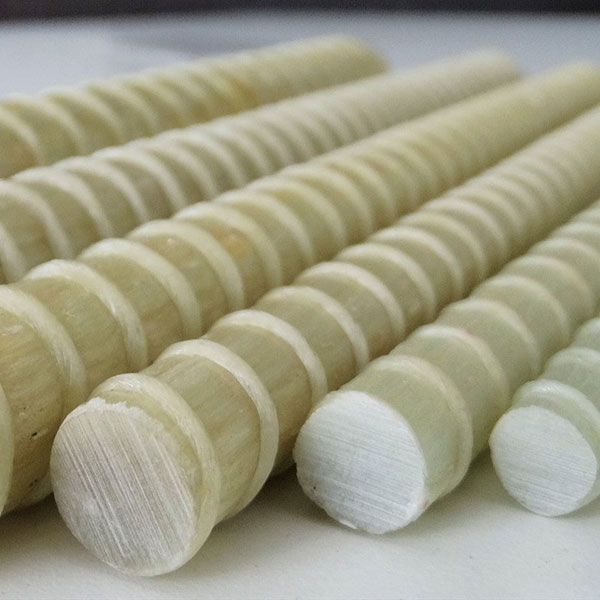
Tulangan FRP dan Mesin
Tulangan Polimer yang Diperkuat Serat (FRP) adalah alternatif berkinerja tinggi untuk tulangan baja tradisional yang digunakan dalam struktur beton. Terbuat dari kombinasi serat seperti kaca, karbon,...
-
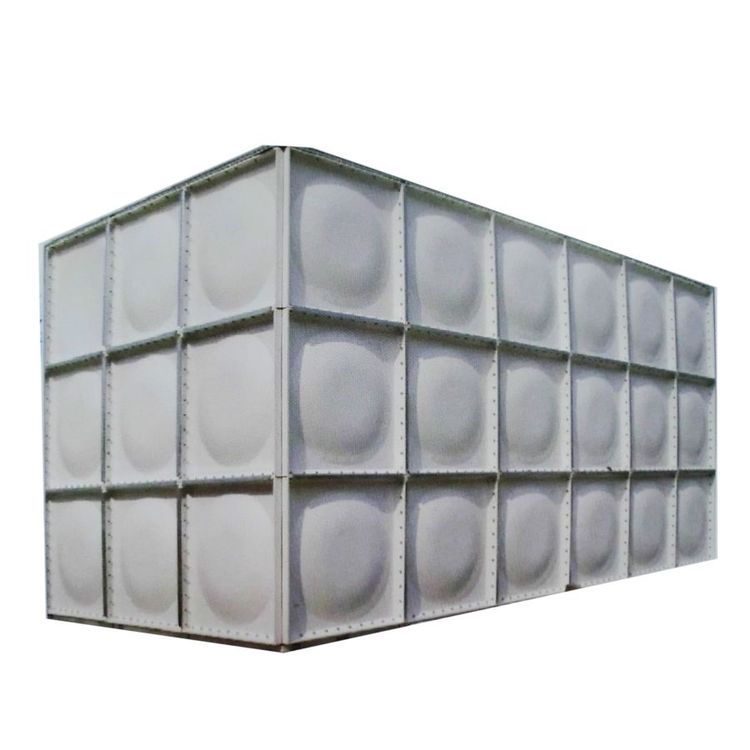
Tangki Air FRP
Tangki penyimpanan air FRP (Fiberglass Reinforced Plastic) adalah wadah berkinerja tinggi dan tahan korosi yang dirancang untuk penampungan air yang aman dan jangka panjang dalam berbagai aplikasi. ...
-

Sangkar Tangga FRP
Sangkar tangga FRP (Fiber Reinforced Plastic) adalah pelindung keselamatan yang dipasang di sekitar tangga vertikal tetap, yang menawarkan perlindungan penting terhadap jatuh bagi personel yang bekerja di ketinggian. Sangkar ini...