


-
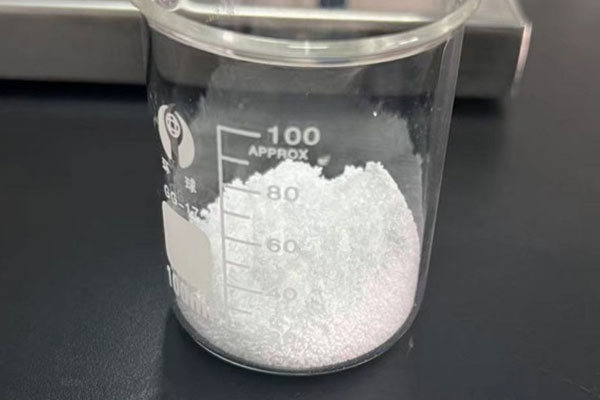
BPO 과립
벤조일퍼옥사이드(BPO) 과립 벤조일 퍼옥사이드의 안정화된 과립형 형태로, 다양한 산업 분야에서 중합 개시제 및 경화제로 널리 사용됩니다. 이 형태는 분말이나 페이스트와 같은 다른 형태에 비해 안전성이 향상되고 취급이 용이하며 성능이 일관적입니다.
제품 성능 소개
1. 화학적 정체성
-
화학명: 벤조일 퍼옥사이드
-
CAS 번호: 94-36-0
-
분자식: C₁₄H₁₀O₄
-
분자량: 242.23 g/mol
-
동의어: 디벤조일 퍼옥사이드, BPO, 벤조산 퍼옥시안하이드라이드
2. 물리적 및 화학적 특성
| 재산 | 값 |
|---|---|
| 모습 | 흰색 알갱이 형태의 고체 |
| 냄새 | 희미한 벤즈알데히드 냄새 |
| 녹는점 | 103–106 °C |
| 밀도 | 25°C에서 1.16 g/cm³ |
| 물에 대한 용해도 | 불용성 |
| 유기 용매에서의 용해도 | 아세톤, 벤젠, 클로로포름에 용해되며 에탄올에는 약간 용해됩니다. |
| 인화점 |
|
| 분해 온도 | 131°C (반감기 1분) |
| 이론적인 활성산소 함량 | 6.62% |
3. 기술 데이터 시트(TDS)
3.1. 제품 사양
| 모수 | 사양 |
|---|---|
| 분석 (BPO 함량) | 72–76% |
| 수분 함량 | 22–25% |
| 유리염화물 | ≤0.1% |
| 유리산(벤조산 형태) | ≤0.5% |
| 모습 | 흰색 알갱이 형태의 고체 |
| 벌크 밀도 | 500~600 kg/m³ |
3.2. 열분해 데이터
| 하프라이프 | 온도 |
|---|---|
| 10시간 | 73°C |
| 1시간 | 92°C |
| 1분 | 131°C |
4. 응용 프로그램
4.1. 고분자 산업
-
중합 개시제: BPO 과립은 플라스틱, 수지 및 접착제 생산에서 스티렌, 메틸 메타크릴레이트 및 아크릴레이트와 같은 단량체의 중합을 개시하는 데 널리 사용됩니다.
4.2. 복합재료
-
경화제: 불포화 폴리에스터 및 비닐 에스터 수지에서 BPO 과립은 경화제로 작용하여 유리섬유 강화 플라스틱 제조 과정에서 가교 반응을 촉진합니다.
4.3. 고무 산업
-
가황제: BPO 과립은 실리콘 고무 및 불소 고무의 가황제 및 가교제로 사용됩니다.3bf12b2b2d28ef1b.en.made-in-china.com
5. 안전 및 취급
5.1. 위험 요소 식별
-
산화제: BPO 과립은 강력한 산화제이며, 특히 건조 상태이거나 가연성 물질과 접촉했을 때 화재 및 폭발 위험을 초래할 수 있습니다.
-
건강 위험: 노출 시 피부와 눈에 자극을 유발할 수 있습니다. 먼지를 흡입하면 호흡기에 자극을 줄 수 있습니다.
5.2. 노출 한계
-
NIOSH 권장 노출 한계(REL): TWA 5 mg/m³
-
OSHA 허용 노출 한계(PEL): TWA 5 mg/m³
-
생명 또는 건강에 즉시 위험한 물질(IDLH): 1500 mg/m³
5.3. 개인 보호 장비(PPE)
-
눈 보호: 안전 고글 또는 얼굴 보호대
-
피부 보호: 보호 장갑 및 보호복
-
호흡기 보호: 환기가 불충분할 경우 방진 마스크 또는 호흡기 보호구를 착용하십시오.
5.4. 응급 처치 조치
-
흡입: 신선한 공기가 있는 곳으로 이동하십시오. 증상이 지속되면 의사의 진료를 받으십시오.
-
피부 접촉: 비누와 물로 씻으십시오. 오염된 옷은 벗으십시오.
-
눈맞춤: 물로 몇 분 동안 조심스럽게 헹구십시오. 의사의 진료를 받으십시오.
-
음식물 섭취: 구토를 유발하지 마십시오. 즉시 의료진의 진료를 받으십시오.
6. 보관 및 안정성
-
보관 조건: 서늘하고 건조하며 통풍이 잘 되는 곳에 보관하고, 열원과 직사광선을 피하십시오.
-
온도: 보관 온도는 35°C 이하로 유지하십시오.
-
포장: 일반적으로 내부에는 폴리에틸렌 백, 외부에는 섬유 드럼 또는 상자에 담긴 20kg 또는 25kg 용기에 포장되어 제공됩니다.
-
안정: BPO 과립은 권장 보관 조건에서는 안정적이지만, 가열, 충격 또는 마찰이 발생하면 분해됩니다.
7. 규제 정보
-
유엔 번호: 3104 (TP3T 함량이 521 이상인 BPO의 경우)
-
위험 등급: 5.2 (유기 과산화물)
-
포장 그룹: II
-
규제 기관 목록: BPO는 REACH, TSCA, OSHA를 포함한 다양한 규제 체계에 따라 규제를 받습니다.
8. 환경적 영향
-
생태독성: BPO는 수생 생물에 장기적인 악영향을 미치는 유해 물질입니다.
-
분해성: 이는 벤조산과 산소로 분해되며, 산소는 환경 산소 요구량에 기여할 수 있습니다.
BPO 과립
시리즈 :
프록시 제품 >애플리케이션
5.1. 고분자 산업: 중합 개시제로서 BPO는 플라스틱, 수지, 접착제 생산 시 스티렌, 메틸 메타크릴레이트, 아크릴레이트와 같은 단량체의 중합을 개시하는 데 널리 사용됩니다. 5.2. 복합재료 경화제: 불포화 폴리에스터 및 비닐 에스테르 수지에서 BPO는 경화제로 작용하여 유리섬유 강화 플라스틱 제조 시 가교 반응을 촉진합니다. 5.3. 의약품 및 화장품: 여드름 치료제로서 BPO는 항균 특성으로 인해 국소 여드름 치료제의 일반적인 활성 성분입니다. 5.4. 식품 산업: 표백제로서 BPO는 밀가루, 유청, 치즈 제품의 표백에 사용되어 외관을 개선합니다.
상표명 :
TF컴포지트
상품명 :
BPO 과립


자주하는 질문
질문 :
유리섬유 산업에서 BPO 페이스트는 무엇에 사용되나요?
ㅏ :
BPO(과산화벤조일) 페이스트는 주로 불포화 폴리에스터 및 비닐 에스터 수지의 경화 개시제로 사용됩니다. 이는 핸드 레이업, 스프레이업, 풀트루전, 주조 및 필라멘트 와인딩과 같은 다양한 유리섬유 제조 방법에서 중합 공정을 시작하는 데 도움을 줍니다.
질문 :
BPO를 분말 형태가 아닌 페이스트 형태로 사용하는 이유는 무엇입니까?
ㅏ :
더 안전하고(폭발이나 화재 위험 감소), 취급 및 혼합이 용이하며, 분진 발생이 적고, 보관 및 운송 중 안정성이 더 높습니다.
질문 :
BPO 페이스트만으로 경화가 가능한가요?
ㅏ :
아니요, BPO 페이스트는 제대로 분해되어 경화에 필요한 자유 라디칼을 생성하기 위해 촉진제/가속제(가장 일반적으로 옥토산코발트)가 필요합니다.
질문 :
유리섬유 생산 시 BPO 페이스트의 일반적인 사용량은 얼마입니까?
ㅏ :
일반적으로 표준 투입량은 수지 종류, 필요한 경화 속도 및 온도에 따라 수지 중량 기준으로 1.0% ~ 2.5%입니다.
기타 관련 제품
-
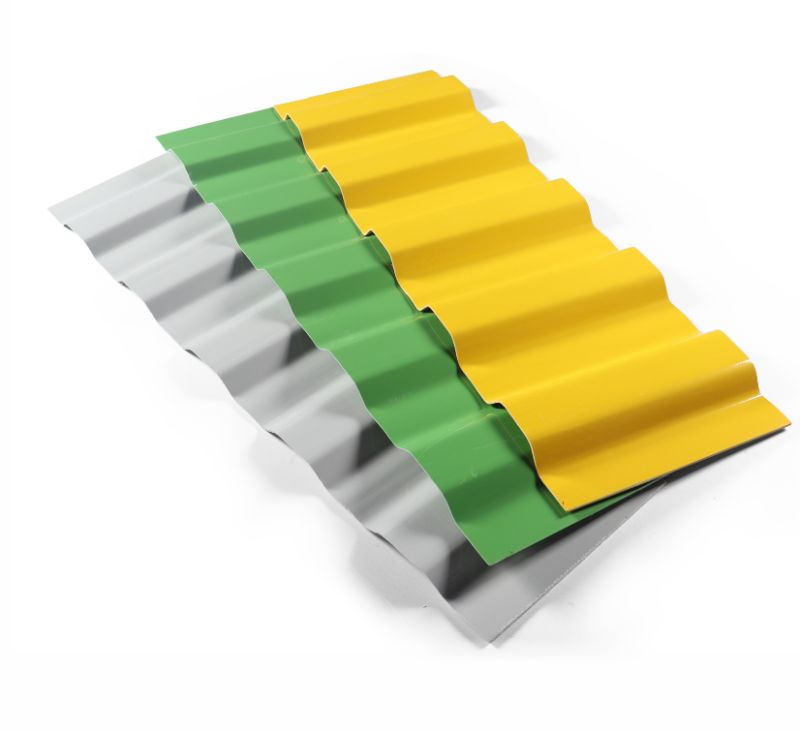
유리섬유 지붕 타일
유리섬유 지붕 타일은 열경화성 수지 매트릭스에 연속적인 유리섬유 가닥을 삽입하여 제조한 고성능 경량 지붕재입니다. 탁월한 내후성을 위해 설계되었습니다...

-
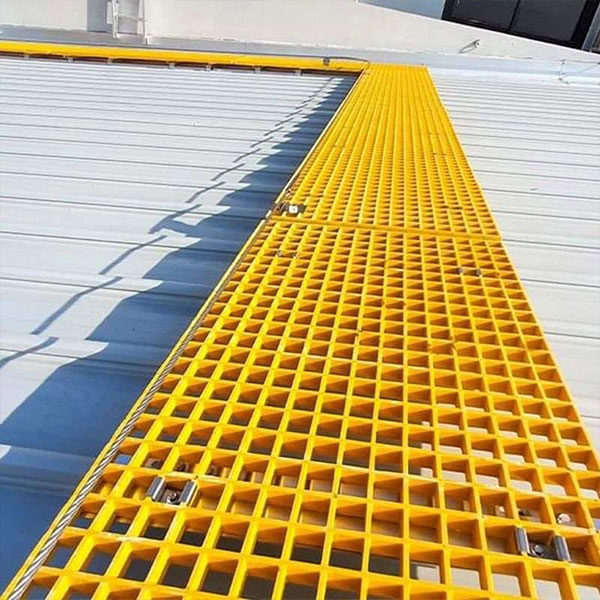
플라스틱 격자
FRP(유리섬유 강화 플라스틱) 격자라고도 불리는 플라스틱 격자는 기존 금속 격자를 대체하는 현대적인 대안입니다. 열경화성 수지 매트에 유리섬유 가닥을 넣어 만들어집니다.
-
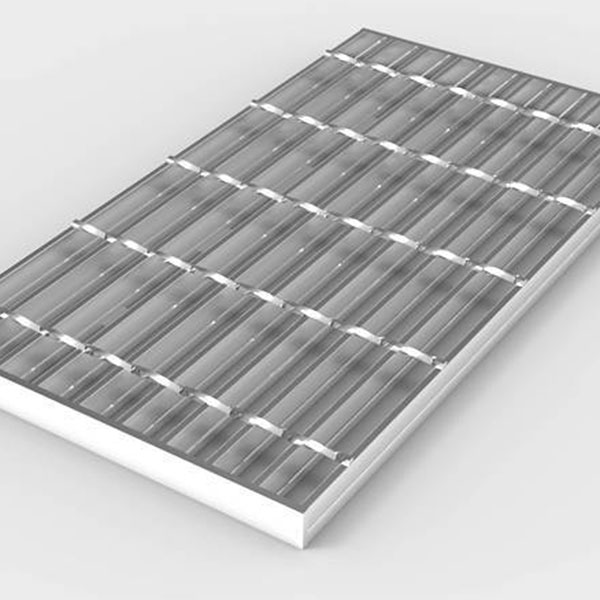
금속 격자
금속 격자는 내구성이 뛰어나고 강도가 높은 소재로 산업, 상업 및 건축 분야에 널리 사용됩니다. 탄소강, 아연 도금강, 알루미늄 등의 재료로 제작됩니다.
-

FRP 시트
FRP 시트(섬유 강화 폴리머 시트)는 강화 섬유(일반적으로 유리 섬유(E-유리))와 폴리에스터, 비닐 등의 폴리머 수지 매트릭스를 결합하여 만든 평판형 복합 패널입니다.
-
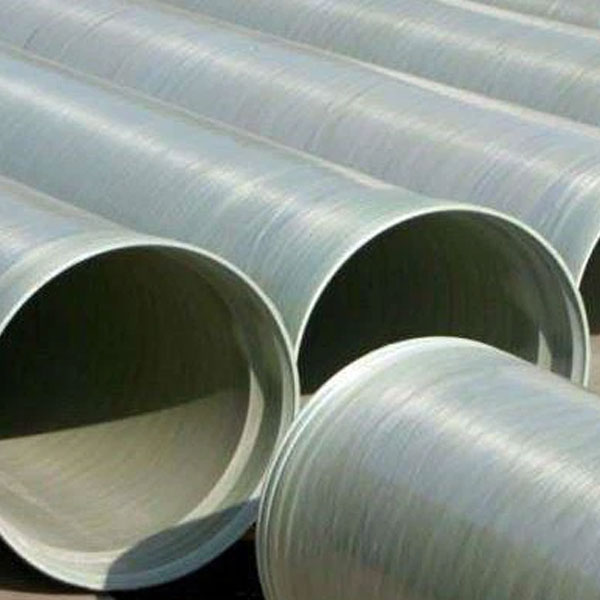
FRP 파이프
FRP(섬유 강화 폴리머) 파이프는 열경화성 수지에 강한 강화 섬유(일반적으로 유리, 탄소 또는 아라미드)를 혼합하여 만든 고성능 복합 파이프입니다.
-
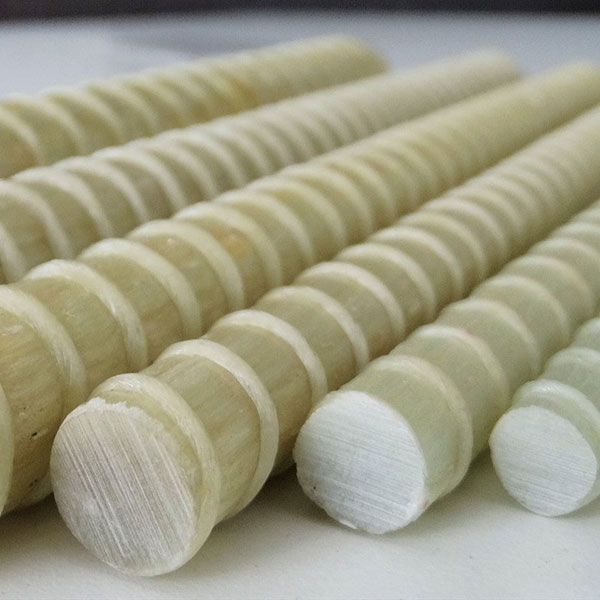
FRP 철근 및 기계
섬유 강화 폴리머(FRP) 철근은 콘크리트 구조물에 사용되는 기존 철근을 대체하는 고성능 소재입니다. 유리, 탄소 등의 섬유를 조합하여 만들어집니다.
-
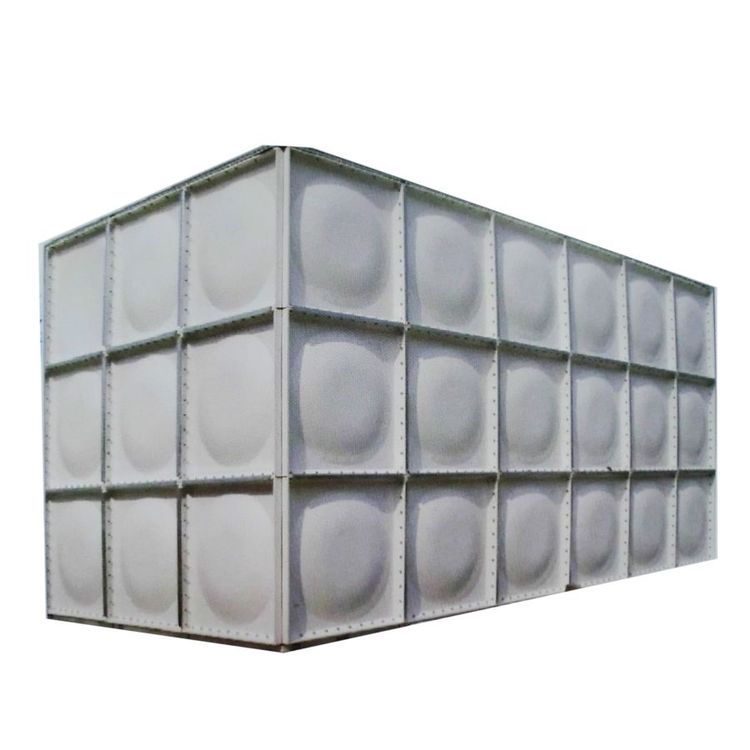
FRP 물탱크
FRP(유리섬유 강화 플라스틱) 물 저장 탱크는 다양한 용도에서 안전하고 장기간 물을 저장할 수 있도록 설계된 고성능 내식성 용기입니다.
-

FRP 사다리 케이지
FRP(섬유 강화 플라스틱) 사다리 케이지는 고정된 수직 사다리 주변에 설치되는 보호 안전 장치로, 고소 작업자의 추락 방지에 필수적인 기능을 제공합니다. 이러한 케이지는...