


-
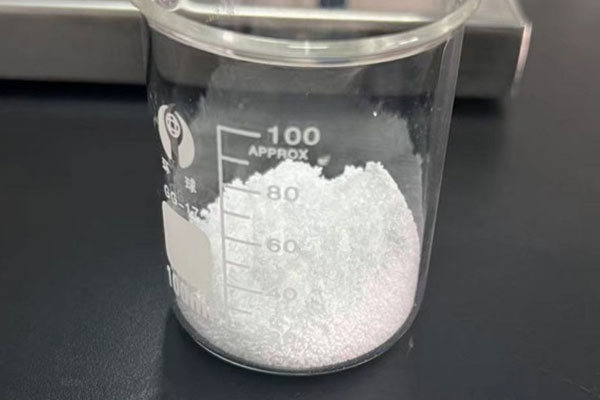
BPO颗粒
过氧化苯甲酰(BPO)颗粒 是过氧化苯甲酰的稳定颗粒形式,广泛用作各种工业应用中的聚合引发剂和固化剂。. 与粉末或膏状等其他形式相比,这种形式具有更高的安全性、更易于操作和更稳定的性能。.
产品性能介绍
1. 化学特性
-
化学名称: 过氧化苯甲酰
-
CAS编号: 94-36-0
-
分子式: C₁₄H₁₀O₄
-
分子量: 242.23 克/摩尔
-
同义词: 二苯甲酰过氧化物,BPO,苯甲酸过氧酐
2. 物理和化学性质
| 财产 | 价值观 |
|---|---|
| 外貌 | 白色颗粒状固体 |
| 气味 | 淡淡的苯甲醛气味 |
| 熔点 | 103–106 °C |
| 密度 | 25℃时密度为1.16 g/cm³ |
| 水中溶解度 | 不溶物 |
| 在有机溶剂中的溶解度 | 可溶于丙酮、苯、氯仿;微溶于乙醇 |
| 闪点 |
|
| 分解温度 | 131°C(半衰期1分钟) |
| 理论活性氧含量 | 6.62% |
3. 技术数据表 (TDS)
3.1 产品规格
| 范围 | 规格 |
|---|---|
| 检测(BPO含量) | 72–76% |
| 水分含量 | 22–25% |
| 游离氯 | ≤0.1% |
| 游离酸(如苯甲酸) | ≤0.5% |
| 外貌 | 白色颗粒状固体 |
| 堆积密度 | 500–600 kg/m³ |
3.2 热分解数据
| 半衰期 | 温度 |
|---|---|
| 10小时 | 73°C |
| 1小时 | 92°C |
| 1分钟 | 131°C |
4. 应用
4.1. 聚合物工业
-
聚合引发剂: BPO颗粒广泛用于引发苯乙烯、甲基丙烯酸甲酯和丙烯酸酯等单体的聚合反应,从而生产塑料、树脂和粘合剂。.
4.2 复合材料
-
固化剂: 在不饱和聚酯和乙烯基酯树脂中,BPO颗粒作为固化剂,促进玻璃纤维增强塑料制造过程中的交联。.
4.3 橡胶工业
-
硫化剂: BPO颗粒可用作硅橡胶和氟橡胶的硫化剂和交联剂。.3bf12b2b2d28ef1b.en.made-in-china.com
5. 安全和操作
5.1. 危害识别
-
氧化剂: BPO颗粒是强氧化剂,干燥时或与可燃物接触时,可能造成火灾和爆炸危险。.
-
健康危害: 接触可能导致皮肤和眼睛刺激。吸入粉尘会刺激呼吸道。.
5.2. 暴露限值
-
美国国家职业安全与健康研究所 (NIOSH) 推荐暴露限值 (REL): 时间加权平均值 5 毫克/立方米
-
美国职业安全与健康管理局 (OSHA) 允许接触限值 (PEL): 时间加权平均值 5 毫克/立方米
-
立即危及生命或健康 (IDLH): 1500 毫克/立方米
5.3 个人防护装备(PPE)
-
眼部防护: 安全护目镜或面罩
-
皮肤保护: 防护手套和服装
-
呼吸防护: 通风不足时,应佩戴防尘口罩或呼吸器。
5.4 急救措施
-
吸入: 到室外呼吸新鲜空气。如果症状持续,请就医。.
-
皮肤接触: 用肥皂和水清洗。脱掉受污染的衣物。.
-
眼神交流: 用清水小心冲洗几分钟。寻求医疗建议。.
-
摄入: 不要催吐。立即就医。.
6. 储存和稳定性
-
储存条件: 请存放于阴凉、干燥、通风良好的地方,远离热源和阳光直射。.
-
温度: 保持储存温度低于 35°C。.
-
包装: 通常以 20 公斤或 25 公斤的容器包装,内层为聚乙烯袋,外层为纤维桶或纸箱。.
-
稳定: BPO颗粒在推荐的储存条件下稳定,但在加热、冲击或摩擦时会分解。.
7. 监管信息
-
联合国编号: 3104(适用于BPO含量≥52%)
-
危险等级: 5.2(有机过氧化物)
-
包装组: 二
-
监管机构名单: BPO 受多种监管框架约束,包括 REACH、TSCA 和 OSHA。.
8. 环境影响
-
生态毒性: BPO对水生生物有害,且具有长期影响。.
-
可降解性: 它会分解成苯甲酸和氧气,这会导致环境需氧量增加。.
BPO颗粒
系列 :
代理产品 >应用场景
5.1. 聚合物工业聚合引发剂:过氧化苯甲酸酯(BPO)广泛用于引发苯乙烯、甲基丙烯酸甲酯和丙烯酸酯等单体的聚合反应,用于塑料、树脂和粘合剂的生产。5.2. 复合材料固化剂:在不饱和聚酯和乙烯基酯树脂中,BPO 用作固化剂,促进玻璃纤维增强塑料制造过程中的交联反应。5.3. 医药和化妆品痤疮治疗:由于其抗菌特性,BPO 是外用痤疮药物中常用的活性成分。5.4. 食品工业漂白剂:BPO 用于漂白面粉、乳清和奶酪制品,改善其外观。.
品牌 :
TF复合
产品名称 :
BPO颗粒


常问问题
问:
BPO浆料在玻璃纤维行业中有什么用途?
答 :
过氧化苯甲酰(BPO)膏体主要用作不饱和聚酯和乙烯基酯树脂的固化引发剂。它有助于启动各种玻璃纤维制造方法中的聚合过程,例如手糊成型、喷涂成型、拉挤成型、浇铸成型和纤维缠绕成型。.
问:
为什么BPO(苯酚)以糊状而不是粉末状使用?
答 :
更安全(爆炸或火灾风险更低)、更易于操作和混合、粉尘更少、储存和运输过程中更稳定
问:
BPO糊剂可以单独用于固化吗?
答 :
不。BPO糊剂需要促进剂/加速剂(最常见的是辛酸钴)才能正确分解并产生自由基进行固化。.
问:
玻璃纤维生产中BPO浆料的典型用量是多少?
答 :
标准用量通常为树脂重量的 1.0% – 2.5%,具体取决于树脂类型、所需的固化速度和温度。.
其他相关产品
-
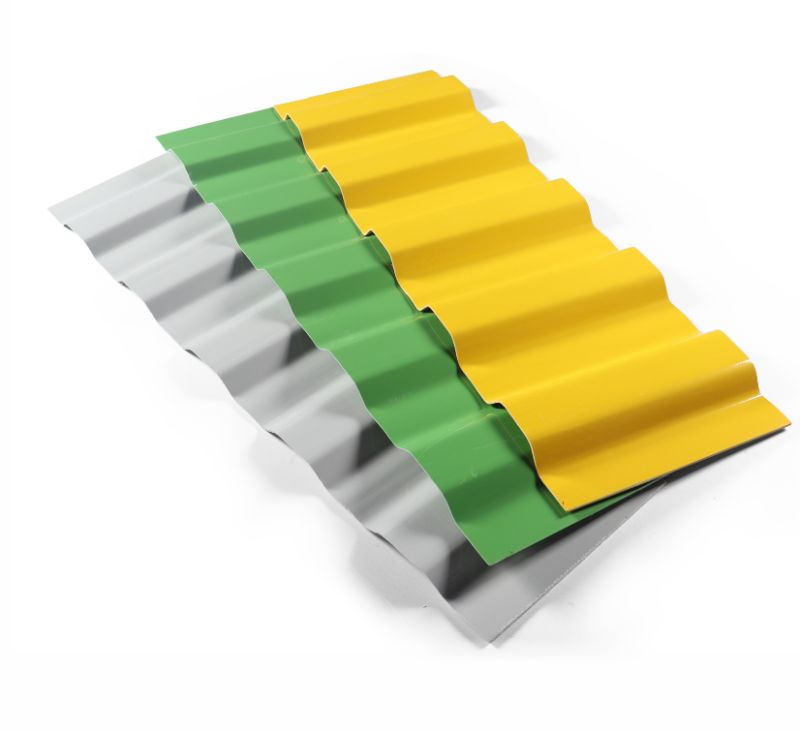
玻璃纤维屋顶瓦
玻璃纤维屋顶瓦是一种高性能、轻质的屋顶构件,采用连续玻璃纤维丝嵌入热固性树脂基体中制成。专为卓越的耐候性而设计…….

-
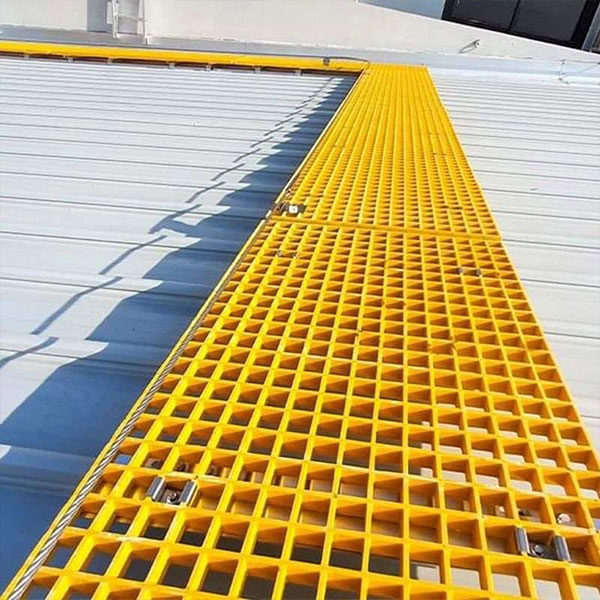
塑料拼接格栅
塑料格栅,也称为FRP(玻璃纤维增强塑料)格栅,是传统金属格栅的现代替代品。它由嵌入热固性树脂毡中的玻璃纤维丝制成…….
-
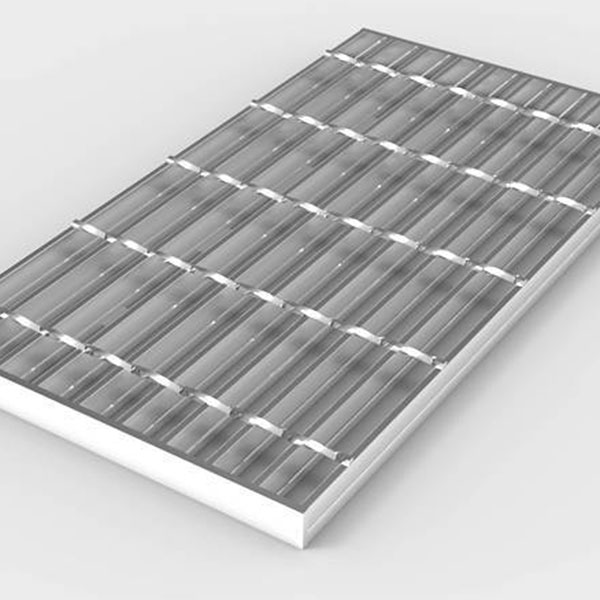
金属格栅
金属格栅是一种耐用、高强度的材料,广泛应用于工业、商业和建筑领域。其制造材料包括碳钢、镀锌钢、铝等。.
-
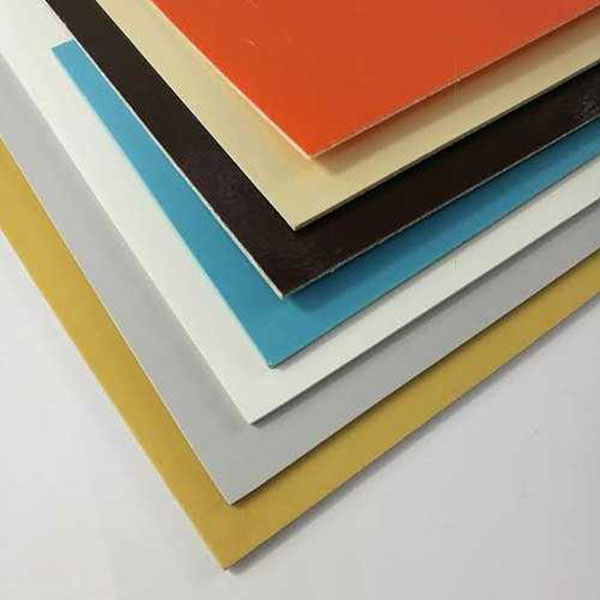
FRP板材
纤维增强聚合物板材(FRP板材)是由增强纤维(通常是玻璃纤维(E玻璃))和聚合物树脂基体(例如聚酯、聚乙烯等)组合而成的平板复合材料板材。.
-
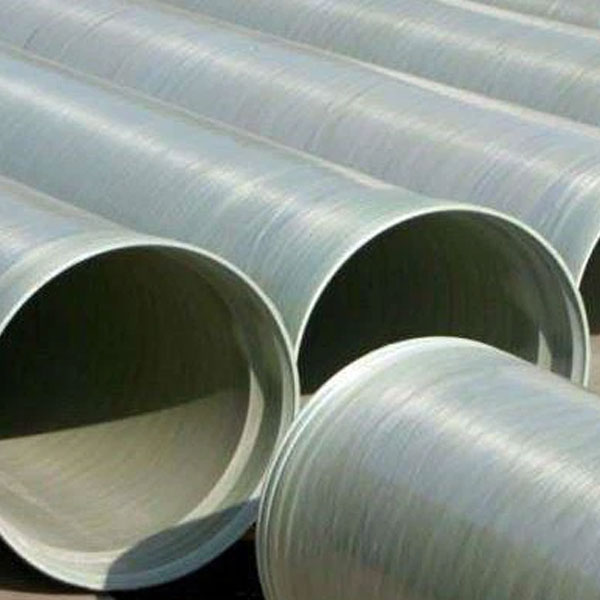
玻璃钢管道
纤维增强聚合物(FRP)管是一种高性能复合材料管,由嵌入热固性树脂中的高强度增强纤维(通常是玻璃纤维、碳纤维或芳纶纤维)组合而成。.
-
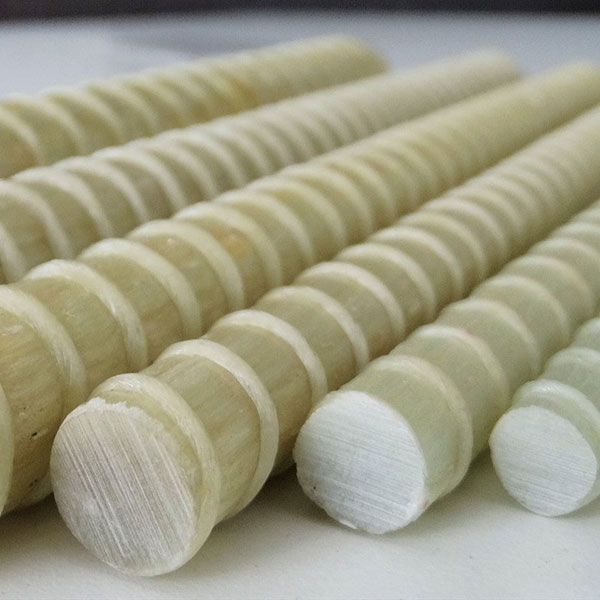
FRP钢筋和机械
纤维增强聚合物(FRP)钢筋是混凝土结构中传统钢筋的高性能替代品。它由玻璃纤维、碳纤维等多种纤维复合而成。.
-
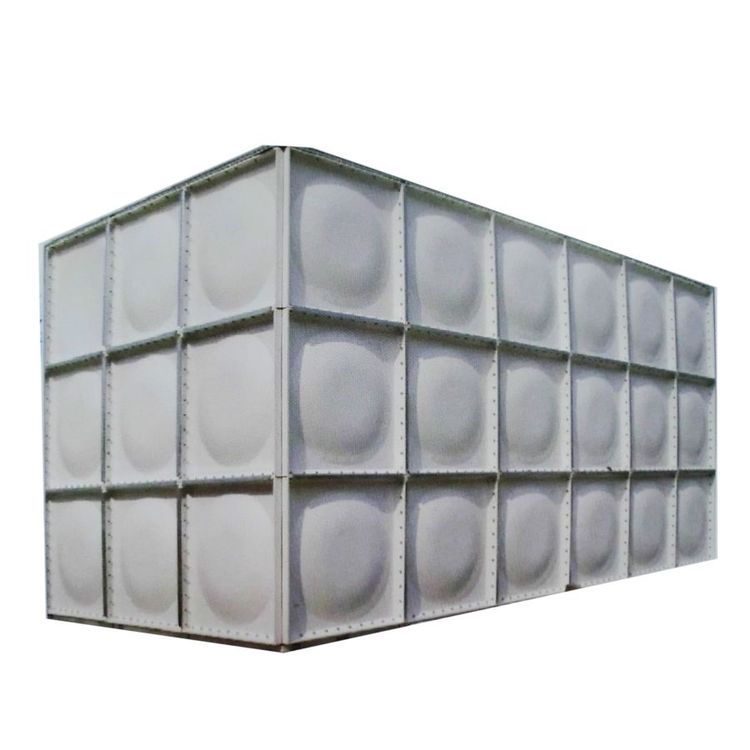
玻璃钢水箱
玻璃钢(FRP)储水罐是高性能、耐腐蚀的容器,专为各种应用场景中的安全长期储水而设计。.
-

FRP梯笼
纤维增强塑料(FRP)梯笼是安装在固定垂直梯子周围的防护安全罩,为高空作业人员提供必要的防坠落保护。这些梯笼…….