


-
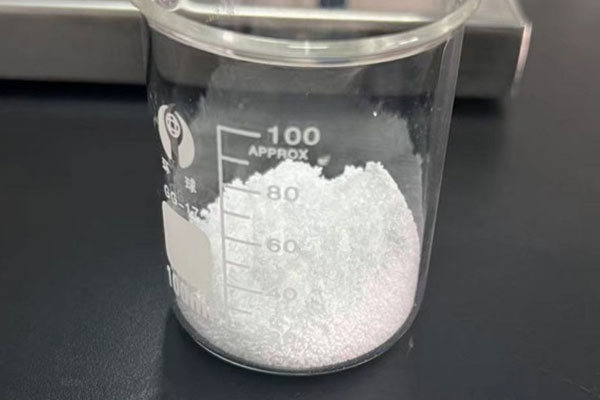
حبيبات بيروكسيد البنزويل
حبيبات بيروكسيد البنزويل (BPO) هي شكل حبيبي مستقر من بيروكسيد البنزويل، ويستخدم على نطاق واسع كمحفز للبلمرة وعامل معالجة في تطبيقات صناعية مختلفة. يوفر هذا الشكل أمانًا معززًا وسهولة في التعامل وأداءً ثابتًا مقارنة بالأشكال الأخرى مثل المساحيق أو المعاجين.
مقدمة عن أداء المنتج
1. الهوية الكيميائية
-
الاسم الكيميائي: بيروكسيد البنزويل
-
رقم CAS: 94-36-0
-
الصيغة الجزيئية: C₁₄H₁₀O₄
-
الوزن الجزيئي: 242.23 جم/مول
-
المرادفات: بيروكسيد ثنائي البنزويل، BPO، بيروكسي أنهيدريد البنزويك
2. الخصائص الفيزيائية والكيميائية
| ملكية | قيمة |
|---|---|
| مظهر | مادة صلبة حبيبية بيضاء |
| رائحة | رائحة خفيفة من البنزالدهيد |
| نقطة الانصهار | 103–106 درجة مئوية |
| كثافة | 1.16 جم/سم³ عند 25 درجة مئوية |
| الذوبان في الماء | غير قابل للذوبان |
| الذوبان في المذيبات العضوية | يذوب في الأسيتون والبنزين والكلوروفورم؛ ويذوب بشكل طفيف في الإيثانول |
| نقطة الوميض |
|
| درجة حرارة التحلل | 131 درجة مئوية (نصف العمر دقيقة واحدة) |
| المحتوى النظري للأكسجين النشط | 6.62% |
3. ورقة البيانات الفنية (TDS)
3.1. مواصفات المنتج
| معامل | تخصيص |
|---|---|
| تحليل (محتوى بيروكسيد البنزويل) | 72–76% |
| محتوى الماء | 22–25% |
| الكلوريد الحر | ≤0.1% |
| حمض حر (على شكل حمض البنزويك) | ≤0.5% |
| مظهر | مادة صلبة حبيبية بيضاء |
| الكثافة الظاهرية | 500–600 كجم/م³ |
3.2. بيانات التحلل الحراري
| نصف العمر | درجة حرارة |
|---|---|
| 10 ساعات | 73 درجة مئوية |
| ساعة واحدة | 92 درجة مئوية |
| دقيقة واحدة | 131 درجة مئوية |
4. التطبيقات
4.1. صناعة البوليمرات
-
مُحفِّز البلمرة: تُستخدم حبيبات BPO على نطاق واسع لبدء بلمرة المونومرات مثل الستايرين وميثيل ميثاكريلات والأكريلات في إنتاج البلاستيك والراتنجات والمواد اللاصقة.
4.2. المواد المركبة
-
عامل المعالجة: في راتنجات البوليستر غير المشبعة وراتنجات فينيل الإستر، تعمل حبيبات BPO كعامل معالجة، مما يسهل عملية الربط المتقاطع أثناء تصنيع البلاستيك المقوى بالألياف الزجاجية.
4.3. صناعة المطاط
-
عامل الفلكنة: تُستخدم حبيبات BPO كعامل فلكنة وعامل ربط متقاطع لمطاط السيليكون ومطاط الفلور.3bf12b2b2d28ef1b.en.made-in-china.com
5. السلامة والتعامل
5.1. تحديد المخاطر
-
عامل مؤكسد: تُعد حبيبات BPO عوامل مؤكسدة قوية ويمكن أن تشكل مخاطر الحريق والانفجار، خاصة عندما تكون جافة أو على اتصال بالمواد القابلة للاحتراق.
-
المخاطر الصحية: قد يؤدي التعرض إلى تهيج الجلد والعينين. كما أن استنشاق الغبار قد يُهيج الجهاز التنفسي.
5.2. حدود التعرض
-
الحد الموصى به للتعرض من قبل المعهد الوطني للسلامة والصحة المهنية (NIOSH): متوسط الوزن المرجح زمنيًا 5 ملغم/م³
-
الحد المسموح به للتعرض وفقًا لمعايير إدارة السلامة والصحة المهنية (OSHA): متوسط الوزن المرجح زمنيًا 5 ملغم/م³
-
يشكل خطراً فورياً على الحياة أو الصحة (IDLH): 1500 ملغم/م³
5.3. معدات الحماية الشخصية (PPE)
-
حماية العين: نظارات واقية أو واقي للوجه
-
حماية البشرة: قفازات وملابس واقية
-
حماية الجهاز التنفسي: قناع غبار أو جهاز تنفس في حالة عدم كفاية التهوية
5.4. إجراءات الإسعافات الأولية
-
استنشاق: انتقل إلى الهواء الطلق. اطلب العناية الطبية إذا استمرت الأعراض.
-
ملامسة الجلد: اغسل بالماء والصابون. انزع الملابس الملوثة.
-
التواصل البصري: اشطف المنطقة المصابة بالماء بحذر لعدة دقائق. استشر الطبيب.
-
الابتلاع: لا تحاول تحفيز التقيؤ. اطلب العناية الطبية الفورية.
6. التخزين والاستقرار
-
شروط التخزين: يُحفظ في مكان بارد وجاف وجيد التهوية بعيداً عن مصادر الحرارة وأشعة الشمس المباشرة.
-
درجة حرارة: حافظ على درجة حرارة التخزين أقل من 35 درجة مئوية.
-
التعبئة والتغليف: تتوفر عادةً في عبوات سعة 20 كجم أو 25 كجم مع أكياس داخلية من البولي إيثيلين وبراميل أو كراتين خارجية من الألياف.
-
استقرار: تكون حبيبات بيروكسيد البنزويل مستقرة في ظل ظروف التخزين الموصى بها، ولكنها تتحلل عند التسخين أو الصدمة أو الاحتكاك.
7. المعلومات التنظيمية
-
رقم الأمم المتحدة: 3104 (لـ BPO الذي يحتوي على ≥52%)
-
فئة الخطر: 5.2 (البيروكسيدات العضوية)
-
مجموعة التعبئة والتغليف: ٢
-
القوائم التنظيمية: تم إدراج BPO ضمن أطر تنظيمية مختلفة، بما في ذلك REACH وTSCA وOSHA.
8. الأثر البيئي
-
السمية البيئية: مادة BPO ضارة بالحياة المائية ولها آثار طويلة الأمد.
-
قابلية التحلل: يتحلل إلى حمض البنزويك والأكسجين، مما قد يساهم في زيادة الطلب على الأكسجين في البيئة.
حبيبات بيروكسيد البنزويل
مسلسل :
منتجات البروكسي>طلب
5.1. مُحفِّز البلمرة في صناعة البوليمرات: يُستخدم بيروكسيد البنزويل (BPO) على نطاق واسع لبدء بلمرة المونومرات مثل الستايرين، وميثيل ميثاكريلات، والأكريلات في إنتاج البلاستيك والراتنجات والمواد اللاصقة. 5.2. عامل معالجة المواد المركبة: في راتنجات البوليستر غير المشبعة وراتنجات فينيل الإستر، يعمل بيروكسيد البنزويل كعامل معالجة، مما يُسهِّل عملية الربط المتشابك أثناء تصنيع البلاستيك المُقوّى بالألياف الزجاجية. 5.3. علاج حب الشباب في المستحضرات الصيدلانية والتجميلية: يُعد بيروكسيد البنزويل مكونًا نشطًا شائعًا في أدوية حب الشباب الموضعية نظرًا لخصائصه المضادة للبكتيريا. 5.4. عامل تبييض في صناعة الأغذية: يُستخدم بيروكسيد البنزويل لتبييض الدقيق، ومصل اللبن، ومنتجات الجبن، مما يُحسِّن مظهرها.
اسم العلامة التجارية :
TF مركب
اسم المنتج :
حبيبات بيروكسيد البنزويل


التعليمات
س:
ما هي استخدامات معجون بيروكسيد البنزويل في صناعة الألياف الزجاجية؟
أ :
تُستخدم عجينة بيروكسيد البنزويل (BPO) بشكل أساسي كمحفز للتصلب لراتنجات البوليستر غير المشبعة وراتنجات فينيل الإستر. وهي تساعد في بدء عملية البلمرة في طرق تصنيع الألياف الزجاجية المختلفة مثل التشكيل اليدوي، والرش، والسحب، والصب، ولف الخيوط.
س:
لماذا يُستخدم بيروكسيد البنزويل على شكل معجون بدلاً من مسحوق؟
أ :
أكثر أمانًا (خطر أقل للانفجار أو الحريق) أسهل في التعامل والخلط أقل غبارًا أكثر استقرارًا أثناء التخزين والنقل
س:
هل يمكن استخدام معجون بيروكسيد البنزويل وحده للمعالجة؟
أ :
لا، معجون بيروكسيد البنزويل يتطلب مُحفزًا/مُسرعًا - وهو في الغالب أوكتوات الكوبالت - ليتحلل بشكل صحيح ويولد جذورًا حرة للتصلب.
س:
ما هي الجرعة النموذجية لمعجون بيروكسيد البنزويل في إنتاج الألياف الزجاجية؟
أ :
الجرعة القياسية عادة ما تكون 1.0% – 2.5% حسب وزن الراتنج، وذلك اعتمادًا على نوع الراتنج وسرعة المعالجة المطلوبة ودرجة الحرارة.
المنتجات الأخرى ذات الصلة
-
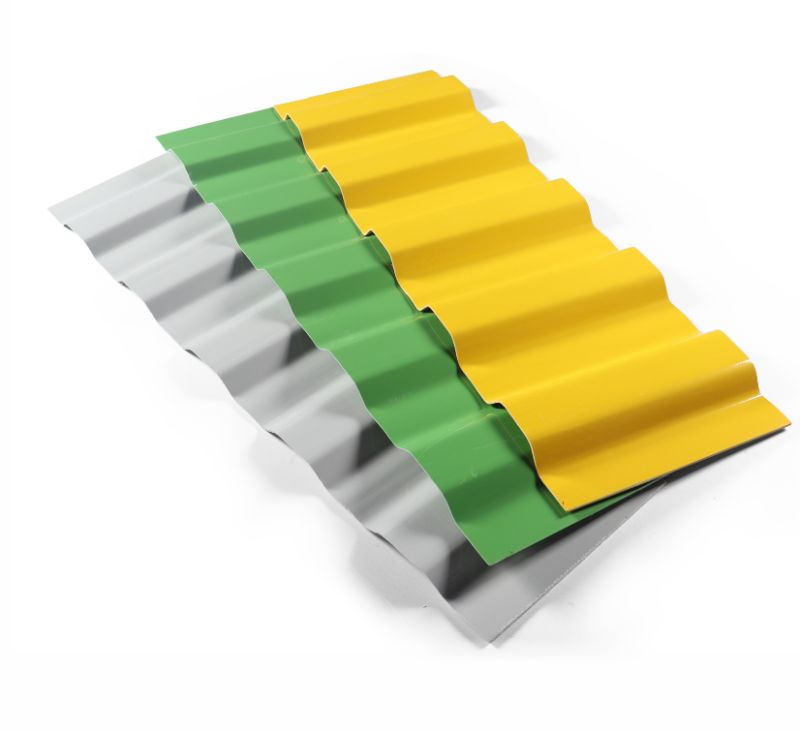
بلاط أسقف من الألياف الزجاجية
بلاط الأسقف المصنوع من الألياف الزجاجية هو مكون عالي الأداء وخفيف الوزن، يُصنع باستخدام خيوط متصلة من الألياف الزجاجية مغمورة في مصفوفة من الراتنج المتصلد حرارياً. مصمم لتحمل الظروف الجوية القاسية...

-
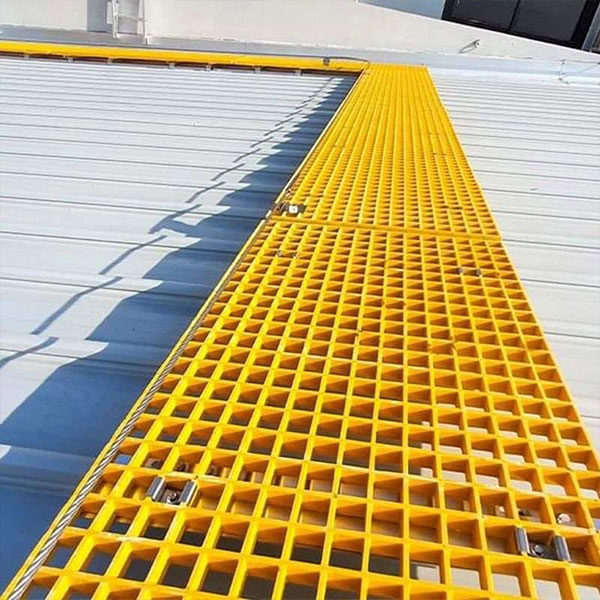
مقضب البلاستيك
تُعدّ الشبكة البلاستيكية، والمعروفة أيضاً باسم شبكة البلاستيك المقوى بالألياف الزجاجية (FRP)، بديلاً عصرياً للشبكات المعدنية التقليدية. وهي مصنوعة من خيوط الألياف الزجاجية المدمجة في حصيرة من الراتنج المتصلد بالحرارة...
-
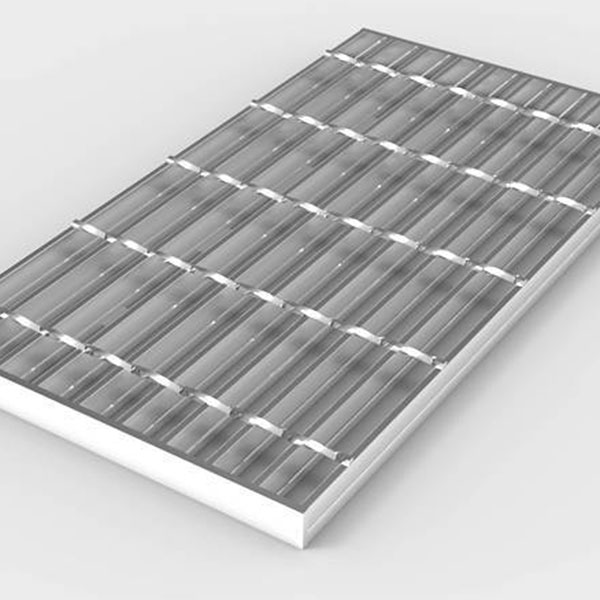
شبكة معدنية
تُعدّ الشبكات المعدنية مادة متينة وعالية القوة، وتُستخدم على نطاق واسع في التطبيقات الصناعية والتجارية والمعمارية. وهي مصنوعة من مواد مثل الفولاذ الكربوني، والفولاذ المجلفن، والألومنيوم...
-
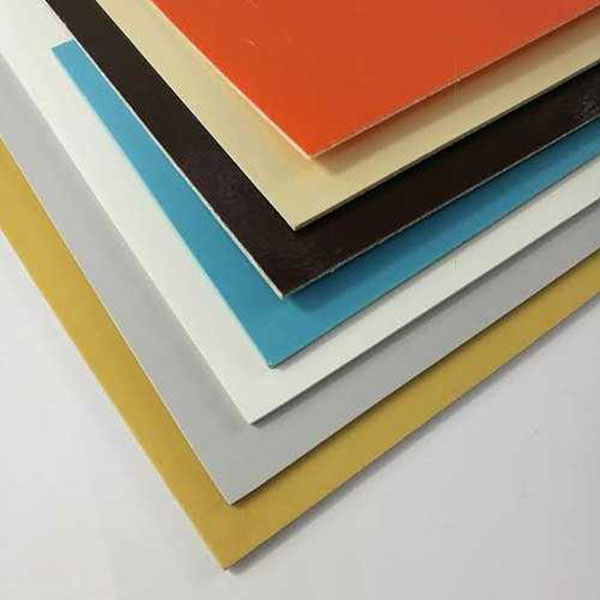
ألواح الألياف الزجاجية المقواة بالبلاستيك
ألواح البوليمر المقوى بالألياف (FRP) هي ألواح مركبة مسطحة مصنوعة من مزيج من الألياف المقوية - عادةً ما تكون ألياف زجاجية (زجاج E) - ومصفوفة راتنج بوليمر مثل البوليستر، ...
-
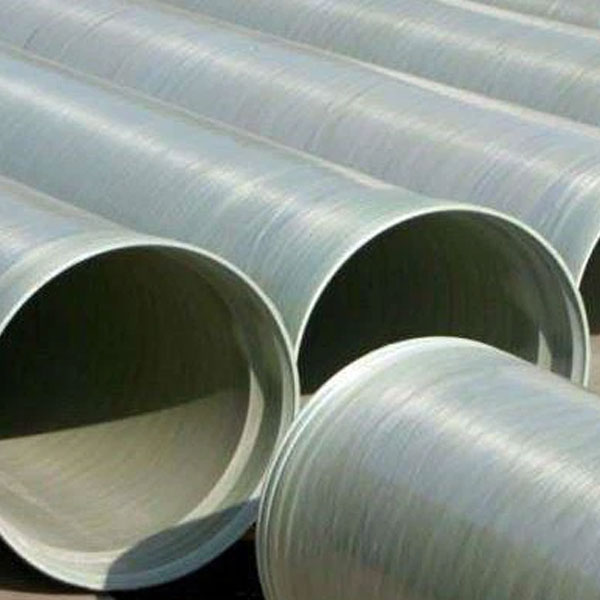
أنابيب FRP
أنابيب البوليمر المقوى بالألياف (FRP) هي أنابيب مركبة عالية الأداء مصنوعة من مزيج من ألياف تقوية قوية - عادةً ما تكون من الزجاج أو الكربون أو الأراميد - مغمورة في راتنج حراري...
-
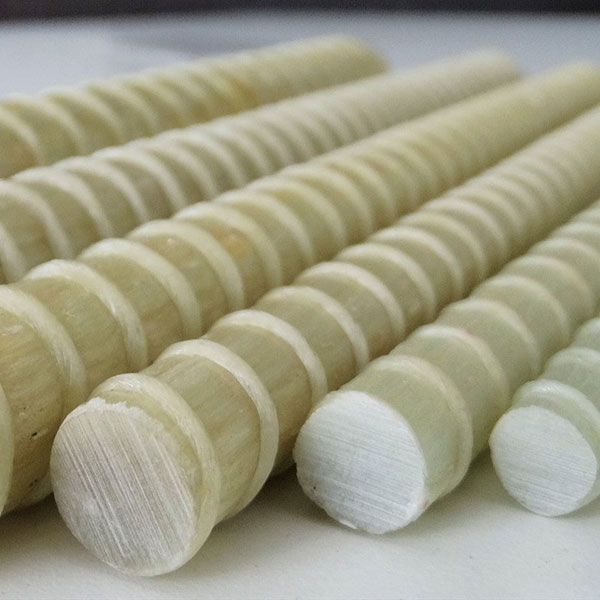
حديد التسليح المصنوع من الألياف الزجاجية المقواة بالبلاستيك والآلات
يُعدّ حديد التسليح المصنوع من البوليمر المقوى بالألياف (FRP) بديلاً عالي الأداء لقضبان التسليح الفولاذية التقليدية المستخدمة في الهياكل الخرسانية. وهو مصنوع من مزيج من الألياف مثل الزجاج والكربون...
-
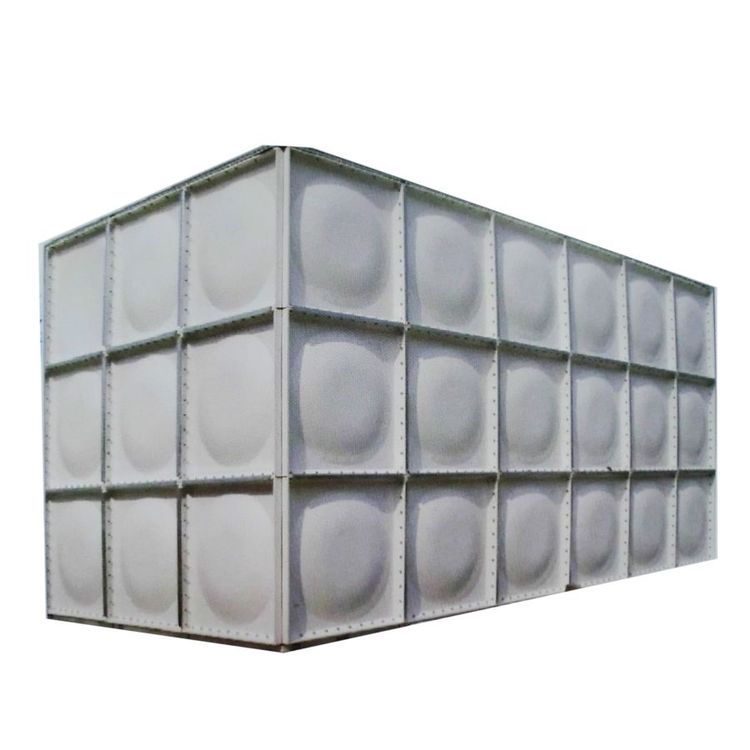
خزان مياه من الألياف الزجاجية المقواة بالبلاستيك
خزانات تخزين المياه المصنوعة من البلاستيك المقوى بالألياف الزجاجية (FRP) هي خزانات عالية الأداء ومقاومة للتآكل، مصممة لتخزين المياه بشكل آمن وطويل الأمد في مجموعة واسعة من التطبيقات.
-

أقفاص سلالم من الألياف الزجاجية المقواة بالبلاستيك
أقفاص السلالم المصنوعة من البلاستيك المقوى بالألياف (FRP) هي حواجز أمان واقية تُركّب حول السلالم الرأسية الثابتة، وتوفر حماية أساسية من السقوط للعاملين في المرتفعات. هذه الأقفاص...