


-
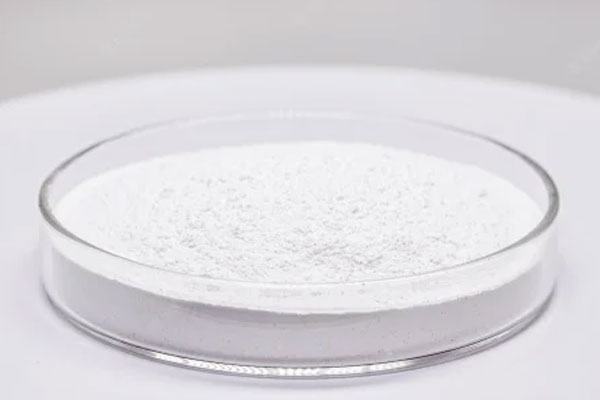
مسحوق بيروكسيد البنزويل
Benzoyl Peroxide (BPO) is a white, crystalline powder known for its strong oxidizing properties. It serves as a free radical initiator in polymerization processes and is utilized across various industries, including plastics, pharmaceuticals, and cosmetics.
مقدمة عن أداء المنتج
2. Chemical Identity
-
الاسم الكيميائي: Benzoyl Peroxide
-
رقم CAS: 94-36-0
-
Molecular Formula: C₁₄H₁₀O₄
-
Molecular Weight: 242.23 g/mol
-
Synonyms: Dibenzoyl Peroxide, BPO, Benzoic Peroxyanhydride
3. Physical and Chemical Properties
| ملكية | قيمة |
|---|---|
| مظهر | White crystalline powder |
| Odor | Odorless |
| نقطة الانصهار | 103–106 °C |
| Boiling Point | Decomposes before boiling |
| كثافة | 1.16 g/cm³ at 25 °C |
| Vapor Pressure | 0.009 Pa at 25 °C |
| Solubility in Water | Insoluble |
| Solubility in Organic Solvents | Soluble in acetone, benzene, chloroform; slightly soluble in ethanol |
| نقطة الوميض | >110 °C |
| Decomposition Temperature | 133 °C (1-minute half-life) |
| Activation Energy | ~125.6 kJ/mol |
| Theoretical Active Oxygen Content | 6.62% |
4. Technical Data Sheet (TDS)
4.1. Product Specifications
| معامل | تخصيص |
|---|---|
| Assay (BPO Content) | 75.00–78.00% |
| Water Content | 21.00–25.00% |
| Free Chloride | ≤0.1% |
| Free Acid (as Benzoic Acid) | ≤0.5% |
| مظهر | White granular powder |
| الكثافة الظاهرية | 500–600 kg/m³ |
4.2. Thermal Decomposition Data
| Half-Life | درجة حرارة |
|---|---|
| 10 hours | 72–73 °C |
| 1 hour | 92 °C |
| 1 minute | 131 °C |
5. التطبيقات
5.1. Polymer Industry
-
Initiator for Polymerization: BPO is widely used to initiate the polymerization of monomers like styrene, methyl methacrylate, and acrylates in the production of plastics, resins, and adhesives.
5.2. Composite Materials
-
Curing Agent: In unsaturated polyester and vinyl ester resins, BPO acts as a curing agent, facilitating cross-linking during the fabrication of fiberglass-reinforced plastics.
5.3. Pharmaceuticals and Cosmetics
-
Acne Treatment: BPO is a common active ingredient in topical acne medications due to its antibacterial properties.
5.4. Food Industry
-
Bleaching Agent: BPO is employed to bleach flour, whey, and cheese products, improving their appearance.
6. Safety and Handling
6.1. Hazards Identification
-
Oxidizing Agent: BPO is a strong oxidizer and can pose fire and explosion hazards, especially when dry or in contact with combustible materials.
-
Health Hazards: Exposure may cause skin and eye irritation. Inhalation of dust can irritate the respiratory tract.
6.2. Exposure Limits
-
NIOSH Recommended Exposure Limit (REL): TWA 5 mg/m³
-
OSHA Permissible Exposure Limit (PEL): TWA 5 mg/m³
-
Immediately Dangerous to Life or Health (IDLH): 1500 mg/m³
6.3. Personal Protective Equipment (PPE)
-
Eye Protection: Safety goggles or face shield
-
Skin Protection: Protective gloves and clothing
-
Respiratory Protection: Dust mask or respirator in case of inadequate ventilation
6.4. First Aid Measures
-
Inhalation: Move to fresh air. Seek medical attention if symptoms persist.
-
Skin Contact: Wash with soap and water. Remove contaminated clothing.
-
Eye Contact: Rinse cautiously with water for several minutes. Seek medical advice.
-
Ingestion: Do not induce vomiting. Seek immediate medical attention.
7. Storage and Stability
-
شروط التخزين: Store in a cool, dry, well-ventilated area away from heat sources and direct sunlight.
-
Temperature: Maintain storage temperature below 30 °C.
-
التعبئة والتغليف: Typically available in 20 kg or 25 kg containers with inner polyethylene bags and outer fiber drums or cartons.
-
Stability: BPO is stable under recommended storage conditions but decomposes upon heating, shock, or friction.
8. Regulatory Information
-
UN Number: 3104 (for BPO with ≥52% content)
-
Hazard Class: 5.2 (Organic Peroxides)
-
Packing Group: II
-
Regulatory Listings: BPO is listed under various regulatory frameworks, including REACH, TSCA, and OSHA.
9. Environmental Impact
-
Ecotoxicity: BPO is harmful to aquatic life with long-lasting effects.
-
Degradability: It decomposes into benzoic acid and oxygen, which can contribute to environmental oxygen demand.
10. Conclusion
Benzoyl Peroxide powder is a versatile chemical with applications spanning multiple industries. Its efficacy as a polymerization initiator and curing agent makes it invaluable in manufacturing processes. However, due to its reactive nature, strict adherence to safety guidelines is imperative to ensure safe handling and storage.
مسحوق بيروكسيد البنزويل
مسلسل :
منتجات البروكسي>طلب
Polymer Industry,Composite Materials,Pharmaceuticals and Cosmetics,Food Industry
اسم العلامة التجارية :
TF مركب
اسم المنتج :
مسحوق بيروكسيد البنزويل


التعليمات
س:
ما هي استخدامات معجون بيروكسيد البنزويل في صناعة الألياف الزجاجية؟
أ :
تُستخدم عجينة بيروكسيد البنزويل (BPO) بشكل أساسي كمحفز للتصلب لراتنجات البوليستر غير المشبعة وراتنجات فينيل الإستر. وهي تساعد في بدء عملية البلمرة في طرق تصنيع الألياف الزجاجية المختلفة مثل التشكيل اليدوي، والرش، والسحب، والصب، ولف الخيوط.
س:
لماذا يُستخدم بيروكسيد البنزويل على شكل معجون بدلاً من مسحوق؟
أ :
أكثر أمانًا (خطر أقل للانفجار أو الحريق) أسهل في التعامل والخلط أقل غبارًا أكثر استقرارًا أثناء التخزين والنقل
س:
هل يمكن استخدام معجون بيروكسيد البنزويل وحده للمعالجة؟
أ :
لا، معجون بيروكسيد البنزويل يتطلب مُحفزًا/مُسرعًا - وهو في الغالب أوكتوات الكوبالت - ليتحلل بشكل صحيح ويولد جذورًا حرة للتصلب.
س:
ما هي الجرعة النموذجية لمعجون بيروكسيد البنزويل في إنتاج الألياف الزجاجية؟
أ :
الجرعة القياسية عادة ما تكون 1.0% – 2.5% حسب وزن الراتنج، وذلك اعتمادًا على نوع الراتنج وسرعة المعالجة المطلوبة ودرجة الحرارة.
المنتجات الأخرى ذات الصلة
-
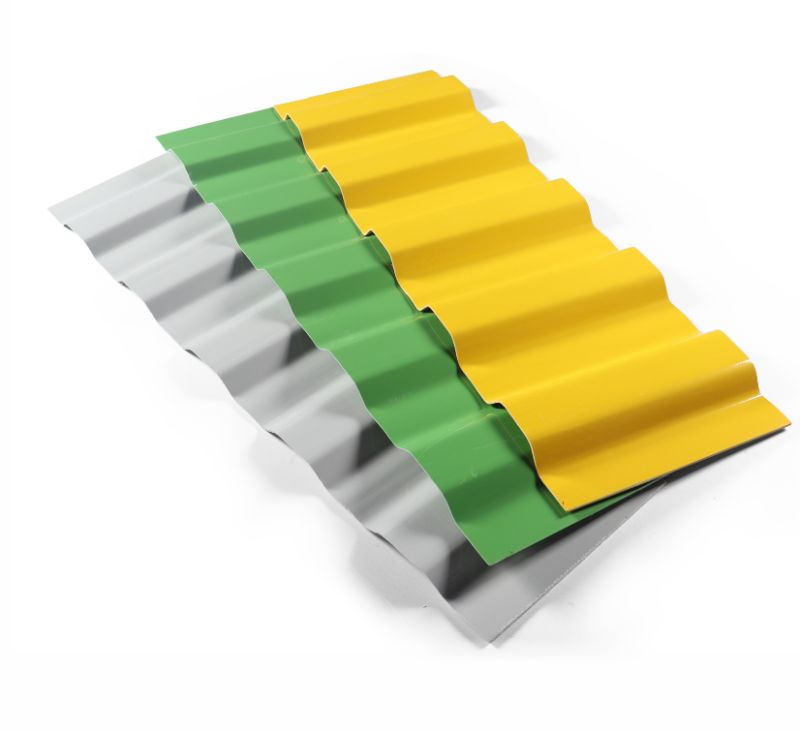
بلاط أسقف من الألياف الزجاجية
بلاط الأسقف المصنوع من الألياف الزجاجية هو مكون عالي الأداء وخفيف الوزن، يُصنع باستخدام خيوط متصلة من الألياف الزجاجية مغمورة في مصفوفة من الراتنج المتصلد حرارياً. مصمم لتحمل الظروف الجوية القاسية...

-
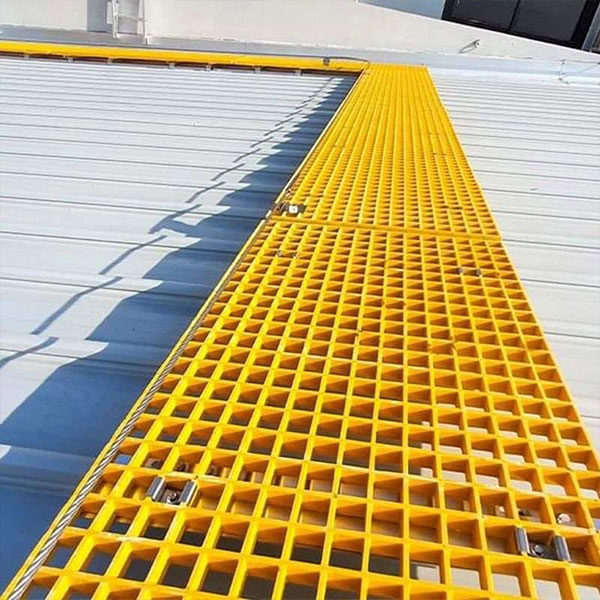
مقضب البلاستيك
تُعدّ الشبكة البلاستيكية، والمعروفة أيضاً باسم شبكة البلاستيك المقوى بالألياف الزجاجية (FRP)، بديلاً عصرياً للشبكات المعدنية التقليدية. وهي مصنوعة من خيوط الألياف الزجاجية المدمجة في حصيرة من الراتنج المتصلد بالحرارة...
-
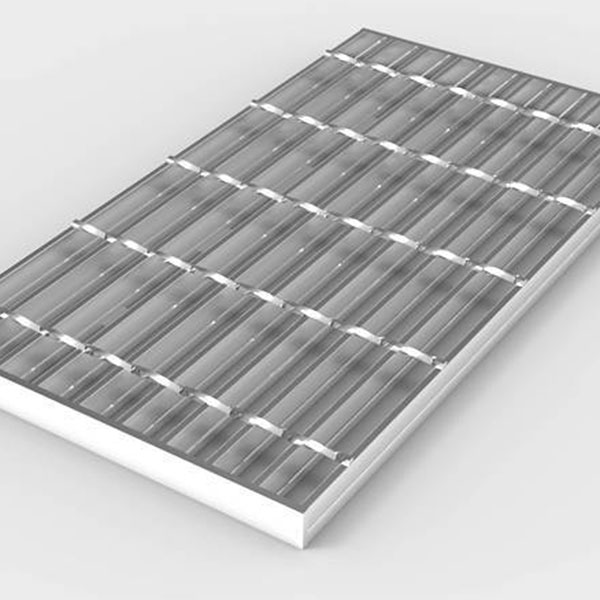
شبكة معدنية
تُعدّ الشبكات المعدنية مادة متينة وعالية القوة، وتُستخدم على نطاق واسع في التطبيقات الصناعية والتجارية والمعمارية. وهي مصنوعة من مواد مثل الفولاذ الكربوني، والفولاذ المجلفن، والألومنيوم...
-
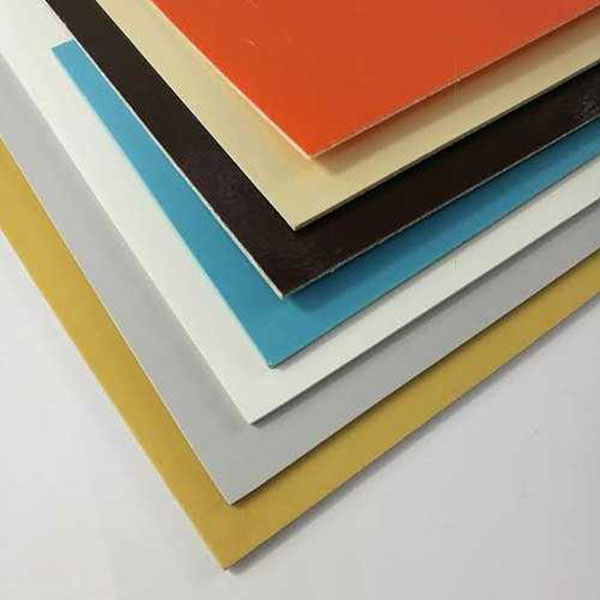
ألواح الألياف الزجاجية المقواة بالبلاستيك
ألواح البوليمر المقوى بالألياف (FRP) هي ألواح مركبة مسطحة مصنوعة من مزيج من الألياف المقوية - عادةً ما تكون ألياف زجاجية (زجاج E) - ومصفوفة راتنج بوليمر مثل البوليستر، ...
-
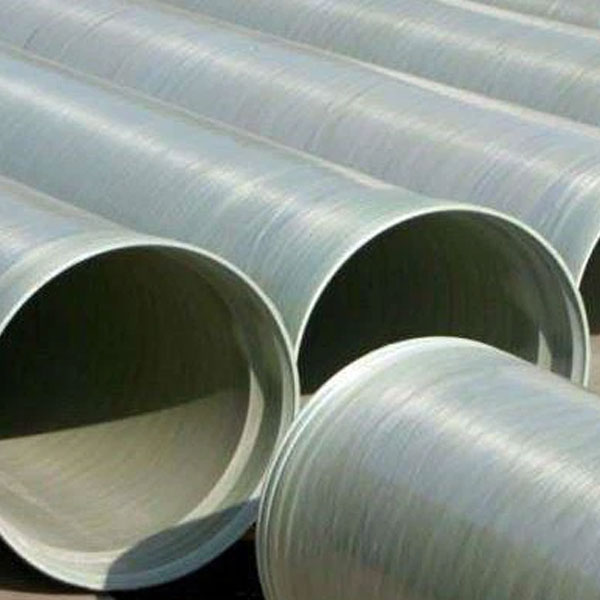
أنابيب FRP
أنابيب البوليمر المقوى بالألياف (FRP) هي أنابيب مركبة عالية الأداء مصنوعة من مزيج من ألياف تقوية قوية - عادةً ما تكون من الزجاج أو الكربون أو الأراميد - مغمورة في راتنج حراري...
-
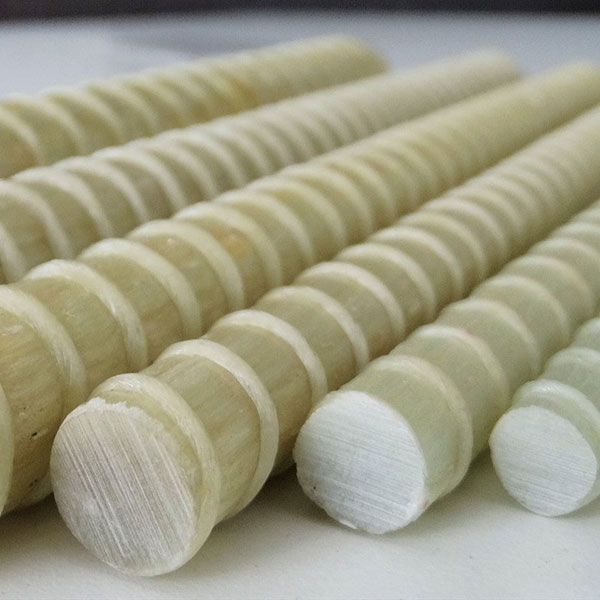
حديد التسليح المصنوع من الألياف الزجاجية المقواة بالبلاستيك والآلات
يُعدّ حديد التسليح المصنوع من البوليمر المقوى بالألياف (FRP) بديلاً عالي الأداء لقضبان التسليح الفولاذية التقليدية المستخدمة في الهياكل الخرسانية. وهو مصنوع من مزيج من الألياف مثل الزجاج والكربون...
-
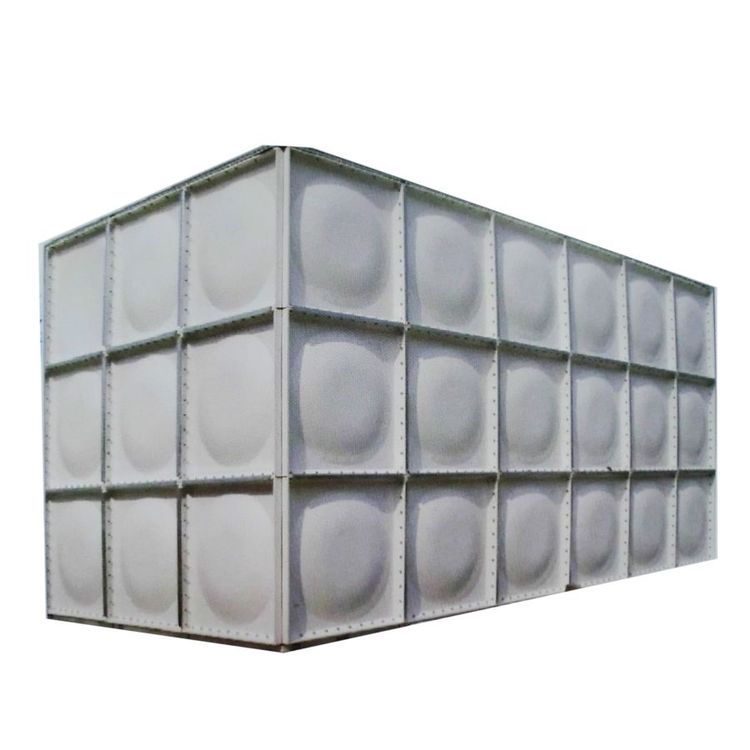
خزان مياه من الألياف الزجاجية المقواة بالبلاستيك
خزانات تخزين المياه المصنوعة من البلاستيك المقوى بالألياف الزجاجية (FRP) هي خزانات عالية الأداء ومقاومة للتآكل، مصممة لتخزين المياه بشكل آمن وطويل الأمد في مجموعة واسعة من التطبيقات.
-

أقفاص سلالم من الألياف الزجاجية المقواة بالبلاستيك
أقفاص السلالم المصنوعة من البلاستيك المقوى بالألياف (FRP) هي حواجز أمان واقية تُركّب حول السلالم الرأسية الثابتة، وتوفر حماية أساسية من السقوط للعاملين في المرتفعات. هذه الأقفاص...