


-
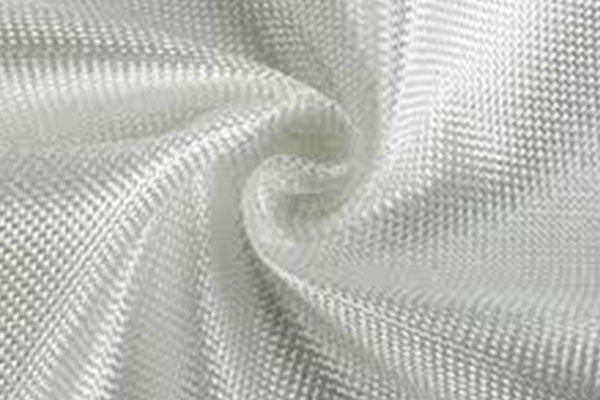
Glasfasergewebe
-
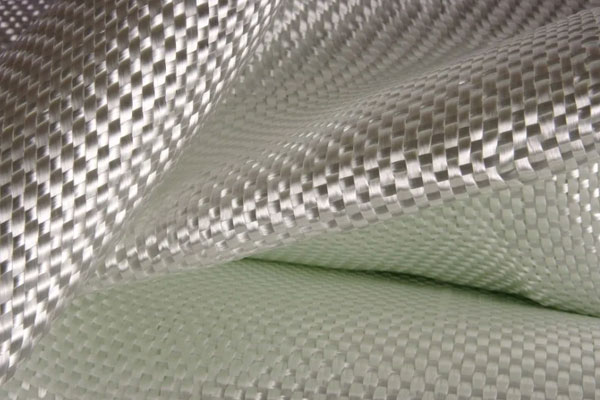
Glasfasergewebe
Glasfasergewebe Es handelt sich um ein Hochleistungstextilmaterial, das aus verflochtenen Bündeln von Endlosglasfasern hergestellt wird. Aufgrund seines außergewöhnlichen Festigkeits-Gewichts-Verhältnisses, seiner Dimensionsstabilität und seiner Beständigkeit gegenüber Temperatur und chemischen Einflüssen findet es in einer Vielzahl von Branchen breite Anwendung.
Einführung zur Produktleistung
Glasfasergewebe wird durch präzise Webtechniken hergestellt und ist in verschiedenen Gewichten, Webarten und Ausführungen erhältlich. Dies ermöglicht hochgradig individualisierbare Lösungen in Branchen von der Luft- und Raumfahrt über das Bauwesen, die Schifffahrt und die Elektronik bis hin zur Automobilindustrie.
2. 🎯 Wichtigste Anwendungsbereiche
Glasfasergewebe dient als Verstärkungsmedium oder Barriereschicht in:
-
Verbundwerkstoffherstellung (z. B. GFK-Platten, Rohre, Tanks, Boote)
-
Elektrische Isolierung (Transformatorwicklung, Leiterplattensubstrat)
-
Wärmedämmung (Hitzeschutzbleche, Motorraumauskleidungen)
-
Konstruktion (Dachbahnen, Putzarmierung, Wandpaneele)
-
Luft- und Raumfahrt (Flugzeuginnenverkleidungen, Luftkanäle, Verkleidungen)
-
Automobilindustrie (Hybrid-Prepregs aus Kohlefaser, Schalldämpferschutz)
-
Korrosionsschutz (Auskleidungen für Stahltanks und -rohre)
3. 🛠️ Produktmerkmale und Vorteile
| Besonderheit | Beschreibung |
|---|---|
| Hohes Verhältnis von Festigkeit zu Gewicht | Ideal zur strukturellen Verstärkung ohne zusätzliche Masse |
| Ausgezeichnete Dimensionsstabilität | Behält seine Form auch unter hoher thermischer oder mechanischer Belastung bei. |
| Thermischer Widerstand | Funktioniert effektiv bei Temperaturen bis zu 550°C (je nach Güteklasse). |
| Chemische Resistenz | Beständig gegen Säuren, Laugen, Lösungsmittel und Feuchtigkeit |
| Elektrische Isolierung | Bietet hohe Durchschlagsfestigkeit und geringe Leitfähigkeit |
| Feuerdämmend | Von Natur aus nicht brennbar; erfüllt die Normen für Flammwidrigkeit. |
| UV- und Witterungsbeständigkeit | Geeignet für die langfristige Außenbewitterung bei entsprechender Oberflächenbehandlung. |
| Vielseitigkeit | Kompatibel mit Polyester-, Vinylester-, Epoxid-, Phenol- und anderen Harzen. |
4. 🔍 Technisches Datenblatt (TDS)
| Eigentum | Wert (typisch) | Testmethode |
|---|---|---|
| Fasertyp | E-Glas | – |
| Flechtstil | Leinwand / Köper / Satin | – |
| Garnart | EC9 / DE75 / DE110 usw. | – |
| Stoffgewicht | 200 – 1200 g/m² | ASTM D3776 |
| Dicke | 0,1 – 1,5 mm | ASTM D1777 |
| Zugfestigkeit (Kette/Schuss) | 300 – 900 N/25 mm | ASTM D5035 |
| Dehnung beim Bruch | < 4% | ASTM D5035 |
| Feuchtigkeitsgehalt | ≤ 0,2% | ASTM D4029 |
| Betriebstemperatur | -100 °C bis +550 °C | – |
| Elektrische Durchschlagsfestigkeit | ≥ 6 kV/mm | ASTM D149 |
| Harzkompatibilität | Polyester, Epoxidharz, Phenolharz, Vinylester | – |
| Flammbeständigkeit | Selbstverlöschend (E-Glas) | UL 94 V0-konform |
| Standardrollenbreite | 1000 mm / 1250 mm / 2000 mm | – |
| Rollenlänge | Anpassbar (typischerweise 50–200 m) | – |
5. 🧬 Verfügbare Webmuster
-
Leinwandbindung
-
Über-Unter-Verflechtungsmuster
-
Die stabilste und ausgeglichenste Struktur
-
Einfache Handhabung und minimales Ausfransen
-
-
Köperbindung
-
Diagonales Muster
-
Flexibel und drapierbar
-
Häufig bei komplexen Gussformen
-
-
Satinbindung (z. B. 4H/8H)
-
Hohe Oberflächenglätte
-
Gute Anpassungsfähigkeit
-
Bevorzugt für kosmetische Anwendungen
-
6. 🆚 Glasfasergewebe vs. andere Materialien
| Eigentum | Glasfasergewebe | Kohlefasergewebe | Kevlar-Gewebe | Aluminiumblech |
|---|---|---|---|---|
| Kraft/Gewicht | Hoch | Sehr hoch | Hoch | Medium |
| Thermischer Widerstand | Hoch | Medium | Medium | Niedrig |
| Kosten | Mäßig | Hoch | Hoch | Niedrig |
| Elektrische Isolierung | Exzellent | Leitfähig | Gut | Leitfähig |
| Chemische Resistenz | Exzellent | Mäßig | Exzellent | Arm |
| Brennbarkeit | Nicht entflammbar | Brennbar | Nicht entflammbar | Brennbar |
7. 🧊 Empfehlungen zur Lagerung und Handhabung
-
Trocken und kühl lagern (15–30 °C).
-
Direkte UV-Strahlung und Feuchtigkeit vermeiden
-
Bis zur Verwendung in der Originalverpackung aufbewahren.
-
Tragen Sie Handschuhe, um Hautirritationen zu vermeiden.
-
Für saubere Kanten mit scharfen Klingen oder Rollschneidern schneiden.
8. 🧪 Harzimprägnierung und Laminierung
Glasfasergewebe kann verwendet werden mit:
-
Handlaminieren oder Spritzlaminieren
-
Vakuuminfusion (VARTM)
-
Pultrusion / Filamentwicklung
-
Prepreg-Laminierung (mit B-Phase-Epoxidharz)
Das Harzsystem kann die Eigenschaften des Endprodukts maßgeblich beeinflussen. Für Hochtemperaturanwendungen werden Epoxid- oder Phenolharzsysteme empfohlen.
9. ⚠️ Sicherheitshinweise
-
Vorsichtig handhaben, um Hautkontakt oder das Einatmen von Fasern zu vermeiden.
-
Geeignete Schutzausrüstung verwenden (Handschuhe, Schutzbrille, Staubmaske).
-
Schneiden Sie in einem gut belüfteten Bereich oder unter Absaugung.
-
Glasfasergewebe darf nicht verbrannt oder eingeäschert werden (Glasfasern können schmelzen und Harz verdampfen).
10. 📦 Verpackungsoptionen
-
Kraftpapierrollen
-
PE-Folie mit Trockenmittelbeuteln
-
Palettiert mit Kantenschutz
-
Kundenspezifische Etiketten mit Chargenverfolgung und Spezifikationen
11. ❓ Häufig gestellte Fragen
Frage 1: Kann Fiberglasgewebe im Freien verwendet werden?
Ja, mit der richtigen Harzmatrix oder UV-beständigen Beschichtung eignet es sich gut für den Einsatz im Freien.
Frage 2: Ist Fiberglasgewebe wasserdicht?
Die Glasfasern selbst sind inert und feuchtigkeitsbeständig. Das gesamte Gewebe bildet jedoch keine Dampfsperre, sofern es nicht mit Harz imprägniert ist.
Frage 3: Kann es lackiert werden?
Ja. Nach dem Aushärten des Harzes kann das Laminat geschliffen und mit kompatiblen Lacken gestrichen werden.
Frage 4: Wie lange ist das Produkt haltbar?
Bei sachgemäßer Lagerung ist Glasfasergewebe unbegrenzt haltbar. Epoxid-Prepreg-Varianten hingegen haben je nach Lagerbedingungen typischerweise eine Haltbarkeit von 6–12 Monaten.
Glasfasergewebe
Serie :
Glasfasergewebe >Anwendung
Luft- und Raumfahrt: Verwendung in leichten Verbundstrukturen wie Tragflächen, Rumpfteilen und Innenausstattungen. Automobilindustrie: Vernähte Glasfasergewebe werden in Karosserieteilen, verstärkten Fahrgestellen und anderen Strukturbauteilen der Automobilindustrie eingesetzt. Schiffbau: Ideal für Bootsrümpfe, Decks und andere maritime Konstruktionen, bei denen Festigkeit sowie Wasser- und Korrosionsbeständigkeit entscheidend sind. Windenergie: Verwendung beim Bau von Windkraftanlagenflügeln, wo hohe Festigkeit und geringes Gewicht unerlässlich sind. Sportgeräte: Verwendung zur Verstärkung von Geräten wie Fahrradrahmen, Skistöcken und Snowboards. Bauwesen: Einsatz zur Verstärkung von Betonkonstruktionen oder anderen Verbundbaustoffen.
Markenname :
TF-Verbundwerkstoff
Produktname :
Glasfasergewebe


FAQ
Q :
Lässt sich Fiberglasgewebe auf individuelle Breiten oder Formen zuschneiden?
A :
Ja. Glasfasergewebe lässt sich mithilfe von Industrieschneidmaschinen, Laserschneidern oder durch manuelles Zuschneiden problemlos anpassen. Für Anwendungen mit hohen Präzisionsanforderungen (z. B. Leiterplatten oder Luft- und Raumfahrt) empfiehlt sich Wasserstrahl- oder CNC-Schneiden. Hersteller liefern auf Anfrage auch Rollen in individuellen Breiten.
Q :
Ist Glasfasergewebe sicher zu berühren und in Innenräumen zu verwenden?
A :
Grundsätzlich ja, jedoch kann der direkte Kontakt aufgrund feiner Glasfasern leichte Hautreizungen verursachen. Es wird empfohlen, Handschuhe und langärmlige Kleidung zu tragen. Nach dem Einbetten in Harz ist das Material inert und unbedenklich für Innen- und Außenbereiche, einschließlich Wohn- und Gewerberäumen.
Q :
Welches Harzsystem eignet sich am besten für Glasfasergewebe?
A :
Es hängt von der Anwendung ab: Polyester/Vinylester für Allzweck-Verbundwerkstoffe und Korrosionsbeständigkeit, Epoxidharz für hochfeste Anwendungen in der Luft- und Raumfahrt oder Elektrotechnik, Phenolharz für Feuerbeständigkeit und Wärmedämmung. Achten Sie auf vollständige Benetzung und Kompatibilität zwischen Harz und Gewebe.
Q :
Wie verhält sich Glasfasergewebe bei extremen Temperaturen?
A :
Glasfasergewebe hält bei E-Glas-Varianten Dauertemperaturen bis zu 550 °C stand. Für noch höhere Beständigkeit empfiehlt sich Gewebe aus S-Glas oder Quarzglas. Es behält auch bei Temperaturwechseln seine Festigkeit und Form und eignet sich daher ideal für Brandschutz, Isolierung oder Abgasanlagen.
Q :
Kann Glasfasergewebe wiederverwendet oder recycelt werden?
A :
Glasfaserverbundwerkstoffe sind nach dem Imprägnieren und Aushärten nur schwer recycelbar. Saubere, unbenutzte Glasfasergewebereste können jedoch für Reparaturen, Verstärkungen oder die Herstellung von Formteilen wiederverwendet werden. Die Industrie arbeitet kontinuierlich an der Verbesserung der Recyclingmethoden für Verbundwerkstoffe.
Andere verwandte Produkte
-
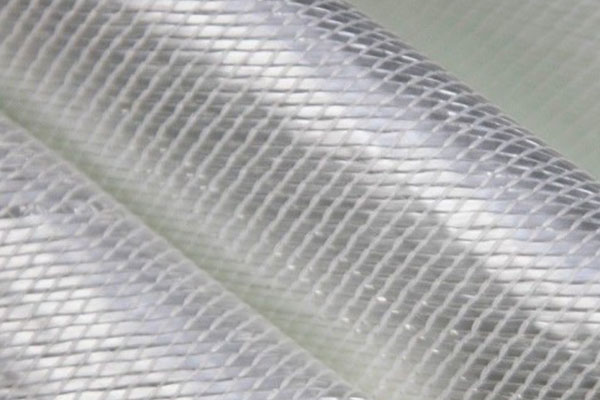
Glasfaser-genähtes Gewebe
Der Vernähprozess hält die Fasern nicht nur zusammen, sondern trägt auch zu einer gleichmäßigeren Spannungsverteilung im Gewebe bei. Dadurch bieten vernähte Glasfasergewebe überlegene mechanische Eigenschaften.

-
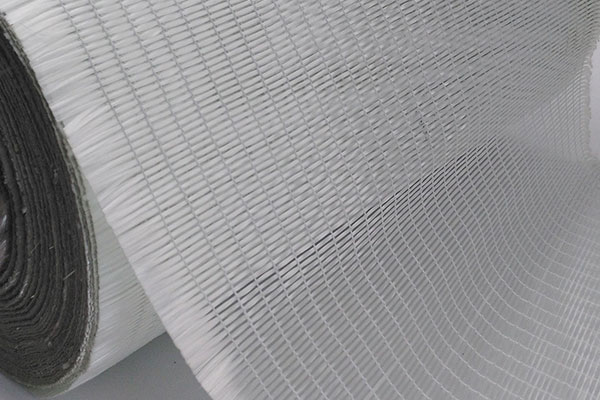
Glasfaser-Unidirektionales Gewebe
Unidirektionales Glasfasergewebe wird am häufigsten in Anwendungen eingesetzt, die eine hohe Zugfestigkeit und ein geringes Gewicht erfordern, wie beispielsweise in der Luft- und Raumfahrt, der Automobilindustrie, der Schifffahrt und der Sportgeräteindustrie.
-
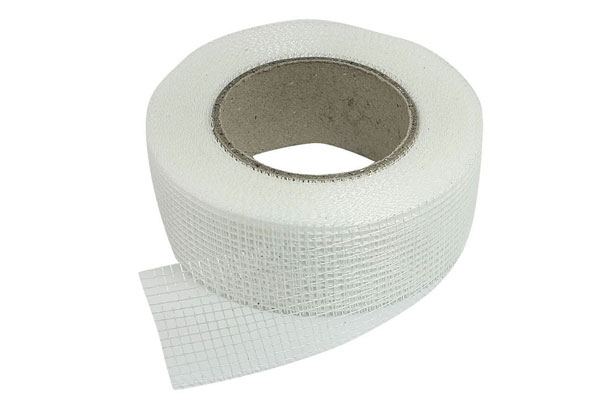
Glasfaserband
Fiberglasgewebe ist typischerweise ein gewebtes Textil, das aus endlosen Glasfaserfäden besteht, was ihm bemerkenswerte Festigkeit und Flexibilität verleiht. Es ist in verschiedenen Webarten erhältlich (z. B. Karomuster).
-
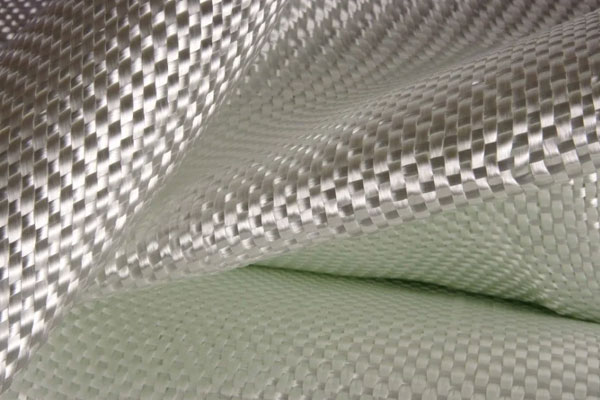
Glasfasergewebe
Glasfasergewebe findet breite Anwendung in der Verbundwerkstoffherstellung, unter anderem in Bereichen wie Luft- und Raumfahrt, Automobilindustrie, Schiffbau, Industrie, Bauwesen und elektrische Isolierung. Es ist bekannt für seine...