


-
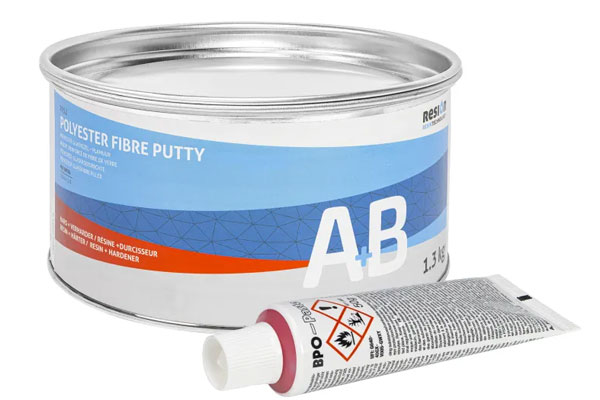
Glasfaser-Hilfsmaterial BPO-Paste
Benzoyl Peroxide (BPO) Paste is a widely used auxiliary agent in the composite industry, particularly in the manufacturing and processing of glass fiber reinforced plastics (GFRP). Functioning primarily as a free radical initiator, BPO paste plays a vital role in initiating the polymerization of unsaturated polyester (UPR) and vinyl ester resins, essential for curing thermosetting resin systems.
Einführung zur Produktleistung
Its paste form—BPO suspended in a plasticizer or carrier such as phthalate or dicyclopentadiene (DCPD)—makes it easier to handle, safer, and more compatible with various production environments, especially those involving Handlaminierung, Sprühen, Pultrusionsverfahren, filament winding, Und casting applications.
1. Chemical Composition & Structure
-
Chemische Bezeichnung: Benzoyl Peroxide (C₁₄H₁₀O₄)
-
CAS-Nummer: 94-36-0
-
Bilden: White or off-white paste
-
Typical Concentration: 50-60% active BPO by weight
-
Carrier Material: Commonly phthalate esters (e.g., dioctyl phthalate), DCPD, or non-phthalate plasticizers
-
Stabilization: Stabilized with moisture-absorbing agents, anticaking additives, or thickeners to ensure safe storage and handling
2. Role in Resin Curing
BPO acts as an initiator of polymerization by decomposing into free radicals at elevated temperatures. When used in conjunction with accelerators such as cobalt octoate, it triggers the rapid and exothermic curing of UPR and vinyl ester systems. This reaction is especially critical in:
-
Fiberglass lamination processes
-
Automotive FRP parts
-
Pultruded profiles
-
Transparent castings
-
Marinepaneele
-
Composite bathtubs and sanitaryware
Vorteile:
-
Excellent curing at room and elevated temperatures
-
Stable and predictable reaction profile
-
High compatibility with a broad range of unsaturated resins
3. Product Features and Benefits
| Besonderheit | Beschreibung |
|---|---|
| High activity | 50-60% BPO content ensures efficient initiation |
| Safe formulation | Paste form reduces risk of dust ignition or exposure |
| Improved dispersion | Easy to mix uniformly with base resins |
| Temperature adaptability | Can be used in ambient or elevated temperatures |
| Anpassbar | Formulated with various carriers (phthalate, DCPD, or phthalate-free) |
| Consistent performance | Reproducible curing profiles batch-to-batch |
4. Applications Across Industries
A. FRP Molded Products
BPO paste is a key component in the Formen of FRP components such as tanks, panels, and ducts. It offers consistent curing and ensures mechanical integrity.
B. Hand Lay-Up & Spray-Up
In these methods, BPO paste is used with accelerators to cure each layer of laminate. Its stability and adjustable cure time enhance process efficiency.
C. Pultrusion
Used in continuous manufacturing processes of profiles like rods, bars, ladders, and channels, BPO paste supports fast throughput and low scrap rates.
D. Casting Applications
In clear casting or composite stone, BPO ensures bubble-free, clear finishes with controlled exothermic profiles.
5. Technisches Datenblatt (TDS)
General Properties
| Eigentum | Typischer Wert |
|---|---|
| Aussehen | White to off-white paste |
| Active Content (BPO) | 50% – 60% |
| Density at 20°C | 1.15 – 1.30 g/cm³ |
| pH (aqueous extract) | Neutral to slightly acidic |
| Flammpunkt | >80°C (closed cup) |
| Feuchtigkeitsgehalt | <0,51 TP3T |
| Solubility | Insoluble in water |
| Viscosity (25°C, Brookfield) | 3,000 – 8,000 mPa.s (depends on carrier) |
| Freezing Point | Below 0°C |
Thermal Decomposition Data
| Parameter | Wert |
|---|---|
| Self-Accelerating Decomposition | ~60°C |
| SADT (Safe Storage Temp) | 35°C (recommended max storage temp) |
| Activation Energy (Ea) | Approx. 105 kJ/mol |
6. Safety and Handling Guidelines
Lagerbedingungen
-
Store in original containers away from sunlight and ignition sources
-
Recommended storage temperature: 10°C – 25°C
-
Avoid freezing and exposure to moisture
-
Keep separated from accelerators (e.g., cobalt salts)
Personal Protective Equipment (PPE)
-
Gloves (nitrile or neoprene)
-
Safety goggles
-
Lab coat or apron
-
Proper ventilation during use
Hazards
-
Classified as an oxidizing agent
-
Avoid contamination with heavy metals or reducing agents
-
Can cause skin and eye irritation
-
Explosion risk if heated above decomposition point or subjected to friction
7. Packaging Options
| Package Type | Net Weight | Notes |
|---|---|---|
| PE-lined pail | 5 kg / 10 kg | Sealed and moisture-protected |
| Fiber drum | 25 kg | Large-scale production usage |
| IBC bulk | Individuell | For factory-integrated dosage systems |
8. Compatibility with Accelerators
BPO paste must be used with a suitable accelerator for proper curing. The most common are:
| Accelerator Type | Recommended Dosage | Typical Use Temperature |
|---|---|---|
| Cobalt octoate (1%) | 0.5% – 1.0% | 15 – 35°C |
| DMA (dimethylaniline) | 0.2% – 0.5% | Low-temp conditions |
| Cobalt napthenate | Similar to octoate | Broad resin systems |
Note: Never premix BPO with accelerators—mix into resin separately and in proper sequence.
9. Environmental & Regulatory Compliance
BPO paste is subject to multiple international regulations due to its oxidizing and irritant properties:
-
REACH Registered (Europe)
-
TSCA Listed (USA)
-
GHS Classified (Globally Harmonized System)
-
RoHS-konform for electronics-related GRP usage
-
Transport Classification: UN 3108 (organic peroxide type E, solid)
10. Qualitätssicherung
Manufacturers typically follow ISO 9001:2015 quality systems, ensuring:
-
Raw material traceability
-
Batch consistency
-
In-house QC testing (BPO content, viscosity, stability)
-
Customized formulation options based on resin system or processing temperature
11. Technical Support and Customization
Reputable BPO paste suppliers offer technical support, including:
-
Cure profile analysis
-
Custom-formulated pastes (phthalate-free, low exotherm, fast cure)
-
Lab trials with specific resin systems
-
Safe transportation advice
-
Application troubleshooting and process optimization
Abschluss
BPO paste is an indispensable auxiliary agent in the glass fiber composites industry. Its ability to safely and effectively initiate polymerization has made it a backbone material in fiberglass part manufacturing. Whether used in basic hand lay-up operations or automated pultrusion lines, BPO paste delivers process control, product performance, and production safety.
Glasfaser-Hilfsmaterial BPO-Paste
Serie :
Proxy-Produkte >Anwendung
a. FRP Molded Products BPO paste is a key component in the molding of FRP components such as tanks, panels, and ducts. It offers consistent curing and ensures mechanical integrity. b. Hand Lay-Up & Spray-Up In these methods, BPO paste is used with accelerators to cure each layer of laminate. Its stability and adjustable cure time enhance process efficiency. c. Pultrusion Used in continuous manufacturing processes of profiles like rods, bars, ladders, and channels, BPO paste supports fast throughput and low scrap rates. d. Casting Applications In clear casting or composite stone, BPO ensures bubble-free, clear finishes with controlled exothermic profiles.
Markenname :
TF-Verbundwerkstoff
Produktname :
Glasfaser-Hilfsmaterial BPO-Paste


FAQ
Q :
Wozu wird BPO-Paste in der Glasfaserindustrie verwendet?
A :
BPO-Paste (Benzoylperoxid) wird hauptsächlich als Härtungsinitiator für ungesättigte Polyester- und Vinylesterharze verwendet. Sie unterstützt den Start des Polymerisationsprozesses bei verschiedenen Glasfaserherstellungsverfahren wie Handlaminieren, Spritzlaminieren, Pultrusion, Gießen und Filamentwickeln.
Q :
Warum wird BPO in Pastenform und nicht als Pulver verwendet?
A :
Sicherer (geringeres Explosions- oder Brandrisiko), einfacher zu handhaben und zu mischen, weniger staubig, stabiler bei Lagerung und Transport.
Q :
Kann BPO-Paste allein zum Aushärten verwendet werden?
A :
Nein. BPO-Paste benötigt einen Promotor/Beschleuniger – meist Kobaltoctoat –, um sich ordnungsgemäß zu zersetzen und freie Radikale für die Aushärtung zu erzeugen.
Q :
Welche Dosierung von BPO-Paste wird typischerweise bei der Glasfaserherstellung benötigt?
A :
Die Standarddosierung beträgt üblicherweise 1,0% – 2,5% bezogen auf das Harzgewicht, abhängig von der Harzart, der erforderlichen Aushärtungsgeschwindigkeit und der Temperatur.
Andere verwandte Produkte
-
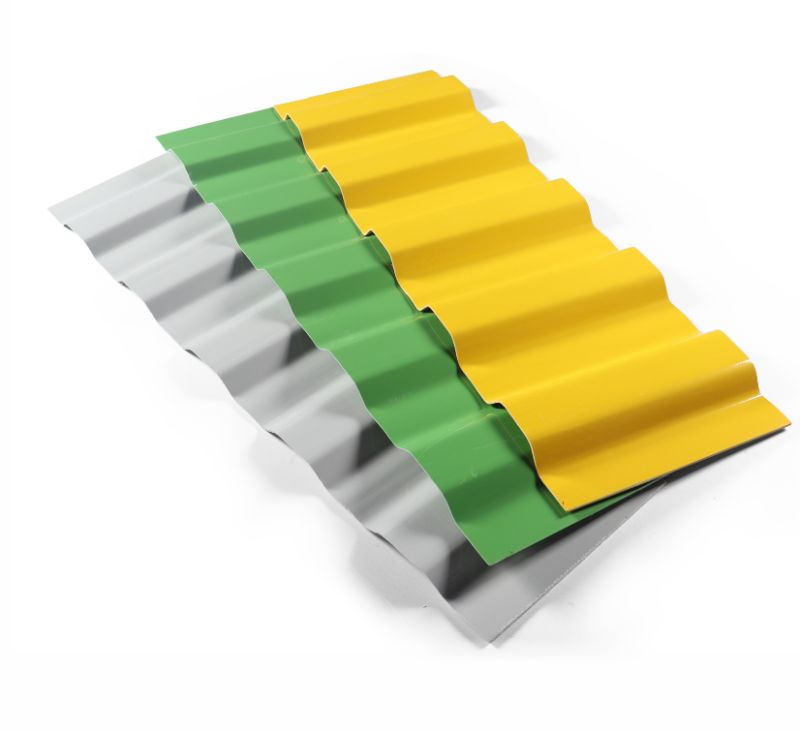
Glasfaser-Dachziegel
Glasfaser-Dachziegel sind leistungsstarke, leichte Dachbauteile, die aus durchgehenden Glasfasersträngen hergestellt werden, die in eine duroplastische Harzmatrix eingebettet sind. Sie sind für hervorragende Witterungsbeständigkeit ausgelegt...

-
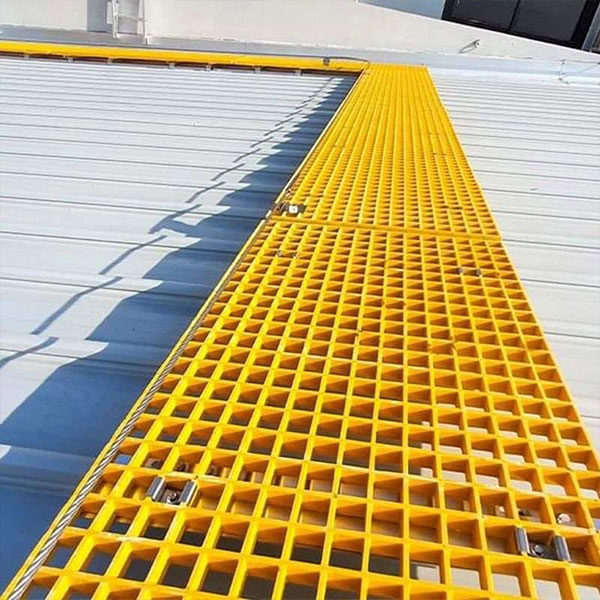
Kunststoffgitter
Kunststoffroste, auch bekannt als GFK-Roste (glasfaserverstärkter Kunststoff), sind eine moderne Alternative zu herkömmlichen Metallrosten. Sie bestehen aus Glasfasersträngen, die in eine duroplastische Harzmatte eingebettet sind….
-
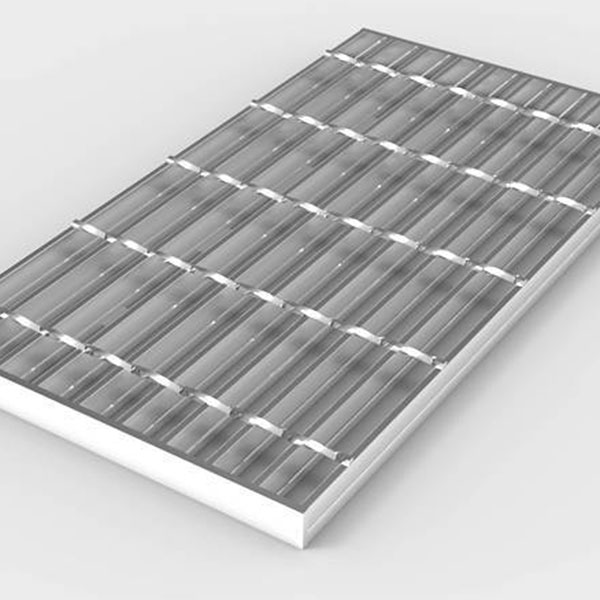
Metallgitter
Metallgitterroste sind ein langlebiges, hochfestes Material, das in Industrie, Gewerbe und Architektur weit verbreitet ist. Sie werden aus Werkstoffen wie Kohlenstoffstahl, verzinktem Stahl, Aluminium usw. hergestellt.
-

GFK-Platten
Faserverstärkte Polymerplatten (FRP-Platten) sind flache Verbundplatten, die aus einer Kombination von Verstärkungsfasern – typischerweise Glasfasern (E-Glas) – und einer Polymerharzmatrix wie Polyester, V... hergestellt werden.
-
FRP-Rohr
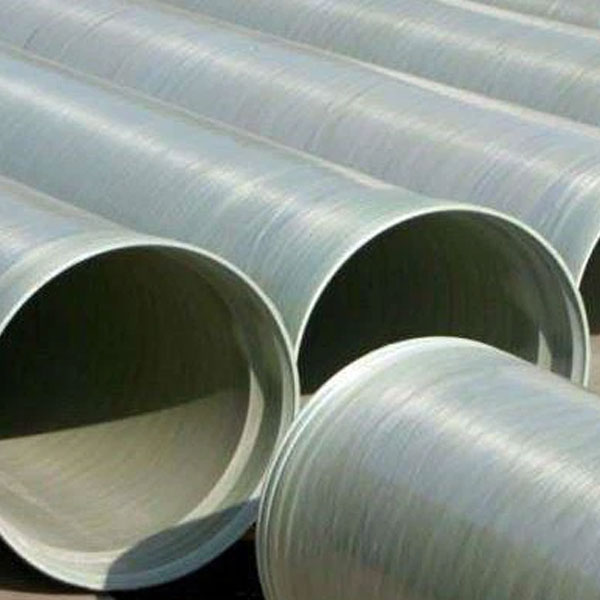
FRP-Rohre (faserverstärkte Polymere) sind Hochleistungsverbundrohre, die aus einer Kombination von starken Verstärkungsfasern – typischerweise Glas, Kohlenstoff oder Aramid – hergestellt werden, die in ein duroplastisches Harz eingebettet sind...
-
GFK-Bewehrungsstahl und Maschine
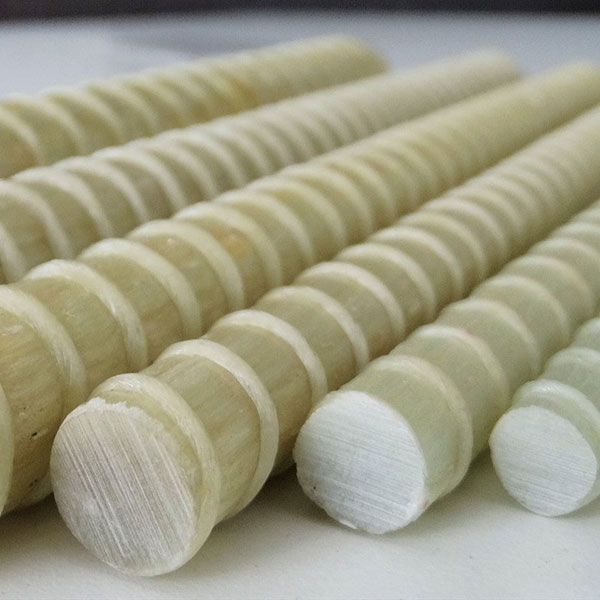
Faserverstärkte Polymerbewehrung (FRP) ist eine leistungsstarke Alternative zu herkömmlichen Stahlbewehrungsstäben im Betonbau. Sie besteht aus einer Kombination von Fasern wie Glas, Kohlenstoff usw.
-
GFK-Wassertank
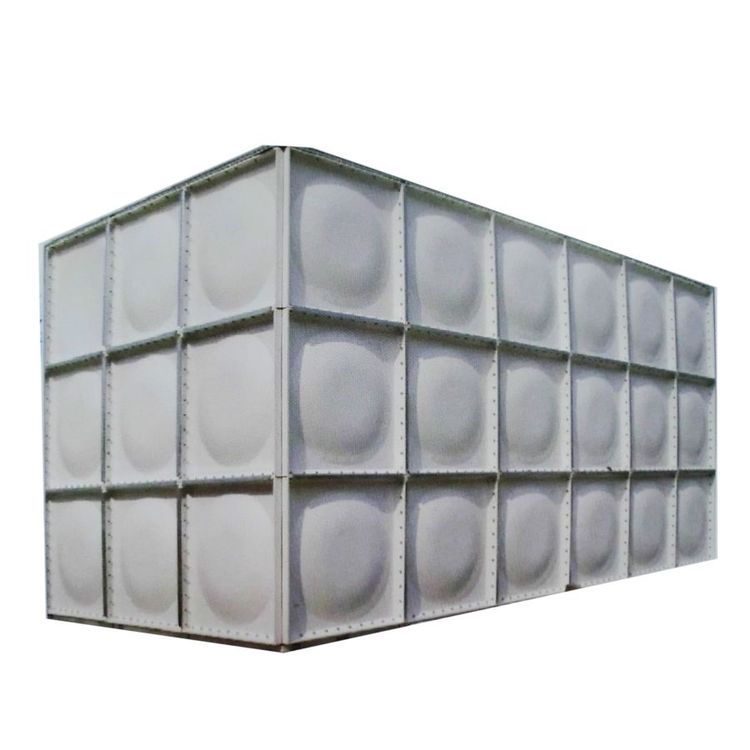
Wasserspeichertanks aus glasfaserverstärktem Kunststoff (GFK) sind leistungsstarke, korrosionsbeständige Behälter, die für die sichere und langfristige Wasserlagerung in einer Vielzahl von Anwendungen entwickelt wurden.
-

GFK-Leitern Käfige
Leiterkäfige aus glasfaserverstärktem Kunststoff (GFK) sind schützende Sicherheitsgehäuse, die um fest installierte, vertikale Leitern montiert werden und einen wesentlichen Absturzschutz für Personen bieten, die in der Höhe arbeiten. Diese Käfige...