


-
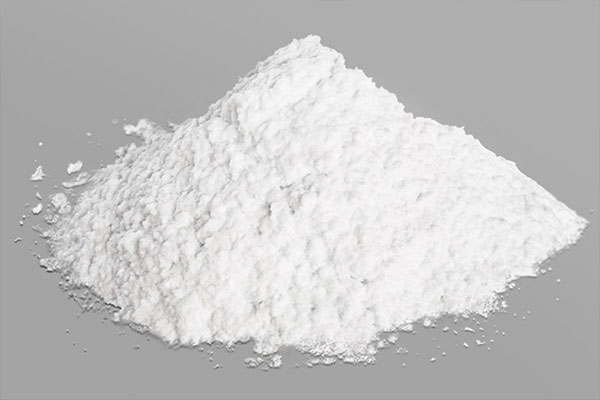
PE-Pulver
PE-Pulver, short for Polyethylene Powder, is a thermoplastic powder made from the polymerization of ethylene monomers. It is widely used in industries due to its chemical inertness, excellent impact strength, and process versatility. PE powder is available in multiple grades and particle sizes tailored for different manufacturing processes, including rotational molding, fluidized bed coating, compounding, Und sintering.
Einführung zur Produktleistung
Depending on the molecular structure and density, PE powder is commonly classified as:
-
Low-Density Polyethylene (LDPE) Powder
-
Linear Low-Density Polyethylene (LLDPE) Powder
-
High-Density Polyethylene (HDPE) Powder
-
Ultra-High Molecular Weight Polyethylene (UHMWPE) Powder
🧪 2. Types and Grades of PE Powder
| Typ | Density Range (g/cm³) | Typische Anwendung |
|---|---|---|
| LDPE | 0.910–0.930 | Coatings, adhesives, films |
| LLDPE | 0.915–0.940 | Rotomolding tanks, containers |
| HDPE | 0.941–0.965 | Pipes, drums, automotive parts |
| UHMWPE | > 0.940 with very high molecular weight | Bulletproof vests, liners, bearings |
🔬 3. Product Features and Benefits
-
✔️ Ausgezeichnete Chemikalienbeständigkeit: Withstands acids, alkalis, alcohols, and salts.
-
✔️ Low Water Absorption: Makes it ideal for marine and moisture-exposed applications.
-
✔️ Good Impact Resistance: Especially LLDPE and UHMWPE variants.
-
✔️ High Electrical Insulation: Suitable for wire & cable coatings.
-
✔️ Low Friction Coefficient: Especially UHMWPE—used in sliding applications.
-
✔️ Custom Colors Available: Via masterbatch addition or pre-colored grades.
-
✔️ FDA Approved Grades: Available for food and pharmaceutical contact.
⚙️ 4. Manufacturing Processes Utilizing PE Powder
4.1. Rotational Molding (Rotomolding)
-
Widely used in large hollow containers, fuel tanks, and bins.
-
Erfordert uniform particle size (35–100 mesh) for optimal sintering and wall thickness control.
4.2. Electrostatic Powder Coating / Fluidized Bed Coating
-
Used for dishwasher racks, fencing, pipelines.
-
Powder must be electrostatically chargeable, often surface-treated.
4.3. Compounding & Masterbatch
-
PE powder is a carrier or base in masterbatch formulations for colorants and additives.
-
Free-flowing powders preferred for feeding consistency.
4.4. Compression Molding & Sintering
-
UHMWPE powder is often used for Hochleistungsteile, including seals, gears, and guides.
📄 5. Technisches Datenblatt (TDS)
The values below represent a typical specification. Actual data may vary by grade and manufacturer.
| Eigentum | Testmethode | Typischer Wert |
|---|---|---|
| Physikalische Eigenschaften | ||
| Aussehen | Visual Inspection | White or colored powder |
| Density (LDPE) | ASTM D1505 | 0.920 g/cm³ |
| Density (HDPE) | ASTM D1505 | 0.955 g/cm³ |
| Particle Size Distribution | Laser Diffraction | 35 – 100 mesh (customizable) |
| Schüttdichte | ISO 60 | 0.40 – 0.55 g/cm³ |
| Melt Index (190°C/2.16kg) | ASTM D1238 | 0.3 – 30 g/10 min (grade-specific) |
| Mechanische Eigenschaften | ||
| Tensile Strength at Yield | ASTM D638 | 10 – 30 MPa |
| Dehnung beim Bruch | ASTM D638 | 400 – 800% |
| Biegemodul | ASTM D790 | 400 – 1200 MPa |
| Schlagfestigkeit (Izod) | ASTM D256 | No break (notched) |
| Thermische Eigenschaften | ||
| Schmelzpunkt | DSC | 110°C (LDPE), 130°C (HDPE) |
| Vicat Softening Point | ASTM D1525 | 95–120°C |
| Wärmeleitfähigkeit | ASTM C177 | 0.40 W/m·K |
| Sonstige Eigenschaften | ||
| Wasseraufnahme (24 Std.) | ASTM D570 | <0.01% |
| Flammability Rating | UL94 | HB (V-2 possible with additives) |
| Food Contact Compliance | FDA 21 CFR, EU 10/2011 | Available (food-grade only) |
🔒 6. Packaging and Storage
-
Standard packaging: 20 kg bags, 500–1000 kg jumbo bags, oder customized container loads.
-
Moisture barrier liner is used in moisture-sensitive applications.
-
Shelf life: 12 Monate in dry conditions.
-
Store in a cool, dry, shaded warehouse; avoid direct sunlight and humidity.
🌱 7. Environmental & Safety Information
-
PE powder is non-toxic, inert, Und recyclable.
-
Burning produces CO₂ and water, but care must be taken not to overheat and generate decomposition products.
-
During processing, dust control systems and PPE are required to avoid inhalation hazards.
-
Complies with RoHS, ERREICHEN, Und WEEE directives (depending on grade).
📊 8. Typical Applications by Grade
| Industry | Verwenden | Recommended PE Powder |
|---|---|---|
| Automobilindustrie | Fuel tanks, mud guards, under-hood parts | LLDPE, HDPE |
| Konstruktion | Pipes, ducts, wall panels, membrane coatings | HDPE, LDPE |
| Consumer Goods | Water bottles, containers, household goods | LDPE, LLDPE |
| Agriculture | Irrigation pipes, chemical storage bins | HDPE, UV-stabilized grades |
| Elektrische | Insulating coatings, wire harnesses | LDPE, crosslinkable grades |
| Marine | Floatation devices, buoys, boat parts | LLDPE, HDPE |
| Food Packaging | Film layers, caps, bins | FDA-compliant LDPE or HDPE |
🧰 9. Anpassungsoptionen
Manufacturers and compounders offer PE powder in:
-
Various particle sizes (20 mesh – 200 mesh)
-
Color-matched or pre-colored powders
-
Antistatic, UV-stabilized, oder flame-retardant versions
-
PE/PP blends oder recycled content grades
-
FDA/NSF approved food-safe grades
🤔 10. Häufig gestellte Fragen (FAQ)
Q1: Can I use PE powder in 3D printing?
👉 Some manufacturers offer powder bed fusion-compatible PE grades, but typically other polymers (e.g., PA12) are preferred for precision.
Q2: How do I ensure good dispersion of PE powder in a resin system?
👉 Use high-shear mixers, and optionally surface-treated powders to improve compatibility.
Q3: Is PE powder biodegradable?
👉 No. Standard polyethylene is not biodegradable, Aber oxo-degradable oder biopolymer-blended grades exist.
Q4: Does PE powder shrink upon cooling?
👉 Yes, especially HDPE. Mold design must account for shrinkage rate (~1.5–4%).
Q5: Can PE powder be used with fiberglass or mineral fillers?
👉 Yes, and it is often blended with talc, glass fiber, or mica to improve stiffness or thermal resistance.
PE-Pulver
Serie :
Proxy-Produkte >Anwendung
Automotive Industry,Construction Industry,Aerospace Industry,Electronics Industry,Coatings and Paints
Markenname :
TF-Verbundwerkstoff
Produktname :
PE-Pulver


FAQ
Q :
Can I use PE powder in 3D printing?
A :
Some manufacturers offer powder bed fusion-compatible PE grades, but typically other polymers (e.g., PA12) are preferred for precision.
Q :
How do I ensure good dispersion of PE powder in a resin system?
A :
Use high-shear mixers, and optionally surface-treated powders to improve compatibility.
Q :
Is PE powder biodegradable?
A :
No. Standard polyethylene is not biodegradable, but oxo-degradable or biopolymer-blended grades exist.
Q :
Does PE powder shrink upon cooling?
A :
Yes, especially HDPE. Mold design must account for shrinkage rate (~1.5–4%).
Andere verwandte Produkte
-
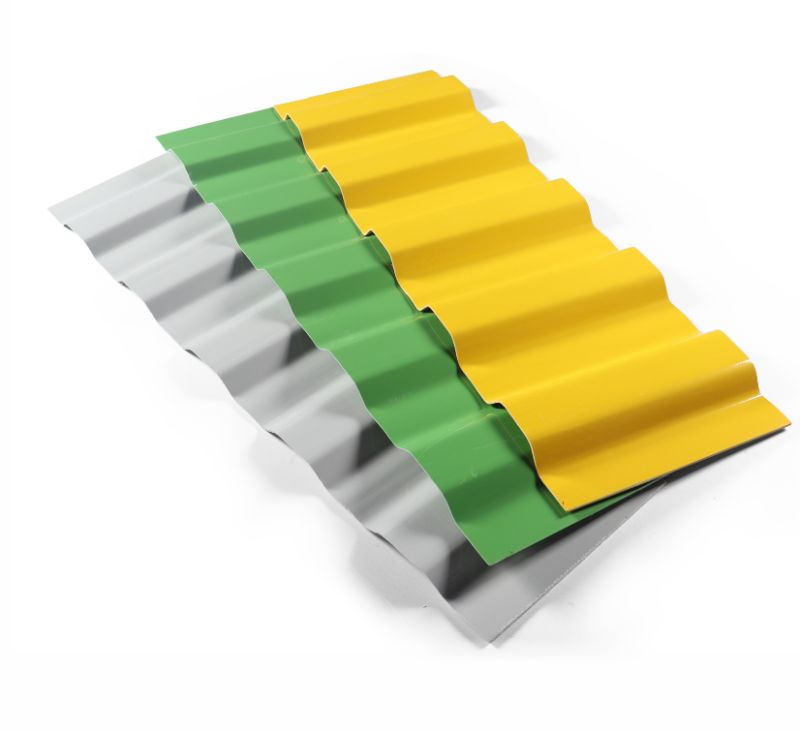
Glasfaser-Dachziegel
Glasfaser-Dachziegel sind leistungsstarke, leichte Dachbauteile, die aus durchgehenden Glasfasersträngen hergestellt werden, die in eine duroplastische Harzmatrix eingebettet sind. Sie sind für hervorragende Witterungsbeständigkeit ausgelegt...

-
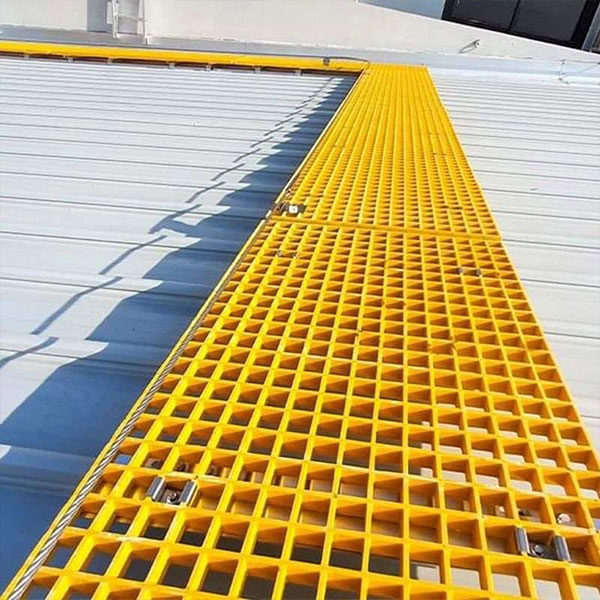
Kunststoffgitter
Kunststoffroste, auch bekannt als GFK-Roste (glasfaserverstärkter Kunststoff), sind eine moderne Alternative zu herkömmlichen Metallrosten. Sie bestehen aus Glasfasersträngen, die in eine duroplastische Harzmatte eingebettet sind….
-
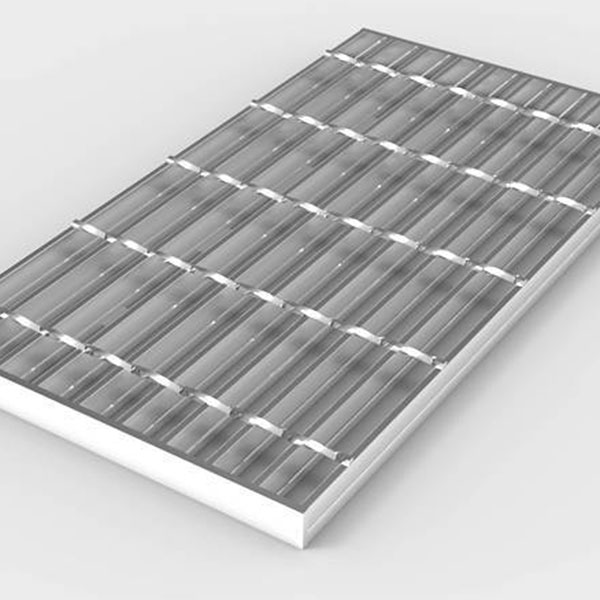
Metallgitter
Metallgitterroste sind ein langlebiges, hochfestes Material, das in Industrie, Gewerbe und Architektur weit verbreitet ist. Sie werden aus Werkstoffen wie Kohlenstoffstahl, verzinktem Stahl, Aluminium usw. hergestellt.
-
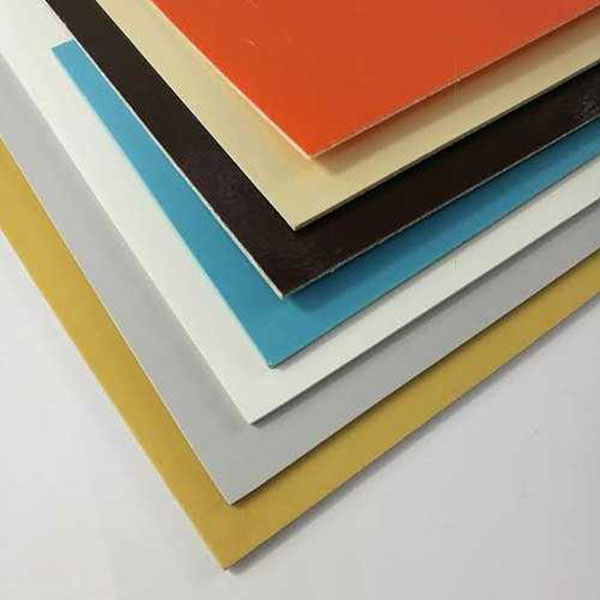
GFK-Platten
Faserverstärkte Polymerplatten (FRP-Platten) sind flache Verbundplatten, die aus einer Kombination von Verstärkungsfasern – typischerweise Glasfasern (E-Glas) – und einer Polymerharzmatrix wie Polyester, V... hergestellt werden.
-
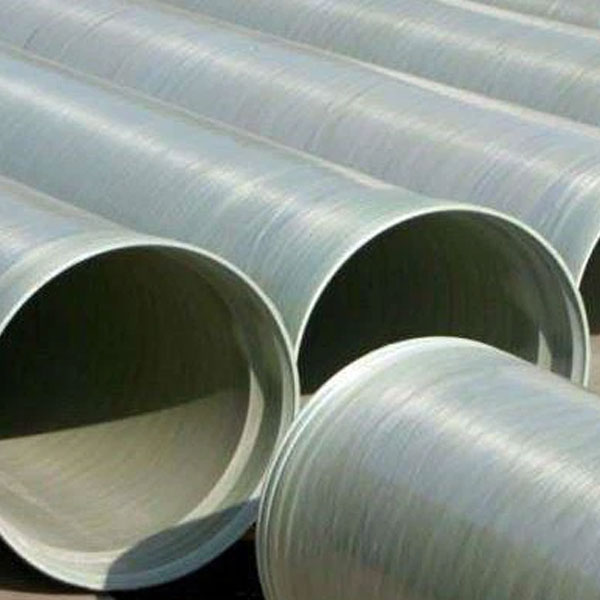
FRP-Rohr
FRP-Rohre (faserverstärkte Polymere) sind Hochleistungsverbundrohre, die aus einer Kombination von starken Verstärkungsfasern – typischerweise Glas, Kohlenstoff oder Aramid – hergestellt werden, die in ein duroplastisches Harz eingebettet sind...
-
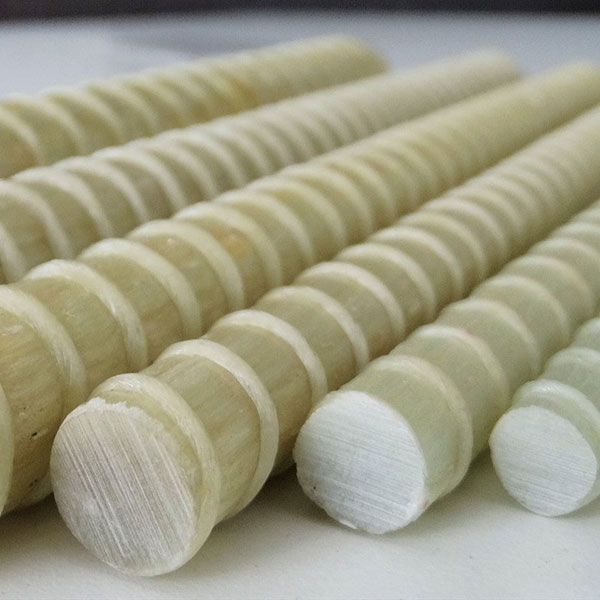
GFK-Bewehrungsstahl und Maschine
Faserverstärkte Polymerbewehrung (FRP) ist eine leistungsstarke Alternative zu herkömmlichen Stahlbewehrungsstäben im Betonbau. Sie besteht aus einer Kombination von Fasern wie Glas, Kohlenstoff usw.
-
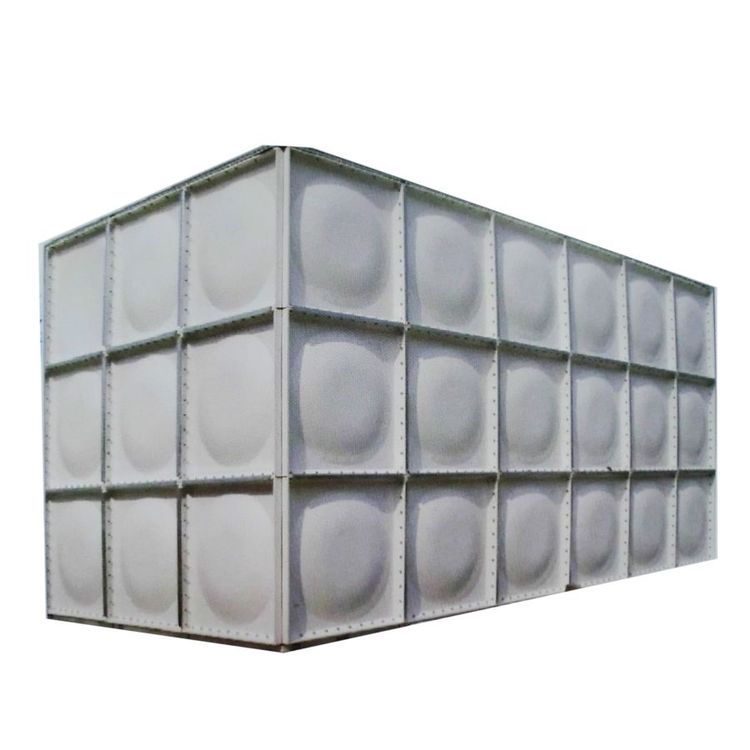
GFK-Wassertank
Wasserspeichertanks aus glasfaserverstärktem Kunststoff (GFK) sind leistungsstarke, korrosionsbeständige Behälter, die für die sichere und langfristige Wasserlagerung in einer Vielzahl von Anwendungen entwickelt wurden.
-

GFK-Leitern Käfige
Leiterkäfige aus glasfaserverstärktem Kunststoff (GFK) sind schützende Sicherheitsgehäuse, die um fest installierte, vertikale Leitern montiert werden und einen wesentlichen Absturzschutz für Personen bieten, die in der Höhe arbeiten. Diese Käfige...