


-

FRP EZ Angle
-

FRP EZ Angle
-

FRP EZ Angle
-

FRP EZ Angle
-

FRP EZ Angle
FRP EZ Angle es un lightweight, high-strength, and corrosion-resistant composite structural component designed for a variety of construction, industrial, and infrastructure applications. Manufactured using fiber-reinforced plastic (FRP) technology, EZ Angle provides an excellent alternative to traditional materials like steel, aluminum, and wood. It is widely used for framing, support structures, reinforcement, and quick assembly solutions due to its ease of installation and long-lasting durability.
Introducción al rendimiento del producto
This detailed product description covers Propiedades físicas, especificaciones, ventajas, desventajas y aplicaciones de FRP EZ Angle.
1. Physical Properties of FRP EZ Angle
FRP EZ Angle is made from a combination of high-performance glass fibers and a matriz de resina polimérica, providing exceptional mechanical, chemical, and thermal properties.
1.1. Resistencia y durabilidad
-
Alta relación resistencia-peso – Stronger than wood and comparable to steel, but much lighter.
-
Resistencia a la flexión y a la tracción – Resists bending and pulling forces without deformation.
-
Resistencia al impacto – Can withstand mechanical shocks and vibrations without cracking.
1.2. Resistencia a la corrosión y a la intemperie
-
Non-Corrosive – Unlike steel, FRP EZ Angle does not rust, corrode, or degrade when exposed to moisture or chemicals.
-
Resistant to UV Radiation – Formulated with UV-resistant coatings to prevent fading and degradation from prolonged sun exposure.
-
Chemical Stability – Withstands exposure to harsh chemicals, acids, and alkalis, making it ideal for industrial environments.
1.3. Electrical and Thermal Properties
-
No conductivo – Does not conduct electricity, making it safe for electrical and telecommunications applications.
-
Aislamiento térmico – Has low thermal conductivity, reducing heat transfer and making it energy efficient.
1.4. Resistencia al fuego
-
Available in Fire-Retardant Formulations – Meets industry fire safety standards when using fire-retardant resins.
-
Baja emisión de humo y toxicidad – Some versions produce minimal smoke and toxic emissions in the event of a fire.
2. Especificaciones y dimensiones
FRP EZ Angle is available in various sizes, thicknesses, and configurations to accommodate different project requirements.
2.1. Dimensiones estándar
-
Longitud de las piernas: Typically ranges from 25 mm × 25 mm (1” × 1”) a 150 mm × 150 mm (6” × 6”)
-
Espesor: Varía desde 3 mm (1/8”) a 12 mm (1/2”)
-
Longitud: Standard lengths include 3 meters (10 feet) and 6 meters (20 feet), with custom lengths available upon request.
2.2. Composición del material
-
Fibras: E-glass (most common), S-glass (for higher strength), or carbon fiber (for specialty applications).
-
Resinas:
-
Poliéster – General-purpose, cost-effective, and durable.
-
Éster de vinilo – Resistencia superior a productos químicos y a la corrosión.
-
Epoxy – Best mechanical performance and high durability.
-
fenólico – Fire-resistant and low smoke emission for high-temperature applications.
-
2.3. Propiedades mecánicas (valores típicos)
| Propiedad | Valor típico |
|---|---|
| Resistencia a la tracción | 200-600 MPa |
| Resistencia a la flexión | 200-500 MPa |
| Resistencia a la compresión | 200-550 MPa |
| Densidad | 1,5-2,0 g/cm³ |
| Módulo de elasticidad | 20-35 GPa |
3. Advantages of FRP EZ Angle
FRP EZ Angle offers several advantages over traditional construction materials, making it a preferred choice for many industries.
3.1. Ligero y fácil de manejar
-
70% más ligero que el acero y 30% lighter than aluminum, making transportation and installation easier.
-
Requiere fewer workers and minimal lifting equipment during installation.
3.2. Corrosion Resistance for Harsh Environments
-
Sin oxidación, putrefacción ni degradación. when exposed to water, chemicals, or industrial gases.
-
Ideal para marine, industrial, and outdoor applications where metal structures would deteriorate quickly.
3.3. Seguridad eléctrica y magnética
-
Completely non-conductive, making it safe for use in power stations, electrical substations, and MRI facilities.
-
No magnético, lo que lo hace ideal para sensitive electronic and medical equipment environments.
3.4. Low Maintenance and Long Service Life
-
No need for painting, galvanizing, or protective coatings, reducing maintenance costs.
-
Resistant to biological degradation, such as mold, termites, and fungal growth.
3.5. Simple Fabrication and Installation
-
Fácil de cortar, perforar y ensamblar. con herramientas estándar.
-
No welding is required, eliminating the need for hot work permits and reducing installation risks.
3.6. Sustainability and Cost Savings
-
Longer lifespan than traditional materials, resulting in lower replacement costs con el tiempo.
-
No need for expensive coatings or anti-corrosion treatments, saving money on maintenance.
4. Disadvantages of FRP EZ Angle
Despite its many benefits, FRP EZ Angle has some drawbacks that should be considered.
4.1. Mayor costo inicial
-
More expensive than traditional materials like steel and aluminum on a per-unit basis.
-
Sin embargo, reduced maintenance and longer lifespan Puede compensar la inversión inicial.
4.2. Menor rigidez en comparación con el acero
-
Más flexible que el acero, which may require additional support in load-bearing applications.
-
No siempre es adecuado para high-stress structural applications unless properly engineered.
4.3. Degradación UV sin protección
-
Prolonged exposure to direct sunlight can cause color fading and surface degradation.
-
Requiere Recubrimientos resistentes a los rayos UV Para aplicaciones exteriores de larga duración.
4.4. Resistencia limitada a altas temperaturas
-
Standard FRP softens above 150-200°C, whereas metals can withstand much higher temperatures.
-
Fire-resistant formulations are available but may come at a higher cost.
4.5. Desafíos del reciclaje
-
Difícil de reciclar due to the composite nature of FRP materials.
-
Disposal options are limited, though some companies offer specialized composite recycling services.
5. Applications of FRP EZ Angle
FRP EZ Angle is widely used in various industries due to its unique properties.
5.1. Aplicaciones industriales
-
Plantas químicas – Corrosion-resistant structural supports for chemical processing equipment.
-
Plantas de tratamiento de agua y aguas residuales – Used in walkways, platforms, and handrails exposed to moisture and chemicals.
5.2. Marina y Offshore
-
Construcción de muelles y embarcaderos – Saltwater-resistant alternative to steel and wood structures.
-
Shipbuilding – Used for non-structural components requiring lightweight and corrosion resistance.
5.3. Infrastructure and Construction
-
Bridges and Walkways – Used in pedestrian bridges and access structures.
-
Railway and Roadside Applications – Non-conductive structures for railway signal supports and power substations.
5.4. Electricidad y telecomunicaciones
-
Power Distribution – Safe for high-voltage environments where metal structures would create electrical hazards.
-
Telecom Towers – Used for antenna structures and communication panel support.
6. Conclusión
FRP EZ Angle provides an excellent alternative to acero, aluminio y madera, particularly in corrosive, high-voltage, and moisture-exposed environments. It is lightweight, durable, non-conductive, and easy to install, making it a preferred choice for Aplicaciones industriales, marinas, de construcción y eléctricas.
FRP EZ Angle
Serie :
Productos principales >solicitud
Aplicaciones industriales, marinas y offshore, infraestructura y construcción, electricidad y telecomunicaciones
Nombre de la marca :
TFcompuesto
Nombre del producto :
FRP EZ Angle
Material :
Fibra de vidrio
Color :
Gris,Otro


Preguntas más frecuentes
P:
¿Cuánto duran las piezas de FRP con formas especiales?
A :
Las piezas de formas especiales de FRP tienen una vida útil de más de 25 años, superando significativamente la de muchos materiales tradicionales como la madera (5 a 10 años) o el acero (10 a 15 años, según las condiciones).
P:
¿Es posible utilizar piezas especiales de FRP en exteriores?
A :
¡Sí! Las piezas de FRP con formas especiales son altamente resistentes a los rayos UV y a la intemperie, lo que las hace ideales para uso en exteriores en entornos hostiles como aplicaciones marinas, plantas químicas e infraestructura.
P:
¿Cuáles son las dimensiones y tamaños típicos de las piezas de formas especiales de FRP?
A :
Las dimensiones de las piezas de FRP con formas especiales varían considerablemente según la aplicación y el diseño. Sin embargo, los tamaños más comunes incluyen: Longitud: personalizable según los requisitos del proyecto (comúnmente de 3 a 6 m). Grosor: típicamente de 3 mm a 50 mm o más, según la resistencia requerida. Ancho: adaptable según la forma y función requeridas (desde perfiles pequeños hasta láminas grandes). Se pueden crear formas personalizadas, como perfiles curvos, angulares y huecos, para cumplir con las especificaciones exactas del diseño.
Otros productos relacionados
-
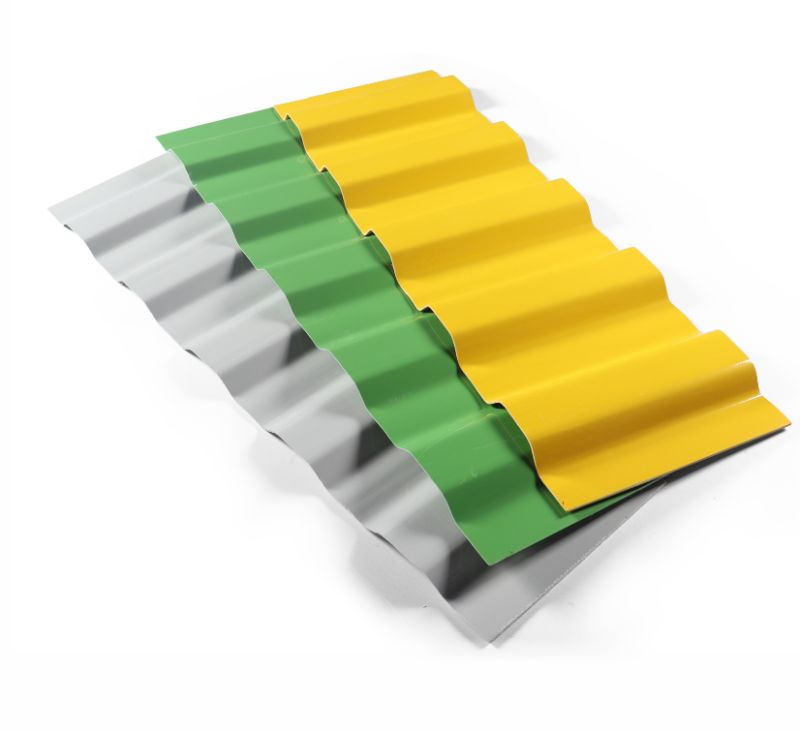
Tejas de fibra de vidrio
Las tejas de fibra de vidrio son componentes ligeros y de alto rendimiento, fabricados con fibras continuas de fibra de vidrio incrustadas en una matriz de resina termoendurecible. Diseñadas para una resistencia superior a la intemperie...

-
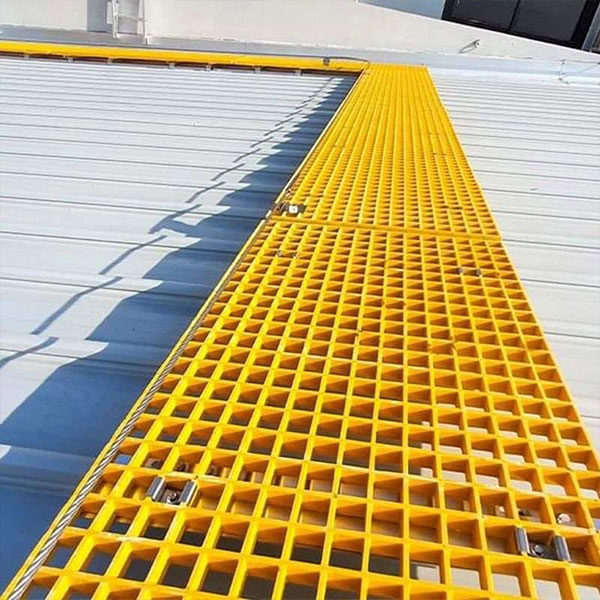
Pasarelas de FRP
Las pasarelas de FRP (plástico reforzado con fibra) son plataformas para caminar duraderas y resistentes a la corrosión hechas de materiales compuestos, generalmente fibra de vidrio reforzada con poliéster, éster de vinilo o resina epoxi.
-
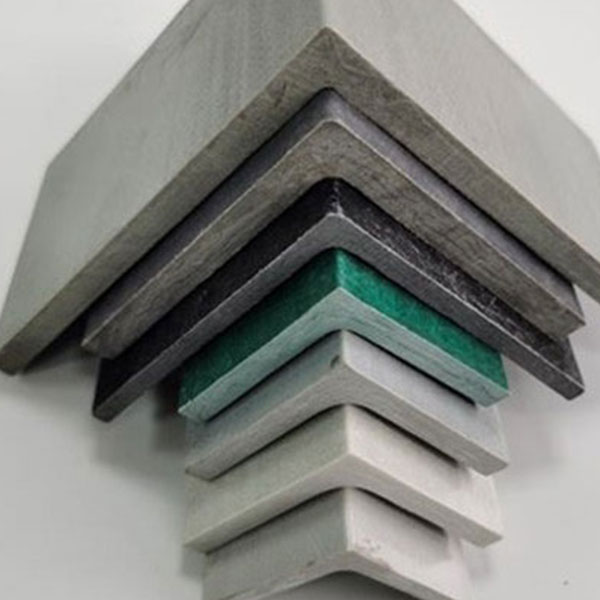
Perfil pultruido de FRP
Los perfiles pultruidos de FRP son estructuras fabricadas con plástico reforzado con fibra mediante un proceso de fabricación continua llamado pultrusión. Este proceso implica el estirado de fibras, generalmente de vidrio,...
-
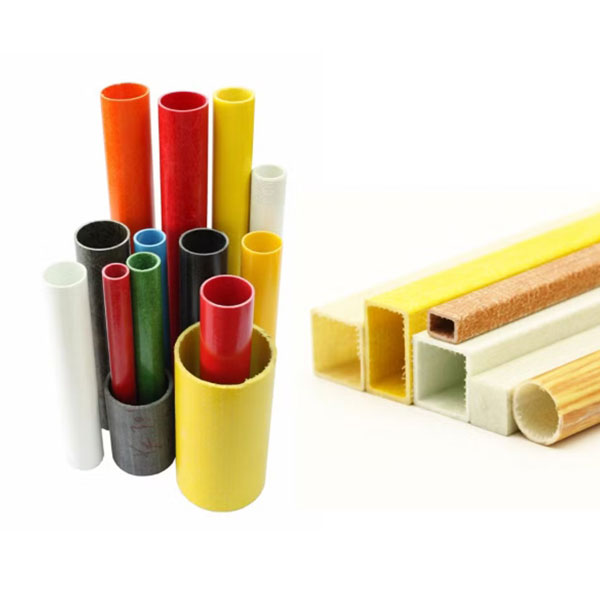
Tubos de FRP
Los tubos de FRP, o tubos de plástico reforzado con fibra, son estructuras compuestas de alto rendimiento fabricadas a partir de una matriz polimérica reforzada con fibras, generalmente de vidrio, carbono o aramida. Estos tubos se conocen como...
-
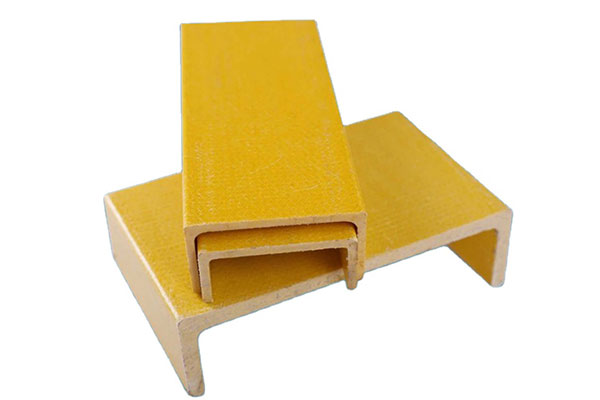
Sección pultruida de FRP
Las secciones pultruidas de FRP son perfiles estructurales fabricados con polímero reforzado con fibra (FRP) mediante un proceso de fabricación llamado pultrusión. Este método consiste en estirar hilos continuos de refuerzo...
-
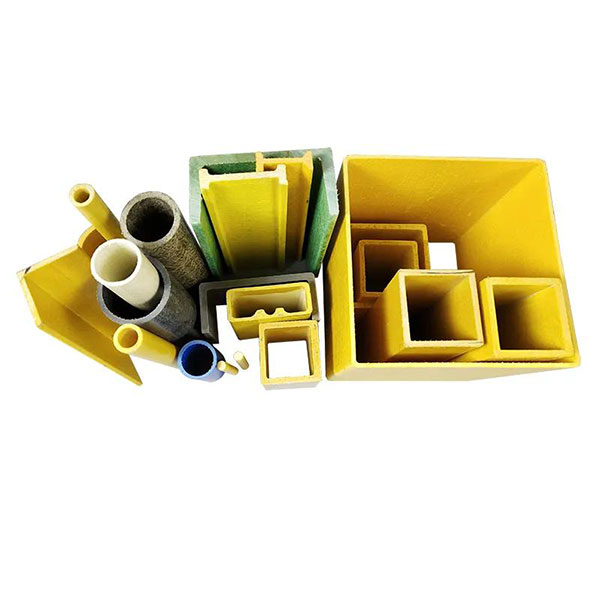
Formas estructuradas de FRP
Las formas estructuradas de FRP (también conocidas como perfiles estructurales de FRP o miembros estructurales de plástico reforzado con fibra de vidrio) son componentes compuestos diseñados hechos de una combinación de refuerzos de fibra de vidrio...
-
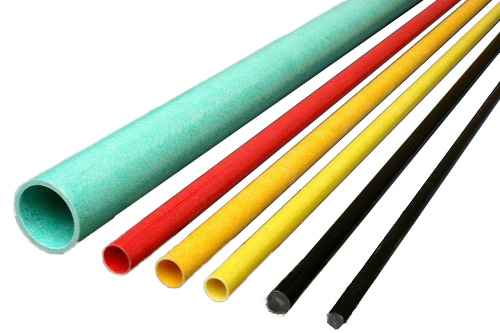
Tubo redondo hueco de FRP
Especificación del tubo redondo hueco de FRP: Ver Tamaño D*T(MM) Peso (G/M) 4*1.25 14.88 4*1.3 14.51 5.9*1.5 40.5...
-
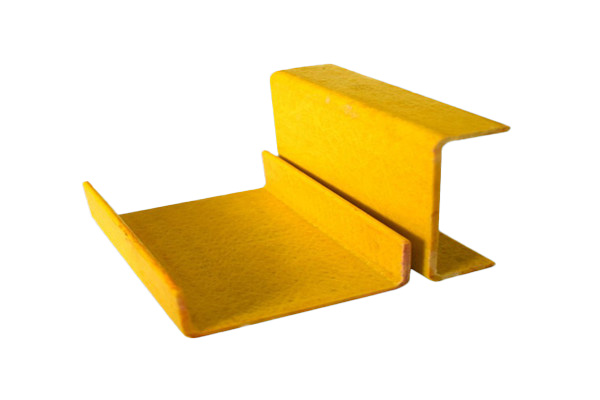
Canal FRP C
Especificación del canal FRP C: Ver tamaño A*B*C(MM) Peso (G/M) 65*46*4 1648 90*50*4 2112 41*29*3.5 (doble C...