


-

Passerelle in FRP
-

Passerelle in FRP
-

Passerelle in FRP
-

Passerelle in FRP
-

Passerelle in FRP
-

Passerelle in FRP
-

Passerelle in FRP
-

Passerelle in FRP
Passerelle in FRP (passerelle in plastica rinforzata con fibre) Sono piattaforme avanzate progettate per una varietà di applicazioni infrastrutturali industriali, commerciali e pubbliche. Queste passerelle sono realizzate con materiali rinforzati con fibre ad alta resistenza, offrendo una combinazione di leggerezza, durevolezza e resistenza a fattori ambientali difficili. A differenza delle tradizionali passerelle in acciaio o legno, Le passerelle in FRP sono resistenti alla corrosione, personalizzabili e più sicure sia per i lavoratori che per l'ambiente.
Introduzione alle prestazioni del prodotto
Questo documento fornisce una panoramica dettagliata di Passerelle in FRP, coprendo il loro proprietà fisiche, specifiche, vantaggi, svantaggi e applicazioni comuni.
1. Proprietà fisiche delle passerelle in FRP
1.1. Leggero e resistente
-
Le passerelle in FRP sono significativamente più leggere delle alternative in metallo (fino a 75% più leggeri dell'acciaio). Questa riduzione di peso li rende più facili da trasportare e installare.
-
Nonostante la loro natura leggera, Le passerelle in FRP presentano una resistenza meccanica superiore, rendendoli in grado di sostenere carichi pesanti senza compromettere la sicurezza.
1.2. Resistenza alla corrosione e agli agenti chimici
-
Altamente resistente alla corrosione, in particolare da acqua salata, sostanze chimiche e condizioni meteorologiche avverse. Ciò li rende ideali per l'uso in ambienti marini, impianti chimici, e altri ambienti corrosivi.
-
I materiali FRP sono immune alla ruggine, garantendo longevità anche in ambienti esposti a umidità o sostanze chimiche.
1.3. Isolamento elettrico e termico
-
Materiale non conduttivo, garantendo la sicurezza in ambienti in cui sono presenti pericoli elettrici, come centrali elettriche, sottostazioni e torri per telecomunicazioni.
-
Bassa conduttività termica, rendendo le passerelle in FRP comode da percorrere in ambienti con temperature variabili.
1.4. Resistenza al fuoco
-
Molti Le passerelle in FRP sono disponibili con resine ignifughe che soddisfano vari standard di sicurezza antincendio, come resine fenoliche e vinilestere, che forniscono una qualità superiore resistenza al fuoco E bassa emissione di fumo.
1.5. Finiture superficiali
-
Personalizzabile texture superficiali antiscivolo sono disponibili per migliorare la trazione e la sicurezza in condizioni di bagnato o di olio.
-
Rivestimenti resistenti ai raggi UV vengono spesso utilizzati per applicazioni esterne per prevenire il degrado causato dai raggi UV e mantenere la durata.
2. Specifiche e opzioni di personalizzazione
2.1. Dimensioni standard (personalizzabili)
-
Spessore: Tipicamente disponibile in 25 mm, 38 mm e 50 mm opzioni, ma possono essere personalizzate per esigenze specifiche.
-
Dimensioni del pannello: Le dimensioni comuni dei pannelli includono 1m x 1m, 1,2 m x 2,4 m, o dimensioni completamente personalizzate.
-
Capacità di carico: Può essere progettato per supportare carichi variabili, con specifiche comuni che vanno da da 500 kg/m² a 10.000 kg/m².
2.2. Tipi di passerelle in FRP
-
Passerelle in FRP a maglia aperta – Consente di ottimo drenaggio e flusso d'aria, spesso utilizzati in ambienti esterni o in strutture industriali.
-
Passerelle in FRP solido – Fornisce un superficie solida e liscia per camere bianche, strutture mediche e aree che richiedono una superficie di camminamento liscia.
-
Passerelle modulari in FRP – Progettato per facile montaggio ed espansione, ideale per cambiare rapidamente la disposizione di magazzini o fabbriche.
-
Passerelle in FRP per impieghi gravosi – Ideale per applicazioni con carichi estremi, come in piattaforme petrolifere offshore O ambienti industriali pesanti.
2.3. Composizione del materiale
-
Fibre di rinforzo: Vetro E, vetro S e fibra di carbonio sono materiali comunemente utilizzati per migliorare la resistenza e la durata delle passerelle in FRP.
-
Tipi di resina:
-
Resina poliestere: Standard ed economico per applicazioni di uso generale.
-
Resina Vinilestere: Altamente resistente agli agenti chimici e alle temperature estreme, ideale per applicazioni industriali.
-
Resina epossidica: Offre il massima resistenza meccanica, adatto per applicazioni gravose.
-
Resina fenolica: Offerte resistenza al fuoco, rendendolo adatto ad ambienti che richiedono sicurezza antincendio.
-
2.4. Proprietà meccaniche (valori tipici)
| Proprietà | Valore tipico |
|---|---|
| Resistenza alla trazione | 300-800 MPa |
| Resistenza alla flessione | 250-700 MPa |
| Resistenza alla compressione | 300-850 MPa |
| Densità | 1,7-2,2 g/cm³ |
| Modulo di elasticità | 25-45 GPa |
3. Vantaggi delle passerelle in FRP
3.1. Personalizzazione completa
-
Le passerelle in FRP possono essere personalizzate In dimensione, forma, colore, consistenza della superficie, e capacità di carico per soddisfare le esigenze specifiche di diversi settori industriali.
-
Può essere progettato con ritagli, sistemi di drenaggio e corrimano, offrendo la massima flessibilità per diverse applicazioni.
3.2. Resistenza alla corrosione
-
Altamente resistente al degrado ambientale, rendendoli ideali per l'uso in ambienti marini, impianti chimici, E industrie di trasformazione alimentare.
-
Non necessita di manutenzione correlato alla ruggine o alla corrosione, che porta a risparmi a lungo termine nei costi di riparazione e sostituzione.
3.3. Caratteristiche di sicurezza
-
Superfici antiscivolo garantire elevati standard di sicurezza in condizioni di bagnato o pericolose.
-
Proprietà non conduttive ridurre il rischio di pericoli elettrici in ambienti sensibili.
3.4. Installazione leggera e facile
-
Facile da trasportare e installare grazie al peso ridotto del materiale.
-
Design modulare consente un montaggio rapido e semplice senza la necessità di attrezzature di sollevamento pesanti o saldature.
3.5. Longevità e bassa manutenzione
-
Durevole e duraturo, che richiede una manutenzione minima.
-
A differenza del legno, non si deforma, non marcisce e non si degrada e, a differenza dell'acciaio, non arrugginisce e non si corrode.
3.6. Rispettoso dell'ambiente
-
Le passerelle in FRP sono riciclabili in alcuni casi, riducendo gli sprechi.
-
Di lunga durata e durevole, che riduce al minimo la necessità di sostituzioni e riduce l'impatto ambientale nel tempo.
4. Svantaggi delle passerelle in FRP
4.1. Costo iniziale
-
Il costo di acquisto iniziale di Le passerelle in FRP sono generalmente più alte rispetto alle tradizionali passerelle in acciaio o legno.
-
Tuttavia, risparmi a lungo termine in termini di manutenzione e durata spesso compensano l'investimento iniziale.
4.2. Resistenza al calore limitata
-
Le passerelle in FRP non sono adatte per applicazioni ad altissima temperatura, poiché potrebbero indebolirsi a temperature superiori 200°C.
-
Per ambienti estremamente caldi potrebbero essere necessari materiali alternativi come l'acciaio.
4.3. Degradazione UV (applicazioni esterne)
-
Resine sensibili ai raggi UV può degradarsi nel tempo se esposto alla luce solare. Rivestimenti resistenti ai raggi UV O resine sono necessari per l'uso all'aperto.
-
Senza un trattamento adeguato, le applicazioni esterne potrebbero subire un degrado superficiale e una riduzione della resistenza.
4.4. Difficoltà nel riciclaggio
-
Il riciclaggio dei materiali FRP può essere impegnativo a causa della natura del materiale composito.
-
Sebbene l'FRP sia durevole, processo di smaltimento o riciclaggio è più complicato dei materiali metallici o di legno.
5. Applicazioni delle passerelle in FRP
5.1. Applicazioni industriali
-
Impianti chimici e petrolchimici – Le passerelle in FRP possono resistere all'esposizione a sostanze chimiche, oli e condizioni meteorologiche avverse.
-
Acciaierie e fonderie – Il FRP non è conduttivo, il che lo rende sicuro per i rischi elettrici.
-
Centrali elettriche – Ideale per sottostazioni e aree con impianti elettrici grazie alla sua non conduttivo natura.
5.2. Marina e offshore
-
Banchine, cantieri navali e piattaforme offshore – Le passerelle in FRP sono resistenti alla corrosione causata dall’acqua salata e dai prodotti chimici, il che le rende una scelta popolare per ambienti marittimi.
-
Piattaforme petrolifere offshore – Offre un'alternativa durevole e a bassa manutenzione alle passerelle metalliche in condizioni difficili in mare aperto.
5.3. Infrastrutture pubbliche
-
Percorsi pedonali – La FRP è ampiamente utilizzata nelle aree urbane dove la sicurezza e i fattori ambientali sono fondamentali.
-
Ponti e scale – FRP offre un soluzione leggera e durevole per ponti pedonali e scale industriali.
-
Stazioni di trasporto pubblico – Le passerelle in FRP sono utilizzate in stazioni degli autobus, stazioni ferroviarie, E metropolitane, garantendo sicurezza e comfort.
5.4. Industrie alimentari e farmaceutiche
-
Impianti di lavorazione alimentare – Le passerelle in FRP sono igieniche, facili da pulire e resistenti alla corrosione, il che le rende adatte all'uso in ambienti di lavorazione e confezionamento alimentare.
-
Strutture farmaceutiche – Utilizzato in camere bianche e aree di produzione farmaceutica in cui la pulizia è fondamentale.
5.5. Elettricità e telecomunicazioni
-
Torri di telecomunicazione – Le passerelle in FRP garantiscono accesso sicuro alle torri ad alta quota senza condurre elettricità.
-
Sottostazioni e impianti elettrici – Non conduttivo Le proprietà rendono le passerelle in FRP ideali per le aree dotate di impianti elettrici.
6. Conclusion
Passerelle in FRP sono una soluzione versatile e altamente durevole per le industrie che richiedono percorsi affidabili, resistenti alla corrosione e personalizzabili. Mentre il costo iniziale può essere superiore alle alternative convenzionali, il benefici a lungo termine come la bassa manutenzione, la longevità, le caratteristiche di sicurezza e l'adattabilità li rendono una scelta eccellente per un'ampia gamma di applicazioni, dagli ambienti industriali alle infrastrutture pubbliche. Con la loro forza, sicurezza e vantaggi ambientali, Passerelle in FRP offrire un soluzione conveniente, sostenibile e sicura per progetti moderni.
Passerelle in FRP
Serie:
Prodotti principali >applicazione
Impianti industriali e fabbriche chimiche Piattaforme offshore e ambienti marini Impianti di trattamento delle acque e delle acque reflue Centrali elettriche e sottostazioni Stazioni di trasporto pubblico e ponti pedonali Cantieri edili e magazzini
Marchio :
TFcomposito
Nome del prodotto :
Passerelle in FRP
Materiale :
Fibra di vetro
Colore :
Giallo,Altro


FAQ
Q :
Cosa sono le passerelle in FRP?
UN :
Le passerelle in FRP sono realizzate in materiali plastici rinforzati con fibre, combinando fibra di vetro e resina per offrire robustezza, resistenza alla corrosione e leggerezza. Sono utilizzate in diverse applicazioni industriali, commerciali e infrastrutturali pubbliche.
Q :
Quanto sono resistenti le passerelle in FRP?
UN :
Le passerelle in FRP sono progettate per supportare carichi variabili, con capacità tipiche che vanno da 500 kg/m² a 10.000 kg/m², a seconda del materiale utilizzato e delle specifiche di progettazione.
Q :
Le passerelle in FRP possono essere utilizzate in ambienti esterni?
UN :
Sì, le passerelle in FRP sono perfette per l'uso esterno, in particolare in ambienti esposti a umidità, acqua salata e condizioni meteorologiche estreme. Tuttavia, potrebbero essere necessari rivestimenti resistenti ai raggi UV per garantire prestazioni a lungo termine sotto la luce solare diretta.
Q :
Le passerelle in FRP sono resistenti al fuoco?
UN :
Sì, le passerelle in FRP possono essere realizzate con resine ignifughe (come resine fenoliche o vinilestere) per soddisfare gli standard di sicurezza antincendio. Questi materiali producono basse emissioni di fumo e sono ideali per ambienti che richiedono una maggiore sicurezza antincendio.
Q :
Quali opzioni di personalizzazione sono disponibili per le passerelle in FRP?
UN :
Le passerelle in FRP possono essere personalizzate in termini di dimensioni, forma, colore, capacità di carico, consistenza della superficie (ad esempio antiscivolo) e caratteristiche integrate come ritagli, fori di drenaggio e corrimano per soddisfare requisiti applicativi specifici.
Q :
Le passerelle in FRP sono adatte ad applicazioni gravose?
UN :
Sì, le passerelle in FRP sono disponibili in versioni per impieghi gravosi, in grado di supportare carichi estremamente elevati, il che le rende adatte ad ambienti quali piattaforme petrolifere offshore, acciaierie e impianti chimici.
Altri prodotti correlati
-

Guardrail e corrimano in FRP
I parapetti e i corrimano in FRP (plastica rinforzata con fibra di vetro) sono soluzioni di sicurezza moderne progettate per applicazioni sia industriali che commerciali in cui la resistenza alla corrosione, la durevolezza e la lunga...

-

Piattaforma ferroviaria in FRP
Questo documento fornisce una panoramica dettagliata della piattaforma ferroviaria in FRP, comprese le sue proprietà fisiche, le specifiche, i vantaggi, gli svantaggi e le applicazioni comuni. 1. Proprietà fisiche...
-
Piattaforma personalizzabile FRP
Questo documento fornisce un'analisi approfondita delle piattaforme personalizzabili FRP, comprese le loro proprietà fisiche, specifiche, vantaggi, svantaggi e applicazioni. 1. Proprietà fisiche...
-
Piattaforma ad alto carico in FRP
Questo articolo fornisce una panoramica dettagliata delle piattaforme FRP ad alto carico, comprese le loro proprietà fisiche, specifiche, vantaggi, svantaggi e applicazioni. 1. Proprietà fisiche di ...
-
Piattaforma FRP
Questo articolo fornisce una panoramica approfondita delle piattaforme FRP, comprese le loro proprietà fisiche, specifiche, vantaggi, svantaggi e applicazioni. 1. Proprietà fisiche delle piattaforme FRP...
-

Corrimano in vetroresina
✅ Caratteristiche principali dei corrimano in GRP Resistenza alla corrosione: il GRP è altamente resistente agli agenti chimici, all'acqua salata e ai fattori ambientali, il che lo rende ideale per ambienti marini, offshore e industriali...
-
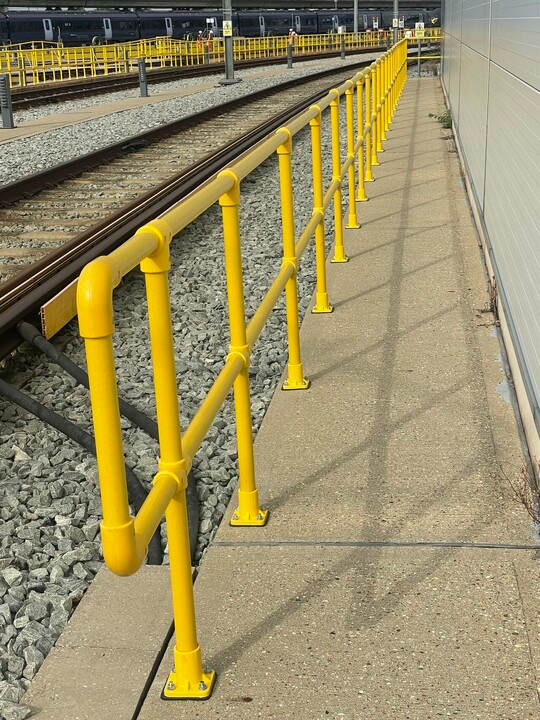
Panoramica dettagliata dei sistemi di corrimano in FRP
Il raccordo girevole esterno in GRP è un raccordo girevole in linea versatile, spesso utilizzato dove gli angoli variano su pendenze, gradini e pianerottoli. Il GRP 116 Mid Corner è un giunto angolare a 90°, spesso utilizzato...
-
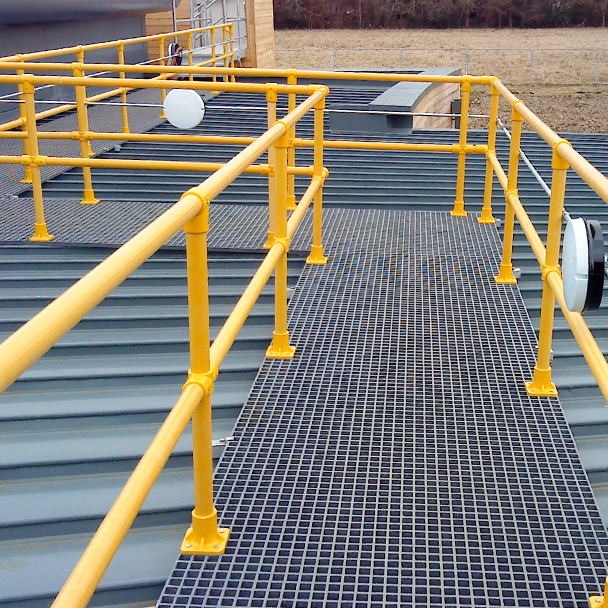
Sistema corrimano in GRP in fibra di vetro resistente alla corrosione antiscivolo ecologico
Il raccordo girevole esterno in GRP è un raccordo girevole in linea versatile, spesso utilizzato dove gli angoli variano su pendenze, gradini e pianerottoli. Il GRP 116 Mid Corner è un giunto angolare a 90°, spesso utilizzato...