


-

FRP 구조용 앵글
-

FRP 구조용 앵글
-

FRP 구조용 앵글
-

FRP 구조용 앵글
-

FRP 구조용 앵글
FRP(섬유 강화 플라스틱) 특수 형상 부품 ~이다 맞춤형으로 설계된 복합 소재 부품 만나기 위해 만들어졌습니다 특정 구조적, 기능적 또는 미적 요구 사항. 일반적인 FRP 프로파일과는 달리, 이 부품들은 다음과 같은 방식으로 제조됩니다. 복잡한 모양과 기하학적 형태 사용 성형, 압출 성형 또는 필라멘트 와인딩 기술.
제품 성능 소개
FRP 구조용 앵글은 강철이나 알루미늄과 같은 기존 재료가 부식, 무게 또는 유지 관리 문제로 인해 적합하지 않은 건설, 산업 응용 분야 및 인프라 프로젝트에 일반적으로 사용됩니다.
1. FRP 구조용 앵글의 물리적 특성
FRP 구조용 앵글은 우수한 기계적, 화학적, 열적 특성을 나타내므로 기존 금속 구조물을 대체할 이상적인 소재입니다.
1.1. 강도 및 내구성
-
높은 강도 대 중량 비율: FRP 앵글은 강철과 유사한 강도를 제공하면서도 훨씬 가볍습니다.
-
굽힘 강도 및 인장 강도: 이 소재들은 굽힘력과 인장력에 대한 저항력이 뛰어나 안정성과 구조적 무결성을 보장합니다.
-
충격 저항성: 취성 재료와 달리 FRP는 균열이나 심각한 변형 없이 충격을 흡수할 수 있습니다.
1.2. 부식 및 화학 저항성
-
혹독한 환경에 대한 저항력: 강철과는 달리 FRP는 습기, 화학 물질 또는 자외선에 노출되어도 녹슬거나 부식되거나 열화되지 않습니다.
-
화학적 안정성: 부식성 물질에 노출되기 쉬운 화학 공장, 폐수 처리 시설 및 해양 환경에 적합합니다.
1.3. 전기적 및 열적 특성
-
비전도성: FRP 앵글은 전기를 전도하지 않으므로 전기 및 고전압 응용 분야에 안전하게 사용할 수 있습니다.
-
단열재: 금속과는 달리 FRP는 열을 쉽게 전달하지 않아 화상 및 열 관련 문제의 위험을 줄여줍니다.
1.4. 내화성
-
방염 옵션 제공: 화재 안전 요건을 충족하기 위해 페놀 수지나 난연성 폴리에스터와 같은 특수 수지를 사용할 수 있습니다.
-
연기 발생량 및 독성 물질 배출량이 적음: 일부 FRP(섬유강화폴리머) 소재는 화재 발생 시 연기와 유독 가스 발생량이 최소화됩니다.
2. 일반적인 사양 및 크기
FRP 구조용 앵글은 다양한 용도에 맞춰 다양한 크기, 두께 및 형태로 제공됩니다.
2.1. 표준 치수
-
다리 길이: 일반적으로 범위는 다음과 같습니다. 25mm × 25mm (1인치 × 1인치) 에게 150mm × 150mm (6인치 × 6인치)
-
두께: 일반적으로 3mm(1/8인치) ~ 12mm(1/2인치)
-
길이: 표준 길이는 다음과 같습니다. 3m(10피트), 6m(20피트) 또는 맞춤 길이
2.2. 재료 구성
-
섬유: E-유리(가장 일반적), S-유리, 탄소 섬유(특수 용도용)
-
수지: 폴리에스터, 비닐 에스터(높은 내식성), 에폭시(우수한 기계적 특성), 페놀(내화성)
2.3. 기계적 특성 (근사값)
| 재산 | 일반적인 값 |
|---|---|
| 인장강도 | 200-600 MPa |
| 굽힘 강도 | 200-500 MPa |
| 압축 강도 | 200-550 MPa |
| 밀도 | 1.5-2.0 g/cm³ |
| 탄성계수 | 20-35 GPa |
3. FRP 구조용 앵글의 장점
FRP 구조용 앵글은 강철, 알루미늄 또는 목재와 같은 기존 재료에 비해 여러 가지 이점을 제공합니다.
3.1. 가볍지만 강함
-
최대 70%는 강철보다 가볍습니다. 높은 강도를 유지하면서.
-
운반, 취급 및 설치가 더 쉽습니다.
3.2. 부식 및 내후성
-
~에 이상적입니다 해양, 산업 및 실외 환경 습기, 염분 및 화학 물질에 노출되기 쉬운 곳.
-
필요성을 없애줍니다 보호 코팅 및 유지 보수 녹 방지.
3.3. 비전도성 및 비자성
-
전기 설비에 안전합니다 그리고 MRI실 의료 시설에서.
-
사용됨 발전소, 변전소 및 통신탑 전기적 위험을 방지하기 위해.
3.4. 낮은 유지보수 비용 및 긴 수명
-
강철과 달리 FRP는 필요하지 않습니다. 도장, 아연 도금 또는 코팅 내구성을 유지하기 위해.
-
생물학적 분해에 대한 저항성(예: ...) 부패, 곰팡이 및 해충 피해.
-
긴 수명 20~50세 적용 분야 및 환경에 따라 다릅니다.
3.5. 제작 및 설치 용이성
-
가능할 수도 있습니다 절단, 드릴링 및 조립 표준 도구를 사용합니다.
-
용접이 필요 없습니다, 이를 통해 설치가 더욱 안전하고 간편해집니다.
-
필요에 따라 맞춤형 모양과 크기로 제작 가능합니다.
4. FRP 구조용 앵글의 단점
FRP 구조용 앵글은 여러 가지 장점이 있지만 몇 가지 한계점도 있습니다.
4.1. 높은 초기 비용
-
더 비싼 단위당 비용 대비 효율이 강철이나 알루미늄 같은 기존 소재보다 높습니다.
-
하지만 유지 관리 비용 절감 그리고 긴 수명 초기 투자 비용을 상쇄할 수 있습니다.
4.2. 강철에 비해 강성이 낮음
-
하중을 받을 때 처짐이 더 큽니다., 일부 적용 분야에서는 추가적인 보강이 필요할 수 있습니다.
-
항상 적합한 것은 아닙니다. 고하중 지지 구조물 제대로 설계되지 않은 경우.
4.3. 자외선에 의한 열화
-
장기간 노출 직사광선 표면 손상 및 색바램을 유발할 수 있습니다.
-
필요 자외선 차단 코팅 장기간 실외 사용에 적합합니다.
4.4. 고온 성능 제한
-
표준 FRP 캔 150~200°C 이상의 온도에서 연화됩니다..
-
화재 발생 위험이 높은 환경에서는 페놀 수지와 같은 특수 고온 수지가 필요합니다.
4.5. 재활용이 어려움
-
FRP 소재는 재활용이 쉽지 않음 강철이나 알루미늄에 비해.
-
폐기 방법은 제한적이지만, 일부 회사는 복합 재료 재활용을 전문으로 합니다.
5. FRP 구조용 앵글의 응용 분야
FRP 구조용 앵글은 뛰어난 특성 덕분에 다양한 산업 분야에서 널리 사용됩니다.
5.1. 산업적 응용
-
화학 처리 공장: 부식성 화학물질에 노출되는 장비용 지지대 및 프레임.
-
물 및 폐수 처리: 구조 지지대, 보행로 및 플랫폼은 습기와 화학 물질에 강해야 합니다.
5.2. 해양 및 해상 플랜트
-
부두 및 선착장 건설: 염수에 강하고 강철처럼 부식되지 않습니다.
-
조선: 경량성 및 내식성이 요구되는 비구조 부품에 사용됩니다.
5.3. 기반시설 및 건설
-
다리 및 보행로: 부식성 환경의 보행자 교량 및 접근 구조물에 사용됩니다.
-
철도 및 도로변 적용 분야: 철도 신호 지지대 및 변전소용 비전도성 구조물.
5.4. 전기 및 통신
-
전력 분배: 금속 구조물이 위험을 초래할 수 있는 고전압 환경에서 사용됩니다.
-
통신탑: 안테나 구조물 및 통신 패널용 지지대 및 프레임.
6. 결론
FRP 구조용 앵글은 다음과 같은 장점을 제공합니다. 강철, 알루미늄, 목재를 대체할 수 있는 훌륭한 대안 애플리케이션에서 요구되는 사항 내식성, 경량성, 강도 및 전기 절연성. 그들의 긴 수명, 낮은 유지보수 비용, 그리고 손쉬운 제작 그것들을 이상적인 것으로 만들어줍니다 산업, 해양, 인프라 및 전기 분야 응용 분야.
하지만, 초기 비용이 높고, 강성이 낮으며, 재활용 옵션이 제한적입니다. FRP를 기존 재료 대신 선택할 때는 다음과 같은 사항을 고려해야 합니다. 적절한 설계와 재료 선택은 혜택을 극대화하세요 FRP 구조용 앵글은 다음과 같은 용도로 유용한 솔루션입니다. 도전적인 환경.
FRP 구조용 앵글
시리즈 :
주요제품 >애플리케이션
산업 응용 분야, 해양 및 해상 설비, 인프라 및 건설, 전기 및 통신
상표명 :
TF컴포지트
상품명 :
FRP 구조용 앵글
재료 :
유리 섬유
색상 :
회색, 기타


자주하는 질문
질문 :
FRP 특수 형상 부품의 수명은 얼마나 되나요?
ㅏ :
FRP 특수 형상 부품은 25년 이상의 수명을 자랑하며, 목재(5~10년)나 강철(조건에 따라 10~15년)과 같은 기존 재료보다 훨씬 오래갑니다.
질문 :
FRP 특수 형상 부품은 옥외에서 사용할 수 있습니까?
ㅏ :
네! FRP 특수 형상 부품은 자외선 저항성과 내후성이 뛰어나 해양, 화학 공장, 기반 시설과 같은 가혹한 환경의 옥외 사용에 이상적입니다.
질문 :
FRP 특수 형상 부품의 일반적인 치수와 크기는 무엇입니까?
ㅏ :
FRP 특수 형상 부품의 치수는 용도와 설계에 따라 매우 다양합니다. 일반적인 크기는 다음과 같습니다. 길이: 프로젝트 요구 사항에 따라 맞춤 제작 가능(일반적으로 3m~6m). 두께: 강도 요구 사항에 따라 일반적으로 3mm~50mm 이상. 너비: 필요한 형상 및 기능에 따라 맞춤 제작 가능(소형 프로파일부터 대형 시트까지). 곡선형, 각진형, 중공형 프로파일과 같은 맞춤형 형상은 정확한 설계 사양에 맞춰 제작할 수 있습니다.
기타 관련 제품
-
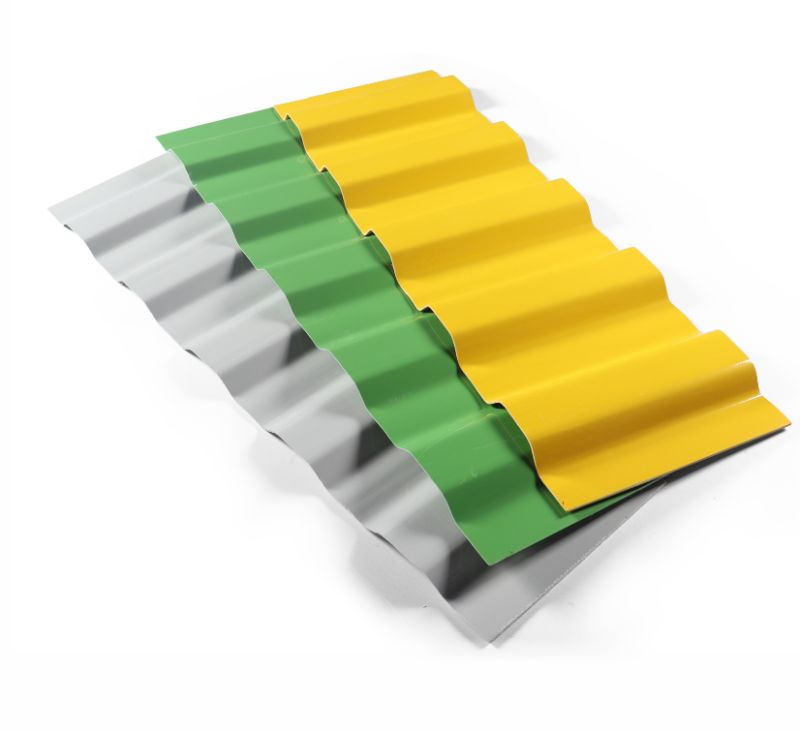
유리섬유 지붕 타일
유리섬유 지붕 타일은 열경화성 수지 매트릭스에 연속적인 유리섬유 가닥을 삽입하여 제조한 고성능 경량 지붕재입니다. 탁월한 내후성을 위해 설계되었습니다...

-
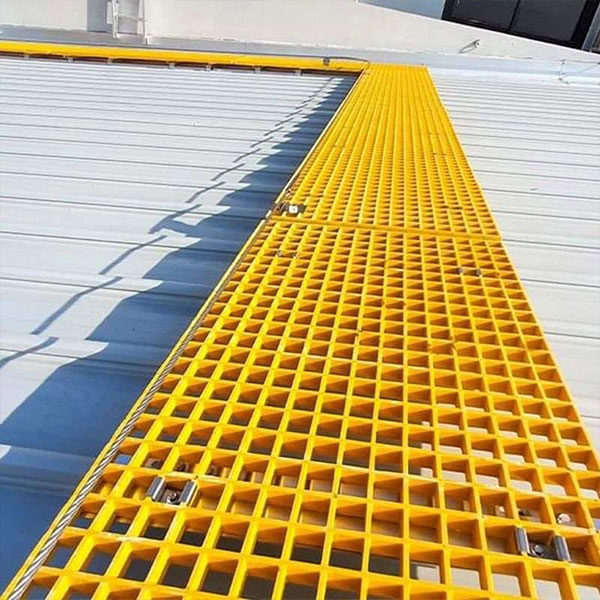
FRP 보행로
FRP(섬유 강화 플라스틱) 보행로는 내구성이 뛰어나고 부식에 강한 복합 재료로 만들어지며, 일반적으로 유리 섬유에 폴리에스터, 비닐 에스터 또는 에폭시 수지를 첨가하여 제작됩니다.
-
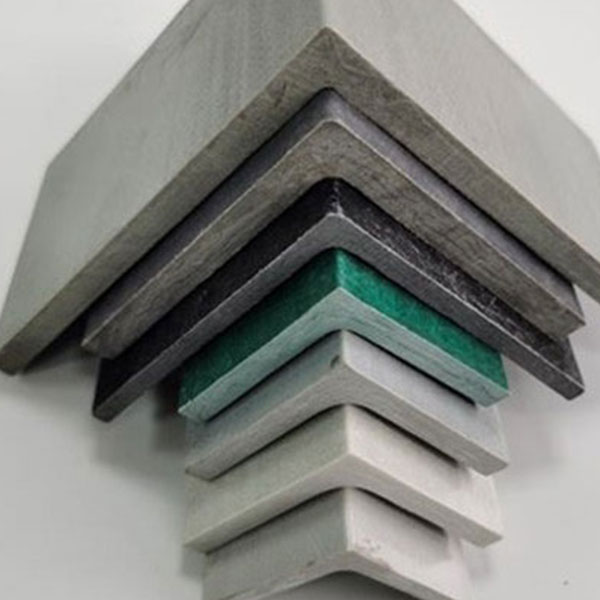
FRP 압출 성형 프로파일
FRP 풀트루전 프로파일은 풀트루전이라는 연속 제조 공정을 사용하여 섬유 강화 플라스틱으로 만들어지는 구조용 형강입니다. 이 공정은 일반적으로 유리 섬유, 탄소 섬유 등의 섬유를 잡아당기는 과정을 포함합니다.
-
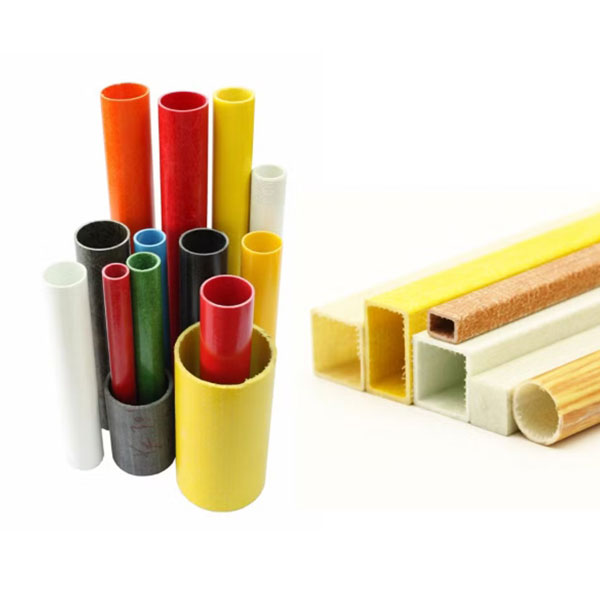
FRP 튜브
FRP 튜브, 즉 섬유 강화 플라스틱 튜브는 유리, 탄소 또는 아라미드 섬유와 같은 섬유로 보강된 고분자 매트릭스로 만들어진 고성능 복합 구조물입니다. 이러한 튜브는 다음과 같이 알려져 있습니다...
-
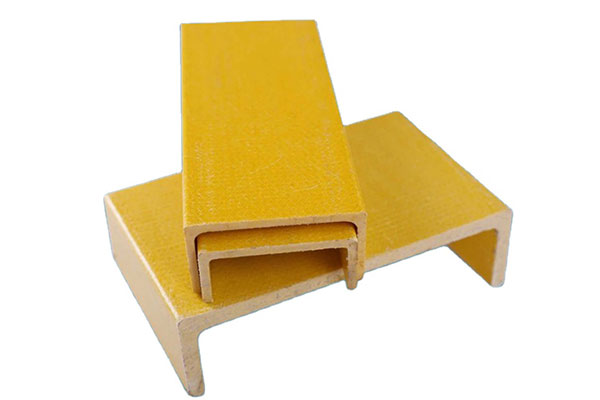
FRP 압출 성형 단면
FRP 인발 성형 단면은 인발 성형이라는 제조 공정을 사용하여 섬유 강화 폴리머(FRP)로 만들어진 구조용 프로파일입니다. 이 방법은 연속적인 보강재 가닥을 잡아당기는 과정을 포함합니다.
-
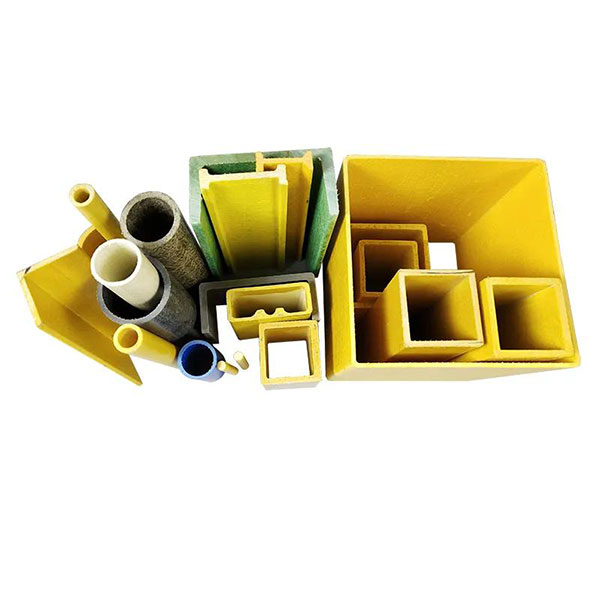
FRP 구조형 형상
FRP 구조형상(FRP 구조 프로파일 또는 유리섬유 강화 플라스틱 구조 부재라고도 함)은 유리섬유와 유리섬유 강화 플라스틱을 조합하여 만든 엔지니어링 복합재 부품입니다.
-
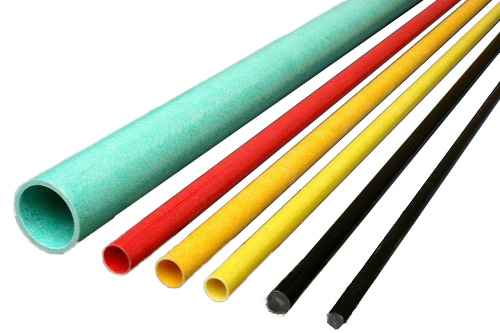
FRP 중공 원형 튜브
FRP 중공 원형 튜브 사양: 보기 크기 D*T(MM) 무게(G/M) 4*1.25 14.88 4*1.3 14.51 5.9*1.5 40.5...
-
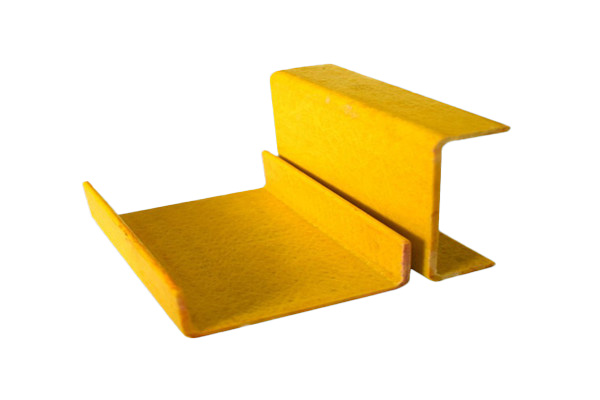
FRP C 채널
FRP C 채널 사양: 보기 크기 A*B*C(MM) 무게(G/M) 65*46*4 1648 90*50*4 2112 41*29*3.5(더블 C...