


-
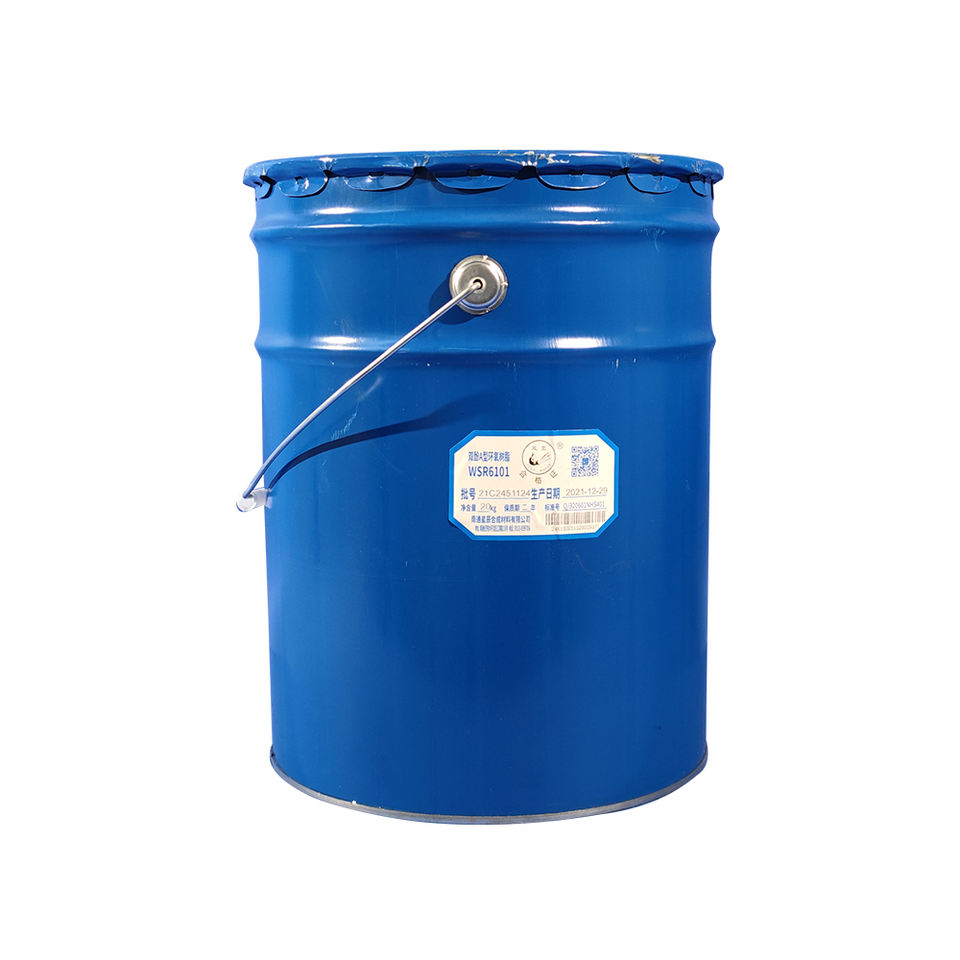
Resina de poliéster insaturada isoftálica
-
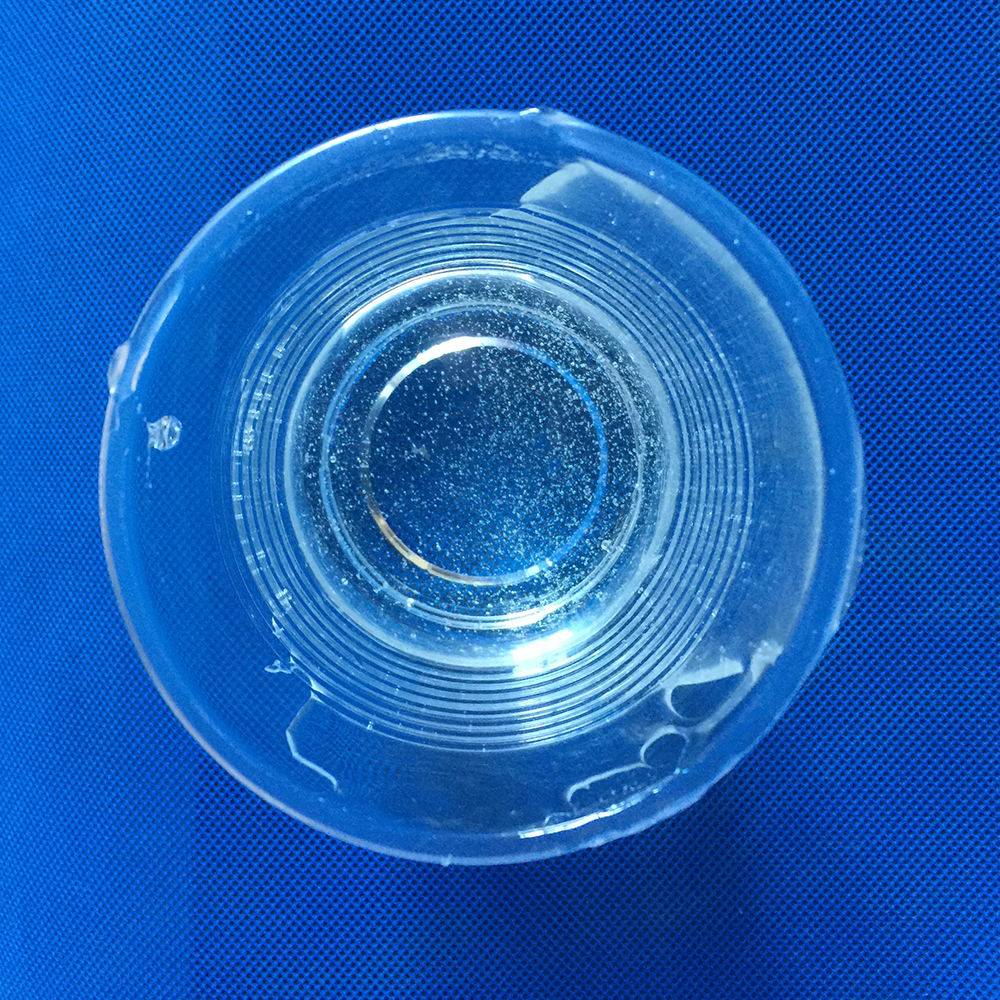
Resina de poliéster insaturada isoftálica
Resina de poliéster insaturada isoftálica (comumente abreviada como UPR isoftálico) é uma resina termofixa de alto desempenho amplamente utilizada na produção de Plásticos reforçados com fibra de vidro (FRP). Conhecido por sua excelente resistência química, propriedades mecânicas aprimoradas, e estabilidade térmica superior, representa uma melhoria significativa em relação aos modelos de uso geral. resinas o-ftálicas. Este documento fornece uma visão geral abrangente da resina isoftálica, incluindo suas propriedades. propriedades, formulários, técnicas de processamento, e uma descrição detalhada Ficha Técnica (TDS).
Introdução ao desempenho do produto
Resina de poliéster insaturada isoftálica (comumente abreviada como UPR isoftálico) é uma resina termofixa de alto desempenho amplamente utilizada na produção de Plásticos reforçados com fibra de vidro (FRP). Conhecido por sua excelente resistência química, propriedades mecânicas aprimoradas, e estabilidade térmica superior, representa uma melhoria significativa em relação aos modelos de uso geral. resinas o-ftálicas. Este documento fornece uma visão geral abrangente da resina isoftálica, incluindo suas propriedades. propriedades, formulários, técnicas de processamento, e uma descrição detalhada Ficha Técnica (TDS).
2. O que é resina de poliéster insaturada isoftálica?
A resina isoftálica é um tipo de resina de poliéster insaturada sintetizado pelo polimerização por condensação de ácido isoftálico (IPA) ou seu anidrido, com glicóis tais como propilenoglicol ou dietilenoglicol, e anidrido maleico. As ligações duplas insaturadas na cadeia molecular tornam-na curável por polimerização de radicais livres, normalmente através de iniciadores como o MEKP (peróxido de metil etil cetona).
Esta resina apresenta uma estrutura linear com grupos de vinil pendentes, tornando-o compatível com agentes de reticulação como monômero de estireno. Comparada à resina oftálica, a resina isoftálica UPR oferece maior resistência a produtos químicos, maior durabilidade, e maior resistência à tração.
3. Principais características e vantagens
-
✅ Resistência química superior
Adequado para aplicações que envolvam ácidos, álcalis e solventes moderados. -
✅ Alta resistência mecânica
A resistência aprimorada à flexão, tração e impacto o torna ideal para componentes de PRFV (Plástico Reforçado com Fibra de Vidro) que suportam cargas. -
✅ Excelente estabilidade térmica
Capaz de suportar temperaturas de serviço mais elevadas (até 120°C, dependendo da formulação). -
✅ Melhor resistência às intempéries
Resiste melhor à exposição aos raios UV, à entrada de água e aos ciclos térmicos do que as resinas padrão. -
✅ Boa aderência aos reforços
Funciona bem com fibra de vidro, fibra de carbono e outros reforços sintéticos. -
✅ Vida útil mais longa
Resistente a ambientes exigentes, como aplicações marítimas, industriais e externas.
4. Aplicações comuns
Graças ao seu perfil de desempenho aprimorado, o UPR isoftálico é utilizado em muitos produtos FRP estruturais e resistentes à corrosão exigentes:
✔️ Equipamentos industriais e químicos
-
Tanques
-
Esfoliantes
-
Tubos
-
Dutos
-
Capelas de exaustão
✔️ Marítimo e Offshore
-
Cascos de barcos
-
Baralhos
-
Painéis marítimos
-
Componentes para jet ski e caiaque
✔️ Construção
-
Grades
-
Perfis pultrudados
-
Tampas de bueiro
-
Vergalhões e painéis de parede
✔️ Transporte
-
Peças de carroceria automotiva
-
Painéis de caminhão
-
exteriores de veículos recreativos
✔️ Produtos de consumo e utilitários
-
Banheiras e pias
-
Bases de chuveiro
-
Bancadas resistentes a produtos químicos
5. Métodos de Processamento
As resinas isoftálicas são adequadas para uma ampla gama de técnicas de processamento:
| Método | Adequação |
|---|---|
| Laminação manual | Excelente |
| Pulverizar | Excelente |
| Enrolamento de filamentos | Excelente |
| Pultrusão | Muito bom |
| Moldagem por compressão | Bom |
| Moldagem por transferência de resina | Aceitável com resina modificada |
Agentes de cura:
Normalmente curado com MEKP ou BPO (peróxido de benzoíla) em combinação com aceleradores de cobalto e promotores.
Tempo de gel:
Ajustável dependendo da formulação e do sistema catalítico, normalmente. 8 a 30 minutos à temperatura ambiente.
6. Ficha Técnica (FT)
Abaixo segue um exemplo de TDS para Resina de poliéster insaturada isoftálica. Os valores reais podem variar ligeiramente dependendo da formulação e do fabricante.
📌 Propriedades Gerais
| Propriedade | Valor típico | Método de teste |
|---|---|---|
| Aparência | Líquido transparente a amarelo pálido | Visual |
| Viscosidade a 25°C (mPa·s) | 400 – 650 | Brookfield LV, #3/60 rpm |
| Índice de Acidez (mg KOH/g) | 15 – 25 | ISO 2114 |
| Conteúdo sólido (%) | 60 – 70 | ISO 3251 |
| Conteúdo de monômero (estireno %) | 30 – 40 | Método GC |
| Tempo de gelificação a 25°C (3 phr MEKP) | 12 a 18 minutos | ISO 2535 |
| Prazo de validade | 6 meses a ≤ 25°C | — |
🔧 Propriedades Mecânicas (Resina Curada)
| Propriedade | Valor típico | Método de teste |
|---|---|---|
| Resistência à tração (MPa) | 60 – 80 | ISO 527 |
| Módulo de tração (GPa) | 3,0 – 3,5 | ISO 527 |
| Alongamento na ruptura (%) | 2,0 – 3,5 | ISO 527 |
| Resistência à flexão (MPa) | 100 – 120 | ISO 178 |
| Módulo de flexão (GPa) | 3,5 – 4,2 | ISO 178 |
| Resistência ao impacto Izod (kJ/m²) | 6 – 10 | ISO 180 |
| Dureza Barcol | 35 – 45 | ASTM D2583 |
🌡️ Resistência térmica e química
| Propriedade | Valor típico | Método de teste |
|---|---|---|
| Temperatura de Deflexão Térmica (HDT °C) | 80 – 120 | ISO 75 |
| Absorção de água (%) | < 0,3 | ISO 62 |
| Condutividade térmica (W/m·K) | ~0.2 | ISO 22007 |
| Inflamabilidade | Autoextinguível (com enchimento) | UL94 |
| Resistência química | Excelente para ácidos e água salgada. | Teste interno |
7. Armazenamento e Manuseio
-
Armazenar em recipientes originais e lacrados em um área fresca, seca e sombreada.
-
Evite a exposição direta ao sol. Mantenha afastado de chamas abertas ou fontes de ignição.
-
Utilize os EPIs adequados Incluindo luvas, óculos de proteção e respirador, se necessário.
-
Garanta uma boa ventilação. durante o uso.
-
Observe o padrão procedimentos de segurança contra incêndio—resinas de poliéster insaturadas são inflamável.
8. Informações de segurança
-
Consulte o Ficha de Dados de Segurança de Materiais (MSDS) antes de manusear.
-
Os vapores podem causar irritação respiratória—Utilizar em áreas bem ventiladas.
-
Evite o contato com a pele e os olhos.
-
Usar equipamentos à prova de explosão em áreas de armazenamento e mistura.
9. Opções de embalagem
O UPR isoftálico está normalmente disponível nos seguintes formatos de embalagem:
| Tipo de embalagem | Peso |
|---|---|
| Tambores de metal | 220–240 kg |
| IBC Totes | 1000 kg |
| Tanque ISO a granel | ≥ 20.000 kg |
10. Conclusão
A resina de poliéster insaturada isoftálica oferece uma equilíbrio perfeito entre desempenho e custo para uma ampla gama de aplicações de compósitos. força aprimorada, durabilidade química, e resistência às intempéries e à degradação térmica Isso a torna a escolha ideal para clientes que buscam mais do que apenas uma resina de uso geral.
Seja para construir tanques químicos, decks marítimos, dutos resistentes à corrosão ou painéis de PRFV (Plástico Reforçado com Fibra de Vidro) de alta resistência, UPR isoftálico entrega Desempenho, confiabilidade e valor a longo prazo.
Resina de poliéster insaturada isoftálica
Series :
Produtos proxy >aplicativo
revestimentos, adesivos e compósitos
Nome do Produto :
resina o-ftálica


Perguntas frequentes
P:
Quais são as principais aplicações da resina de poliéster insaturada o-ftálica?
A :
O UPR o-ftálico é amplamente utilizado em aplicações gerais de plástico reforçado com fibra de vidro (PRFV), como grades, tanques, banheiras, tubos, painéis e componentes decorativos. É especialmente adequado para ambientes que exigem resistência mecânica moderada e custo-benefício, mas não é indicado para condições químicas agressivas ou de alta temperatura.
P:
Como se compara às resinas isoftálicas e de éster vinílico?
A :
Custo: O ácido o-ftálico é mais econômico. Desempenho: Possui menor resistência química e térmica em comparação com as resinas isoftálicas ou de éster vinílico. Uso: Escolha o ácido o-ftálico para uso geral, o ácido isoftálico para necessidades de maior resistência à corrosão/térmica e o éster vinílico para ambientes corrosivos ou de alto desempenho.
P:
Como armazenar e manusear resina o-ftálica com segurança?
A :
Armazene em local fresco (5–25 °C), seco e bem ventilado. Mantenha afastado do calor, fontes de ignição e luz solar. Utilize recipientes hermeticamente fechados, de preferência com atmosfera modificada com nitrogênio. Sempre utilize luvas e óculos de proteção, e sistema de exaustão de fumos ao manusear o produto. Consulte a FISPQ (Ficha de Informações de Segurança de Produtos Químicos) do seu fornecedor para obter informações detalhadas sobre os procedimentos de segurança.
P:
A resina o-ftálica pode ser pigmentada ou preenchida?
A :
Sim. A resina o-ftálica é compatível com pigmentos e cargas compatíveis com poliéster (por exemplo, carbonato de cálcio, ATH). Adicione os pigmentos e cargas antes de misturar os agentes de cura. Controle a viscosidade ao adicionar cargas para evitar má impregnação dos reforços.
P:
Qual é o prazo de validade da resina o-ftálica e como ele pode ser prolongado?
A :
O prazo de validade típico é de 3 a 6 meses quando armazenado em condições ideais (abaixo de 25 °C em recipiente hermeticamente fechado). Para prolongar o prazo de validade: certifique-se de que a resina esteja estabilizada com inibidores de hidroquinona ou MEHQ. Armazene em local escuro e fresco. Evite abrir os recipientes com frequência para limitar a exposição ao oxigênio e à umidade.
Outros produtos relacionados
-
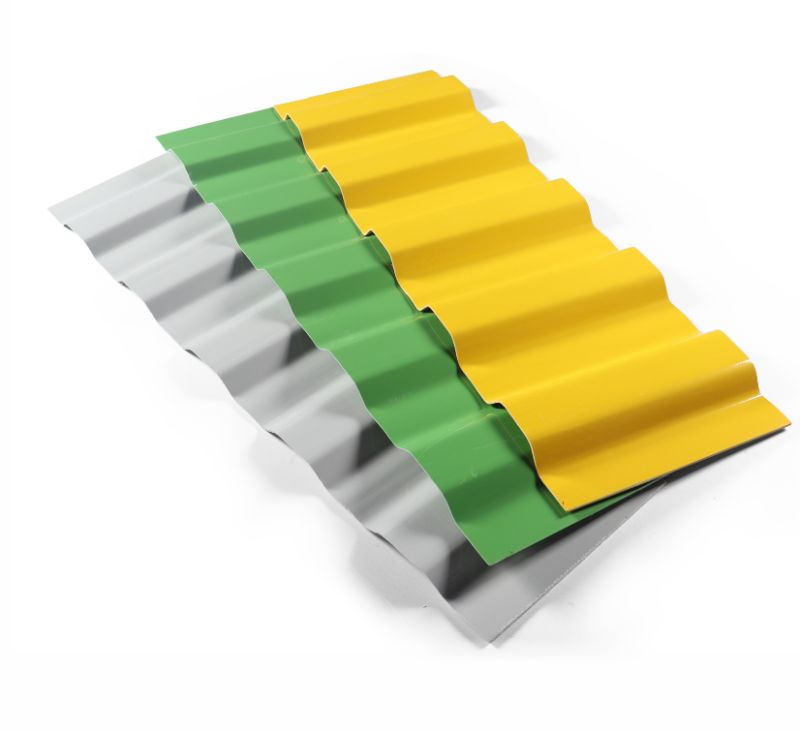
Telhas de fibra de vidro
As telhas de fibra de vidro são componentes de cobertura leves e de alto desempenho, fabricados com filamentos contínuos de fibra de vidro incorporados em uma matriz de resina termofixa. Projetadas para oferecer resistência superior às intempéries...

-
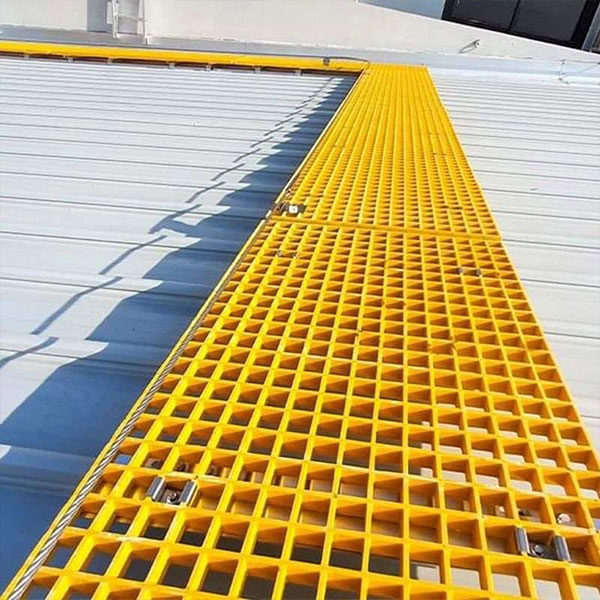
grade de plástico
As grades de plástico, também conhecidas como grades de PRFV (Plástico Reforçado com Fibra de Vidro), são uma alternativa moderna às grades metálicas tradicionais. São feitas de filamentos de fibra de vidro incorporados em uma manta de resina termofixa...
-
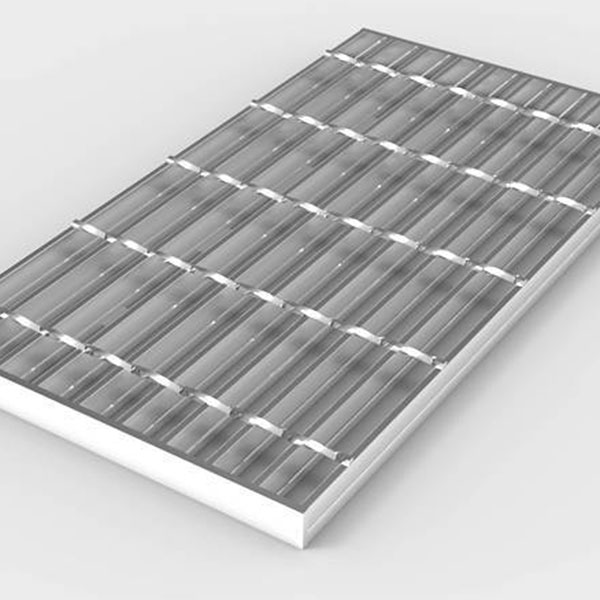
Grade metálica
As grades metálicas são um material durável e de alta resistência, amplamente utilizado em aplicações industriais, comerciais e arquitetônicas. Fabricadas com materiais como aço carbono, aço galvanizado, alumínio...
-
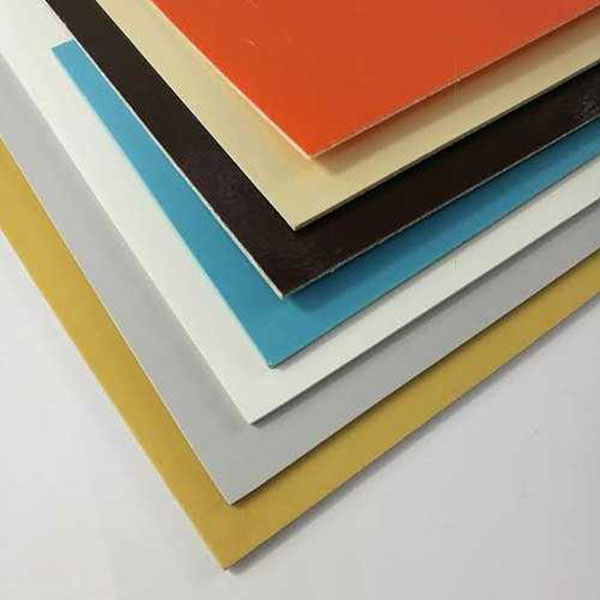
Chapas de PRFV
As chapas de FRP (chapas de polímero reforçado com fibra) são painéis compósitos planos feitos de uma combinação de fibras de reforço — normalmente fibra de vidro (vidro tipo E) — e uma matriz de resina polimérica, como poliéster, fibra de vidro ...
-
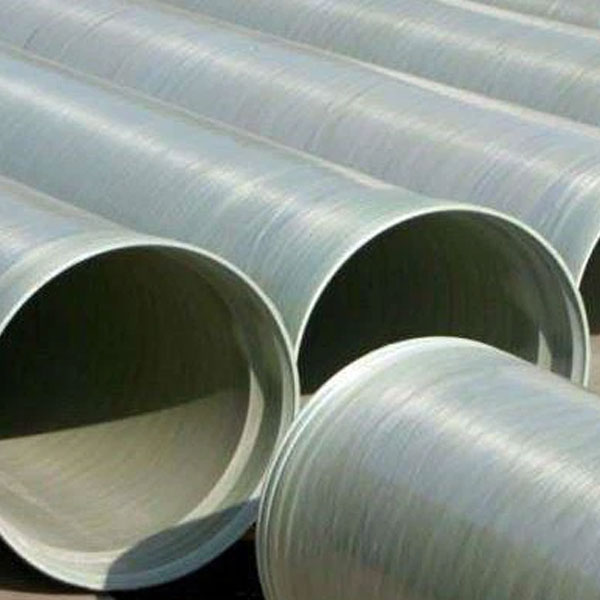
Tubo FRP
O tubo de FRP (Polímero Reforçado com Fibra) é um tubo compósito de alto desempenho feito de uma combinação de fibras de reforço fortes — normalmente de vidro, carbono ou aramida — incorporadas em uma resina termofixa.
-
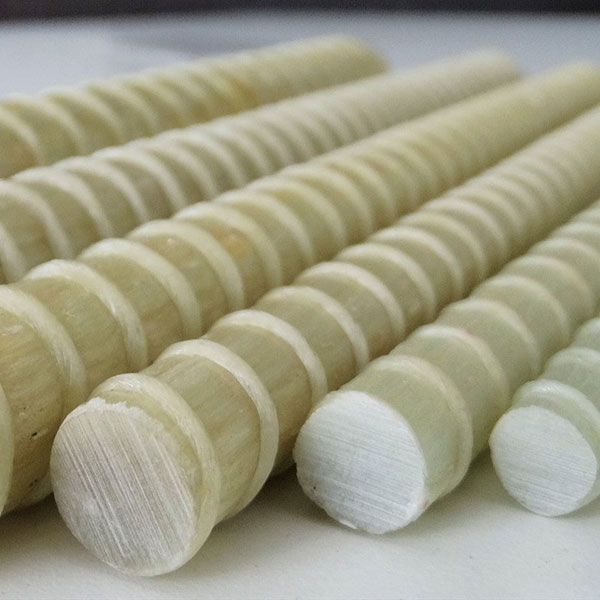
Barras de reforço e máquinas de FRP
As barras de reforço de polímero reforçado com fibra (FRP) são uma alternativa de alto desempenho às barras de aço tradicionais usadas em estruturas de concreto. Fabricadas a partir de uma combinação de fibras como vidro, carbono,...
-
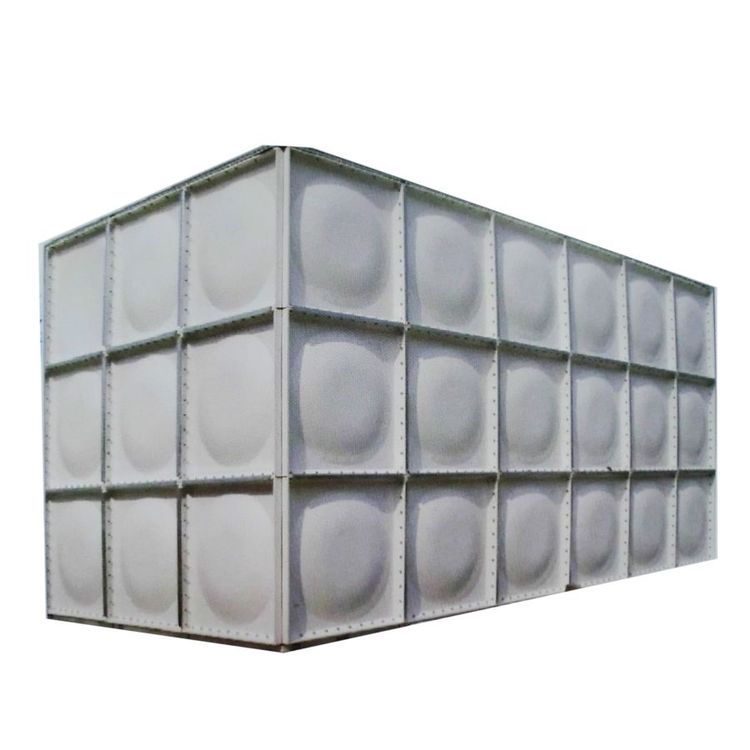
Tanque de água em PRFV (Plástico Reforçado com Fibra de Vidro)
Os tanques de armazenamento de água em PRFV (Plástico Reforçado com Fibra de Vidro) são recipientes de alto desempenho e resistentes à corrosão, projetados para o armazenamento seguro e de longo prazo de água em uma ampla variedade de aplicações.
-

Escadas e gaiolas de fibra de vidro reforçada (FRP)
As gaiolas de proteção em PRFV (Plástico Reforçado com Fibra) são estruturas de segurança instaladas ao redor de escadas verticais fixas, oferecendo proteção essencial contra quedas para trabalhadores em altura. Essas gaiolas...