


-
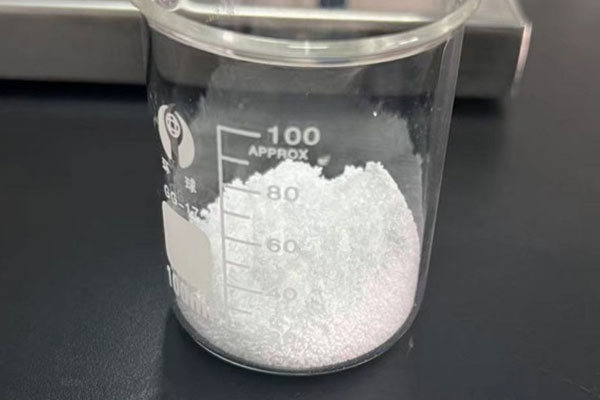
grânulos de BPO
Grânulos de Peróxido de Benzoíla (BPO) São uma forma granular estabilizada de peróxido de benzoíla, amplamente utilizada como iniciador de polimerização e agente de cura em diversas aplicações industriais. Esta forma oferece maior segurança, facilidade de manuseio e desempenho consistente em comparação com outras formas, como pós ou pastas.
Introdução ao desempenho do produto
1. Identidade Química
-
Nome químico: Peróxido de benzoíla
-
Número CAS: 94-36-0
-
Fórmula molecular: C₁₄H₁₀O₄
-
Peso molecular: 242,23 g/mol
-
Sinônimos: Peróxido de dibenzoíla, BPO, anidrido peroxibenzóico
2. Propriedades Físicas e Químicas
| Propriedade | Valor |
|---|---|
| Aparência | Sólido granular branco |
| Odor | Leve odor de benzaldeído |
| Ponto de fusão | 103–106 °C |
| Densidade | 1,16 g/cm³ a 25 °C |
| Solubilidade em água | Insolúvel |
| Solubilidade em solventes orgânicos | Solúvel em acetona, benzeno e clorofórmio; ligeiramente solúvel em etanol. |
| Ponto de inflamação |
|
| Temperatura de decomposição | 131 °C (meia-vida de 1 minuto) |
| Conteúdo teórico de oxigênio ativo | 6.62% |
3. Ficha Técnica (FT)
3.1. Especificações do produto
| Parâmetro | Especificação |
|---|---|
| Análise (Teor de BPO) | 72–76% |
| Conteúdo de água | 22–25% |
| Cloreto Livre | ≤0,1% |
| Ácido livre (como ácido benzoico) | ≤0,5% |
| Aparência | Sólido granular branco |
| Densidade aparente | 500–600 kg/m³ |
3.2. Dados de decomposição térmica
| Meia-vida | Temperatura |
|---|---|
| 10 horas | 73 °C |
| 1 hora | 92 °C |
| 1 minuto | 131 °C |
4. Aplicações
4.1. Indústria de Polímeros
-
Iniciador para polimerização: Os grânulos de BPO são amplamente utilizados para iniciar a polimerização de monômeros como estireno, metacrilato de metila e acrilatos na produção de plásticos, resinas e adesivos.
4.2. Materiais Compósitos
-
Agente de cura: Em resinas de poliéster insaturadas e ésteres vinílicos, os grânulos de BPO atuam como agente de cura, facilitando a reticulação durante a fabricação de plásticos reforçados com fibra de vidro.
4.3. Indústria da Borracha
-
Agente vulcanizante: Os grânulos de BPO servem como agente vulcanizante e agente de reticulação para borracha de silicone e borracha fluorada.3bf12b2b2d28ef1b.en.made-in-china.com
5. Segurança e Manuseio
5.1. Identificação de Perigos
-
Agente oxidante: Os grânulos de BPO são fortes oxidantes e podem representar riscos de incêndio e explosão, especialmente quando secos ou em contato com materiais combustíveis.
-
Riscos à saúde: A exposição pode causar irritação na pele e nos olhos. A inalação de poeira pode irritar o trato respiratório.
5.2. Limites de exposição
-
Limite de Exposição Recomendado (REL) do NIOSH: TWA 5 mg/m³
-
Limite de Exposição Permissível (PEL) da OSHA: TWA 5 mg/m³
-
Imediatamente Perigoso à Vida ou à Saúde (IDLH): 1500 mg/m³
5.3. Equipamentos de Proteção Individual (EPI)
-
Proteção ocular: Óculos de proteção ou protetor facial
-
Proteção da pele: Luvas e vestuário de proteção
-
Proteção respiratória: Máscara contra poeira ou respirador em caso de ventilação inadequada.
5.4. Medidas de primeiros socorros
-
Inalação: Vá para um local com ar fresco. Procure atendimento médico se os sintomas persistirem.
-
Contato com a pele: Lave com água e sabão. Retire as roupas contaminadas.
-
Contato visual: Enxágue cuidadosamente com água durante vários minutos. Procure orientação médica.
-
Ingestão: Não provoque vômito. Procure atendimento médico imediato.
6. Armazenamento e Estabilidade
-
Condições de armazenamento: Armazene em local fresco, seco e bem ventilado, longe de fontes de calor e da luz solar direta.
-
Temperatura: Manter a temperatura de armazenamento abaixo de 35 °C.
-
Embalagem: Normalmente disponível em embalagens de 20 kg ou 25 kg com sacos internos de polietileno e tambores ou caixas de fibra externas.
-
Estabilidade: Os grânulos de BPO são estáveis nas condições de armazenamento recomendadas, mas decompõem-se mediante aquecimento, choque ou fricção.
7. Informações regulamentares
-
Número da ONU: 3104 (para BPO com conteúdo ≥52%)
-
Classe de Perigo: 5.2 (Peróxidos Orgânicos)
-
Grupo de embalagem: II
-
Listagens regulatórias: A terceirização de processos de negócios (BPO) está listada em diversas estruturas regulatórias, incluindo REACH, TSCA e OSHA.
8. Impacto Ambiental
-
Ecotoxicidade: O BPO é prejudicial à vida aquática e seus efeitos são duradouros.
-
Degradabilidade: Ele se decompõe em ácido benzoico e oxigênio, o que pode contribuir para a demanda de oxigênio ambiental.
grânulos de BPO
Series :
Produtos proxy >aplicativo
5.1. Indústria de Polímeros - Iniciador de Polimerização: O BPO é amplamente utilizado para iniciar a polimerização de monômeros como estireno, metacrilato de metila e acrilatos na produção de plásticos, resinas e adesivos. 5.2. Materiais Compósitos - Agente de Cura: Em resinas de poliéster insaturadas e éster vinílico, o BPO atua como agente de cura, facilitando a reticulação durante a fabricação de plásticos reforçados com fibra de vidro. 5.3. Produtos Farmacêuticos e Cosméticos - Tratamento da Acne: O BPO é um ingrediente ativo comum em medicamentos tópicos para acne devido às suas propriedades antibacterianas. 5.4. Indústria Alimentícia - Agente Branqueador: O BPO é empregado para branquear farinha, soro de leite e queijos, melhorando sua aparência.
Marca :
TFcomposite
Nome do Produto :
grânulos de BPO


Perguntas frequentes
P:
Para que serve a pasta BPO na indústria de fibra de vidro?
A :
A pasta de BPO (peróxido de benzoíla) é usada principalmente como iniciador de cura para resinas de poliéster insaturadas e vinil éster. Ela auxilia no início do processo de polimerização em diversos métodos de fabricação de fibra de vidro, como laminação manual, projeção, pultrusão, fundição e enrolamento de filamentos.
P:
Por que o BPO é usado em forma de pasta em vez de pó?
A :
Mais seguro (menor risco de explosão ou incêndio), mais fácil de manusear e misturar, menos poeira, mais estável durante o armazenamento e transporte.
P:
A pasta de BPO pode ser usada sozinha para cura?
A :
Não. A pasta de BPO requer um promotor/acelerador — geralmente octoato de cobalto — para se decompor adequadamente e gerar radicais livres para a cura.
P:
Qual é a dosagem típica de pasta de BPO na produção de fibra de vidro?
A :
A dosagem padrão geralmente varia de 1,0% a 2,5% em peso de resina, dependendo do tipo de resina, da velocidade de cura necessária e da temperatura.
Outros produtos relacionados
-
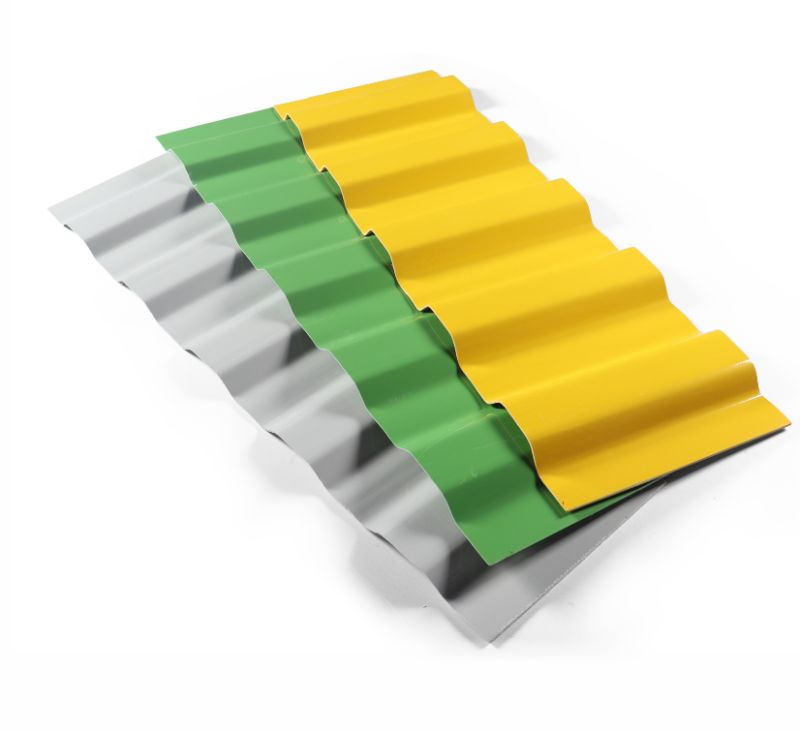
Telhas de fibra de vidro
As telhas de fibra de vidro são componentes de cobertura leves e de alto desempenho, fabricados com filamentos contínuos de fibra de vidro incorporados em uma matriz de resina termofixa. Projetadas para oferecer resistência superior às intempéries...

-
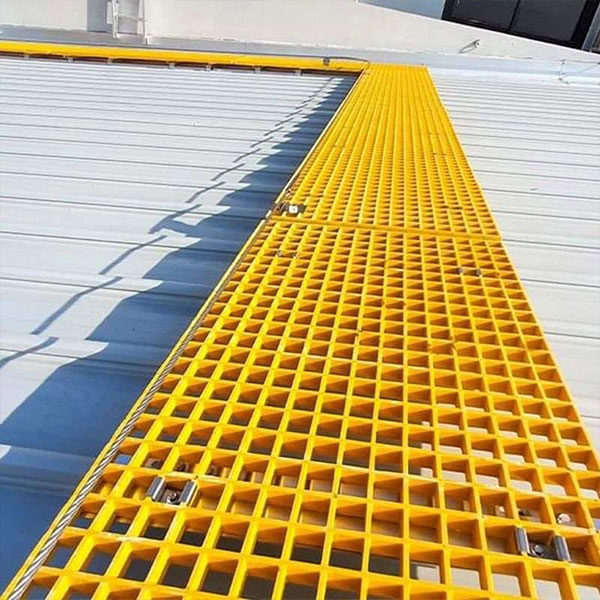
grade de plástico
As grades de plástico, também conhecidas como grades de PRFV (Plástico Reforçado com Fibra de Vidro), são uma alternativa moderna às grades metálicas tradicionais. São feitas de filamentos de fibra de vidro incorporados em uma manta de resina termofixa...
-
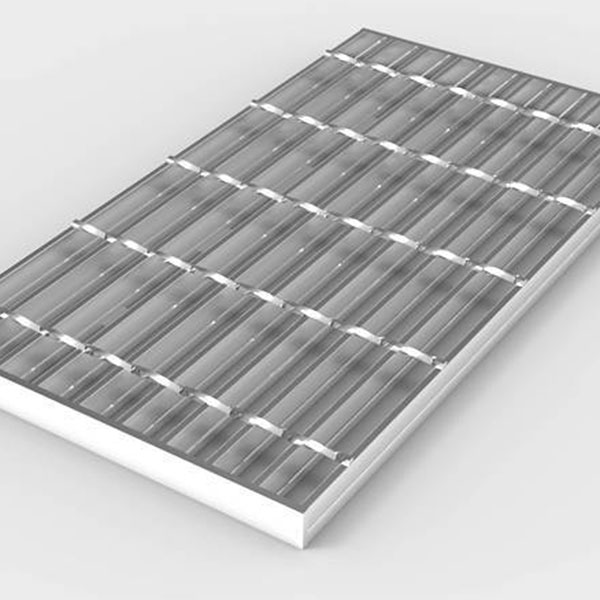
Grade metálica
As grades metálicas são um material durável e de alta resistência, amplamente utilizado em aplicações industriais, comerciais e arquitetônicas. Fabricadas com materiais como aço carbono, aço galvanizado, alumínio...
-

Chapas de PRFV
As chapas de FRP (chapas de polímero reforçado com fibra) são painéis compósitos planos feitos de uma combinação de fibras de reforço — normalmente fibra de vidro (vidro tipo E) — e uma matriz de resina polimérica, como poliéster, fibra de vidro ...
-
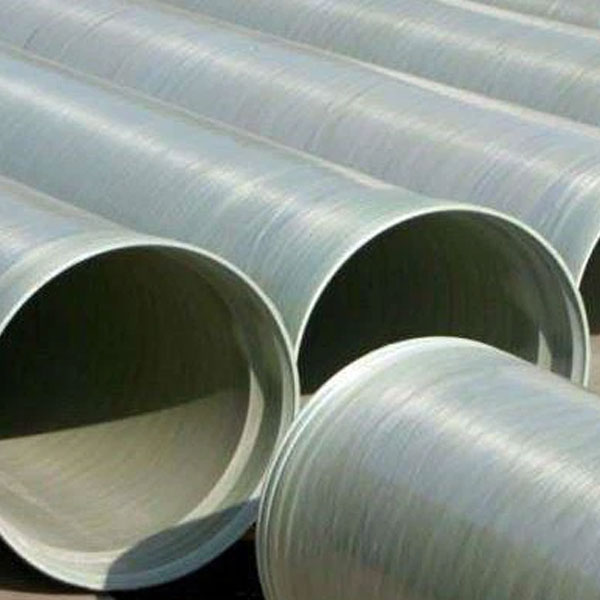
Tubo FRP
O tubo de FRP (Polímero Reforçado com Fibra) é um tubo compósito de alto desempenho feito de uma combinação de fibras de reforço fortes — normalmente de vidro, carbono ou aramida — incorporadas em uma resina termofixa.
-
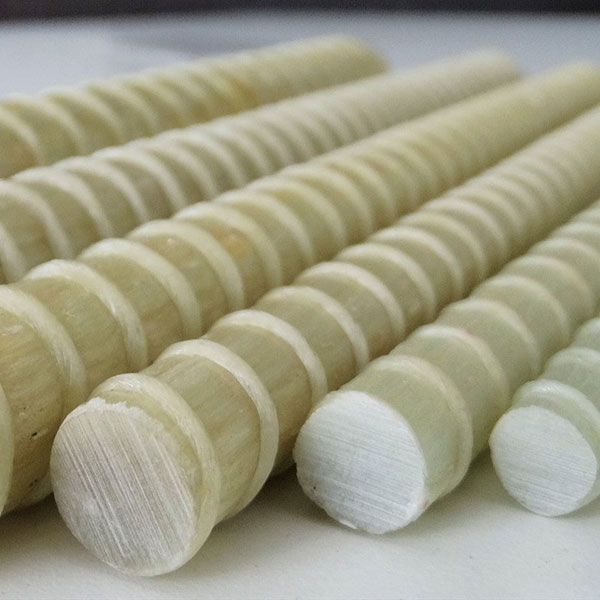
Barras de reforço e máquinas de FRP
As barras de reforço de polímero reforçado com fibra (FRP) são uma alternativa de alto desempenho às barras de aço tradicionais usadas em estruturas de concreto. Fabricadas a partir de uma combinação de fibras como vidro, carbono,...
-
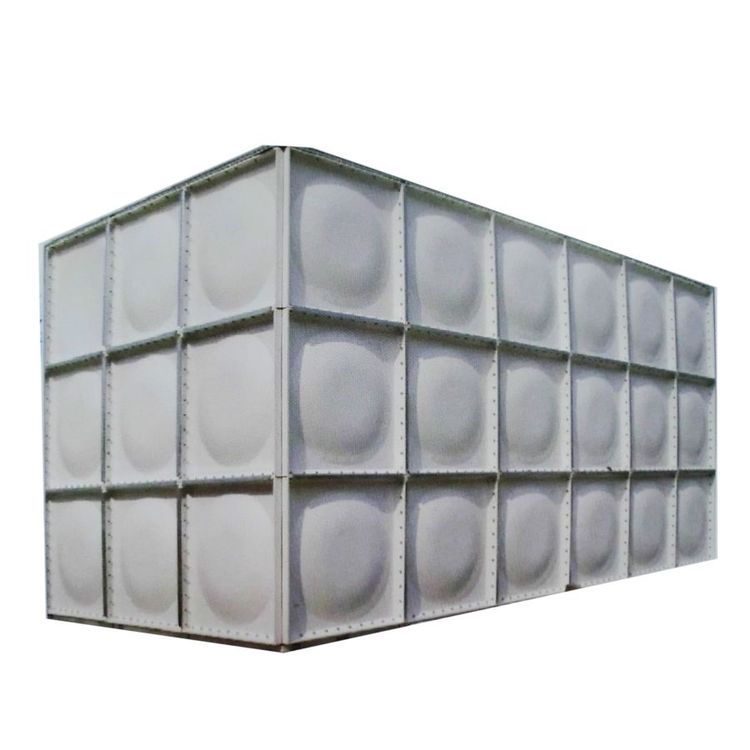
Tanque de água em PRFV (Plástico Reforçado com Fibra de Vidro)
Os tanques de armazenamento de água em PRFV (Plástico Reforçado com Fibra de Vidro) são recipientes de alto desempenho e resistentes à corrosão, projetados para o armazenamento seguro e de longo prazo de água em uma ampla variedade de aplicações.
-

Escadas e gaiolas de fibra de vidro reforçada (FRP)
As gaiolas de proteção em PRFV (Plástico Reforçado com Fibra) são estruturas de segurança instaladas ao redor de escadas verticais fixas, oferecendo proteção essencial contra quedas para trabalhadores em altura. Essas gaiolas...