


-

Ângulo de canto em FRP
-

Ângulo de canto em FRP
-

Ângulo de canto em FRP
-

Ângulo de canto em FRP
-

Ângulo de canto em FRP
Ângulo de canto em FRP é um fiber-reinforced plastic (FRP) structural component designed to provide strong, lightweight, and corrosion-resistant corner reinforcement in construction, industrial, and infrastructure applications. Unlike traditional materials such as steel, aluminum, or wood, FRP Corner Angles oferecer superior durability, chemical resistance, and electrical insulation, tornando-os ideais para outdoor, marine, and harsh industrial environments.
Introdução ao desempenho do produto
This article will cover the propriedades físicas, especificações, vantagens, desvantagens e aplicações de Ângulo de canto em FRP to help you understand its benefits and potential limitations.
1. Physical Properties of FRP Corner Angle
1.1. Resistência e Durabilidade
-
Alta relação resistência/peso – Comparable strength to steel but significantly lighter.
-
Excellent Tensile and Flexural Strength – Can withstand bending, compression, and tensile loads.
-
Resistência a impactos e choques – Absorbs vibrations and sudden impacts effectively.
1.2. Corrosion and Weather Resistance
-
Resistente à corrosão – Ideal para marine, chemical, and industrial environments.
-
Resistente aos raios UV – Coatings are available to prevent degradation from sunlight exposure.
-
Moisture and Chemical Resistance – Withstands exposure to harsh chemicals, water, and extreme weather conditions.
1.3. Propriedades Elétricas e Térmicas
-
Não Condutivo – Provides electrical insulation, making it safe for power plants and telecommunications.
-
Baixa condutividade térmica – Reduces heat transfer, useful in temperature-sensitive installations.
1.4. Resistência ao fogo
-
Opções retardantes de fogo – Available in specialized phenolic or fire-resistant resin formulations.
-
Low Smoke and Toxicity – Safer for applications in confined spaces or public buildings.
2. Specifications and Dimensions
2.1. Standard Dimensions
FRP Corner Angles come in various sizes, typically defined by leg length and thickness:
-
Leg Sizes: 25mm × 25mm (1” × 1”) to 150mm × 150mm (6” × 6”)
-
Grossura: 3mm (1/8”) to 12mm (1/2”)
-
Comprimento: Standard 3m (10ft) and 6m (20ft), with custom lengths available.
2.2. Composição do Material
FRP Corner Angles consist of:
-
Fibras de reforço:
-
Vidro E – Cost-effective with good strength and durability.
-
Vidro S – Higher performance for increased mechanical strength.
-
Carbon fiber – Lightweight and extremely rigid for specialized applications.
-
-
Polymer Resins:
-
Poliéster – Affordable and widely used.
-
Éster vinílico – Offers better resistência química.
-
Epóxi – High mechanical strength and excellent adhesion.
-
fenólico – Fornece superior fire resistance.
-
2.3. Mechanical Properties (Typical Values)
| Propriedade | Valor típico |
|---|---|
| Resistência à tracção | 200-600 MPa |
| Resistência à flexão | 200-500 MPa |
| Resistência à compressão | 200-550 MPa |
| Densidade | 1,5-2,0 g/cm³ |
| Módulo de Elasticidade | 20-35 GPa |
3. Advantages of FRP Corner Angle
3.1. Leve e fácil de manusear
-
Até 70% mais leve que o aço, making it easier to transport and install.
-
Reduces labor costs and equipment needs para instalação.
3.2. Resistência à corrosão e a produtos químicos
-
Sem ferrugem, apodrecimento ou degradação., mesmo em moisture-rich or corrosive environments.
-
Adequado para marine, wastewater, and industrial chemical exposure applications.
3.3. Segurança elétrica e magnética
-
Não Condutivo – Enhances safety in electrical, railway, and telecommunication infrastructure.
-
Não magnético – Useful for MRI rooms and sensitive instrumentation facilities.
3.4. Low Maintenance and Long Lifespan
-
No painting, sealing, or coating required, unlike steel or wood.
-
Resistente a mold, mildew, and termites.
3.5. Easy Fabrication and Installation
-
Pode ser easily cut, drilled, and joined using common tools.
-
No welding required, reducing installation complexity and costs.
3.6. Sustainable and Cost-Effective
-
Longer lifespan than metal or wood, reducing the need for frequent replacements.
-
No expensive corrosion treatments required, minimizing maintenance costs.
4. Disadvantages of FRP Corner Angle
4.1. Custo inicial mais elevado
-
FRP is more expensive than steel or aluminum per unit.
-
No entanto, long-term savings on maintenance and replacement justify the investment.
4.2. Menor rigidez em comparação com o aço.
-
Mais flexível que o aço., exigindo additional support in load-bearing applications.
-
Not ideal for high-load structures without reinforcement.
4.3. UV Degradation Without Protection
-
Exposure to direct sunlight can cause surface fading or slight degradation.
-
Requer Revestimentos resistentes aos raios UV Para uso prolongado ao ar livre.
4.4. Resistência limitada a altas temperaturas
-
FRP can soften above 150-200°C, unlike steel, which withstands extreme heat.
-
Fire-retardant versions are available but come at a higher cost.
4.5. Desafios da Reciclagem
-
Difficult to recycle due to its composite structure.
-
Limitado eco-friendly disposal options.
5. Applications of FRP Corner Angle
5.1. Usos industriais e de infraestrutura
-
Structural Corner Reinforcement – Usado em walkways, platforms, and load-bearing frameworks.
-
Fábricas de Processamento Químico – Resistant to acids, alkalis, and industrial solvents.
-
Water Treatment Facilities – Corrosion-resistant in high-moisture environments.
5.2. Aplicações marítimas e offshore
-
Dock and Pier Construction – Saltwater-resistant alternative to steel and wood.
-
Boat and Ship Structures – Lightweight reinforcement for marine vessels.
5.3. Construction and Building Applications
-
Corner Protection and Edge Reinforcement – Usado em buildings, warehouses, and bridges.
-
Roofing and Framing Supports – Ideal para lightweight but strong structures.
5.4. Elétrica e Telecomunicações
-
Substation and Power Grid Infrastructure – Non-conductive for electrical safety.
-
Telecom Towers and Enclosures – Durable and resistant to environmental stressors.
6. Conclusão
Ângulo de canto em FRP é um strong, lightweight, and corrosion-resistant alternative to traditional corner reinforcement materials. It offers superior durability, non-conductivity, and low maintenance, tornando-o ideal para construction, industrial, marine, and electrical applications.
Ângulo de canto em FRP
Series :
Principais Produtos >aplicativo
Industrial Applications,Marine & Offshore,Infrastructure & Construction,Electrical & Telecommunication
Marca :
TFcomposite
Nome do Produto :
Ângulo de canto em FRP
Material:
Fibra de vidro
Cor :
Gray,Other


Perguntas frequentes
P:
How long do FRP Special-Shaped Parts last?
A :
FRP Special-Shaped Parts have a service life of 25+ years, significantly outlasting many traditional materials such as wood (5-10 years) or steel (10-15 years, depending on conditions).
P:
Can FRP Special-Shaped Parts be used outdoors?
A :
Yes! FRP Special-Shaped Parts are highly UV-resistant and weatherproof, making them ideal for outdoor use in harsh environments like marine applications, chemical plants, and infrastructure.
P:
What are the typical dimensions and sizes of FRP Special-Shaped Parts?
A :
The dimensions of FRP Special-Shaped Parts vary greatly depending on the application and design. However, common sizes include: Length: Can be customized based on the project requirements (commonly 3m to 6m). Thickness: Typically 3mm to 50mm or more depending on strength needs. Width: Can be tailored based on the required shape and function (from small profiles to large sheets). Custom shapes such as curved, angled, and hollow profiles can be created to match exact design specifications.
Outros produtos relacionados
-
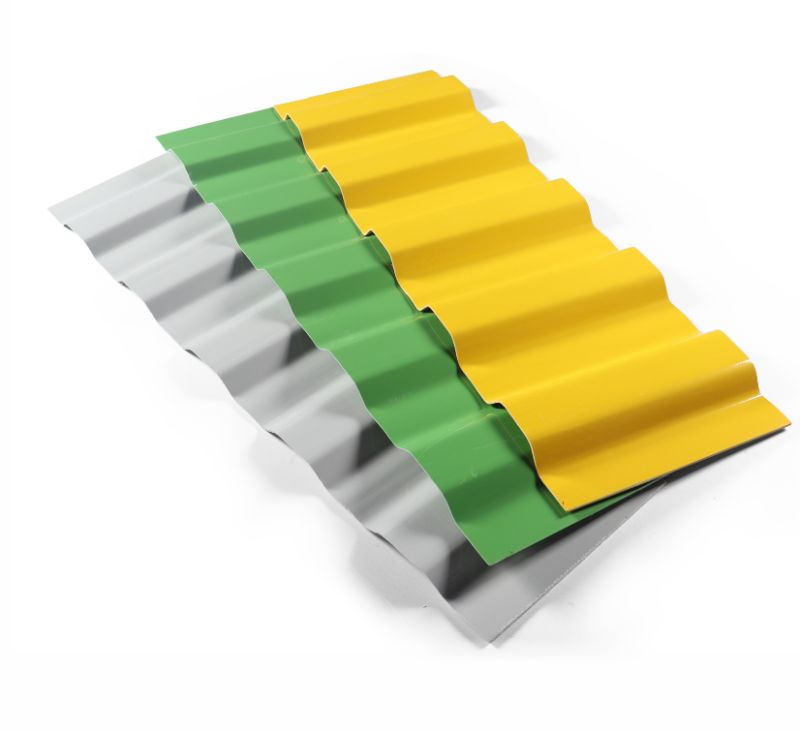
Telhas de fibra de vidro
As telhas de fibra de vidro são componentes de cobertura leves e de alto desempenho, fabricados com filamentos contínuos de fibra de vidro incorporados em uma matriz de resina termofixa. Projetadas para oferecer resistência superior às intempéries...

-
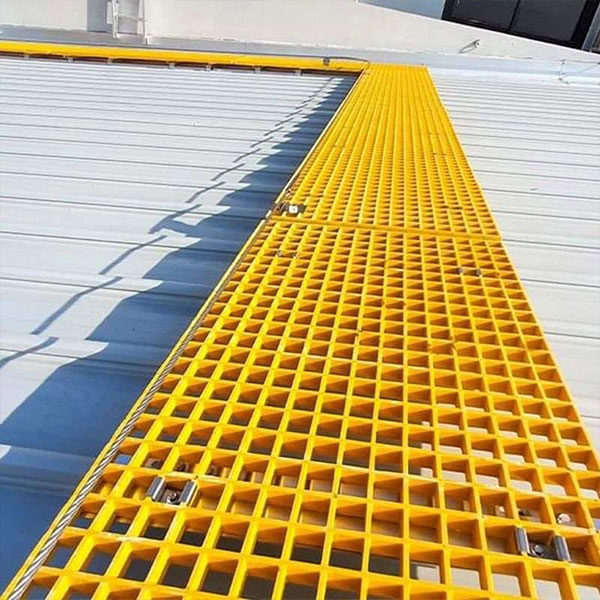
Passarelas de PRFV
As passarelas de PRFV (Plástico Reforçado com Fibra) são plataformas de caminhada duráveis e resistentes à corrosão, feitas de materiais compósitos, geralmente fibra de vidro reforçada com poliéster, vinil éster ou resina epóxi.
-
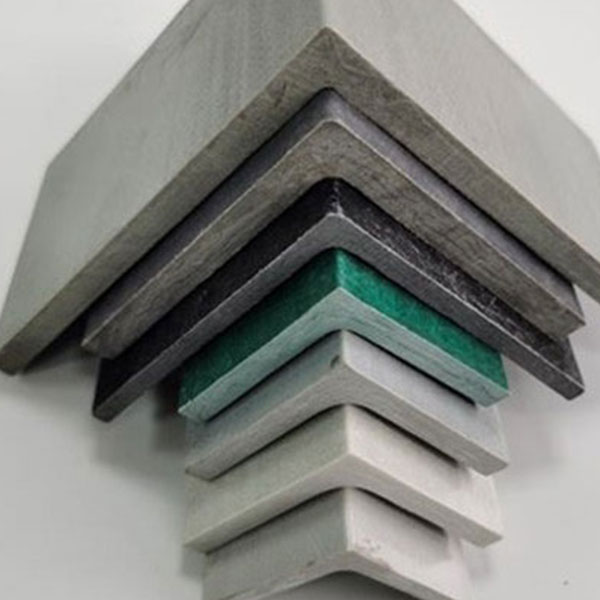
Perfil pultrudado de PRFV
Os perfis pultrudados de PRFV (Plástico Reforçado com Fibra) são formas estruturais fabricadas a partir de plástico reforçado com fibra, utilizando um processo de fabricação contínuo chamado pultrusão. Este processo envolve o estiramento de fibras — normalmente de vidro, carboneto de tungstênio, etc.
-
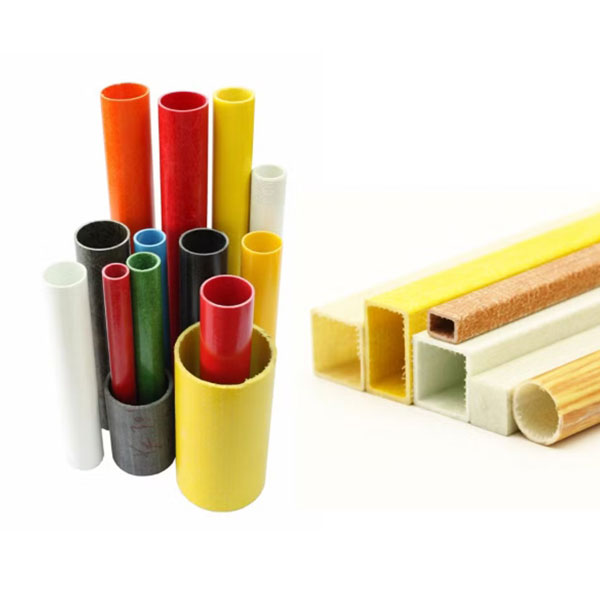
Tubos de PRFV
Os tubos de PRFV, ou tubos de plástico reforçado com fibra, são estruturas compostas de alto desempenho feitas de uma matriz polimérica reforçada com fibras, geralmente de vidro, carbono ou aramida. Esses tubos são conhecidos...
-
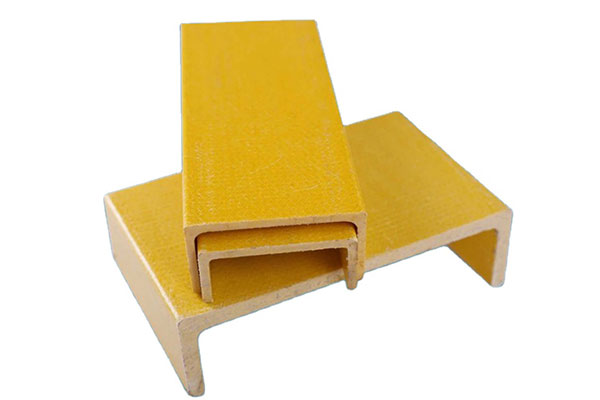
Seção pultrudada de PRFV
Os perfis pultrudados de PRFV são perfis estruturais fabricados com Polímero Reforçado com Fibra (PRFV) através de um processo de fabricação chamado pultrusão. Este método envolve o estiramento de filamentos contínuos de reforço...
-
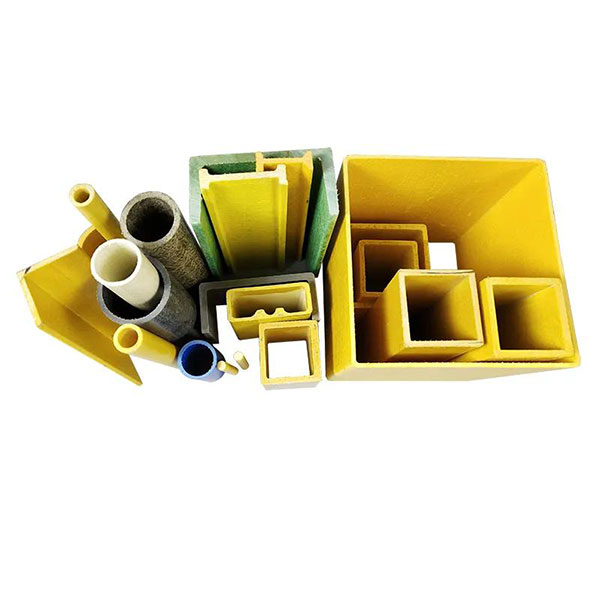
Formas Estruturadas em PRFV
Os perfis estruturais de PRFV (também conhecidos como perfis estruturais de PRFV ou elementos estruturais de plástico reforçado com fibra de vidro) são componentes compósitos de engenharia feitos de uma combinação de reforço de fibra de vidro...
-
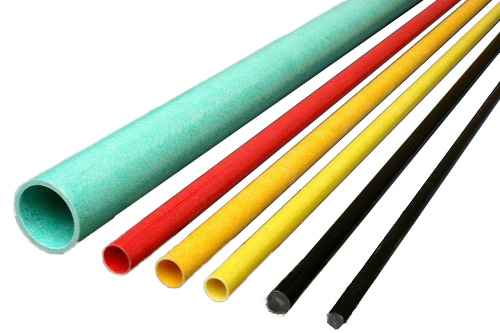
Tubo Redondo Oco FRP
Especificação do tubo redondo oco FRP: Ver tamanho D * T (MM) Peso (G / M) 4 * 1,25 14,88 4 * 1,3 14,51 5,9 * 1,5 40,5 ...
-
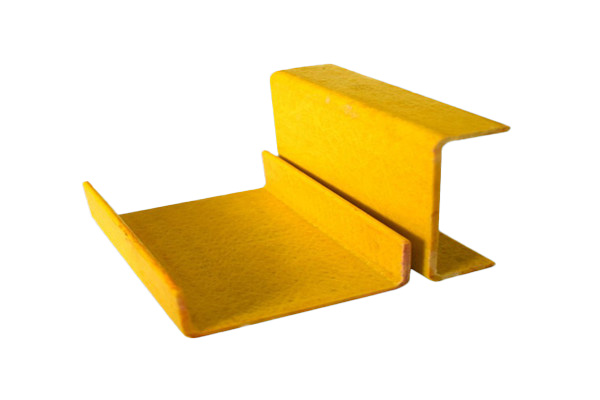
Canal FRP C
Especificação do canal FRP C: Ver tamanho A * B * C (MM) Peso (G / M) 65 * 46 * 4 1648 90 * 50 * 4 2112 41 * 29 * 3,5 (duplo C ...