


-

มุมตัว L ของ FRP
-

มุมตัว L ของ FRP
-

มุมตัว L ของ FRP
-

มุมตัว L ของ FRP
-

มุมตัว L ของ FRP
มุมตัว L ของ FRP เป็น น้ำหนักเบา ทนทาน และทนต่อการกัดกร่อน ส่วนประกอบโครงสร้างที่ออกแบบมาเพื่อการใช้งานหลากหลายในงานก่อสร้าง โครงสร้างพื้นฐานทางอุตสาหกรรม สภาพแวดล้อมทางทะเล และงานติดตั้งระบบไฟฟ้า ผลิตจาก พลาสติกเสริมใย (FRP), นอกจากนี้ยังเป็นทางเลือกที่เหนือกว่าวัสดุแบบดั้งเดิม เช่น เหล็ก อะลูมิเนียม และไม้, โดยนำเสนอ มีอัตราส่วนความแข็งแรงต่อน้ำหนักสูง ไม่นำไฟฟ้า และต้องการการบำรุงรักษาเพียงเล็กน้อย.
การแนะนำประสิทธิภาพของผลิตภัณฑ์
คู่มือนี้ครอบคลุมเนื้อหาดังต่อไปนี้ คุณสมบัติทางกายภาพ ข้อกำหนด ข้อดี ข้อเสีย และการใช้งาน ของ มุมตัว L ของ FRP เพื่อช่วยให้เข้าใจถึงประโยชน์และข้อจำกัดเฉพาะตัวของมัน.
1. คุณสมบัติทางกายภาพของเหล็กฉากรูปตัว L เสริมใยแก้ว (FRP L-Angle)
เหล็กฉากรูปตัว L ที่ทำจาก FRP การเสริมแรงด้วยใยแก้วอย่างต่อเนื่อง ฝังอยู่ใน เมทริกซ์เรซินพอลิเมอร์, ซึ่งทำให้มันมีความโดดเด่นเป็นพิเศษ ความแข็งแรงเชิงกล ความต้านทานต่อสารเคมี และความคงทน.
1.1. ความแข็งแรงและความทนทาน
-
อัตราส่วนความแข็งแรงต่อน้ำหนักสูง – มีความแข็งแรงเทียบเท่าเหล็ก แต่มีน้ำหนักเบากว่ามาก.
-
ความแข็งแรงดัดและความแข็งแรงดึง – สามารถทนต่อแรงดัดและแรงดึงอย่างมากโดยไม่เสียรูปทรง.
-
ทนต่อแรงกระแทก – ดูดซับแรงกระแทกและแรงสั่นสะเทือนได้ดีกว่าวัสดุที่เปราะบาง เช่น คอนกรีตหรืออะลูมิเนียม.
1.2. ความทนทานต่อการกัดกร่อนและสภาพอากาศ
-
ทนต่อการกัดกร่อน – ไม่เป็นสนิมหรือเสื่อมสภาพเมื่อสัมผัสกับความชื้น สารเคมี หรือมลพิษทางอุตสาหกรรม.
-
ทนต่อรังสียูวี – สารเคลือบพิเศษช่วยปกป้องจากแสงแดดและป้องกันการเสื่อมสภาพเมื่อเวลาผ่านไป.
-
ทนต่อสารเคมี – ทนทานต่อสารเคมีอุตสาหกรรม กรด และด่างที่รุนแรง.
1.3. ฉนวนไฟฟ้าและฉนวนความร้อน
-
ที่ไม่นำไฟฟ้า – ต่างจากโลหะ เหล็กฉากรูปตัว L ที่ทำจาก FRP ไม่นำไฟฟ้า ทำให้เหมาะอย่างยิ่งสำหรับตู้ไฟฟ้า.
-
ฉนวนกันความร้อน – ค่าการนำความร้อนต่ำเป็นประโยชน์ในงานที่ไวต่ออุณหภูมิ.
1.4. ความทนทานต่อไฟ
-
มีตัวเลือกวัสดุกันไฟให้เลือก – สูตรพิเศษเหล่านี้เป็นไปตามมาตรฐานความปลอดภัยด้านอัคคีภัย.
-
ควันและสารพิษต่ำ – เหล็กกล้าไร้สนิมบางเกรดปล่อยควันและไอพิษน้อยมากในกรณีเกิดเพลิงไหม้.
2. ข้อมูลจำเพาะและขนาด
2.1. ขนาดมาตรฐาน
เหล็กฉากรูปตัว L เสริมใยแก้ว (FRP L-Angle) มีจำหน่ายในขนาดต่างๆ เพื่อให้เหมาะสมกับความต้องการด้านโครงสร้างที่แตกต่างกัน.
-
ความยาวขา: จาก ขนาด 25 มม. × 25 มม. (1 นิ้ว × 1 นิ้ว) ถึง 150 มม. × 150 มม. (6 นิ้ว × 6 นิ้ว)
-
ความหนา: ช่วงราคาตั้งแต่ 3 มม. (1/8”) ถึง 12 มม. (1/2”)
-
ความยาว: มาตรฐาน 3 เมตร (10 ฟุต) และ 6 เมตร (20 ฟุต), สามารถสั่งตัดความยาวตามต้องการได้.
2.2. ส่วนประกอบของวัสดุ
-
เส้นใย:
-
อี-กลาส (ชนิดที่พบมากที่สุด) – แข็งแรงทนทานและราคาไม่แพง.
-
กระจก S (ประสิทธิภาพสูงกว่า) – เพิ่มความแข็งแรงต่อแรงดึงและแรงกระแทก.
-
คาร์บอนไฟเบอร์ (สำหรับการใช้งานเฉพาะทาง) – มีความแข็งแกร่งเป็นพิเศษและน้ำหนักเบา.
-
-
เรซิน:
-
โพลีเอสเตอร์ – คุ้มค่าและใช้งานได้หลากหลาย.
-
ไวนิลเอสเตอร์ – ทนทานต่อสารเคมีและการกัดกร่อนได้ดีเยี่ยม.
-
อีพ็อกซี่ – สมรรถนะเชิงกลและการยึดเกาะสูง.
-
ฟีนอลิก – ทนไฟและปล่อยควันน้อย เหมาะสำหรับงานที่ต้องการความปลอดภัยสูง.
-
2.3. คุณสมบัติทางกล (ค่าทั่วไป)
| คุณสมบัติ | ค่าทั่วไป |
|---|---|
| ความต้านแรงดึง | 200-600 เมกะปาสคาล |
| ความแข็งแรงในการดัดงอ | 200-500 เมกะปาสคาล |
| ความแข็งแรงในการบีบอัด | 200-550 เมกะปาสคาล |
| ความหนาแน่น | 1.5-2.0 กรัม/ซม³ |
| โมดูลัสของความยืดหยุ่น | 20-35 GPa |
3. ข้อดีของเหล็กฉากรูปตัว L ที่ทำจาก FRP
3.1. น้ำหนักเบาและใช้งานง่าย
-
เบากว่าเหล็กถึง 70% เพื่อความสะดวกในการขนส่งและติดตั้ง.
-
ช่วยลดต้นทุนด้านแรงงานและอุปกรณ์ยกของ.
3.2. ความต้านทานต่อการกัดกร่อนและสารเคมี
-
เหมาะอย่างยิ่งสำหรับสภาพแวดล้อมที่รุนแรง เช่น โรงงานทางทะเล โรงงานเคมี และโรงบำบัดน้ำเสีย.
-
ไม่มีสนิม การผุกร่อน หรือการเสื่อมสภาพ เมื่อเวลาผ่านไป.
3.3. ความปลอดภัยทางไฟฟ้าและแม่เหล็ก
-
ที่ไม่นำไฟฟ้า – ปลอดภัยสำหรับ สถานีไฟฟ้า รางรถไฟ และสถานที่ตรวจ MRI.
-
ไม่เป็นแม่เหล็ก – เหมาะสำหรับ สิ่งอำนวยความสะดวกด้านเครื่องมือทางการแพทย์และเครื่องมือวัดความแม่นยำสูง.
3.4. บำรุงรักษาง่ายและใช้งานได้ยาวนาน
-
ไม่ต้องทาสีหรือเคลือบใดๆ, ซึ่งแตกต่างจากเหล็กกล้า.
-
ทนทานต่อเชื้อรา ราดำ และปลวก, ซึ่งแตกต่างจากไม้.
3.5. ผลิตและติดตั้งง่าย
-
ตัด เจาะ และประกอบได้ง่าย โดยใช้เครื่องมือมาตรฐาน.
-
ไม่ต้องเชื่อมโลหะ, ช่วยลดต้นทุนแรงงานและความเสี่ยงในการติดตั้ง.
3.6. ยั่งยืนและคุ้มค่า
-
มีอายุการใช้งานยาวนานกว่าเหล็กหรือไม้, ซึ่งจะช่วยลดความถี่ในการเปลี่ยนชิ้นส่วนลง.
-
ไม่จำเป็นต้องใช้กรรมวิธีป้องกันการกัดกร่อนราคาแพง, ซึ่งจะช่วยลดต้นทุนโดยรวมลง.
4. ข้อเสียของเหล็กฉากรูปตัว L ที่ทำจาก FRP
4.1. ต้นทุนเริ่มต้นที่สูงกว่า
-
มีราคาแพงกว่าเหล็กหรืออลูมิเนียม ต่อหน่วย.
-
อย่างไรก็ตาม, ค่าใช้จ่ายในการบำรุงรักษาที่ต่ำกว่า สามารถชดเชยค่าใช้จ่ายเริ่มต้นที่สูงขึ้นได้.
4.2. ความแข็งแกร่งต่ำกว่าเมื่อเทียบกับเหล็ก
-
มีความยืดหยุ่นมากกว่าเหล็ก, ซึ่งต้องใช้การรองรับเพิ่มเติมในแอปพลิเคชันที่มีภาระงานสูง.
-
ไม่เหมาะสำหรับ รับน้ำหนักโครงสร้างหนักโดยไม่เสริมเหล็ก.
4.3. การเสื่อมสภาพจากรังสียูวีโดยปราศจากการป้องกัน
-
การสัมผัสเป็นเวลานานอาจทำให้สีซีดจางหรือพื้นผิวเสื่อมสภาพได้.
-
กำหนดให้มี สารเคลือบป้องกันรังสียูวี เหมาะสำหรับใช้งานกลางแจ้งในระยะยาว.
4.4. ความทนทานต่ออุณหภูมิสูงมีจำกัด
-
FRP มาตรฐานจะเริ่มอ่อนตัวลงเมื่ออุณหภูมิสูงกว่า 150-200 องศาเซลเซียส, ในขณะที่เหล็กสามารถทนต่ออุณหภูมิที่สูงกว่ามากได้.
-
มีรุ่นที่ทนไฟให้เลือก, แต่มีค่าใช้จ่ายสูงกว่า.
4.5. ความท้าทายในการรีไซเคิล
-
รีไซเคิลได้ยาก เนื่องจากวัสดุ FRP มีลักษณะเป็นวัสดุผสม.
-
ตัวเลือกมีจำกัดสำหรับ การกำจัดที่เป็นมิตรต่อสิ่งแวดล้อม.
5. การประยุกต์ใช้งานเหล็กฉากรูปตัว L เสริมใยแก้ว (FRP L-Angle)
5.1. การประยุกต์ใช้งานในภาคอุตสาหกรรมและโครงสร้างพื้นฐาน
-
การสนับสนุนโครงสร้าง – ใช้ใน ทางเดิน ชานพัก และโครงสร้างเสริมแรง.
-
โรงงานแปรรูปสารเคมี – ทนทานต่อสารเคมีรุนแรงโดยไม่เกิดการกัดกร่อน.
-
สิ่งอำนวยความสะดวกในการบำบัดน้ำเสีย – เหมาะสำหรับสภาพแวดล้อมที่มีความชื้นสูง.
5.2. การใช้งานทางทะเลและนอกชายฝั่ง
-
การก่อสร้างท่าเทียบเรือและสะพานเทียบเรือ – วัสดุที่ทนทานต่อการกัดกร่อนของน้ำเค็ม เป็นทางเลือกแทนเหล็กและไม้.
-
การเสริมความแข็งแรงของตัวเรือ – ใช้สำหรับทำโครงสร้างที่มีน้ำหนักเบาและทนทาน.
5.3. งานก่อสร้างและอาคาร
-
โครงสร้างและการรองรับ – ใช้ใน โครงสร้างหลังคา พื้น และผนัง.
-
สะพานและแผงกั้นริมถนน – น้ำหนักเบาแต่แข็งแรง เหมาะสำหรับสะพานลอยคนเดิน.
5.4. งานด้านไฟฟ้าและโทรคมนาคม
-
โครงสร้างพื้นฐานการกระจายพลังงาน – ไม่นำไฟฟ้าสำหรับ สถานีไฟฟ้าย่อยและโรงไฟฟ้า.
-
ตู้โทรคมนาคม – รองรับอุปกรณ์วิทยุและการสื่อสาร.
6. บทสรุป
มุมตัว L ของ FRP เป็น ใช้งานได้หลากหลาย ทนทานต่อการกัดกร่อน และมีน้ำหนักเบา เป็นทางเลือกแทนวัสดุแบบดั้งเดิม เช่น เหล็ก อลูมิเนียม และไม้ มันมีคุณสมบัติ... ทนทานเป็นเลิศ ติดตั้งง่าย และบำรุงรักษาน้อย, จึงเหมาะอย่างยิ่งสำหรับ การใช้งานในอุตสาหกรรม การเดินเรือ การก่อสร้าง และไฟฟ้า.
มุมตัว L ของ FRP
ชุด :
ผลิตภัณฑ์หลัก >แอปพลิเคชัน
การใช้งานในภาคอุตสาหกรรม, การเดินเรือและนอกชายฝั่ง, โครงสร้างพื้นฐานและการก่อสร้าง, ไฟฟ้าและการสื่อสารโทรคมนาคม
ชื่อแบรนด์ :
ทีเอฟคอมโพสิต
ชื่อผลิตภัณฑ์ :
มุมตัว L ของ FRP
วัสดุ :
ไฟเบอร์กลาส
สี :
สีเทา, อื่นๆ


คำถามที่พบบ่อย
ถาม :
ชิ้นส่วน FRP รูปทรงพิเศษมีอายุการใช้งานนานแค่ไหน?
ตอบ :
ชิ้นส่วนขึ้นรูปพิเศษจาก FRP มีอายุการใช้งานมากกว่า 25 ปี ซึ่งยาวนานกว่าวัสดุแบบดั้งเดิมหลายชนิด เช่น ไม้ (5-10 ปี) หรือเหล็ก (10-15 ปี ขึ้นอยู่กับสภาพแวดล้อม) อย่างมาก.
ถาม :
ชิ้นส่วน FRP รูปทรงพิเศษ สามารถใช้งานกลางแจ้งได้หรือไม่?
ตอบ :
ใช่แล้ว! ชิ้นส่วน FRP รูปทรงพิเศษมีความทนทานต่อรังสียูวีและสภาพอากาศสูง ทำให้เหมาะสำหรับการใช้งานกลางแจ้งในสภาพแวดล้อมที่รุนแรง เช่น การใช้งานทางทะเล โรงงานเคมี และโครงสร้างพื้นฐาน.
ถาม :
ขนาดและมิติโดยทั่วไปของชิ้นส่วน FRP รูปทรงพิเศษมีลักษณะอย่างไรบ้าง?
ตอบ :
ขนาดของชิ้นส่วน FRP รูปทรงพิเศษนั้นแตกต่างกันอย่างมาก ขึ้นอยู่กับการใช้งานและการออกแบบ อย่างไรก็ตาม ขนาดทั่วไป ได้แก่: ความยาว: สามารถปรับแต่งได้ตามความต้องการของโครงการ (โดยทั่วไป 3 เมตร ถึง 6 เมตร) ความหนา: โดยทั่วไป 3 มิลลิเมตร ถึง 50 มิลลิเมตร หรือมากกว่านั้น ขึ้นอยู่กับความต้องการด้านความแข็งแรง ความกว้าง: สามารถปรับแต่งได้ตามรูปทรงและฟังก์ชันที่ต้องการ (ตั้งแต่โปรไฟล์ขนาดเล็กไปจนถึงแผ่นขนาดใหญ่) สามารถสร้างรูปทรงที่กำหนดเอง เช่น โปรไฟล์โค้ง โปรไฟล์มุม และโปรไฟล์กลวง เพื่อให้ตรงกับข้อกำหนดการออกแบบที่แน่นอน.
สินค้าอื่นๆที่เกี่ยวข้อง
-
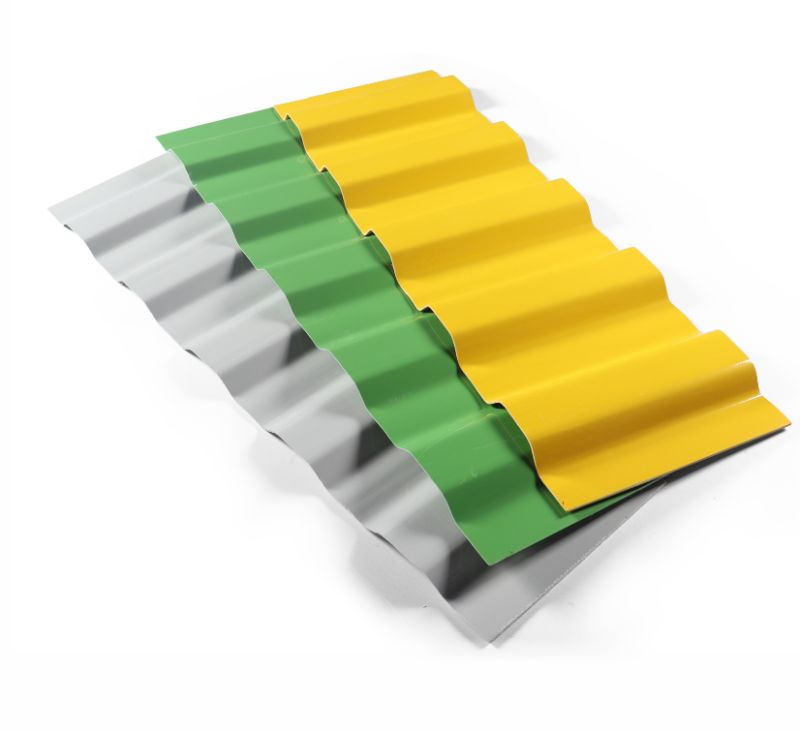
กระเบื้องหลังคาไฟเบอร์กลาส
กระเบื้องหลังคาไฟเบอร์กลาสเป็นส่วนประกอบหลังคาประสิทธิภาพสูง น้ำหนักเบา ผลิตโดยใช้เส้นใยไฟเบอร์กลาสต่อเนื่องฝังอยู่ในเมทริกซ์เรซินเทอร์โมเซตติง ออกแบบมาเพื่อทนต่อสภาพอากาศได้อย่างเหนือกว่า...

-
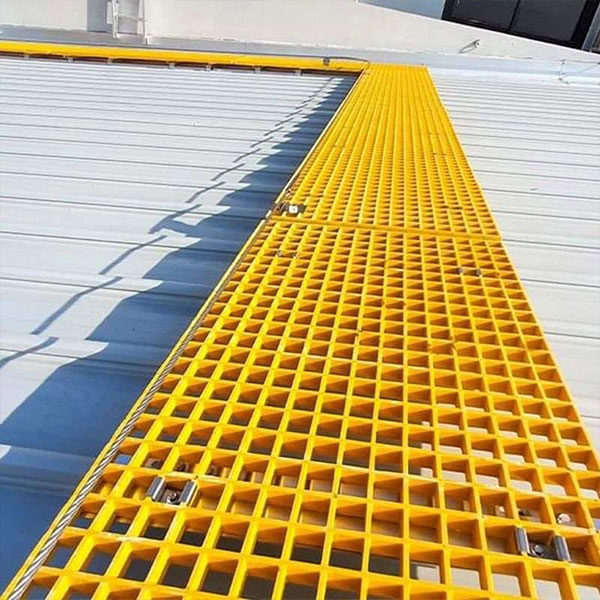
ทางเดินไฟเบอร์กลาส
ทางเดิน FRP (พลาสติกเสริมใยแก้ว) เป็นทางเดินที่ทนทานและทนต่อการกัดกร่อน ผลิตจากวัสดุผสม โดยทั่วไปคือใยแก้วเสริมด้วยโพลีเอสเตอร์ ไวนิลเอสเตอร์ หรืออีพ็อกซี่...
-
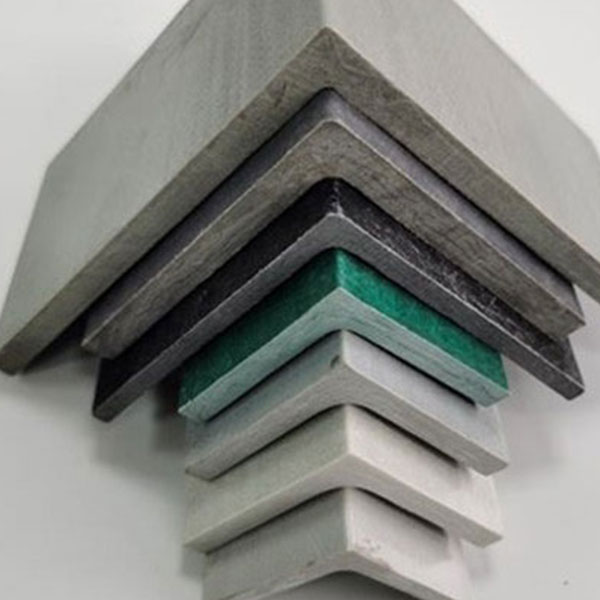
โปรไฟล์ FRP Pultruded
โปรไฟล์ FRP แบบพัลทรูชันเป็นรูปทรงโครงสร้างที่ทำจากพลาสติกเสริมใยแก้วโดยใช้กระบวนการผลิตแบบต่อเนื่องที่เรียกว่าพัลทรูชัน กระบวนการนี้เกี่ยวข้องกับการดึงเส้นใย ซึ่งโดยทั่วไปจะเป็นใยแก้ว แคลเซียมคาร์บอเนต...
-
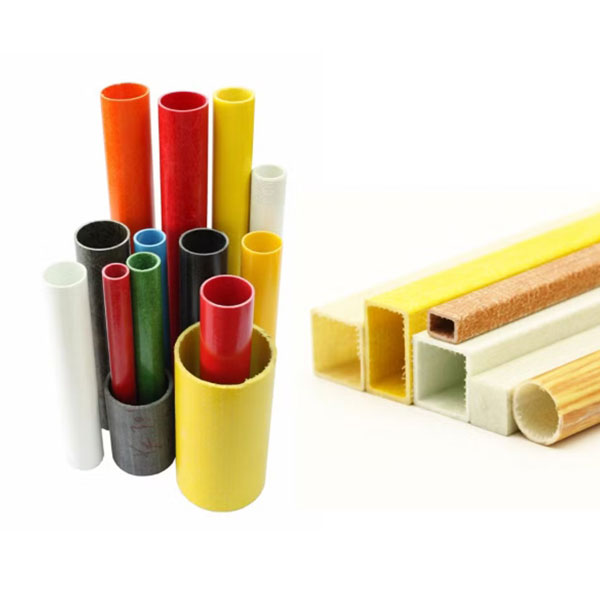
ท่อ FRP
ท่อ FRP หรือท่อพลาสติกเสริมใยแก้ว เป็นโครงสร้างคอมโพสิตประสิทธิภาพสูงที่ผลิตจากเมทริกซ์พอลิเมอร์เสริมด้วยเส้นใย ซึ่งโดยทั่วไปจะเป็นเส้นใยแก้ว คาร์บอน หรืออะรามิด ท่อเหล่านี้เป็นที่รู้จักกันดีในชื่อ...
-
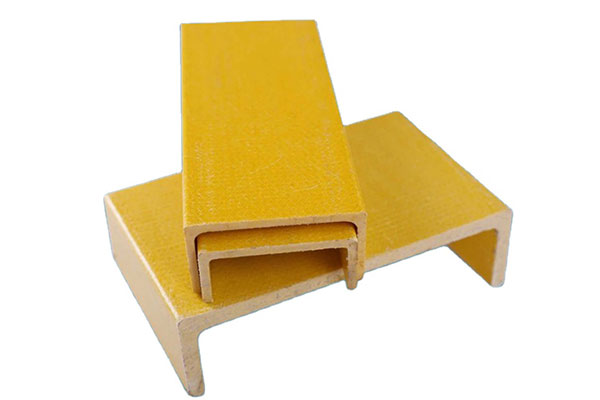
ส่วนประกอบ FRP แบบพัลทรูชั่น
โปรไฟล์โครงสร้าง FRP แบบพัลทรูชัน คือโปรไฟล์โครงสร้างที่ทำจากวัสดุพอลิเมอร์เสริมใยแก้ว (FRP) โดยใช้กระบวนการผลิตที่เรียกว่าพัลทรูชัน วิธีนี้เกี่ยวข้องกับการดึงเส้นใยเสริมแรงอย่างต่อเนื่อง...
-
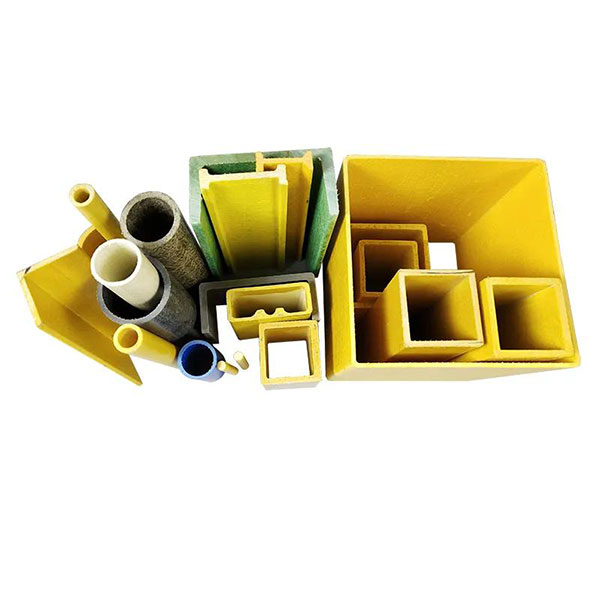
โครงสร้าง FRP
ชิ้นส่วนโครงสร้าง FRP (หรือที่รู้จักกันในชื่อ โปรไฟล์โครงสร้าง FRP หรือชิ้นส่วนโครงสร้างพลาสติกเสริมใยแก้ว) เป็นชิ้นส่วนคอมโพสิตที่ได้รับการออกแบบทางวิศวกรรม โดยผลิตจากส่วนผสมของใยแก้วเสริมแรง...
-
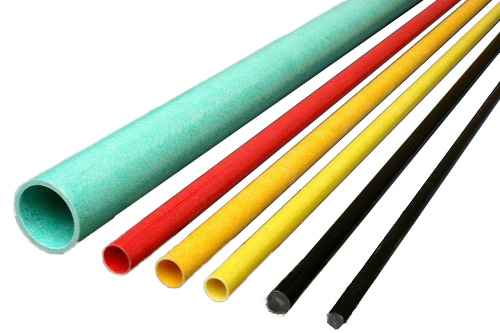
ท่อกลมกลวง FRP
ข้อมูลจำเพาะท่อกลมกลวง FRP: ดูขนาด D*T(MM) น้ำหนัก (G/M) 4*1.25 14.88 4*1.3 14.51 5.9*1.5 40.5...
-
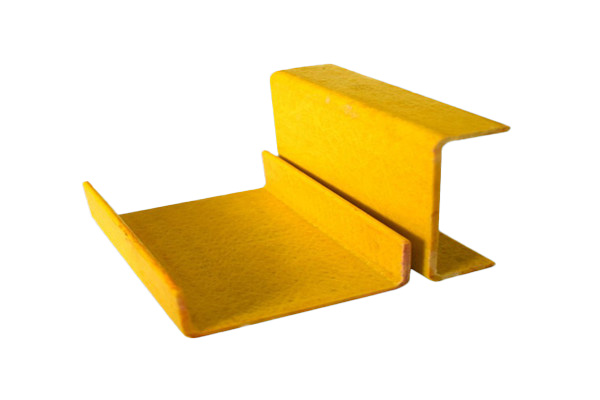
ช่อง FRP C
ข้อมูลจำเพาะช่อง FRP C: ดูขนาด A*B*C(MM) น้ำหนัก (G/M) 65*46*4 1648 90*50*4 2112 41*29*3.5(double C...