


-

FRP-Eckwinkel
-

FRP-Eckwinkel
-

FRP-Eckwinkel
-

FRP-Eckwinkel
-

FRP-Eckwinkel
FRP-Eckwinkel ist ein Faserverstärkter Kunststoff (FVK) Strukturbauteil entwickelt, um zu bieten robust, leicht und korrosionsbeständig Eckverstärkungen im Hoch-, Tief- und Infrastrukturbau. Im Gegensatz zu herkömmlichen Materialien wie Stahl, Aluminium oder Holz, GFK-Eckwinkel Angebot überlegene Haltbarkeit, Chemikalienbeständigkeit und elektrische Isolierung, wodurch sie ideal sind für Außen-, Meeres- und raue Industrieumgebungen.
Einführung zur Produktleistung
Dieser Artikel behandelt Folgendes: Physikalische Eigenschaften, Spezifikationen, Vorteile, Nachteile und Anwendungen von FRP-Eckwinkel um Ihnen zu helfen, die Vorteile und möglichen Einschränkungen zu verstehen.
1. Physikalische Eigenschaften von GFK-Eckwinkeln
1.1. Festigkeit und Haltbarkeit
-
Hohes Verhältnis von Festigkeit zu Gewicht – Vergleichbare Festigkeit wie Stahl, aber deutlich leichter.
-
Ausgezeichnete Zug- und Biegefestigkeit – Kann Biege-, Druck- und Zugbelastungen standhalten.
-
Schlag- und Stoßfestigkeit – Absorbiert Vibrationen und plötzliche Stöße effektiv.
1.2. Korrosions- und Witterungsbeständigkeit
-
Korrosionsbeständig – Ideal für Meeres-, Chemie- und Industrieumgebungen.
-
UV-beständig – Es sind Beschichtungen erhältlich, um eine Zersetzung durch Sonneneinstrahlung zu verhindern.
-
Feuchtigkeits- und Chemikalienbeständigkeit – Beständig gegen aggressive Chemikalien, Wasser und extreme Wetterbedingungen.
1.3. Elektrische und thermische Eigenschaften
-
Nicht leitend – Bietet elektrische Isolierung und gewährleistet so die Sicherheit für Kraftwerke und Telekommunikation.
-
Niedrige Wärmeleitfähigkeit – Verringert die Wärmeübertragung, was in temperaturempfindlichen Installationen von Vorteil ist.
1.4. Feuerbeständigkeit
-
Feuerhemmende Optionen – Erhältlich in speziellen Ausführungen Phenolharz- oder feuerbeständige Harzformulierungen.
-
Geringe Rauchentwicklung und geringe Toxizität – Sicherer für Anwendungen in beengten Räumen oder öffentlichen Gebäuden.
2. Spezifikationen und Abmessungen
2.1. Standardabmessungen
FRP-Eckwinkel sind in verschiedenen Größen erhältlich, die typischerweise definiert werden durch Beinlänge und Dicke:
-
Beinumfänge: 25 mm × 25 mm (1 Zoll × 1 Zoll) bis 150 mm × 150 mm (6 Zoll × 6 Zoll)
-
Dicke: 3 mm (1/8 Zoll) bis 12 mm (1/2 Zoll)
-
Länge: Standard 3 m (10 Fuß) und 6 m (20 Fuß), Sonderlängen sind auf Anfrage erhältlich.
2.2. Materialzusammensetzung
FRP-Eckwinkel bestehen aus:
-
Verstärkungsfasern:
-
E-Glas – Kostengünstig bei guter Festigkeit und Haltbarkeit.
-
S-Glas – Höhere Leistung für erhöhte mechanische Festigkeit.
-
Kohlenstofffaser – Leicht und extrem steif für spezielle Anwendungen.
-
-
Polymerharze:
-
Polyester – Preiswert und weit verbreitet.
-
Vinylester – Bietet bessere chemische Beständigkeit.
-
Epoxidharz – Hohe mechanische Festigkeit und ausgezeichnete Haftung.
-
Phenol – Bietet überlegene Feuerbeständigkeit.
-
2.3. Mechanische Eigenschaften (Typische Werte)
| Eigentum | Typischer Wert |
|---|---|
| Zugfestigkeit | 200-600 MPa |
| Biegefestigkeit | 200-500 MPa |
| Druckfestigkeit | 200-550 MPa |
| Dichte | 1,5–2,0 g/cm³ |
| Elastizitätsmodul | 20-35 GPa |
3. Vorteile von GFK-Eckwinkeln
3.1. Leicht und einfach zu handhaben
-
Bis zu 70% leichter als Stahl, wodurch Transport und Installation erleichtert werden.
-
Reduziert Arbeitskosten und Ausrüstungsbedarf zur Installation.
3.2. Korrosions- und Chemikalienbeständigkeit
-
Kein Rosten, Verrotten oder Zersetzen, sogar in feuchtigkeitsreiche oder korrosive Umgebungen.
-
Geeignet für Anwendungen im Bereich der Meeres-, Abwasser- und industriellen Chemikalienexposition.
3.3. Elektrische und magnetische Sicherheit
-
Nicht leitend – Erhöht die Sicherheit in elektrische, Eisenbahn- und Telekommunikationsinfrastruktur.
-
Nichtmagnetisch – Nützlich für MRT-Räume und Einrichtungen für empfindliche Instrumente.
3.4. Geringer Wartungsaufwand und lange Lebensdauer
-
Kein Streichen, Versiegeln oder Beschichten erforderlich, im Gegensatz zu Stahl oder Holz.
-
Resistent gegen Schimmel, Mehltau und Termiten.
3.5. Einfache Fertigung und Installation
-
Kann sein Lässt sich leicht schneiden, bohren und verbinden unter Verwendung gängiger Werkzeuge.
-
Kein Schweißen erforderlich, wodurch Installationskomplexität und -kosten reduziert werden.
3.6. Nachhaltig und kosteneffektiv
-
Längere Lebensdauer als Metall oder Holz, wodurch der Bedarf an häufigen Austauschteilen reduziert wird.
-
Keine teuren Korrosionsbehandlungen erforderlich, wodurch die Wartungskosten minimiert werden.
4. Nachteile von GFK-Eckwinkeln
4.1. Höhere Anfangskosten
-
GFK ist pro Einheit teurer als Stahl oder Aluminium..
-
Jedoch, langfristige Einsparungen bei Wartung und Ersatz die Investition rechtfertigen.
4.2. Geringere Steifigkeit im Vergleich zu Stahl
-
Flexibler als Stahl, die Folgendes erfordern zusätzliche Unterstützung bei tragenden Anwendungen.
-
Nicht ideal für hochbelastete Konstruktionen ohne Verstärkung.
4.3. UV-bedingte Degradation ohne Schutz
-
Direkte Sonneneinstrahlung kann zu einem Ausbleichen der Oberfläche oder zu leichten Beeinträchtigungen führen..
-
Erfordert UV-beständige Beschichtungen für den langfristigen Einsatz im Freien.
4.4. Begrenzte Hochtemperaturbeständigkeit
-
Faserverstärkter Kunststoff (FRP) kann oberhalb von 150-200 °C weich werden., im Gegensatz zu Stahl, der extremer Hitze standhält.
-
Feuerhemmende Ausführungen sind erhältlich, kosten aber mehr Geld..
4.5. Herausforderungen beim Recycling
-
Schwer zu recyceln aufgrund seiner Verbundstruktur.
-
Beschränkt umweltfreundliche Entsorgungsmöglichkeiten.
5. Anwendungen von GFK-Eckwinkeln
5.1. Industrielle und Infrastrukturnutzung
-
Eckverstärkung – Verwendet in Laufstege, Plattformen und tragende Rahmen.
-
Chemische Verarbeitungsanlagen – Beständig gegen Säuren, Laugen und industrielle Lösungsmittel.
-
Wasseraufbereitungsanlagen – Korrosionsbeständig in Umgebungen mit hoher Luftfeuchtigkeit.
5.2. Marine- und Offshore-Anwendungen
-
Dock- und Pierbau – Salzwasserbeständige Alternative zu Stahl und Holz.
-
Boots- und Schiffsstrukturen – Leichte Verstärkung für Seeschiffe.
5.3. Bau- und Gebäudeanwendungen
-
Eckenschutz und Kantenverstärkung – Verwendet in Gebäude, Lagerhallen und Brücken.
-
Dach- und Rahmenstützen – Ideal für leichte, aber stabile Konstruktionen.
5.4. Elektrotechnik und Telekommunikation
-
Umspannwerk- und Stromnetzinfrastruktur – Nichtleitend für elektrische Sicherheit.
-
Telekommunikationstürme und -gehäuse – Langlebig und resistent gegenüber Umweltbelastungen.
6. Schlussfolgerung
FRP-Eckwinkel ist ein robust, leicht und korrosionsbeständig Alternative zu herkömmlichen Eckverstärkungsmaterialien. Es bietet überlegene Haltbarkeit, nichtleitend und wartungsarm, wodurch es ideal ist für Anwendungen in den Bereichen Bauwesen, Industrie, Schifffahrt und Elektrotechnik.
FRP-Eckwinkel
Serie :
Hauptprodukte >Anwendung
Industrieanwendungen, Schifffahrt & Offshore, Infrastruktur & Bauwesen, Elektrotechnik & Telekommunikation
Markenname :
TF-Verbundwerkstoff
Produktname :
FRP-Eckwinkel
Material :
Glasfaser
Farbe :
Grau, Sonstige


FAQ
Q :
Wie lange ist die Lebensdauer von GFK-Sonderformen?
A :
GFK-Sonderformen haben eine Lebensdauer von über 25 Jahren und übertreffen damit viele traditionelle Werkstoffe wie Holz (5-10 Jahre) oder Stahl (10-15 Jahre, je nach Bedingungen) deutlich.
Q :
Können GFK-Sonderformen im Freien verwendet werden?
A :
Ja! GFK-Sonderformen sind äußerst UV-beständig und witterungsbeständig und eignen sich daher ideal für den Außeneinsatz in rauen Umgebungen wie in der Schifffahrt, in Chemieanlagen und im Infrastrukturbereich.
Q :
Welche typischen Abmessungen und Größen haben GFK-Sonderformen?
A :
Die Abmessungen von GFK-Sonderformen variieren je nach Anwendung und Konstruktion erheblich. Gängige Größen sind jedoch: Länge: Kann an die Projektanforderungen angepasst werden (üblicherweise 3 m bis 6 m). Dicke: Typischerweise 3 mm bis 50 mm oder mehr, abhängig von den Festigkeitsanforderungen. Breite: Kann an die gewünschte Form und Funktion angepasst werden (von kleinen Profilen bis hin zu großen Platten). Kundenspezifische Formen wie gebogene, abgewinkelte und hohle Profile können exakt nach Konstruktionsvorgaben gefertigt werden.
Andere verwandte Produkte
-
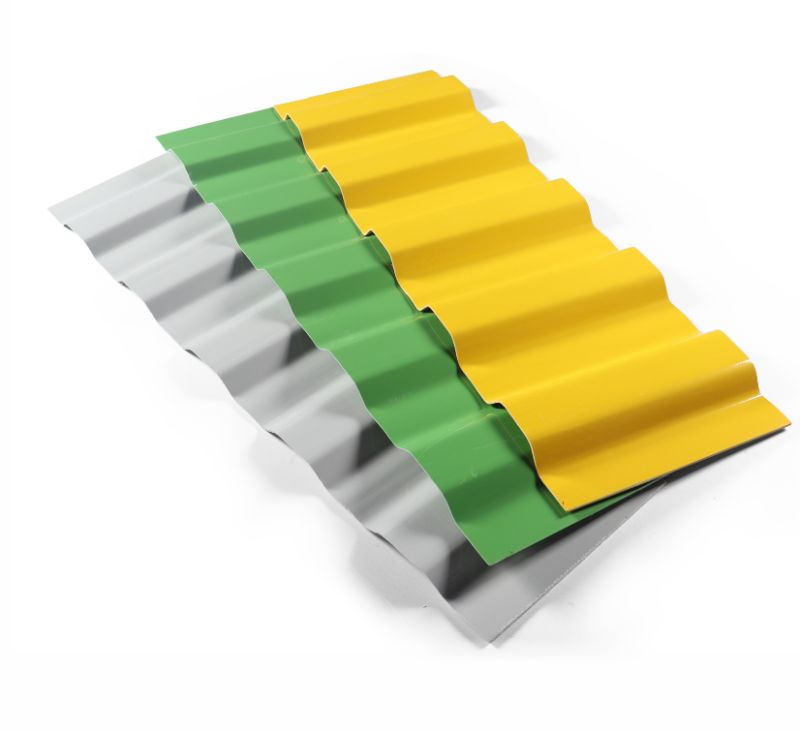
Glasfaser-Dachziegel
Glasfaser-Dachziegel sind leistungsstarke, leichte Dachbauteile, die aus durchgehenden Glasfasersträngen hergestellt werden, die in eine duroplastische Harzmatrix eingebettet sind. Sie sind für hervorragende Witterungsbeständigkeit ausgelegt...

-
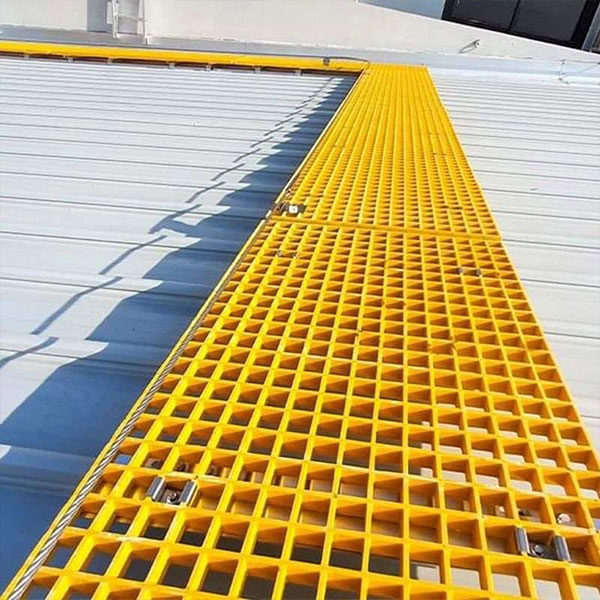
GFK-Laufstege
GFK-Laufstege (glasfaserverstärkter Kunststoff) sind langlebige, korrosionsbeständige Laufplattformen aus Verbundwerkstoffen, typischerweise Glasfasern, die mit Polyester, Vinylester oder Epoxidharz verstärkt sind...
-
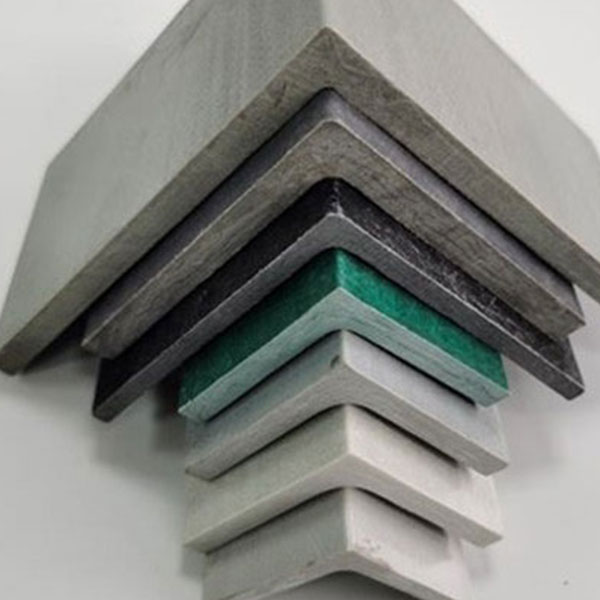
FRP-Pultrusionsprofil
Pultrudierte FRP-Profile sind Strukturprofile, die aus faserverstärktem Kunststoff mittels eines kontinuierlichen Fertigungsverfahrens namens Pultrusion hergestellt werden. Bei diesem Verfahren werden Fasern – typischerweise Glas, Kohlenstoff usw. – durch ein durchgehendes Faserprofil gezogen.
-
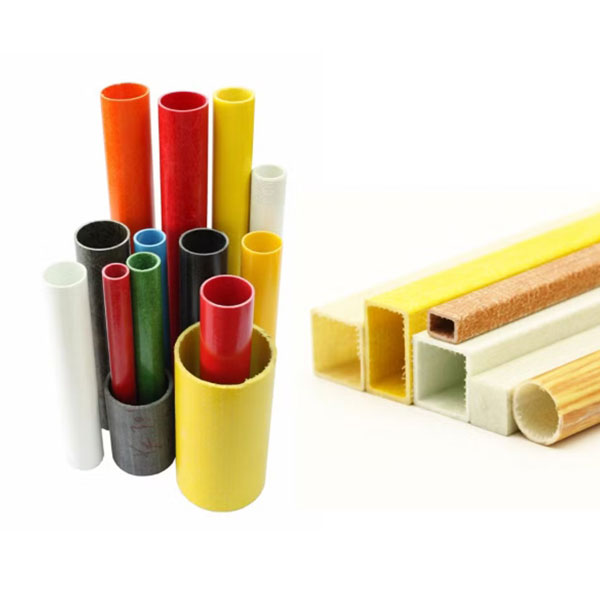
GFK-Rohre
FRP-Rohre (faserverstärkte Kunststoffrohre) sind Hochleistungsverbundstrukturen, die aus einer Polymermatrix bestehen, die mit Fasern, typischerweise Glas-, Kohlenstoff- oder Aramidfasern, verstärkt ist. Diese Rohre sind bekannt als...
-
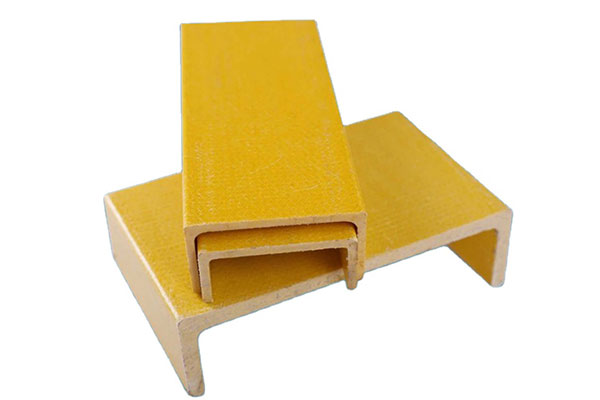
FRP-Pultrusionsprofil
Pultrudierte FRP-Profile sind Strukturprofile aus faserverstärktem Kunststoff (FRP), die mittels eines Fertigungsverfahrens namens Pultrusion hergestellt werden. Bei diesem Verfahren werden kontinuierliche Faserstränge gezogen….
-
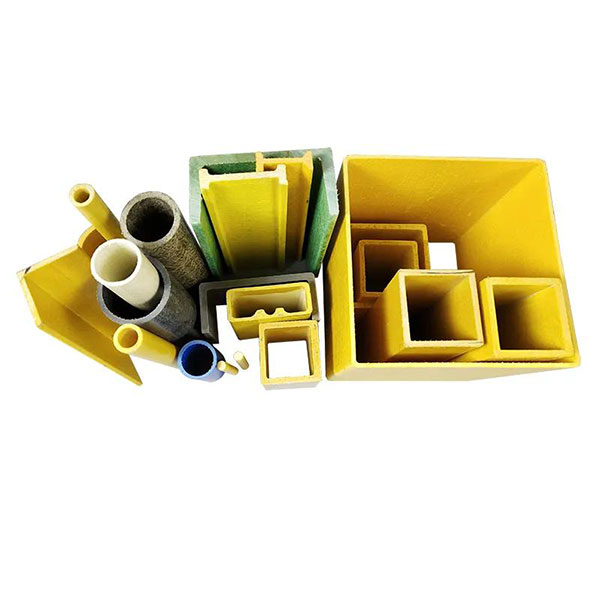
GFK-Strukturprofile
FRP-Strukturprofile (auch bekannt als FRP-Strukturprofile oder glasfaserverstärkte Kunststoff-Strukturbauteile) sind technische Verbundbauteile, die aus einer Kombination von Glasfaserverstärkung hergestellt werden...
-
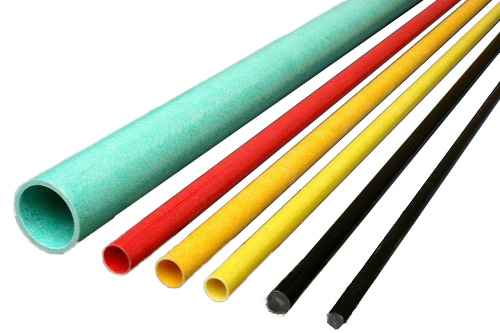
Hohles Rundrohr aus FRP
Spezifikation für hohle Rundrohre aus Glasfaserverstärktem Kunststoff (FRP): Größe anzeigen D*T (MM) Gewicht (G/M) 4*1,25 14,88 4*1,3 14,51 5,9*1,5 40,5...
-
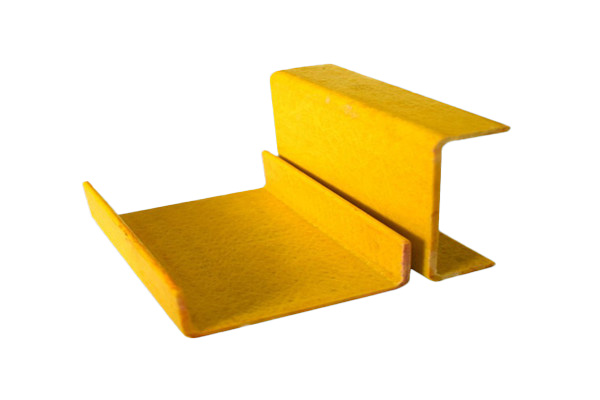
FRP C-Kanal
FRP C-Kanal-Spezifikation: Ansichtsgröße A*B*C (MM) Gewicht (G/M) 65*46*4 1648 90*50*4 2112 41*29*3,5 (doppeltes C...