


-

GFK-Sonderformteile
-

GFK-Sonderformteile
-

GFK-Sonderformteile
-

GFK-Sonderformteile
FRP (faserverstärkter Kunststoff) Sondergeformte Teile Sind kundenspezifisch gestaltete Verbundbauteile gemacht, um zu treffen spezifische strukturelle, funktionale oder ästhetische Anforderungen. Im Gegensatz zu Standard-GFK-Profilen werden diese Teile in komplexe Formen und Geometrien Verwendung Formgebungs-, Pultrusions- oder Filamentwickeltechniken.
Einführung zur Produktleistung
GFK-Sonderformteile werden in großem Umfang eingesetzt in Anwendungen in den Bereichen Industrie, Schifffahrt, Automobilindustrie, Luft- und Raumfahrt sowie Bauwesen Wo geringes Gewicht, Korrosionsbeständigkeit und hohe Festigkeit werden benötigt. Diese Komponenten werden häufig individuell angepasst. einzigartige Ingenieurprojekte, die traditionelle Materialien wie Metall, Holz oder Beton ersetzen.
2. Konventionelle Spezifikationen und Abmessungen
Allgemeine Spezifikationen
| Spezifikation | Einzelheiten |
|---|---|
| Material | Glasfaserverstärkter Kunststoff (FRP) |
| Harzarten | Polyester, Vinylester, Epoxidharz, Phenolharz |
| Farboptionen | Grau, Gelb, Grün, Weiß (anpassbar) |
| Oberflächenfinish | Glatt, strukturiert, angeraut (rutschfest) |
| Feuerdämmend | Verfügbar (ASTM E84 Klasse 1 oder 2) |
| Herstellungsprozess | Pultrusion, Formgebung, Handlaminierung, RTM |
| UV-Schutz | Ja (für Außenanwendungen) |
| Elektrische Leitfähigkeit | Nicht leitend |
Standard- und Sonderabmessungen
-
Die Abmessungen variieren basierend auf den Anwendungsanforderungen.
-
Länge, Breite und Dicke können sein Mass angefertigt um spezifischen Projektanforderungen gerecht zu werden.
-
Zu den GFK-Sonderformen gehören komplexe Geometrien wie Kurven, Winkel, Hohlräume und verstärkte Strukturen.
-
Kann entworfen werden für Integration mit anderen GFK-Komponenten.
3. Wichtigste Vorteile von GFK-Sonderformteilen
✅ Individuelles Design & Hohe Flexibilität
-
Hergestellt in komplexe Formen und Strukturen das mit herkömmlichen Materialien nicht erreicht werden kann.
-
Kann sein maßgeschneidert für spezifische technische, ästhetische oder Leistungsanforderungen.
✅ Korrosions- und Chemikalienbeständigkeit
-
Resistent gegen Säuren, Laugen und Feuchtigkeit, wodurch sie ideal sind für Meeres-, Industrie- und Chemieanlagenumgebungen.
-
NEIN Rost, Fäulnis oder Zersetzung wie Stahl oder Holz.
✅ Leicht und dennoch hochfest
-
70% ist leichter als Stahl. bei gleichzeitiger Beibehaltung einer ausgezeichneten strukturellen Integrität.
-
Leichter zu transportieren und zu installieren, wodurch die gesamten Arbeits- und Logistikkosten gesenkt werden.
✅ Feuerhemmende Optionen
-
Verfügbar in feuerhemmende Ausführungen (ASTM E84 Klasse 1 oder 2).
-
Geeignet für Branchen, die hohe Sicherheitsstandards.
✅ Witterungs- und UV-Beständigkeit
-
UV-stabilisierte Harze Langlebigkeit gewährleisten in im Freien und bei rauen Wetterbedingungen.
-
Hält stand hohe Luftfeuchtigkeit, extreme Temperaturen und direkte Sonneneinstrahlung.
✅ Elektrische und thermische Isolierung
-
Nichtleitend, um sicherzustellen Sicherheit in elektrischen Anwendungen.
-
Geringe Wärmeleitfähigkeit, wodurch es geeignet ist für wärmeempfindliche Umgebungen.
✅ Geringer Wartungsaufwand und lange Lebensdauer
-
Erfordert minimaler Wartungsaufwand im Vergleich zu Metall oder Holz.
-
Lebensdauer von 25+ Jahre, wodurch die langfristigen Ersatzkosten reduziert werden.
4. Anwendungen von GFK-Sonderformteilen
🔹 Industrielle und strukturelle Anwendungen
✔ Tragkonstruktionen, kundenspezifische Träger, Gehäuse und mechanische Gehäuse.
✔ Nichtmetallische Verstärkung für Industrieanlagen und Maschinen.
🔹 Schifffahrts- und Offshore-Industrie
✔ Korrosionsbeständige Komponenten für Schiffe, Docks und Offshore-Plattformen.
✔ Bootsrümpfe, maßgefertigte Deckkonstruktionen und Sicherheitsgehäuse.
🔹 Bauwesen & Infrastruktur
✔ Architektonische Fassaden, dekorative Paneele und Leichtbauelemente.
✔ Verstärkte Brücken, Geländer und Gehwegsysteme.
🔹 Automobil & Transport
✔ Maßgefertigte Karosserieteile, aerodynamische Verkleidungen und leichte Fahrzeugkomponenten.
✔ Komponenten für Eisenbahn- und U-Bahn-Systeme zur Gewichtsreduzierung und Effizienzsteigerung.
🔹 Chemische und petrochemische Industrie
✔ Maßgefertigte Tanks, Rohrleitungen und Lagerlösungen, die beständig gegen aggressive Chemikalien sind.
✔ Korrosionsbeständige Gehäuse für die Lagerung gefährlicher Stoffe.
🔹 Elektrotechnik & Telekommunikation
✔ Nichtleitende Gehäuse, Anschlussdosen und Kabelmanagementsysteme.
✔ GFK-Antennen, Radome und Isolierkomponenten.
5. Vergleich: GFK-Sonderformteile vs. herkömmliche Werkstoffe
| Besonderheit | GFK-Sonderformteile | Stahl | Aluminium | Holz |
|---|---|---|---|---|
| Gewicht | Leicht | Schwer | Mäßig | Leicht |
| Korrosionsbeständigkeit | Exzellent | Mangelhaft (Rost) | Mäßig | Niedrig (Fäulnis & Schimmel) |
| Verhältnis von Festigkeit zu Gewicht | Hoch | Hoch | Medium | Niedrig |
| Elektrische Leitfähigkeit | Nicht leitend | Leitfähig | Leitfähig | Nicht leitend |
| Witterungsbeständigkeit | Exzellent | Arm | Mäßig | Arm |
| Wartung | Niedrig | Hoch | Mäßig | Hoch |
| Möglichkeit zur individuellen Formgebung | Exzellent | Beschränkt | Beschränkt | Mäßig |
6. Wie wählt man das richtige GFK-Sonderformteil aus?
Berücksichtigen Sie bei der Auswahl die folgenden Faktoren. GFK-Sonderformteile:
✅ Anwendungsart – Industrielle, maritime, Bau- oder Transportnutzung.
✅ Harztyp – Polyester (Standard), Vinylester (chemikalienbeständig) oder Epoxidharz (hochfest).
✅ Größe und Form – Individuelle Abmessungen, Winkel und Verstärkungsoptionen.
✅ Oberflächenbehandlung - Glatt, gekörnt (rutschfest) oder strukturiert.
✅ Umweltbedingungen – UV-beständige Beschichtungen für die Verwendung im Freien.
✅ Einhaltung der Brandschutzbestimmungen – Feuerhemmende Ausführungen für sicherheitskritische Anwendungen.
7. Häufig gestellte Fragen (FAQ)
Frage 1: Welche Fertigungsverfahren werden für GFK-Sonderformen verwendet?
GFK-Sonderformen werden hergestellt mit:
-
Pultrusion – Für lineare, markante Profile.
-
Formgebung & Handlaminierung – Für komplexe Formen und große Strukturen.
-
Harztransferformung (RTM) – Für hochpräzise, filigrane Designs.
Frage 2: Sind GFK-Sonderformen anpassbar?
Ja! Das können sie sein. vollständig individualisiert hinsichtlich Form, Größe, Dicke, Harzart, Oberflächenbeschaffenheit und Farbe.
Frage 3: Wie haltbar sind GFK-Sonderformen?
Sie haben ein Lebensdauer von mehr als 25 Jahren, mit Beständigkeit gegen Stöße, Chemikalien und extreme Witterungsbedingungen.
Frage 4: Können GFK-Sonderformen in Hochtemperaturumgebungen eingesetzt werden?
Ja, hitzebeständige Harze kann verwendet werden, um extremen Temperaturen standzuhalten.
Frage 5: Wie schneiden GFK-Sonderformteile im Vergleich zu traditionellen Werkstoffen wie Stahl ab?
Sie sind leichter, korrosionsbeständiger, einfacher zu installieren und wartungsärmer als Stahl.
Frage 6: Welche Branchen profitieren am meisten von GFK-Sonderformen?
Branchen wie Bauwesen, Schifffahrt, Chemie, Transport und Infrastruktur FRP verwenden für leichte, korrosionsbeständige und kundenspezifisch gestaltete Komponenten.
Frage 7: Wie werden GFK-Sonderformenteile montiert?
Sie können installiert werden mit mechanische Verbindungselemente, Klebstoffe oder integrierte Montageverfahren.
8. Schlussfolgerung
Angebot an GFK-Sonderformenteilen Unübertroffene Designflexibilität, Stärke und Langlebigkeit für industrielle, strukturelle und maritime Anwendungen. Ihre geringes Gewicht, Korrosionsbeständigkeit und lange Lebensdauer Dadurch sind sie herkömmlichen Materialien überlegen, wie Stahl, Aluminium und Holz.
GFK-Sonderformteile
Serie :
Hauptprodukte >Anwendung
🔹 Industrieanlagen – Tragkonstruktionen, Laufstege und Plattformen. 🔹 Marine & Offshore – Schiffbau, Docks und Ölplattformen. 🔹 Chemie & Petrochemie – Säurebeständige Bauteile. 🔹 Elektrotechnik & Energie – Nichtleitende Rahmenkonstruktionen und Kabelträger. 🔹 Wasser & Abwasser – Korrosionsbeständige Anlagen zur Wasseraufbereitung.
Markenname :
TF-Verbundwerkstoff
Produktname :
GFK-Sonderformteile
Material :
Glasfaser
Farbe :
Grau, Sonstige


FAQ
Q :
Wie lange ist die Lebensdauer von GFK-Sonderformen?
A :
GFK-Sonderformen haben eine Lebensdauer von über 25 Jahren und übertreffen damit viele traditionelle Werkstoffe wie Holz (5-10 Jahre) oder Stahl (10-15 Jahre, je nach Bedingungen) deutlich.
Q :
Können GFK-Sonderformen im Freien verwendet werden?
A :
Ja! GFK-Sonderformen sind äußerst UV-beständig und witterungsbeständig und eignen sich daher ideal für den Außeneinsatz in rauen Umgebungen wie in der Schifffahrt, in Chemieanlagen und im Infrastrukturbereich.
Q :
Welche typischen Abmessungen und Größen haben GFK-Sonderformen?
A :
Die Abmessungen von GFK-Sonderformen variieren je nach Anwendung und Konstruktion erheblich. Gängige Größen sind jedoch: Länge: Kann an die Projektanforderungen angepasst werden (üblicherweise 3 m bis 6 m). Dicke: Typischerweise 3 mm bis 50 mm oder mehr, abhängig von den Festigkeitsanforderungen. Breite: Kann an die gewünschte Form und Funktion angepasst werden (von kleinen Profilen bis hin zu großen Platten). Kundenspezifische Formen wie gebogene, abgewinkelte und hohle Profile können exakt nach Konstruktionsvorgaben gefertigt werden.
Andere verwandte Produkte
-
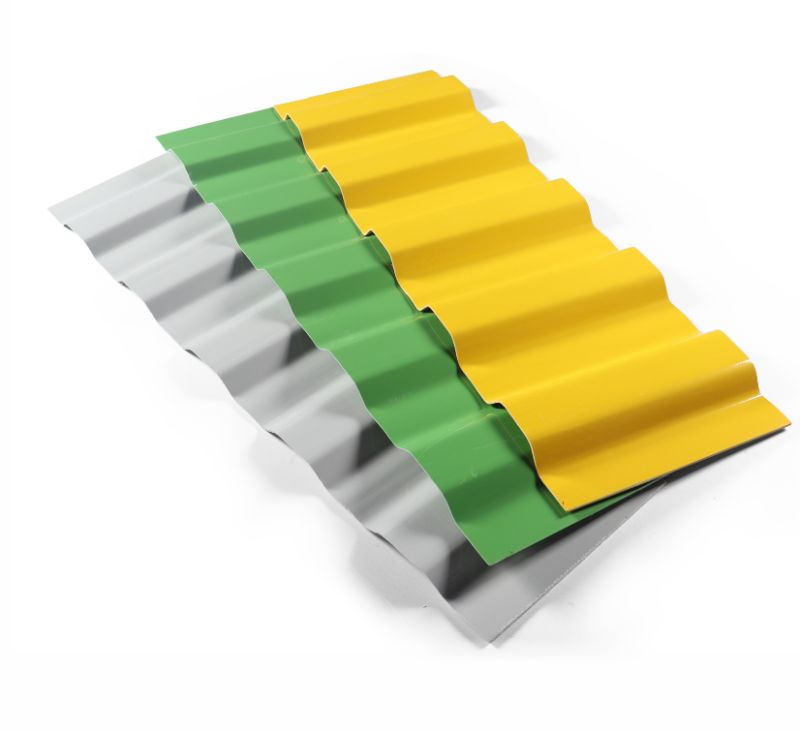
Glasfaser-Dachziegel
Glasfaser-Dachziegel sind leistungsstarke, leichte Dachbauteile, die aus durchgehenden Glasfasersträngen hergestellt werden, die in eine duroplastische Harzmatrix eingebettet sind. Sie sind für hervorragende Witterungsbeständigkeit ausgelegt...

-
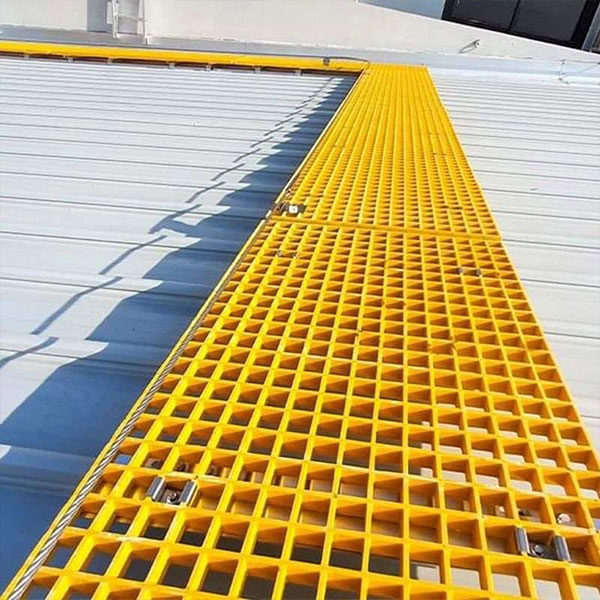
GFK-Laufstege
GFK-Laufstege (glasfaserverstärkter Kunststoff) sind langlebige, korrosionsbeständige Laufplattformen aus Verbundwerkstoffen, typischerweise Glasfasern, die mit Polyester, Vinylester oder Epoxidharz verstärkt sind...
-
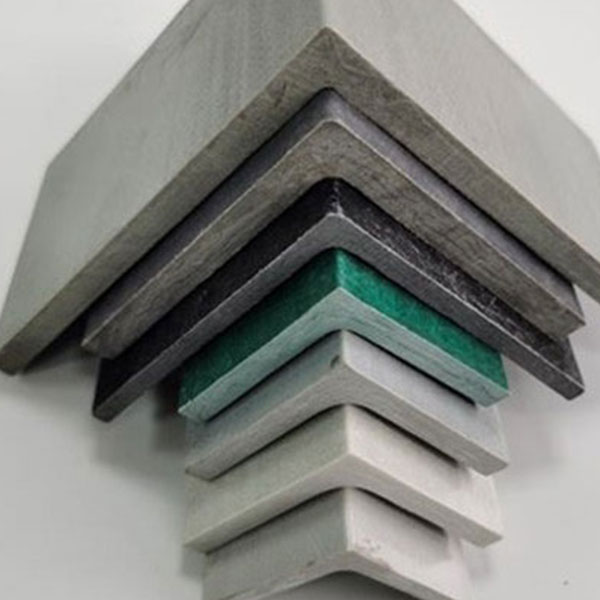
FRP-Pultrusionsprofil
Pultrudierte FRP-Profile sind Strukturprofile, die aus faserverstärktem Kunststoff mittels eines kontinuierlichen Fertigungsverfahrens namens Pultrusion hergestellt werden. Bei diesem Verfahren werden Fasern – typischerweise Glas, Kohlenstoff usw. – durch ein durchgehendes Faserprofil gezogen.
-
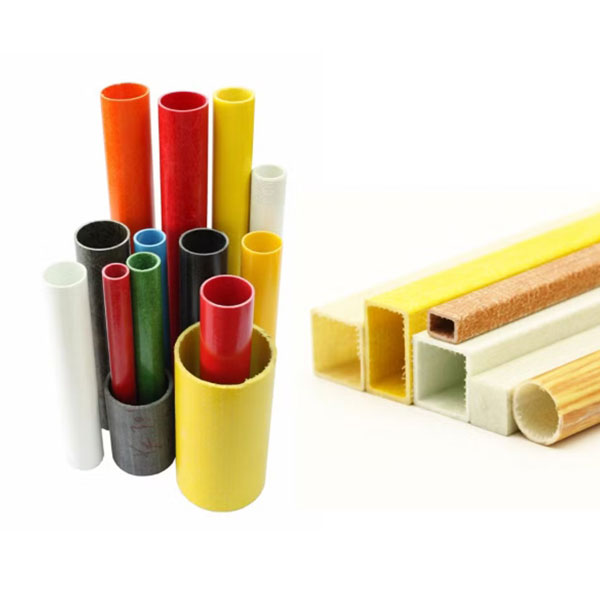
GFK-Rohre
FRP-Rohre (faserverstärkte Kunststoffrohre) sind Hochleistungsverbundstrukturen, die aus einer Polymermatrix bestehen, die mit Fasern, typischerweise Glas-, Kohlenstoff- oder Aramidfasern, verstärkt ist. Diese Rohre sind bekannt als...
-
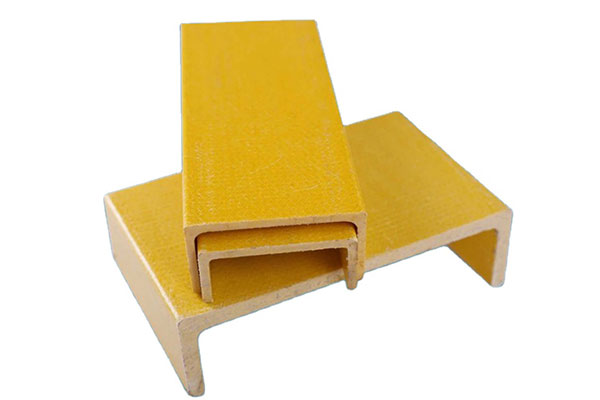
FRP-Pultrusionsprofil
Pultrudierte FRP-Profile sind Strukturprofile aus faserverstärktem Kunststoff (FRP), die mittels eines Fertigungsverfahrens namens Pultrusion hergestellt werden. Bei diesem Verfahren werden kontinuierliche Faserstränge gezogen….
-
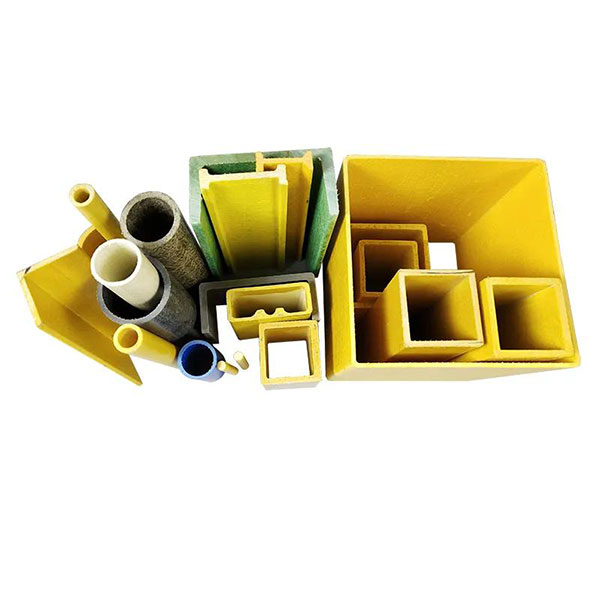
GFK-Strukturprofile
FRP-Strukturprofile (auch bekannt als FRP-Strukturprofile oder glasfaserverstärkte Kunststoff-Strukturbauteile) sind technische Verbundbauteile, die aus einer Kombination von Glasfaserverstärkung hergestellt werden...
-
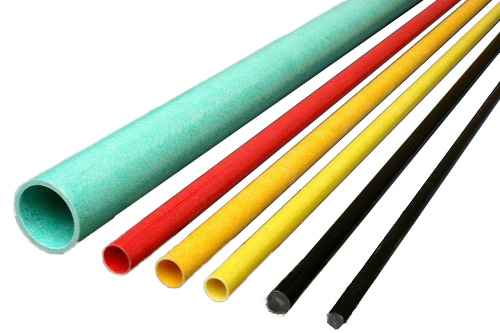
Hohles Rundrohr aus FRP
Spezifikation für hohle Rundrohre aus Glasfaserverstärktem Kunststoff (FRP): Größe anzeigen D*T (MM) Gewicht (G/M) 4*1,25 14,88 4*1,3 14,51 5,9*1,5 40,5...
-
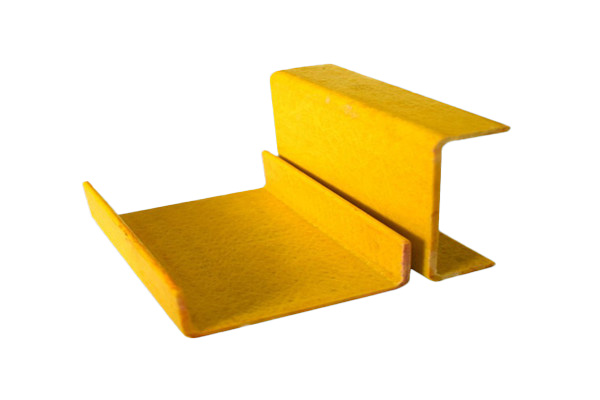
FRP C-Kanal
FRP C-Kanal-Spezifikation: Ansichtsgröße A*B*C (MM) Gewicht (G/M) 65*46*4 1648 90*50*4 2112 41*29*3,5 (doppeltes C...