


-

GFK-Winkel
-

GFK-Winkel
-

GFK-Winkel
GFK-Winkel (glasfaserverstärkter Kunststoff), auch bekannt als FRP (glasfaserverstärkter Kunststoff) Winkel, Es handelt sich um ein Strukturprofil aus einem Verbundwerkstoff aus Glasfasern und Harz. Es findet häufig Anwendung im Bauwesen, im Infrastrukturbau und in industriellen Anwendungen, wo leichte, hochfeste und korrosionsbeständige Materialien benötigt werden.
Einführung zur Produktleistung
1. Was ist der GRP-Winkel?
GFK-Winkel werden hergestellt durch Pultrusionsverfahren, Sie gewährleisten gleichbleibende Qualität und strukturelle Integrität. Sie finden breite Anwendung in Rahmenkonstruktionen, Stützen, Aussteifungen und Verstärkungsanwendungen, insbesondere in korrosiven Umgebungen wie Chemieanlagen, Offshore-Plattformen und Abwasserbehandlungsanlagen.
2. Konventionelle Spezifikationen und Abmessungen
GFK-Winkel sind in verschiedenen Größen und Stärken erhältlich, um unterschiedlichen statischen und tragfähigen Anforderungen gerecht zu werden. Zu den Standardspezifikationen gehören:
Gängige Abmessungen (mm & Zoll)
| Größe (mm) | Dicke (mm) | Größe (Zoll) | Dicke (Zoll) |
|---|---|---|---|
| 30 x 30 | 4 | 1,18″ x 1,18″ | 0.16″ |
| 40 x 40 | 4, 5 | 1,57″ x 1,57″ | 0.16″, 0.20″ |
| 50 x 50 | 5, 6 | 1,97″ x 1,97″ | 0.20″, 0.24″ |
| 60 x 60 | 5, 6, 7 | 2,36″ x 2,36″ | 0.20″, 0.24″, 0.28″ |
| 75 x 75 | 6, 8, 10 | 2,95″ x 2,95″ | 0.24″, 0.31″, 0.39″ |
| 100 x 100 | 8, 10, 12 | 3,94″ x 3,94″ | 0.31″, 0.39″, 0.47″ |
| 150 x 150 | 10, 12, 15 | 5,91″ x 5,91″ | 0.39″, 0.47″, 0.59″ |
✅ Sondergrößen sind auf Anfrage erhältlich, abhängig von den Möglichkeiten des Herstellers.
Längenoptionen
-
Standardlängen: 3 m, 6 m oder 12 m
-
Kann je nach Projektanforderungen auf individuelle Längen zugeschnitten werden.
Farboptionen
-
Standardfarben: Grau, Grün, Gelb, Rot, Schwarz
-
Individuelle Farbtöne sind auf Basis der Harzpigmentierung erhältlich.
Materialzusammensetzung
-
Harztypen: Isophthalsäure, Orthophthalsäure, Vinylester, Phenolsäure (je nach Anwendung).
-
Glasfaserverstärkung: E-Glas, hochfeste Fasermatte.
3. Wichtigste Vorteile von GFK-Winkelprofilen gegenüber herkömmlichen Werkstoffen
| Besonderheit | GFK-Winkel | Stahlwinkel | Aluminiumwinkel |
|---|---|---|---|
| Korrosionsbeständigkeit | ✅ Ausgezeichnet (beständig gegen Chemikalien, Feuchtigkeit und Salzwasser) | ❌ Anfällig für Rost und Korrosion | ⚠️ Korrosionsbeständig, kann aber oxidieren |
| Gewicht | ✅ Leichtgewicht (~751 TP3T leichter als Stahl) | ❌ Schwer | ✅ Leichter als Stahl, aber schwerer als GFK |
| Verhältnis von Festigkeit zu Gewicht | ✅ Hoch | ✅ Hoch | ✅ Hoch |
| Elektrische Isolierung | ✅ Nichtleitend | ❌ Leitfähig | ❌ Leitfähig |
| Wärmeleitfähigkeit | ✅ Niedrig (Gute Isolierung) | ❌ Hoch (leitfähig für Wärme) | ⚠️ Mittel |
| Wartung | ✅ Geringer Wartungsaufwand | ❌ Erfordert Anstrich oder Beschichtung | ✅ Geringer Wartungsaufwand |
| Installation | ✅ Einfach (kann vor Ort zugeschnitten und gebohrt werden) | ❌ Erfordert schweres Werkzeug und Schweißarbeiten | ✅ Mittel |
| Lebensdauer | ✅ Über 20 Jahre | ❌ Korrosionsanfällig | ✅ 10–15 Jahre |
📌 Wichtigste Erkenntnisse
-
GFK-Winkel rosten und korrodieren nicht, wodurch sie ideal sind für im Freien und in rauen Umgebungen.
-
Leichter als Stahl, wodurch Handhabung und Installation erleichtert werden.
-
Nichtleitend, ideal für Anwendungen im Bereich der elektrischen Sicherheit.
-
Minimaler Wartungsaufwand erforderlich, wodurch die langfristigen Kosten gesenkt werden.
4. Anwendungen von GFK-Winkeln
GFK-Winkelprofile sind vielseitig einsetzbar und finden in zahlreichen Branchen Verwendung, darunter:
✅ Industrie- und Chemieanlagen – Strukturelle Stützkonstruktionen in korrosiven Umgebungen.
✅ Marine & Offshore – Rahmenkonstruktionen in Docks, Molen und Ölplattformen.
✅ Elektrische Infrastruktur – Isolierende Stützen in Umspannwerken.
✅ Kläranlagen – Strukturelle Verstärkungen in Wassertanks.
✅ Konstruktion – Dachkonstruktionen, Wandstützen und Leichtbaukonstruktionen.
✅ Transportindustrie – Anwendungen im Schienenverkehr, in der Automobilindustrie und in der Luft- und Raumfahrt.
5. Schlussfolgerung
GFK-Winkel sind ein hervorragende Alternative zu Stahl und Aluminium, Angebot hohe Festigkeit, Korrosionsbeständigkeit und geringes Gewicht. Ihr Einsatz nimmt in Branchen zu, die sie benötigen. Langlebigkeit, elektrische Isolierung und minimaler Wartungsaufwand.
Falls Sie benötigen Kundenspezifische Spezifikationen, Großbestellungen oder technische Beratung, Teilen Sie mir bitte Ihre konkreten Projektanforderungen mit! 🚀
GFK-Winkel
Serie :
Hauptprodukte >Anwendung
✅ Industrie- und Chemieanlagen – Tragkonstruktionen in korrosiven Umgebungen. ✅ Schifffahrt und Offshore – Rahmenkonstruktionen in Docks, Molen und Ölplattformen. ✅ Elektrische Infrastruktur – Isolierte Träger in Umspannwerken. ✅ Kläranlagen – Strukturelle Verstärkungen in Wassertanks. ✅ Bauwesen – Dachkonstruktionen, Wandträger und Leichtbaukonstruktionen. ✅ Transportindustrie – Anwendungen in der Bahn-, Automobil- und Luftfahrtindustrie.
Markenname :
TF-Verbundwerkstoff
Produktname :
GFK-Winkel
Material :
Glasfaser
Farbe :
Gelb, Grau, Sonstige
Verarbeitung abschließen:
Glatt


FAQ
Q :
Können GFK-Winkel Stahlwinkel ersetzen?
A :
Ja, in vielen Anwendungsbereichen sind GFK-Winkel eine überlegene Alternative zu Stahl, insbesondere bei korrosiven, elektrisch empfindlichen und leichten Konstruktionen. Bei extrem hohen Belastungen kann Stahl jedoch weiterhin die bessere Wahl sein.
Q :
Sind GFK-Winkel feuerbeständig?
A :
Ja, je nach verwendetem Harztyp: 🔥 Standard-Polyesterharz – Grundlegende Feuerbeständigkeit. 🔥 Vinylesterharz – Bessere Feuer- und Chemikalienbeständigkeit. 🔥 Phenolharz – Hohe Feuerbeständigkeit, geringe Rauchentwicklung, ideal für Tunnel und öffentliche Verkehrsmittel. Bitte prüfen Sie vor der Materialauswahl immer die Anforderungen an die Brandschutzklasse.
Q :
Können GFK-Winkel vor Ort zugeschnitten und gebohrt werden?
A :
Ja! GFK-Winkelprofile lassen sich mit Standardwerkzeugen wie Kreissägen mit Diamant-/Hartmetall-Sägeblättern, Bohrmaschinen mit HSS-Bohrern (Hochleistungsschnellstahl) und Winkelschleifern für eine glatte Oberfläche problemlos schneiden, bohren und bearbeiten. 💡 Tipp: Verwenden Sie beim Schneiden eine Staubabsaugung oder tragen Sie eine Atemschutzmaske, um das Einatmen von Feinstaub zu vermeiden.
Q :
Wie lange ist die Lebensdauer von GFK-Winkeln?
A :
GFK-Winkel haben in der Regel eine Lebensdauer von über 20 Jahren, abhängig von den Umgebungsbedingungen. Im Gegensatz zu Metall korrodieren sie nicht und sind daher eine langfristig kostengünstige Lösung.
Q :
Wo werden GFK-Winkel eingesetzt?
A :
GFK-Winkelprofile sind vielseitig einsetzbar und finden in verschiedenen Branchen Anwendung: 🏗 Bauwesen – Tragwerkskonstruktionen, Dachkonstruktionen, Wandverstrebungen. 🏭 Industrieanlagen – Chemikalienbeständige Träger, Laufstege. ⚡ Elektrotechnik – Isolierte Rahmen und Konstruktionen. 🌊 Schifffahrt & Offshore – Dockanlagen, Ölplattformen. 💧 Wasseraufbereitung – Korrosionsbeständige Verstärkung.
Q :
Sind GFK-Winkel widerstandsfähig gegen extreme Witterungsbedingungen?
A :
Ja! GFK-Winkelprofile sind UV-beständig, wasserdicht und korrosionsbeständig und eignen sich daher ideal für den Einsatz im Außenbereich und im maritimen Bereich. Spezielle UV-Beschichtungen können die Haltbarkeit zusätzlich erhöhen.
Q :
Wie werden GFK-Winkel montiert?
A :
GFK-Winkelprofile lassen sich wie folgt montieren: 🔩 Schrauben und Befestigungselemente – ähnlich wie Metallwinkel, mit vorgebohrten Löchern. 🧪 Klebstoffe und Haftvermittler – für spezielle Anwendungen. 🔧 Individuelle Halterungen und Klemmen – je nach Konstruktion. Schweißen ist nicht erforderlich, was die Montage schneller und einfacher macht.
Q :
Sind die GFK-Winkel anpassbar?
A :
Ja! Hersteller können Folgendes anpassen: 🎨 Farben – Standard (Grau, Grün, Gelb, Rot, Schwarz) oder individuell. 📏 Abmessungen – Zugeschnitten auf die spezifischen Projektanforderungen. 🔥 Brandschutzklasse – Wählen Sie das Harz entsprechend der Brandschutzklasse. 🔩 Löcher, vorgeschnittene Abschnitte – Für eine einfachere Montage.
Q :
Wie wähle ich den richtigen GFK-Winkel für mein Projekt aus?
A :
Berücksichtigen Sie folgende Faktoren: Belastungsanforderungen – Wählen Sie die passende Größe und Dicke. Umwelteinflüsse – Wählen Sie den richtigen Harztyp. Brandschutzbestimmungen – Stellen Sie die Einhaltung der Brandschutzvorschriften sicher. Installationsmethode – Bestimmen Sie die Befestigungsanforderungen.
Q :
Was kosten GFK-Winkel?
A :
Die Preise variieren je nach: 💰 Größe und Dicke 💰 Harztyp (Standard-Polyester ist günstiger, Phenolharz ist hochwertiger) 💰 Bestellmenge (Großbestellungen erhalten Rabatte) 💰 Anpassung (Sonderfarben und -größen können zusätzliche Kosten verursachen) Für aktuelle Preise kontaktieren Sie bitte einen Lieferanten mit Ihren Spezifikationen.
Q :
Können GFK-Winkel recycelt werden?
A :
GFK ist zwar nicht so leicht zu recyceln wie Metalle, aber einige Hersteller bieten Recyclingprogramme an. Seine lange Lebensdauer reduziert jedoch die Umweltbelastung im Vergleich zu häufig ausgetauschten Materialien wie Stahl.
Q :
Wie halte ich die GFK-Winkel ein?
A :
GFK-Winkelprofile benötigen nur minimalen Wartungsaufwand: 🧼 Regelmäßige Reinigung – Verwenden Sie Wasser und ein mildes Reinigungsmittel. 🔍 Regelmäßige Inspektionen – Prüfen Sie stark beanspruchte Bereiche auf Beschädigungen. 🌦 UV-Schutz (falls erforderlich) – Erwägen Sie eine UV-Beschichtung bei längerer Sonneneinstrahlung.
Andere verwandte Produkte
-
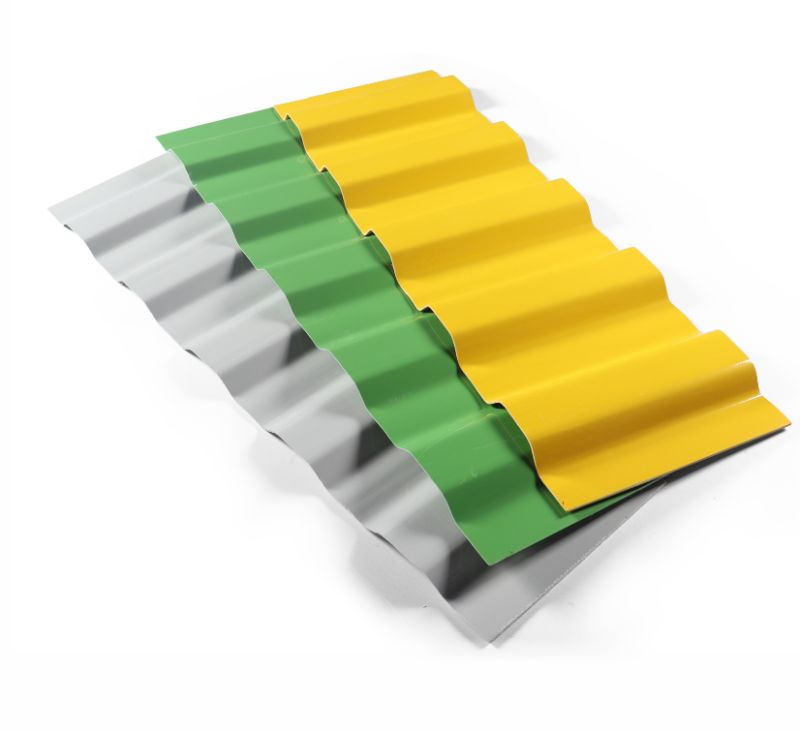
Glasfaser-Dachziegel
Glasfaser-Dachziegel sind leistungsstarke, leichte Dachbauteile, die aus durchgehenden Glasfasersträngen hergestellt werden, die in eine duroplastische Harzmatrix eingebettet sind. Sie sind für hervorragende Witterungsbeständigkeit ausgelegt...

-
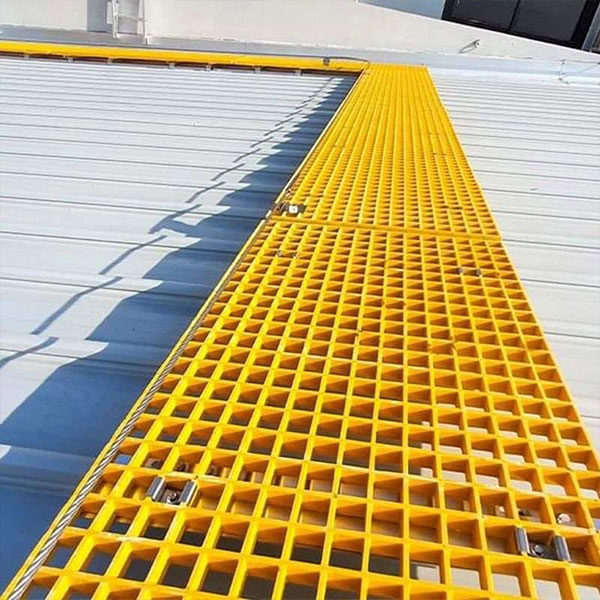
GFK-Laufstege
GFK-Laufstege (glasfaserverstärkter Kunststoff) sind langlebige, korrosionsbeständige Laufplattformen aus Verbundwerkstoffen, typischerweise Glasfasern, die mit Polyester, Vinylester oder Epoxidharz verstärkt sind...
-
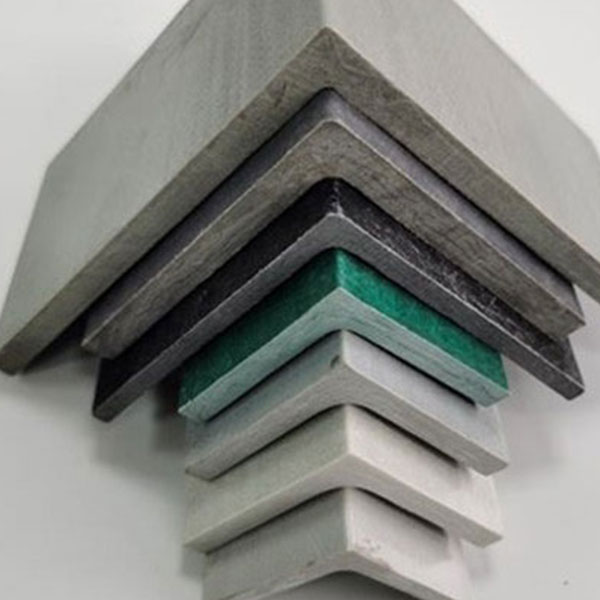
FRP-Pultrusionsprofil
Pultrudierte FRP-Profile sind Strukturprofile, die aus faserverstärktem Kunststoff mittels eines kontinuierlichen Fertigungsverfahrens namens Pultrusion hergestellt werden. Bei diesem Verfahren werden Fasern – typischerweise Glas, Kohlenstoff usw. – durch ein durchgehendes Faserprofil gezogen.
-
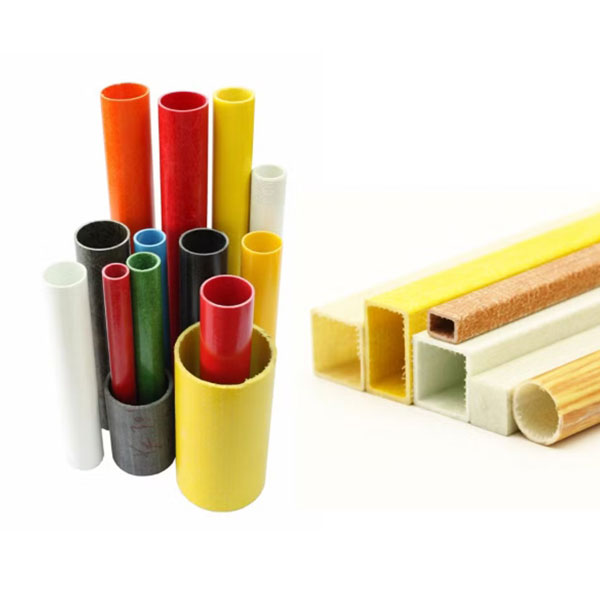
GFK-Rohre
FRP-Rohre (faserverstärkte Kunststoffrohre) sind Hochleistungsverbundstrukturen, die aus einer Polymermatrix bestehen, die mit Fasern, typischerweise Glas-, Kohlenstoff- oder Aramidfasern, verstärkt ist. Diese Rohre sind bekannt als...
-
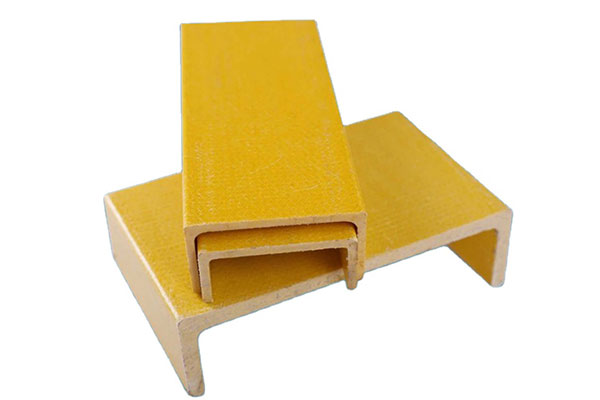
FRP-Pultrusionsprofil
Pultrudierte FRP-Profile sind Strukturprofile aus faserverstärktem Kunststoff (FRP), die mittels eines Fertigungsverfahrens namens Pultrusion hergestellt werden. Bei diesem Verfahren werden kontinuierliche Faserstränge gezogen….
-
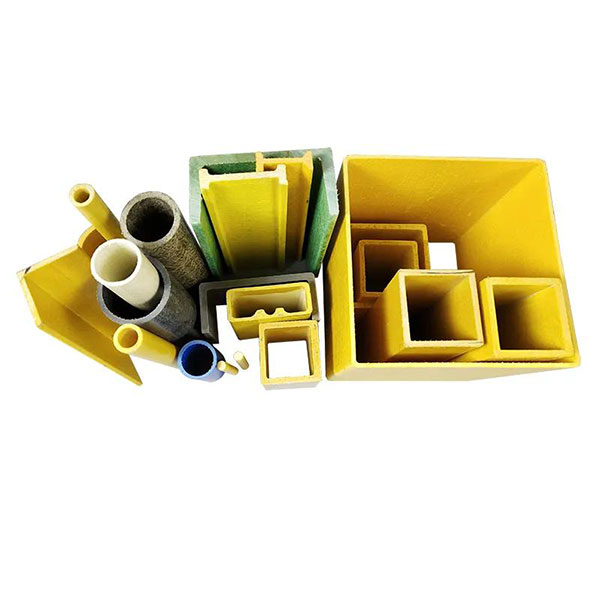
GFK-Strukturprofile
FRP-Strukturprofile (auch bekannt als FRP-Strukturprofile oder glasfaserverstärkte Kunststoff-Strukturbauteile) sind technische Verbundbauteile, die aus einer Kombination von Glasfaserverstärkung hergestellt werden...
-
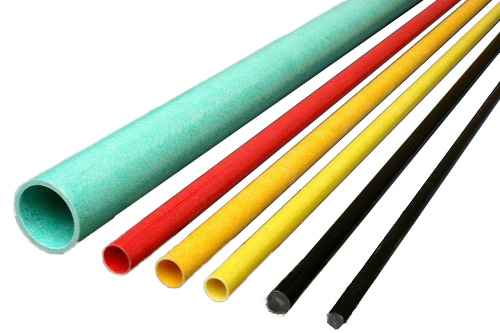
Hohles Rundrohr aus FRP
Spezifikation für hohle Rundrohre aus Glasfaserverstärktem Kunststoff (FRP): Größe anzeigen D*T (MM) Gewicht (G/M) 4*1,25 14,88 4*1,3 14,51 5,9*1,5 40,5...
-
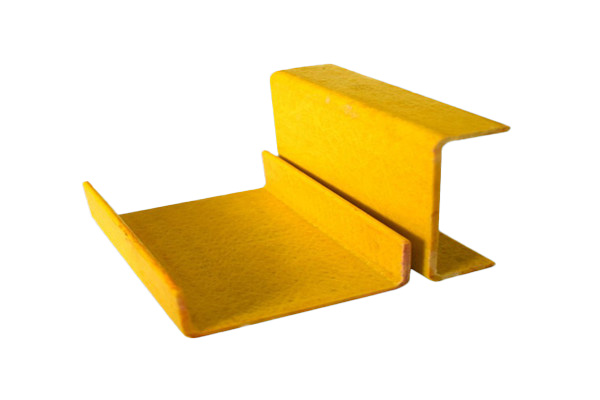
FRP C-Kanal
FRP C-Kanal-Spezifikation: Ansichtsgröße A*B*C (MM) Gewicht (G/M) 65*46*4 1648 90*50*4 2112 41*29*3,5 (doppeltes C...