


-

Passerelles en PRV
-

Passerelles en PRV
-

Passerelles en PRV
-

Passerelles en PRV
-

Passerelles en PRV
-

Passerelles en PRV
-

Passerelles en PRV
-

Passerelles en PRV
Passerelles en PRV (Plastique Renforcé de Fibres) Ce sont des plateformes de pointe conçues pour diverses applications d'infrastructures industrielles, commerciales et publiques. Ces passerelles sont construites à partir de matériaux renforcés de fibres à haute résistance, offrant une combinaison de légèreté, de durabilité et de résistance aux conditions environnementales difficiles. Contrairement aux passerelles traditionnelles en acier ou en bois, Les passerelles en PRV sont résistantes à la corrosion, personnalisables et plus sûres pour les travailleurs et l'environnement..
Présentation des performances du produit
Ce document fournit un aperçu détaillé de Passerelles en PRV, couvrant leurs propriétés physiques, spécifications, avantages, inconvénients et applications courantes.
1. Propriétés physiques des passerelles en PRV
1.1. Léger et résistant
-
Les passerelles en PRV sont nettement plus légères que les alternatives métalliques. (Jusqu'à 75% plus légers que l'acier). Cette réduction de poids facilite leur transport et leur installation.
-
Malgré leur légèreté, Les passerelles en PRV présentent une résistance mécanique supérieure, ce qui leur permet de supporter des charges importantes sans compromettre la sécurité.
1.2. Résistance à la corrosion et aux produits chimiques
-
Très résistant à la corrosion, notamment de l'eau salée, des produits chimiques et des conditions climatiques extrêmes. Cela les rend idéaux pour une utilisation dans environnements marins, usines chimiques, et autres milieux corrosifs.
-
Les matériaux FRP sont immunisé contre la rouille, assurant ainsi une longue durée de vie même dans des environnements exposés à l'humidité ou aux produits chimiques.
1.3. Isolation électrique et thermique
-
Matériau non conducteur, assurant la sécurité dans les environnements où des risques électriques sont présents, tels que les centrales électriques, les sous-stations et les tours de télécommunications.
-
Faible conductivité thermique, rendant les passerelles en PRV confortables à emprunter dans des environnements aux températures variables.
1.4. Résistance au feu
-
Beaucoup Les passerelles en PRV sont disponibles avec des résines ignifuges. qui répondent à diverses normes de sécurité incendie, telles que résines phénoliques et vinyl esters, qui offrent une qualité supérieure résistance au feu et faibles émissions de fumée.
1.5. Finitions de surface
-
Personnalisable textures de surface antidérapantes sont disponibles pour améliorer la traction et la sécurité sur chaussée mouillée ou huileuse.
-
revêtements résistants aux UV sont souvent utilisées pour des applications extérieures afin de prévenir la dégradation par les UV et de maintenir la durabilité.
2. Spécifications et options de personnalisation
2.1. Dimensions standard (personnalisables)
-
Épaisseur: Généralement disponible en 25 mm, 38 mm et 50 mm des options, mais peuvent être personnalisées pour répondre à des besoins spécifiques.
-
Dimensions des panneauxLes dimensions courantes des panneaux comprennent 1 m x 1 m, 1,2 m x 2,4 m, ou des dimensions entièrement personnalisées.
-
Capacités de chargePeut être conçu pour supporter des charges variables, avec des spécifications courantes allant de 500 kg/m² à 10 000 kg/m².
2.2. Types de passerelles en PRV
-
Passerelles en PRV à mailles ouvertes – Permet excellent drainage et la circulation de l'air, souvent utilisées dans les environnements extérieurs ou les installations industrielles.
-
Passerelles en PRV massif – Fournit un surface solide et lisse pour les salles blanches, les établissements médicaux et les zones nécessitant une surface de marche lisse.
-
Passerelles modulaires en PRV – Conçu pour Assemblage et extension faciles, idéal pour modifier rapidement l'agencement des entrepôts ou des usines.
-
Passerelles robustes en PRV – Idéal pour applications de charge extrême, comme dans plateformes pétrolières offshore ou environnements industriels lourds.
2.3. Composition du matériau
-
Fibres de renforcement: Verre E, verre S et fibre de carbone sont des matériaux couramment utilisés pour améliorer la résistance et la durabilité des passerelles en PRV.
-
Types de résine:
-
résine polyester: Standard et économique pour les applications d'usage général.
-
Résine vinylester: Très résistant résistant aux produits chimiques et aux températures extrêmes, idéal pour les applications industrielles.
-
Une résine époxy: Offre le résistance mécanique maximale, adapté aux applications intensives.
-
Résine phénolique: Offres résistance au feu, ce qui le rend adapté aux environnements exigeant une sécurité incendie.
-
2.4. Propriétés mécaniques (valeurs typiques)
| Propriété | Valeur typique |
|---|---|
| Résistance à la traction | 300-800 MPa |
| Résistance à la flexion | 250-700 MPa |
| Résistance à la compression | 300-850 MPa |
| Densité | 1,7-2,2 g/cm³ |
| Module d'élasticité | 25-45 GPa |
3. Avantages des passerelles en PRV
3.1. Personnalisation complète
-
Les passerelles en PRV peuvent être personnalisées dans taille, forme, couleur, texture de surface, et une capacité de charge adaptée aux besoins spécifiques des différentes industries.
-
Peut être conçu avec des découpes, des systèmes de drainage et des mains courantes., offrant une flexibilité maximale pour des applications diverses.
3.2. Résistance à la corrosion
-
Très résistant à la dégradation environnementale, ce qui les rend idéaux pour une utilisation dans environnements marins, usines chimiques, et industries de transformation alimentaire.
-
Aucun besoin d'entretien lié à la rouille ou à la corrosion, entraînant épargne à long terme en coûts de réparation et de remplacement.
3.3. Dispositifs de sécurité
-
Surfaces antidérapantes garantir des normes de sécurité élevées dans des conditions humides ou dangereuses.
-
Propriétés non conductrices Réduire les risques d'accidents électriques dans les environnements sensibles.
3.4. Léger et facile à installer
-
Facile à transporter et à installer en raison du faible poids du matériau.
-
Conception modulaire permet un assemblage rapide et facile sans avoir besoin d'équipement de levage lourd ni de soudure.
3.5. Longévité et faible entretien
-
Durable et résistant, nécessitant un entretien minimal.
-
Contrairement au bois, il ne se déforme pas, ne pourrit pas et ne se dégrade pas, et contrairement à l'acier, il ne rouille pas et ne se corrode pas.
3.6. Respectueux de l'environnement
-
Les passerelles en PRV sont recyclables dans certains cas, réduire les déchets.
-
Durable et résistant, ce qui minimise le besoin de remplacements et réduit l'impact environnemental au fil du temps.
4. Inconvénients des passerelles en PRV
4.1. Coût initial
-
Le coût d'achat initial de Les passerelles en PRV sont généralement plus hautes que les passerelles traditionnelles en acier ou en bois.
-
Cependant, épargne à long terme Les frais d'entretien et de durabilité compensent souvent l'investissement initial.
4.2. Résistance thermique limitée
-
Les passerelles en PRV ne conviennent pas aux applications à très haute température., car elles peuvent s'affaiblir à des températures supérieures à 200°C.
-
Dans les environnements extrêmement chauds, des matériaux alternatifs tels que l'acier peuvent être nécessaires.
4.3. Dégradation par les UV (Applications extérieures)
-
Résines sensibles aux UV peut se dégrader avec le temps lorsqu'il est exposé à la lumière du soleil. revêtements résistants aux UV ou résines sont nécessaires pour une utilisation en extérieur.
-
Sans traitement approprié, les applications extérieures peuvent subir une dégradation de surface et une réduction de leur résistance.
4.4. Difficultés de recyclage
-
Le recyclage des matériaux en PRV peut s'avérer complexe. en raison de la nature du matériau composite.
-
Bien que le PRV soit durable, le processus d'élimination ou de recyclage est plus complexe que les matériaux métalliques ou en bois.
5. Applications des passerelles en PRV
5.1. Applications industrielles
-
Usines chimiques et pétrochimiques – Les passerelles en PRV peuvent résister à l’exposition aux produits chimiques, aux huiles et aux conditions climatiques difficiles.
-
Aciéries et fonderies – Le PRV est non conducteur, ce qui le rend sûr en cas de risques électriques.
-
Centrales électriques – Idéal pour les sous-stations et les zones dotées de systèmes électriques grâce à ses non conducteur nature.
5.2. Secteur maritime et offshore
-
Docks, chantiers navals et plateformes offshore – Les passerelles en PRV résistent à la corrosion due à l'eau salée et aux produits chimiques, ce qui en fait un choix populaire pour environnements maritimes.
-
Plateformes pétrolières offshore – Offre une alternative durable et nécessitant peu d'entretien aux passerelles métalliques dans les conditions difficiles du milieu marin.
5.3. Infrastructures publiques
-
Passages piétonniers – Les matériaux composites à fibres de verre (FRP) sont largement utilisés dans les zones urbaines où la sécurité et les facteurs environnementaux sont primordiaux.
-
Ponts et escaliers – FRP offre un solution légère et durable pour les passerelles piétonnes et les escaliers industriels.
-
Stations de transport en commun – Les passerelles en PRV sont utilisées dans gares routières, gares ferroviaires, et métros, assurant sécurité et confort.
5.4. Industries alimentaires et pharmaceutiques
-
Usines de transformation alimentaire – Les passerelles en PRV sont hygiéniques, faciles à nettoyer et résistantes à la corrosion, ce qui les rend adaptées à une utilisation dans les environnements de transformation et d'emballage des aliments.
-
Installations pharmaceutiques – Utilisé dans salles blanches et les zones de fabrication pharmaceutique où la propreté est essentielle.
5.5. Électricité et télécommunications
-
Tours de télécommunications – Les passerelles en PRV garantissent accès sécurisé aux tours de haute altitude sans conduire l'électricité.
-
Postes de transformation et installations électriques – Non conducteur Les propriétés des passerelles en PRV les rendent idéales pour les zones comportant des systèmes électriques.
6. Conclusion
Passerelles en PRV constituent une solution polyvalente et extrêmement durable pour les industries exigeant des voies de passage fiables, résistantes à la corrosion et personnalisables. coût initial peut être plus élevé que les alternatives conventionnelles, avantages à long terme Des caractéristiques telles que leur faible entretien, leur longévité, leurs dispositifs de sécurité et leur adaptabilité en font un excellent choix pour une vaste gamme d'applications, des environnements industriels aux infrastructures publiques. avantages en matière de force, de sécurité et d'environnement, Passerelles en PRV offre une solution rentable, durable et sûre pour les projets modernes.
Passerelles en PRV
Série :
Principaux produits >application
Installations industrielles et usines chimiques, plateformes offshore et environnements marins, stations d'épuration des eaux, centrales électriques et sous-stations, gares et passerelles piétonnes, chantiers de construction et entrepôts
Marque :
TFcomposite
Nom du produit :
Passerelles en PRV
Matériel :
Fibre de verre
Couleur :
Jaune, Autre


FAQ
Q :
Que sont les passerelles en PRV (polyester renforcé de fibres de verre) ?
UN :
Les passerelles en PRV sont fabriquées à partir de matériaux plastiques renforcés de fibres, combinant fibre de verre et résine pour offrir résistance, résistance à la corrosion et légèreté. Elles sont utilisées dans diverses applications d'infrastructures industrielles, commerciales et publiques.
Q :
Quelle est la résistance des passerelles en PRV ?
UN :
Les passerelles en PRV sont conçues pour supporter des charges variables, avec des capacités typiques allant de 500 kg/m² à 10 000 kg/m², selon le matériau utilisé et les spécifications de conception.
Q :
Les passerelles en PRV peuvent-elles être utilisées en extérieur ?
UN :
Oui, les passerelles en PRV sont parfaitement adaptées à une utilisation extérieure, notamment dans les environnements exposés à l'humidité, à l'eau salée et aux conditions climatiques extrêmes. Toutefois, l'application d'un revêtement résistant aux UV peut s'avérer nécessaire pour garantir leur durabilité sous un ensoleillement direct.
Q :
Les passerelles en PRV sont-elles résistantes au feu ?
UN :
Oui, les passerelles en PRV peuvent être fabriquées avec des résines ignifuges (comme les résines phénoliques ou vinylester) pour répondre aux normes de sécurité incendie. Ces matériaux dégagent peu de fumée et sont idéaux pour les environnements exigeant une sécurité incendie renforcée.
Q :
Quelles sont les options de personnalisation disponibles pour les passerelles en PRV ?
UN :
Les passerelles en PRV peuvent être personnalisées en termes de dimensions, de forme, de couleur, de capacité de charge, de texture de surface (par exemple, antidérapante) et de caractéristiques intégrées telles que des découpes, des trous de drainage et des mains courantes afin de répondre aux exigences spécifiques de chaque application.
Q :
Les passerelles en PRV sont-elles adaptées aux applications intensives ?
UN :
Oui, les passerelles en PRV sont disponibles en versions renforcées capables de supporter des charges extrêmement élevées, ce qui les rend adaptées à des environnements tels que les plateformes pétrolières offshore, les aciéries et les usines chimiques.
Autres produits connexes
-

Garde-corps et mains courantes en PRV
Les garde-corps et les mains courantes en PRV (plastique renforcé de fibres de verre) sont des solutions de sécurité modernes conçues pour les applications industrielles et commerciales où la résistance à la corrosion, la durabilité et la longévité sont essentielles.

-

Plateforme ferroviaire en PRV
Ce document présente une vue d'ensemble détaillée de la plateforme ferroviaire en PRV, incluant ses propriétés physiques, ses spécifications, ses avantages, ses inconvénients et ses applications courantes. 1. Propriétés physiques….
-
Plateforme personnalisable en PRV
Ce document présente une analyse approfondie des plateformes personnalisables en PRV, incluant leurs propriétés physiques, leurs spécifications, leurs avantages, leurs inconvénients et leurs applications. 1. Propriétés physiques….
-
Plateforme haute charge en PRV
Cet article présente un aperçu détaillé des plateformes à charges élevées en PRV, incluant leurs propriétés physiques, leurs spécifications, leurs avantages, leurs inconvénients et leurs applications. 1. Propriétés physiques des….
-
Plateforme FRP
Cet article présente une analyse approfondie des plateformes en PRV, incluant leurs propriétés physiques, leurs spécifications, leurs avantages, leurs inconvénients et leurs applications. 1. Propriétés physiques des plateformes en PRV….
-

Main courante en PRV
✅ Principales caractéristiques des garde-corps en PRV : Résistance à la corrosion : Le PRV est extrêmement résistant aux produits chimiques, à l’eau salée et aux facteurs environnementaux, ce qui le rend idéal pour les environnements marins, offshore et industriels….
-
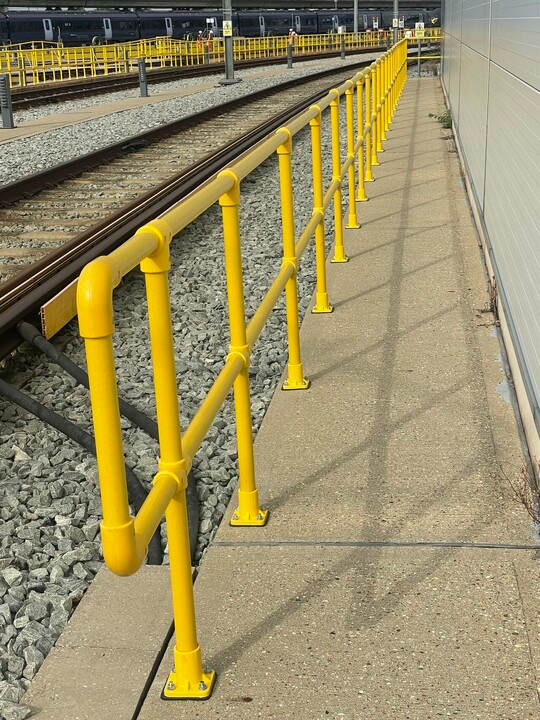
Aperçu détaillé des systèmes de garde-corps en PRV
Le pivot externe GRP est un raccord pivotant en ligne polyvalent, souvent utilisé là où les angles varient sur les pentes, les marches et les paliers. Le GRP 116 Mid Corner est un joint d'angle à 90°, souvent utilisé...
-
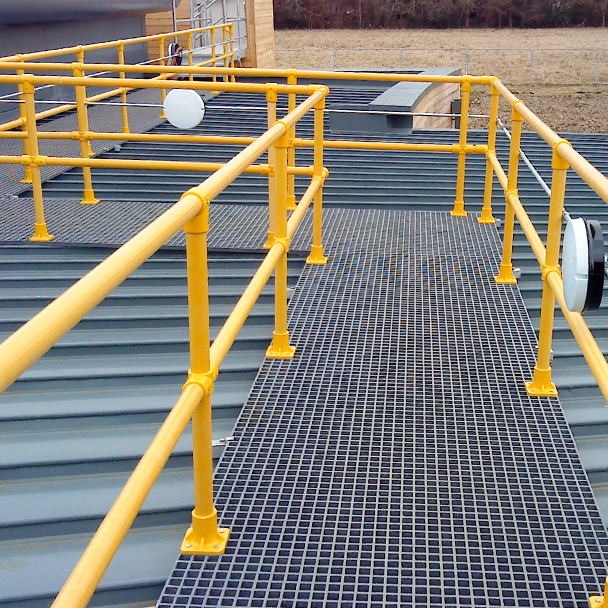
Système de main courante en fibre de verre GRP résistant à la corrosion antidérapant respectueux de l'environnement
Le pivot externe GRP est un raccord pivotant en ligne polyvalent, souvent utilisé là où les angles varient sur les pentes, les marches et les paliers. Le GRP 116 Mid Corner est un joint d'angle à 90°, souvent utilisé...