


-
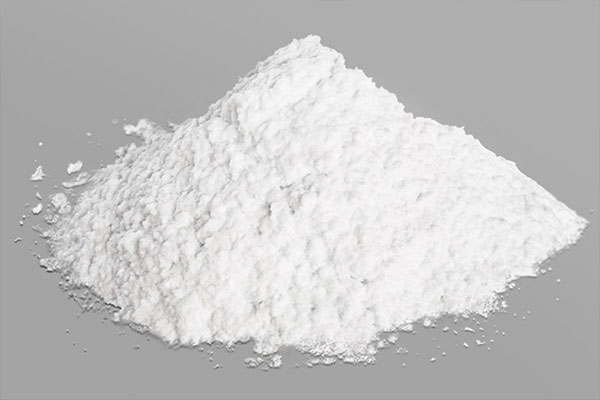
Poudre PE
Poudre PE, short for Polyethylene Powder, is a thermoplastic powder made from the polymerization of ethylene monomers. It is widely used in industries due to its chemical inertness, excellent impact strength, and process versatility. PE powder is available in multiple grades and particle sizes tailored for different manufacturing processes, including rotational molding, fluidized bed coating, compounding, et sintering.
Présentation des performances du produit
Depending on the molecular structure and density, PE powder is commonly classified as:
-
Low-Density Polyethylene (LDPE) Powder
-
Linear Low-Density Polyethylene (LLDPE) Powder
-
High-Density Polyethylene (HDPE) Powder
-
Ultra-High Molecular Weight Polyethylene (UHMWPE) Powder
🧪 2. Types and Grades of PE Powder
| Taper | Density Range (g/cm³) | Application typique |
|---|---|---|
| LDPE | 0.910–0.930 | Coatings, adhesives, films |
| LLDPE | 0.915–0.940 | Rotomolding tanks, containers |
| HDPE | 0.941–0.965 | Pipes, drums, automotive parts |
| UHMWPE | > 0.940 with very high molecular weight | Bulletproof vests, liners, bearings |
🔬 3. Product Features and Benefits
-
✔️ Excellente résistance chimique: Withstands acids, alkalis, alcohols, and salts.
-
✔️ Low Water Absorption: Makes it ideal for marine and moisture-exposed applications.
-
✔️ Good Impact Resistance: Especially LLDPE and UHMWPE variants.
-
✔️ High Electrical Insulation: Suitable for wire & cable coatings.
-
✔️ Low Friction Coefficient: Especially UHMWPE—used in sliding applications.
-
✔️ Custom Colors Available: Via masterbatch addition or pre-colored grades.
-
✔️ FDA Approved Grades: Available for food and pharmaceutical contact.
⚙️ 4. Manufacturing Processes Utilizing PE Powder
4.1. Rotational Molding (Rotomolding)
-
Widely used in large hollow containers, fuel tanks, and bins.
-
Nécessite uniform particle size (35–100 mesh) for optimal sintering and wall thickness control.
4.2. Electrostatic Powder Coating / Fluidized Bed Coating
-
Used for dishwasher racks, fencing, pipelines.
-
Powder must be electrostatically chargeable, often surface-treated.
4.3. Compounding & Masterbatch
-
PE powder is a carrier or base in masterbatch formulations for colorants and additives.
-
Free-flowing powders preferred for feeding consistency.
4.4. Compression Molding & Sintering
-
UHMWPE powder is often used for pièces haute performance, including seals, gears, and guides.
📄 5. Fiche technique (FT)
The values below represent a typical specification. Actual data may vary by grade and manufacturer.
| Propriété | Méthode d'essai | Valeur typique |
|---|---|---|
| Propriétés physiques | ||
| Apparence | Inspection visuelle | White or colored powder |
| Density (LDPE) | ASTM D1505 | 0.920 g/cm³ |
| Density (HDPE) | ASTM D1505 | 0.955 g/cm³ |
| Particle Size Distribution | Laser Diffraction | 35 – 100 mesh (customizable) |
| Bulk Density | ISO 60 | 0.40 – 0.55 g/cm³ |
| Melt Index (190°C/2.16kg) | ASTM D1238 | 0.3 – 30 g/10 min (grade-specific) |
| Propriétés mécaniques | ||
| Tensile Strength at Yield | ASTM D638 | 10 – 30 MPa |
| Allongement à la rupture | ASTM D638 | 400 – 800% |
| Module de flexion | ASTM D790 | 400 – 1200 MPa |
| Résistance aux chocs (Izod) | ASTM D256 | No break (notched) |
| Propriétés thermiques | ||
| Point de fusion | DSC | 110°C (LDPE), 130°C (HDPE) |
| Vicat Softening Point | ASTM D1525 | 95–120°C |
| Conductivité thermique | ASTM C177 | 0.40 W/m·K |
| Other Properties | ||
| Absorption d'eau (24 h) | ASTM D570 | <0.01% |
| Flammability Rating | UL94 | HB (V-2 possible with additives) |
| Food Contact Compliance | FDA 21 CFR, EU 10/2011 | Available (food-grade only) |
🔒 6. Emballage et stockage
-
Standard packaging: 20 kg bags, 500–1000 kg jumbo bags, ou customized container loads.
-
Moisture barrier liner is used in moisture-sensitive applications.
-
Shelf life: 12 mois in dry conditions.
-
Store in a cool, dry, shaded warehouse; avoid direct sunlight and humidity.
🌱 7. Environmental & Safety Information
-
PE powder is non-toxic, inert, et recyclable.
-
Burning produces CO₂ and water, but care must be taken not to overheat and generate decomposition products.
-
During processing, dust control systems and PPE are required to avoid inhalation hazards.
-
Complies with RoHS, ATTEINDRE, et WEEE directives (depending on grade).
📊 8. Typical Applications by Grade
| Industry | Utiliser | Recommended PE Powder |
|---|---|---|
| Automobile | Fuel tanks, mud guards, under-hood parts | LLDPE, HDPE |
| Construction | Pipes, ducts, wall panels, membrane coatings | HDPE, LDPE |
| Consumer Goods | Water bottles, containers, household goods | LDPE, LLDPE |
| Agriculture | Irrigation pipes, chemical storage bins | HDPE, UV-stabilized grades |
| Électrique | Insulating coatings, wire harnesses | LDPE, crosslinkable grades |
| Marin | Floatation devices, buoys, boat parts | LLDPE, HDPE |
| Food Packaging | Film layers, caps, bins | FDA-compliant LDPE or HDPE |
🧰 9. Customization Options
Manufacturers and compounders offer PE powder in:
-
Various particle sizes (20 mesh – 200 mesh)
-
Color-matched or pre-colored powders
-
Antistatic, UV-stabilized, ou flame-retardant versions
-
PE/PP blends ou recycled content grades
-
FDA/NSF approved food-safe grades
🤔 10. Foire aux questions (FAQ)
Q1: Can I use PE powder in 3D printing?
👉 Some manufacturers offer powder bed fusion-compatible PE grades, but typically other polymers (e.g., PA12) are preferred for precision.
Q2: How do I ensure good dispersion of PE powder in a resin system?
👉 Use high-shear mixers, and optionally surface-treated powders to improve compatibility.
Q3: Is PE powder biodegradable?
👉 No. Standard polyethylene is not biodegradable, mais oxo-degradable ou biopolymer-blended grades exist.
Q4: Does PE powder shrink upon cooling?
👉 Yes, especially HDPE. Mold design must account for shrinkage rate (~1.5–4%).
Q5: Can PE powder be used with fiberglass or mineral fillers?
👉 Yes, and it is often blended with talc, glass fiber, or mica to improve stiffness or thermal resistance.
Poudre PE
Série :
Produits mandataires >application
Industrie automobile, industrie de la construction, industrie aérospatiale, industrie électronique, revêtements et peintures
Marque :
TFcomposite
Nom du produit :
Poudre PE


FAQ
Q :
Can I use PE powder in 3D printing?
UN :
Some manufacturers offer powder bed fusion-compatible PE grades, but typically other polymers (e.g., PA12) are preferred for precision.
Q :
How do I ensure good dispersion of PE powder in a resin system?
UN :
Use high-shear mixers, and optionally surface-treated powders to improve compatibility.
Q :
Is PE powder biodegradable?
UN :
No. Standard polyethylene is not biodegradable, but oxo-degradable or biopolymer-blended grades exist.
Q :
Does PE powder shrink upon cooling?
UN :
Yes, especially HDPE. Mold design must account for shrinkage rate (~1.5–4%).
Autres produits connexes
-
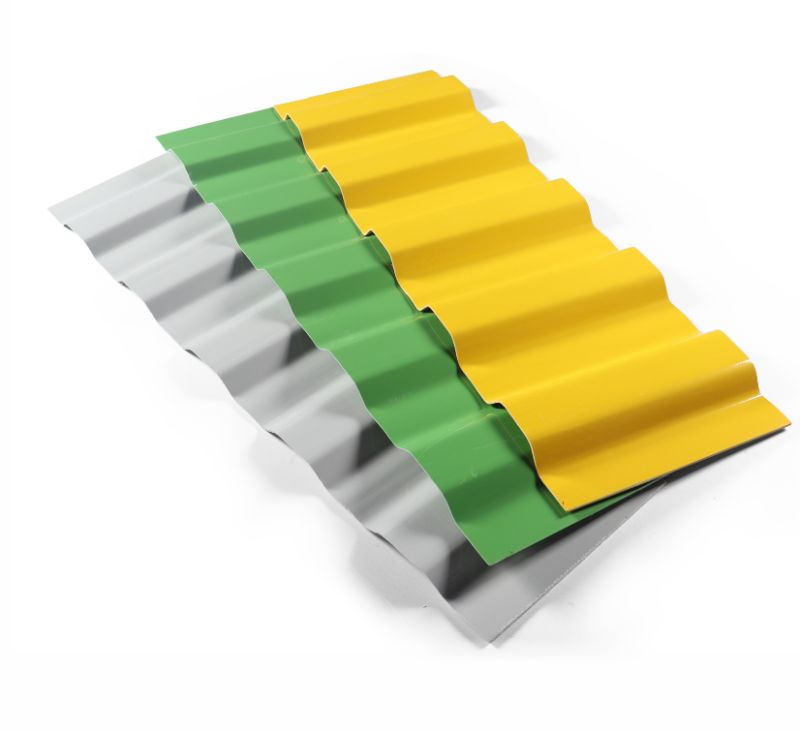
Tuiles de toiture en fibre de verre
Les tuiles de toiture en fibre de verre sont des éléments de toiture légers et performants, fabriqués à partir de fibres de verre continues intégrées dans une matrice de résine thermodurcissable. Conçues pour une résistance supérieure aux intempéries….

-
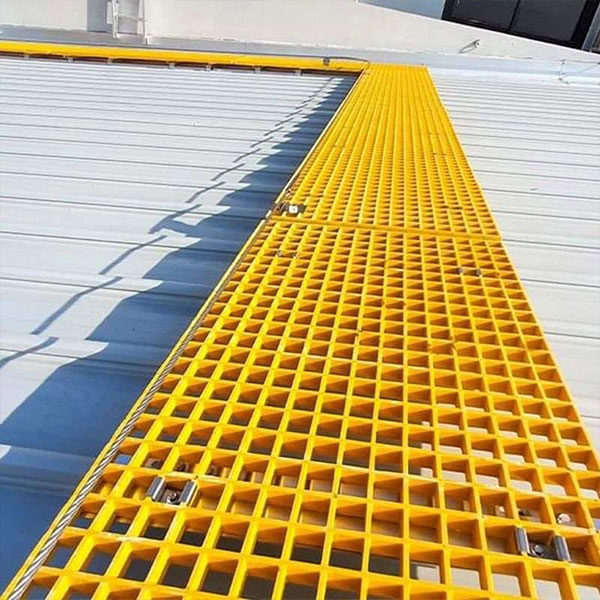
Caillebotis en plastique
Les caillebotis en plastique, également appelés caillebotis en PRV (plastique renforcé de fibres de verre), constituent une alternative moderne aux caillebotis métalliques traditionnels. Ils sont fabriqués à partir de fibres de verre noyées dans une natte de résine thermodurcissable….
-
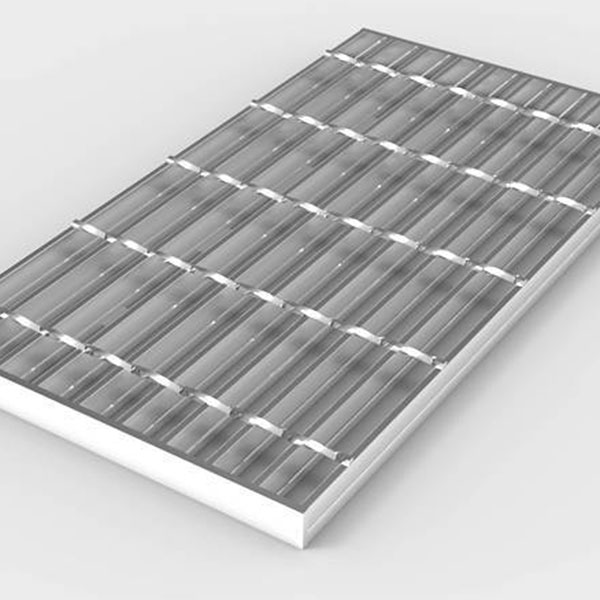
Grille métallique
Les caillebotis métalliques sont des matériaux durables et très résistants, largement utilisés dans les applications industrielles, commerciales et architecturales. Ils sont fabriqués à partir de matériaux tels que l'acier au carbone, l'acier galvanisé, l'aluminium...
-
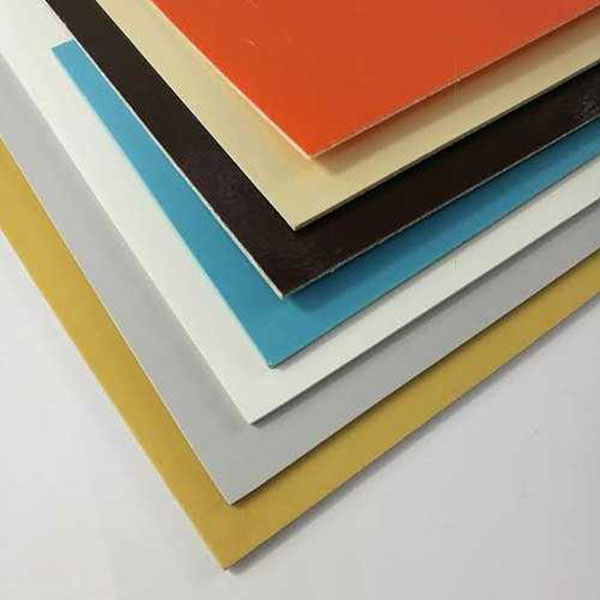
Feuilles en PRV
Les feuilles FRP (feuilles en polymère renforcé de fibres) sont des panneaux composites plats fabriqués à partir d'une combinaison de fibres de renforcement — généralement de la fibre de verre (verre E) — et d'une matrice de résine polymère telle que le polyester, le v...
-
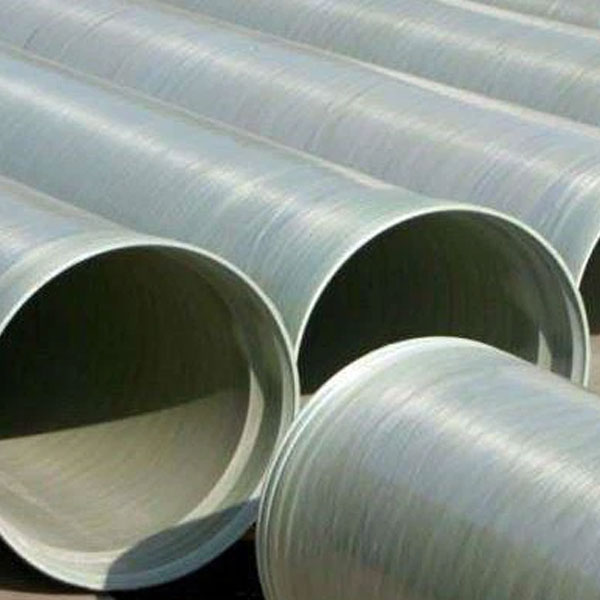
Tuyau PRF
Le tuyau en PRF (polymère renforcé de fibres) est un tuyau composite haute performance fabriqué à partir d'une combinaison de fibres de renforcement résistantes — généralement en verre, en carbone ou en aramide — incorporées dans une résine thermodurcissable...
-
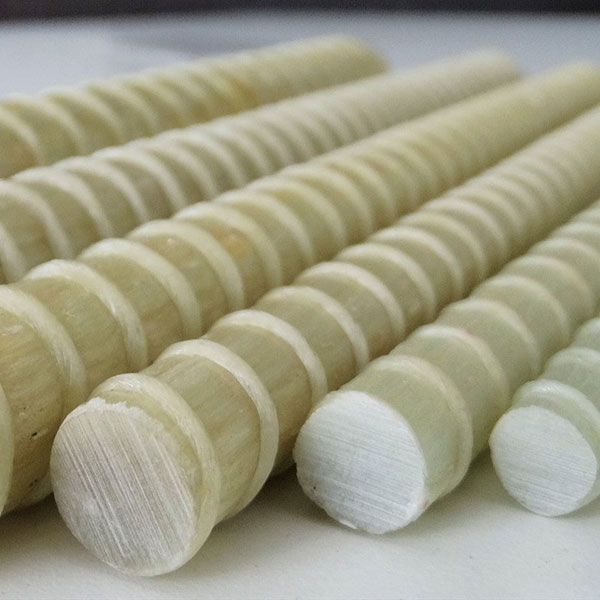
Armatures et machines en PRV
Les barres d'armature en polymère renforcé de fibres (PRF) constituent une alternative haute performance aux barres d'armature en acier traditionnelles utilisées dans les structures en béton. Elles sont fabriquées à partir d'une combinaison de fibres telles que le verre, le carbone….
-
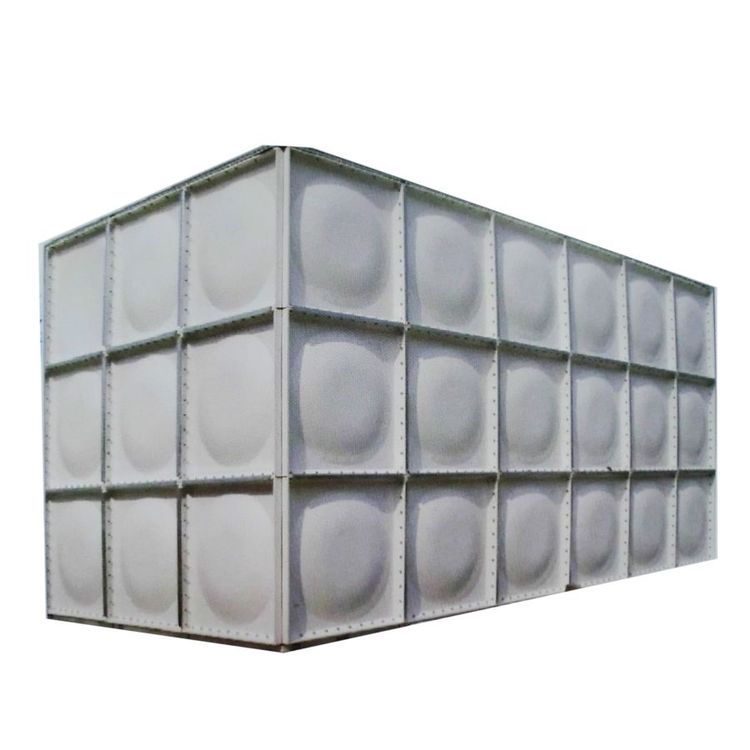
Réservoir d'eau en PRV
Les réservoirs de stockage d'eau en PRV (plastique renforcé de fibres de verre) sont des cuves hautes performances et résistantes à la corrosion, conçues pour le stockage sûr et durable de l'eau dans une grande variété d'applications.
-

Échelles et cages en PRV
Les cages d'échelle en PRV (plastique renforcé de fibres) sont des enceintes de sécurité de protection installées autour des échelles verticales fixes, offrant une protection antichute essentielle au personnel travaillant en hauteur. Ces cages...