


-
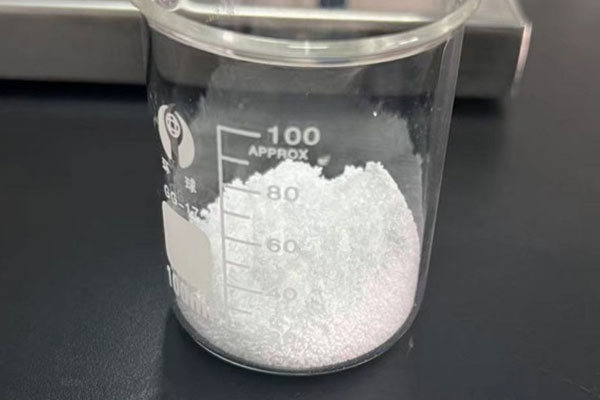
Granul BPO
Benzoyl Peroxide (BPO) Granules are a stabilized, granular form of benzoyl peroxide, widely utilized as a polymerization initiator and curing agent in various industrial applications. This form offers enhanced safety, ease of handling, and consistent performance compared to other forms like powders or pastes.
Pengenalan kinerja produk
Bahasa Indonesia:
1. Chemical Identity
-
Nama Kimia: Benzoyl Peroxide
-
Nomor CAS: 94-36-0
-
Molecular Formula: C₁₄H₁₀O₄
-
Molecular Weight: 242.23 g/mol
-
Synonyms: Dibenzoyl Peroxide, BPO, Benzoic PeroxyanhydrideBahasa Indonesia:
2. Physical and Chemical Properties
| Properti | Nilai |
|---|---|
| Penampilan | White granular solid |
| Odor | Faint odor of benzaldehyde |
| Titik lebur | 103–106 °C |
| Kepadatan | 1.16 g/cm³ at 25 °C |
| Solubility in Water | Insoluble |
| Solubility in Organic Solvents | Soluble in acetone, benzene, chloroform; slightly soluble in ethanol |
| Titik nyala |
|
| Decomposition Temperature | 131 °C (1-minute half-life) |
| Theoretical Active Oxygen Content | 6.62% |
3. Technical Data Sheet (TDS)
3.1. Product Specifications
| Parameter | Spesifikasi |
|---|---|
| Assay (BPO Content) | 72–76% |
| Water Content | 22–25% |
| Free Chloride | ≤0.1% |
| Free Acid (as Benzoic Acid) | ≤0.5% |
| Penampilan | White granular solid |
| Bulk Density | 500–600 kg/m³ |
3.2. Thermal Decomposition Data
| Half-Life | Suhu |
|---|---|
| 10 hours | 73 °C |
| 1 hour | 92 °C |
| 1 minute | 131 °C |
4. Aplikasi
4.1. Polymer Industry
-
Initiator for Polymerization: BPO granules are extensively used to initiate the polymerization of monomers such as styrene, methyl methacrylate, and acrylates in the production of plastics, resins, and adhesives.Bahasa Indonesia:
4.2. Composite Materials
-
Curing Agent: In unsaturated polyester and vinyl ester resins, BPO granules act as a curing agent, facilitating cross-linking during the fabrication of fiberglass-reinforced plastics.Bahasa Indonesia:
4.3. Rubber Industry
-
Vulcanizing Agent: BPO granules serve as a vulcanizing agent and cross-linking agent for silicone rubber and fluorine rubber.Bahasa Indonesia:3bf12b2b2d28ef1b.en.made-in-china.com
5. Safety and Handling
5.1. Hazards Identification
-
Oxidizing Agent: BPO granules are strong oxidizers and can pose fire and explosion hazards, especially when dry or in contact with combustible materials.
-
Health Hazards: Exposure may cause skin and eye irritation. Inhalation of dust can irritate the respiratory tract.Bahasa Indonesia:
5.2. Exposure Limits
-
NIOSH Recommended Exposure Limit (REL): TWA 5 mg/m³
-
OSHA Permissible Exposure Limit (PEL): TWA 5 mg/m³
-
Immediately Dangerous to Life or Health (IDLH): 1500 mg/m³Bahasa Indonesia:
5.3. Personal Protective Equipment (PPE)
-
Eye Protection: Safety goggles or face shield
-
Skin Protection: Protective gloves and clothing
-
Respiratory Protection: Dust mask or respirator in case of inadequate ventilationBahasa Indonesia:
5.4. First Aid Measures
-
Inhalation: Move to fresh air. Seek medical attention if symptoms persist.
-
Skin Contact: Wash with soap and water. Remove contaminated clothing.
-
Eye Contact: Rinse cautiously with water for several minutes. Seek medical advice.
-
Ingestion: Do not induce vomiting. Seek immediate medical attention.Bahasa Indonesia:
6. Storage and Stability
-
Kondisi penyimpanan: Store in a cool, dry, well-ventilated area away from heat sources and direct sunlight.
-
Temperature: Maintain storage temperature below 35 °C.
-
Kemasan: Typically available in 20 kg or 25 kg containers with inner polyethylene bags and outer fiber drums or cartons.
-
Stability: BPO granules are stable under recommended storage conditions but decompose upon heating, shock, or friction.Bahasa Indonesia:
7. Regulatory Information
-
UN Number: 3104 (for BPO with ≥52% content)
-
Hazard Class: 5.2 (Organic Peroxides)
-
Packing Group: II
-
Regulatory Listings: BPO is listed under various regulatory frameworks, including REACH, TSCA, and OSHA.Bahasa Indonesia:
8. Environmental Impact
-
Ecotoxicity: BPO is harmful to aquatic life with long-lasting effects.
-
Degradability: It decomposes into benzoic acid and oxygen, which can contribute to environmental oxygen demand.
Granul BPO
Seri :
Produk Proksi >aplikasi
5.1. Polymer Industry Initiator for Polymerization: BPO is widely used to initiate the polymerization of monomers like styrene, methyl methacrylate, and acrylates in the production of plastics, resins, and adhesives. 5.2. Composite Materials Curing Agent: In unsaturated polyester and vinyl ester resins, BPO acts as a curing agent, facilitating cross-linking during the fabrication of fiberglass-reinforced plastics. 5.3. Pharmaceuticals and Cosmetics Acne Treatment: BPO is a common active ingredient in topical acne medications due to its antibacterial properties. 5.4. Food Industry Bleaching Agent: BPO is employed to bleach flour, whey, and cheese products, improving their appearance.
Nama merk :
komposit TF
Nama Produk :
Granul BPO


Pertanyaan Umum
Q :
Apa kegunaan pasta BPO dalam industri fiberglass?
A :
Pasta BPO (Benzoyl Peroxide) terutama digunakan sebagai inisiator pengerasan untuk resin poliester dan vinil ester tak jenuh. Pasta ini membantu memulai proses polimerisasi dalam berbagai metode pembuatan fiberglass seperti hand lay-up, spray-up, pultrusion, casting, dan filament winding.
Q :
Mengapa BPO digunakan dalam bentuk pasta dan bukan bubuk?
A :
Lebih aman (risiko ledakan atau kebakaran lebih rendah) Lebih mudah ditangani dan dicampur Lebih sedikit debu Lebih stabil selama penyimpanan dan pengangkutan
Q :
Bisakah pasta BPO digunakan sendiri untuk proses pengeringan?
A :
Tidak. Pasta BPO membutuhkan promotor/akselerator—yang paling umum adalah kobalt oktoat—agar dapat terurai dengan benar dan menghasilkan radikal bebas untuk proses pengerasan.
Q :
Berapakah dosis tipikal pasta BPO dalam produksi fiberglass?
A :
Dosis standar biasanya 1,0% – 2,5% berdasarkan berat resin, tergantung pada jenis resin, kecepatan pengerasan yang dibutuhkan, dan suhu.
Produk terkait lainnya
-
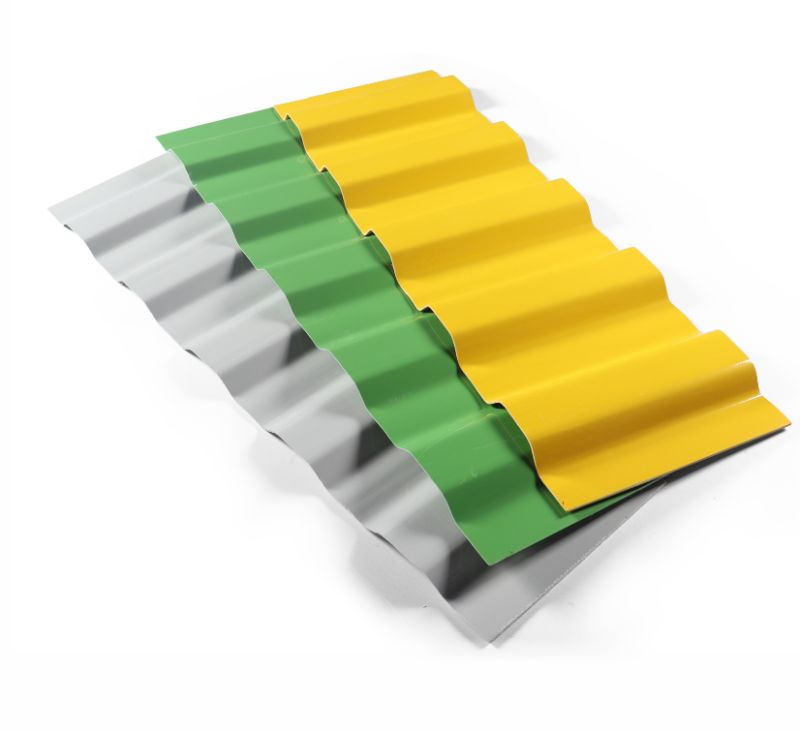
Genteng Fiberglass
Genteng Fiberglass adalah komponen atap berkinerja tinggi dan ringan yang diproduksi menggunakan serat fiberglass kontinu yang tertanam dalam matriks resin termosetting. Dirancang untuk ketahanan cuaca yang unggul...

-
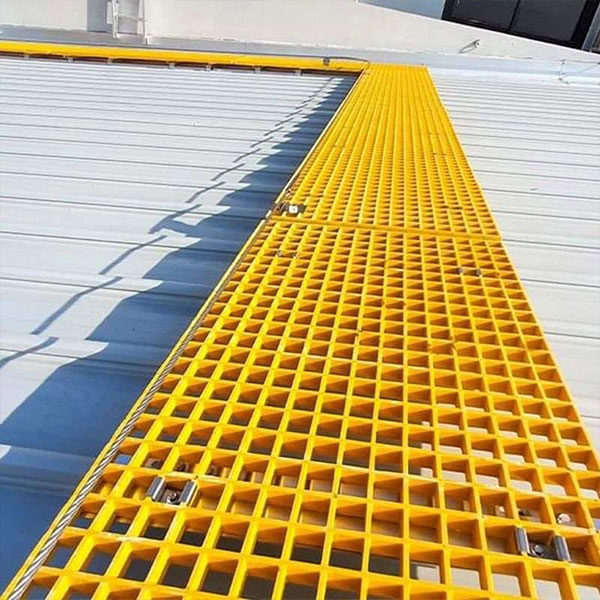
Kisi Plastik
Kisi-kisi plastik, juga dikenal sebagai kisi-kisi FRP (Fiberglass Reinforced Plastic), adalah alternatif modern untuk kisi-kisi logam tradisional. Terbuat dari serat fiberglass yang tertanam dalam matras resin termosetting...
-
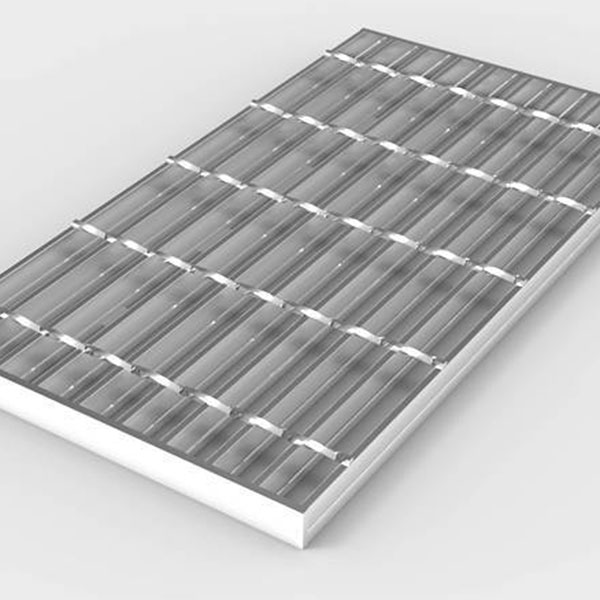
Kisi-kisi Logam
Kisi-kisi logam adalah material tahan lama dan berkekuatan tinggi yang banyak digunakan dalam aplikasi industri, komersial, dan arsitektur. Dibuat dari material seperti baja karbon, baja galvanis, aluminium...
-

Lembaran FRP
Lembaran FRP (Lembaran Polimer yang Diperkuat Serat) adalah panel komposit datar yang terbuat dari kombinasi serat penguat—biasanya serat kaca (E-glass)—dan matriks resin polimer seperti poliester, v...
-
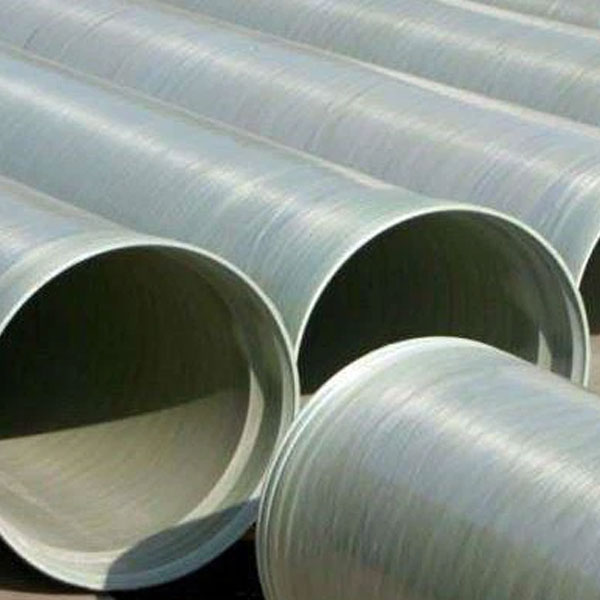
Pipa FRP
Pipa FRP (Fiber Reinforced Polymer) adalah pipa komposit berkinerja tinggi yang terbuat dari kombinasi serat penguat yang kuat—biasanya kaca, karbon, atau aramid—yang tertanam dalam resin termosetting...
-
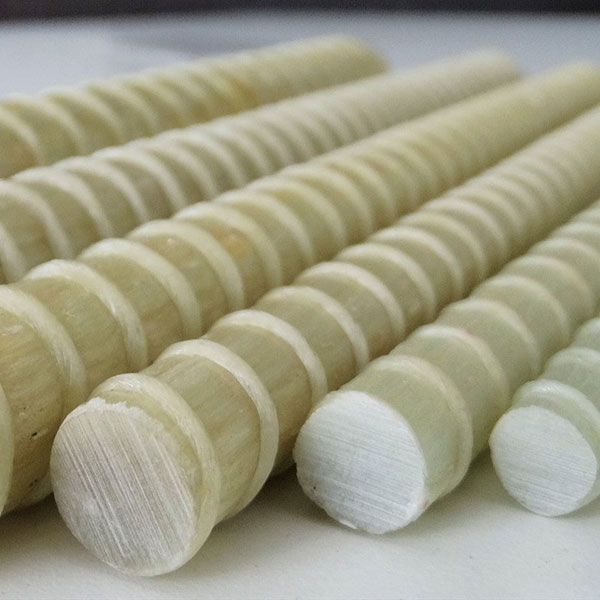
Tulangan FRP dan Mesin
Tulangan Polimer yang Diperkuat Serat (FRP) adalah alternatif berkinerja tinggi untuk tulangan baja tradisional yang digunakan dalam struktur beton. Terbuat dari kombinasi serat seperti kaca, karbon,...
-
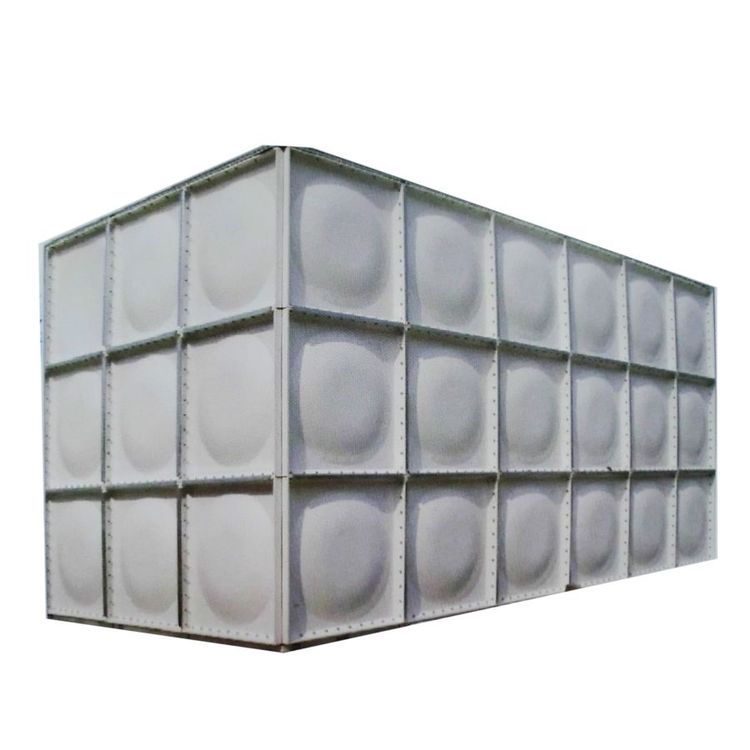
Tangki Air FRP
Tangki penyimpanan air FRP (Fiberglass Reinforced Plastic) adalah wadah berkinerja tinggi dan tahan korosi yang dirancang untuk penampungan air yang aman dan jangka panjang dalam berbagai aplikasi. ...
-

Sangkar Tangga FRP
Sangkar tangga FRP (Fiber Reinforced Plastic) adalah pelindung keselamatan yang dipasang di sekitar tangga vertikal tetap, yang menawarkan perlindungan penting terhadap jatuh bagi personel yang bekerja di ketinggian. Sangkar ini...