


-
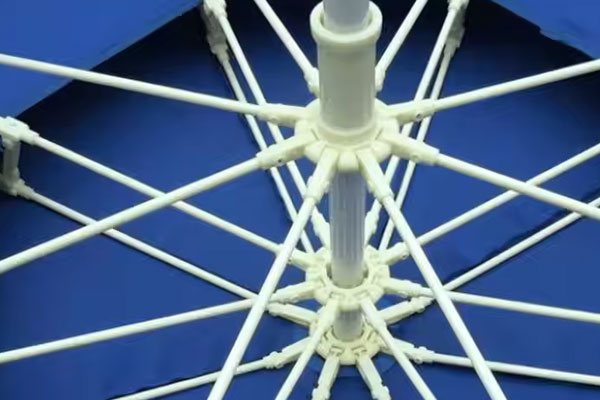
Batang rusuk payung fiberglass
-
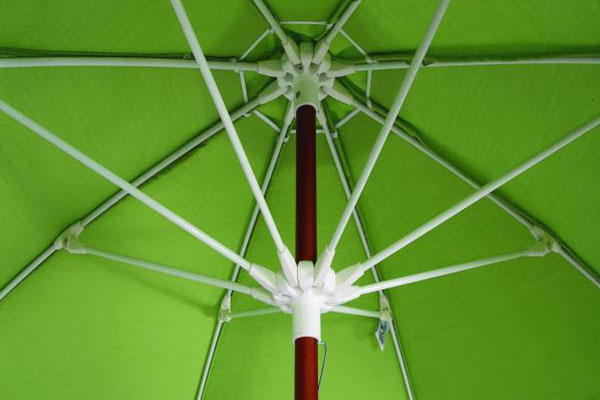
Batang rusuk payung fiberglass
Fiberglass umbrella rib rods are critical components in modern umbrella design, offering a blend of strength, flexibility, and durability. This comprehensive guide explores their composition, advantages, technical specifications, manufacturing processes, comparisons with other materials, maintenance practices, and considerations for selection.
Pengenalan kinerja produk
Bahasa Indonesia:
Composition and Manufacturing
Fiberglass umbrella ribs are constructed from fine glass fibers embedded within a resin matrix, resulting in a composite material that is both lightweight and robust. The manufacturing process typically involves pultrusion, where continuous strands of glass fibers are pulled through a resin bath and then through a heated die to form rods of consistent cross-section. Metode ini menjamin keseragaman dan memungkinkan penyesuaian dalam hal diameter, panjang, dan fleksibilitas.Bahasa Indonesia:
Advantages of Fiberglass Umbrella Rib Rods
-
Flexibility and Wind Resistance: Fiberglass ribs can bend and flex under stress without breaking, allowing umbrellas to withstand high winds and adverse weather conditions. This flexibility enables the ribs to absorb wind gusts, reducing the risk of damage. Bahasa Indonesia:
-
Daya Tahan dan Umur Panjang: Fiberglass ribs are resistant to rust, corrosion, and decay, ensuring a longer lifespan compared to traditional metal or wood ribs. They maintain their shape and functionality over time, even when exposed to harsh environmental conditions.
-
Ringan: Despite their strength, fiberglass ribs are relatively lightweight, contributing to the overall ease of handling and transportation of the umbrella.Bahasa Indonesia:
-
Tidak konduktif: Fiberglass is a non-conductive material, reducing the risk of electrical hazards during thunderstorms.Bahasa Indonesia:
Spesifikasi Teknis
When evaluating fiberglass umbrella rib rods, several technical parameters are essential:
-
Diameter and Thickness: Common diameters for fiberglass ribs range from 0.302 inches (approximately 7.67mm) to 0.75 inches (approximately 19.05mm). The choice of diameter affects the rib’s strength and flexibility. For instance, larger canopies may require thicker ribs for adequate support. Bahasa Indonesia:
-
Panjang: The length of the ribs corresponds to the size of the umbrella canopy. Standard lengths vary, with common sizes supporting canopies ranging from 6 feet to 11 feet in diameter. Bahasa Indonesia:
-
Berat: The weight of fiberglass ribs contributes to the overall weight of the umbrella. While specific weights vary based on dimensions, fiberglass ribs are generally lighter than their metal counterparts, enhancing portability.Bahasa Indonesia:
-
Kekuatan Lentur: Fiberglass ribs are designed to flex under load without permanent deformation. This characteristic is quantified by flexural strength, indicating the maximum stress the material can withstand before failure.Bahasa Indonesia:
Comparison with Other Materials
When choosing between fiberglass and other materials for umbrella ribs, it’s essential to consider the following factors:
-
Rasio Kekuatan terhadap Berat: Fiberglass offers an excellent strength-to-weight ratio, providing robust support without excessive weight.Bahasa Indonesia:
-
Daya tahan: Unlike metal ribs, which may bend or corrode, or wood ribs, which can rot or warp, fiberglass ribs maintain their integrity over time with minimal maintenance.Bahasa Indonesia:
-
Biaya: Fiberglass ribs may have a higher upfront cost compared to some materials but offer greater longevity and reduced replacement frequency, potentially leading to cost savings over time.Bahasa Indonesia:
Pemeliharaan dan Perawatan
To extend the lifespan of fiberglass umbrella ribs:
-
Inspeksi Rutin: Periodically check for signs of wear, cracks, or splinters.Bahasa Indonesia:
-
Pembersihan: Wipe down ribs with a damp cloth to remove dirt and debris. Avoid using harsh chemicals that may degrade the resin.Bahasa Indonesia:
-
Penyimpanan: Store umbrellas in a dry place when not in use to prevent unnecessary exposure to environmental stressors.Bahasa Indonesia:
-
Penanganan: Avoid applying excessive force or bending the ribs beyond their designed flexural capacity to prevent structural damage.
Pertimbangan Seleksi
When selecting fiberglass umbrella ribs:
-
Umbrella Size and Design: Ensure the ribs’ specifications align with the umbrella’s dimensions and structural requirements. Larger canopies may necessitate thicker or more robust ribs.Bahasa Indonesia:
-
Kondisi Lingkungan: Consider the typical weather conditions the umbrella will face. In windy areas, opt for ribs designed to flex and absorb gusts without breaking.Bahasa Indonesia:
-
Aesthetic Preferences: Fiberglass ribs can be manufactured in various finishes and colors to match the desired aesthetic of the umbrella.Bahasa Indonesia:
-
Anggaran: Balance cost with quality. Investing in higher-quality fiberglass ribs can offer better performance and longevity, providing greater value over time.
Batang rusuk payung fiberglass
Seri :
Produk Utama >aplikasi
tenda, tas, payung, layar, alat fitnes, panah, antena, bendera, penahan terpal, klab, rak display iklan, kincir angin, dudukan kipas, poros transmisi peralatan PCB, peralatan olah raga laut
Nama merk :
komposit TF
Nama Produk :
Batang rusuk payung fiberglass
Bahan :
fiberglass
Warna :
Putih hitam
Selesai Memproses:
Mulus


Pertanyaan Umum
Q :
Apakah batang fiberglass lebih kuat?
A :
Bahan fiberglass jauh lebih kuat dan tahan terhadap kondisi lokasi kerja yang keras.
Q :
Apakah batang fiberglass mudah patah?
A :
Seratnya lebih meregang dibandingkan serat grafit sehingga batang akan membengkok lebih dalam tanpa patah. Mereka juga kecil kemungkinannya untuk rusak akibat pukulan fisik.
Produk terkait lainnya
-
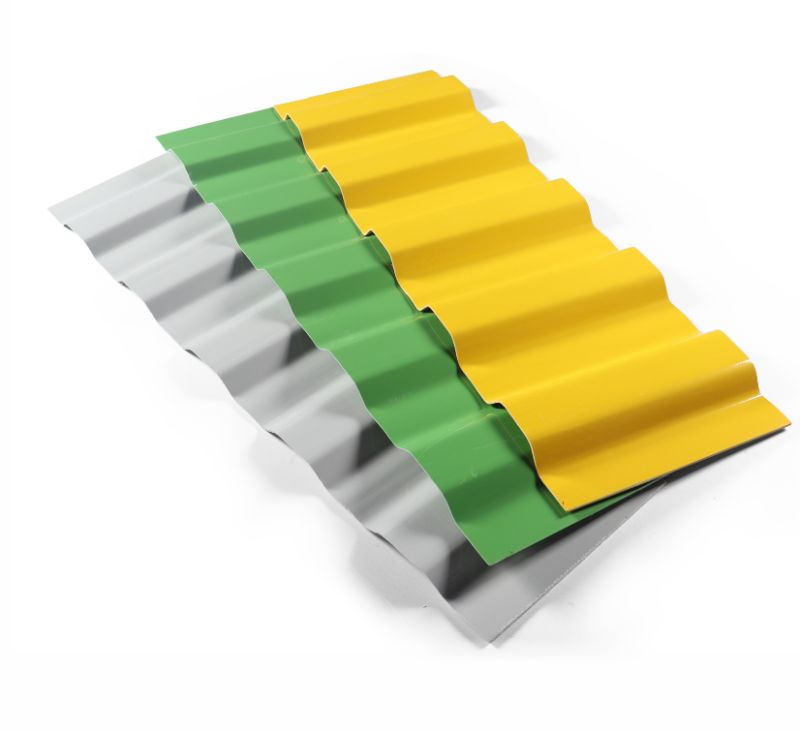
Genteng Fiberglass
Genteng Fiberglass adalah komponen atap berkinerja tinggi dan ringan yang diproduksi menggunakan serat fiberglass kontinu yang tertanam dalam matriks resin termosetting. Dirancang untuk ketahanan cuaca yang unggul...

-
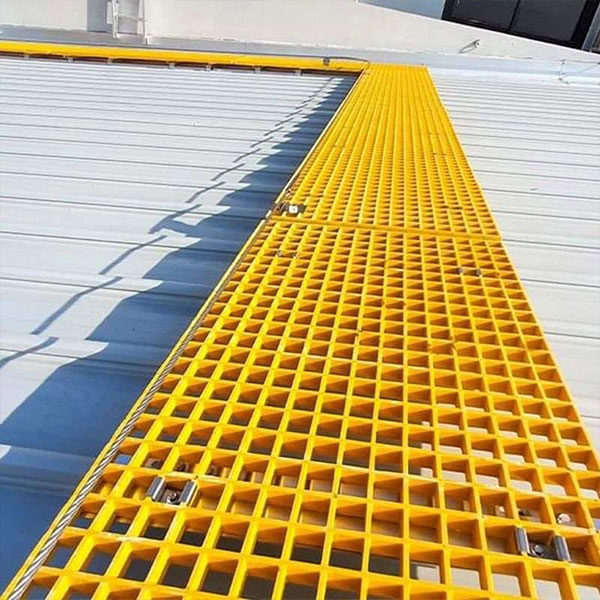
Jalan Setapak FRP
Jalan setapak FRP (Fiber Reinforced Plastic) adalah platform berjalan yang tahan lama dan tahan korosi yang terbuat dari material komposit, biasanya serat kaca yang diperkuat dengan poliester, vinil ester, atau resin epoksi...
-
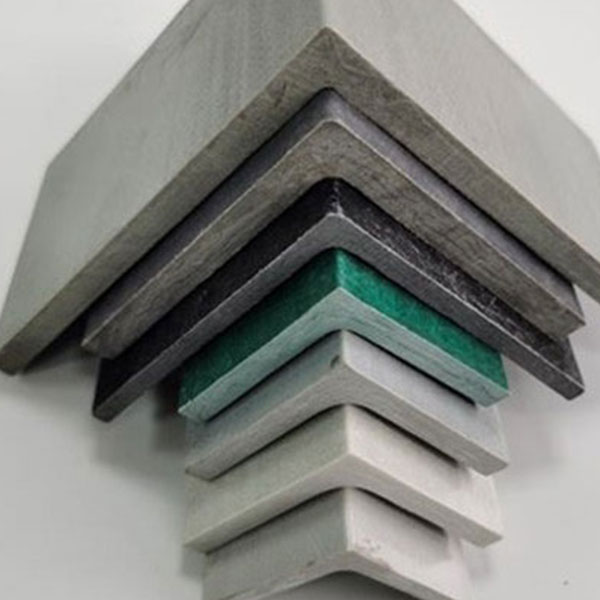
Profil Pultruded FRP
Profil pultrusi FRP adalah bentuk struktural yang terbuat dari plastik yang diperkuat serat menggunakan proses manufaktur berkelanjutan yang disebut pultrusi. Proses ini melibatkan penarikan serat—biasanya kaca, kalsium karbonat, dan lain-lain...
-
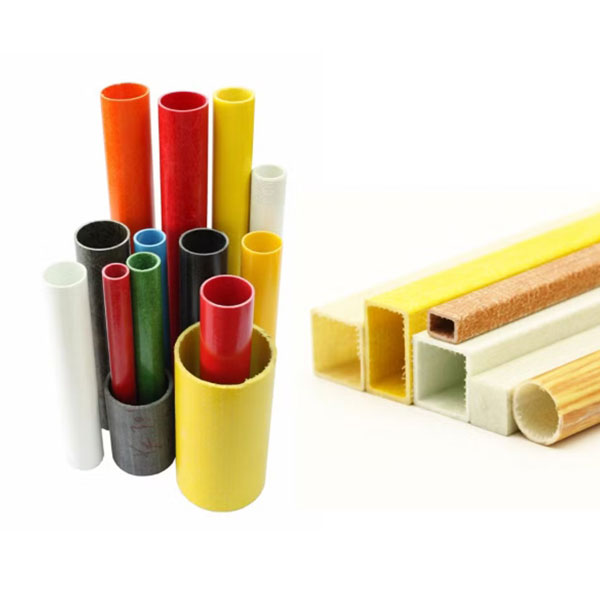
Tabung FRP
Tabung FRP, atau tabung Plastik yang Diperkuat Serat, adalah struktur komposit berkinerja tinggi yang terbuat dari matriks polimer yang diperkuat dengan serat, biasanya kaca, karbon, atau aramid. Tabung-tabung ini dikenal...
-
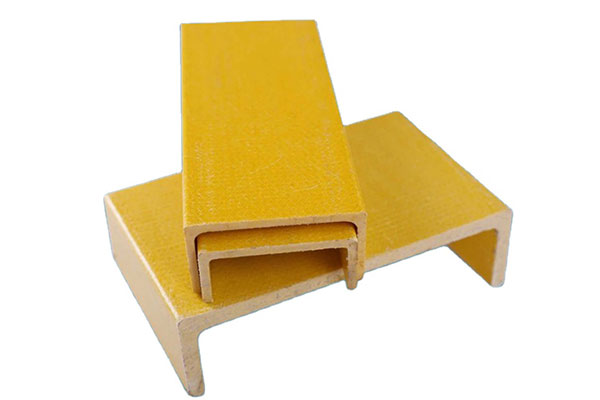
Profil Pultrusi FRP
Profil Pultrusi FRP adalah profil struktural yang terbuat dari Polimer yang Diperkuat Serat (FRP) menggunakan proses manufaktur yang disebut pultrusi. Metode ini melibatkan penarikan untaian penguat secara kontinu...
-
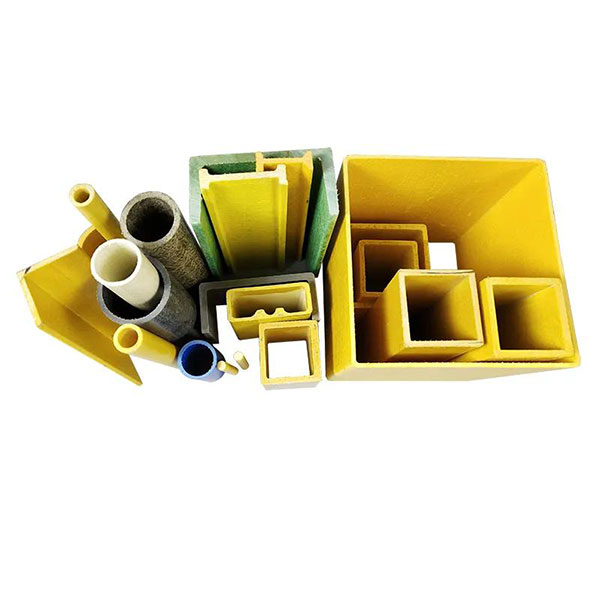
Bentuk Terstruktur FRP
Bentuk Struktur FRP (juga dikenal sebagai profil struktural FRP atau elemen struktural plastik yang diperkuat serat kaca) adalah komponen komposit hasil rekayasa yang terbuat dari kombinasi serat kaca yang diperkuat...
-
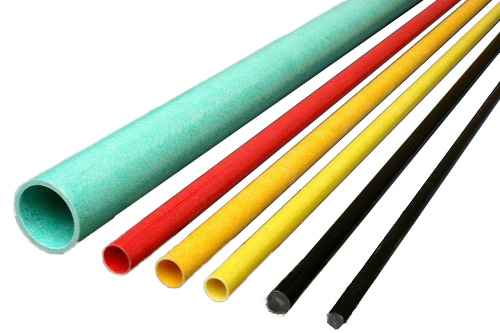
Tabung Bulat Berongga FRP
Spesifikasi Tabung Bulat Berongga FRP: Lihat Ukuran D*T(MM) Berat(G/M) 4*1,25 14,88 4*1,3 14,51 5,9*1,5 40,5...
-
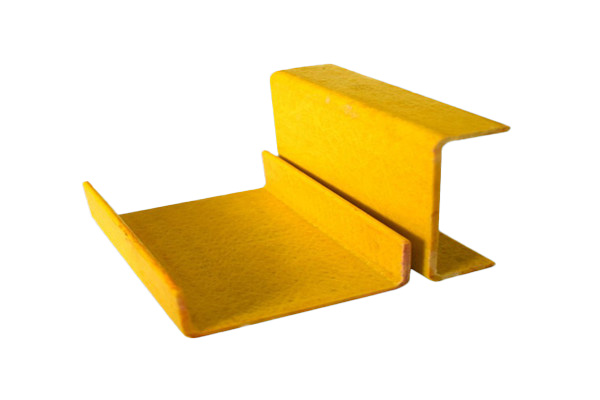
Saluran FRP C
Spesifikasi Saluran FRP C: Lihat Ukuran A*B*C(MM) Berat(G/M) 65*46*4 1648 90*50*4 2112 41*29*3.5(double C...