


-
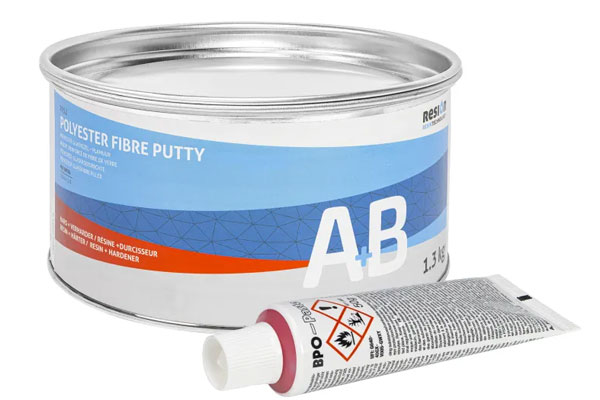
Pasta BPO in materiale ausiliario in fibra di vetro
Benzoyl Peroxide (BPO) Paste is a widely used auxiliary agent in the composite industry, particularly in the manufacturing and processing of glass fiber reinforced plastics (GFRP). Functioning primarily as a free radical initiator, BPO paste plays a vital role in initiating the polymerization of unsaturated polyester (UPR) and vinyl ester resins, essential for curing thermosetting resin systems.
Introduzione alle prestazioni del prodotto
Its paste form—BPO suspended in a plasticizer or carrier such as phthalate or dicyclopentadiene (DCPD)—makes it easier to handle, safer, and more compatible with various production environments, especially those involving lay-up manuale, spruzzatura, pultrusione, filament winding, E casting applications.
1. Chemical Composition & Structure
-
Nome chimico: Benzoyl Peroxide (C₁₄H₁₀O₄)
-
Numero CAS: 94-36-0
-
Modulo: White or off-white paste
-
Typical Concentration: 50-60% active BPO by weight
-
Carrier Material: Commonly phthalate esters (e.g., dioctyl phthalate), DCPD, or non-phthalate plasticizers
-
Stabilization: Stabilized with moisture-absorbing agents, anticaking additives, or thickeners to ensure safe storage and handling
2. Role in Resin Curing
BPO acts as an initiator of polymerization by decomposing into free radicals at elevated temperatures. When used in conjunction with accelerators such as cobalt octoate, it triggers the rapid and exothermic curing of UPR and vinyl ester systems. This reaction is especially critical in:
-
Fiberglass lamination processes
-
Automotive FRP parts
-
Pultruded profiles
-
Transparent castings
-
Marine panels
-
Composite bathtubs and sanitaryware
Vantaggi:
-
Excellent curing at room and elevated temperatures
-
Stable and predictable reaction profile
-
High compatibility with a broad range of unsaturated resins
3. Product Features and Benefits
| Caratteristica | Descrizione |
|---|---|
| High activity | 50-60% BPO content ensures efficient initiation |
| Safe formulation | Paste form reduces risk of dust ignition or exposure |
| Improved dispersion | Easy to mix uniformly with base resins |
| Temperature adaptability | Can be used in ambient or elevated temperatures |
| Personalizzabile | Formulated with various carriers (phthalate, DCPD, or phthalate-free) |
| Consistent performance | Reproducible curing profiles batch-to-batch |
4. Applications Across Industries
UN. FRP Molded Products
BPO paste is a key component in the modanatura of FRP components such as tanks, panels, and ducts. It offers consistent curing and ensures mechanical integrity.
B. Hand Lay-Up & Spray-Up
In these methods, BPO paste is used with accelerators to cure each layer of laminate. Its stability and adjustable cure time enhance process efficiency.
C. Pultrusion
Used in continuous manufacturing processes of profiles like rods, bars, ladders, and channels, BPO paste supports fast throughput and low scrap rates.
D. Casting Applications
In clear casting or composite stone, BPO ensures bubble-free, clear finishes with controlled exothermic profiles.
5. Scheda tecnica (TDS)
General Properties
| Proprietà | Valore tipico |
|---|---|
| Aspetto | White to off-white paste |
| Active Content (BPO) | 50% – 60% |
| Density at 20°C | 1.15 – 1.30 g/cm³ |
| pH (aqueous extract) | Neutral to slightly acidic |
| Punto d'infiammabilità | >80°C (closed cup) |
| Contenuto di umidità | <0,5% |
| Solubility | Insoluble in water |
| Viscosity (25°C, Brookfield) | 3,000 – 8,000 mPa.s (depends on carrier) |
| Freezing Point | Below 0°C |
Thermal Decomposition Data
| Parametro | Valore |
|---|---|
| Self-Accelerating Decomposition | ~60°C |
| SADT (Safe Storage Temp) | 35°C (recommended max storage temp) |
| Activation Energy (Ea) | Approx. 105 kJ/mol |
6. Safety and Handling Guidelines
Condizioni di conservazione
-
Store in original containers away from sunlight and ignition sources
-
Recommended storage temperature: 10°C – 25°C
-
Avoid freezing and exposure to moisture
-
Keep separated from accelerators (e.g., cobalt salts)
Personal Protective Equipment (PPE)
-
Gloves (nitrile or neoprene)
-
Safety goggles
-
Lab coat or apron
-
Proper ventilation during use
Hazards
-
Classified as an oxidizing agent
-
Avoid contamination with heavy metals or reducing agents
-
Can cause skin and eye irritation
-
Explosion risk if heated above decomposition point or subjected to friction
7. Packaging Options
| Package Type | Peso netto | Notes |
|---|---|---|
| PE-lined pail | 5 kg / 10 kg | Sealed and moisture-protected |
| Fiber drum | 25 kg | Large-scale production usage |
| IBC bulk | Personalizzato | For factory-integrated dosage systems |
8. Compatibility with Accelerators
BPO paste must be used with a suitable accelerator for proper curing. The most common are:
| Accelerator Type | Recommended Dosage | Typical Use Temperature |
|---|---|---|
| Cobalt octoate (1%) | 0.5% – 1.0% | 15 – 35°C |
| DMA (dimethylaniline) | 0.2% – 0.5% | Low-temp conditions |
| Cobalt napthenate | Similar to octoate | Broad resin systems |
Note: Never premix BPO with accelerators—mix into resin separately and in proper sequence.
9. Environmental & Regulatory Compliance
BPO paste is subject to multiple international regulations due to its oxidizing and irritant properties:
-
REACH Registered (Europe)
-
TSCA Listed (USA)
-
GHS Classified (Globally Harmonized System)
-
Conforme alla direttiva RoHS for electronics-related GRP usage
-
Transport Classification: UN 3108 (organic peroxide type E, solid)
10. Quality Assurance
Manufacturers typically follow ISO9001:2015 quality systems, ensuring:
-
Raw material traceability
-
Batch consistency
-
In-house QC testing (BPO content, viscosity, stability)
-
Customized formulation options based on resin system or processing temperature
11. Technical Support and Customization
Reputable BPO paste suppliers offer technical support, including:
-
Cure profile analysis
-
Custom-formulated pastes (phthalate-free, low exotherm, fast cure)
-
Lab trials with specific resin systems
-
Safe transportation advice
-
Application troubleshooting and process optimization
Conclusione
BPO paste is an indispensable auxiliary agent in the glass fiber composites industry. Its ability to safely and effectively initiate polymerization has made it a backbone material in fiberglass part manufacturing. Whether used in basic hand lay-up operations or automated pultrusion lines, BPO paste delivers process control, product performance, and production safety.
Pasta BPO in materiale ausiliario in fibra di vetro
Serie:
Prodotti proxy >applicazione
a. FRP Molded Products BPO paste is a key component in the molding of FRP components such as tanks, panels, and ducts. It offers consistent curing and ensures mechanical integrity. b. Hand Lay-Up & Spray-Up In these methods, BPO paste is used with accelerators to cure each layer of laminate. Its stability and adjustable cure time enhance process efficiency. c. Pultrusion Used in continuous manufacturing processes of profiles like rods, bars, ladders, and channels, BPO paste supports fast throughput and low scrap rates. d. Casting Applications In clear casting or composite stone, BPO ensures bubble-free, clear finishes with controlled exothermic profiles.
Marchio :
TFcomposito
Nome del prodotto :
Pasta BPO in materiale ausiliario in fibra di vetro


FAQ
Q :
A cosa serve la pasta BPO nell'industria della fibra di vetro?
UN :
La pasta di BPO (perossido di benzoile) è utilizzata principalmente come iniziatore di polimerizzazione per resine poliestere insature e vinilestere. Contribuisce all'avvio del processo di polimerizzazione in vari metodi di produzione della fibra di vetro, come laminazione manuale, spruzzatura, pultrusione, fusione e avvolgimento di filamenti.
Q :
Perché il BPO viene utilizzato in pasta anziché in polvere?
UN :
Più sicuro (minore rischio di esplosione o incendio) Più facile da maneggiare e miscelare Meno polveroso Più stabile durante lo stoccaggio e il trasporto
Q :
La pasta BPO può essere utilizzata da sola per la polimerizzazione?
UN :
No. La pasta BPO necessita di un promotore/acceleratore, solitamente ottoato di cobalto, per decomporsi correttamente e generare radicali liberi per la polimerizzazione.
Q :
Qual è il dosaggio tipico di pasta BPO nella produzione di fibra di vetro?
UN :
Il dosaggio standard è solitamente 1,0% – 2,5% in base al peso della resina, a seconda del tipo di resina, della velocità di polimerizzazione richiesta e della temperatura.
Altri prodotti correlati
-
Tegole in fibra di vetro
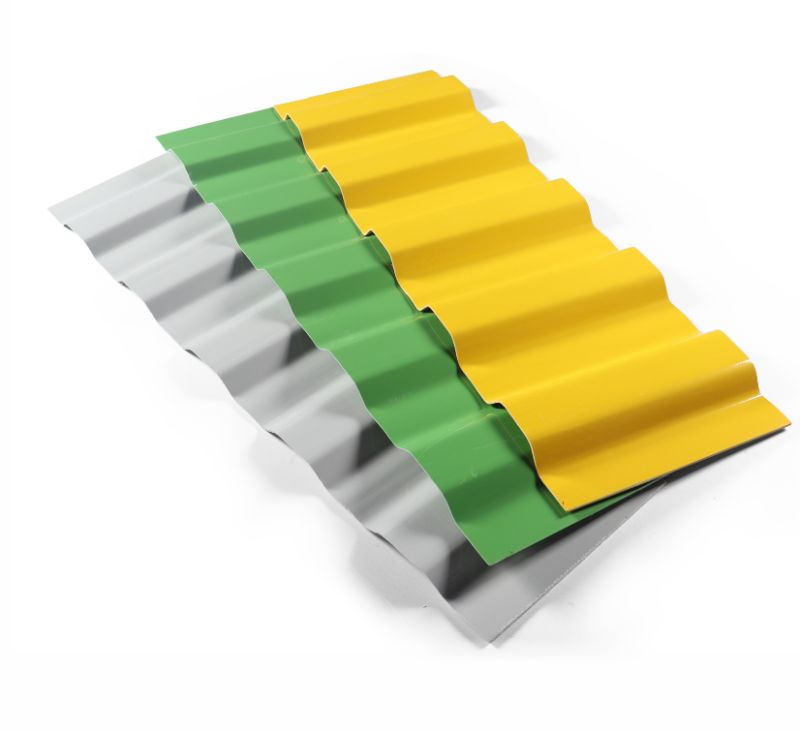
Le tegole in fibra di vetro sono componenti per coperture leggere e ad alte prestazioni, realizzate utilizzando fili continui di fibra di vetro immersi in una matrice di resina termoindurente. Progettate per una resistenza agli agenti atmosferici superiore...

-
Grata di plastica
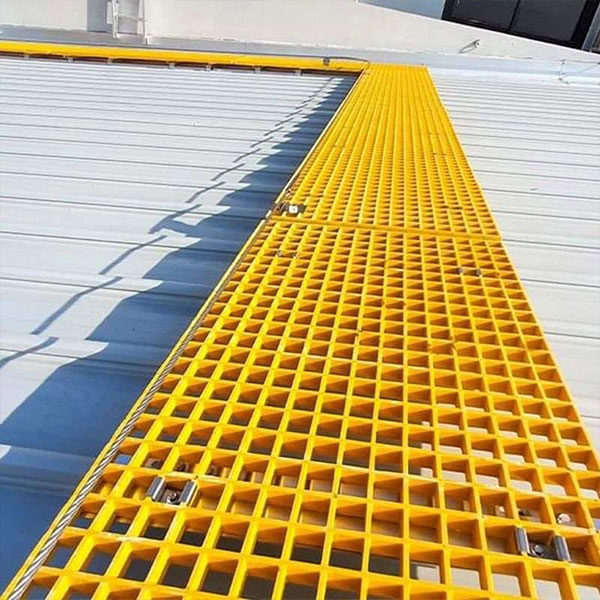
Le griglie in plastica, note anche come griglie in FRP (plastica rinforzata con fibra di vetro), rappresentano un'alternativa moderna alle tradizionali griglie metalliche. Realizzate con fili di fibra di vetro immersi in un materassino di resina termoindurente...
-
Griglia metallica
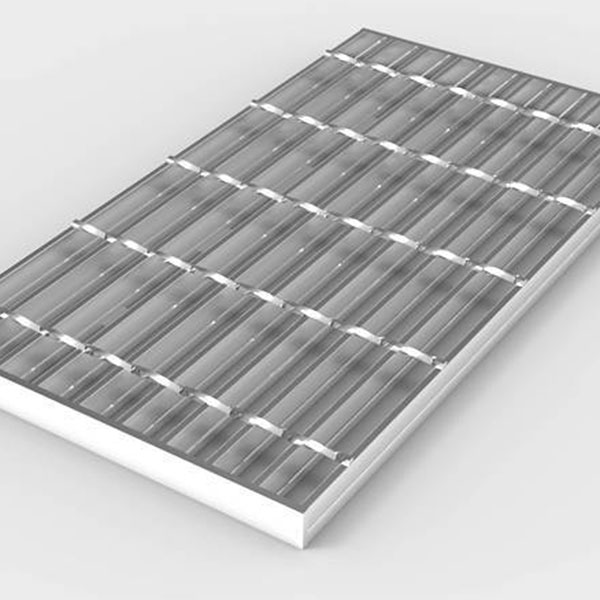
Le griglie metalliche sono un materiale durevole e ad alta resistenza, ampiamente utilizzato in applicazioni industriali, commerciali e architettoniche. Realizzate con materiali come acciaio al carbonio, acciaio zincato, alluminio...
-

Fogli FRP
I fogli FRP (fogli polimerici rinforzati con fibre) sono pannelli compositi piani realizzati da una combinazione di fibre di rinforzo, in genere fibra di vetro (vetro E), e una matrice di resina polimerica come poliestere, v...
-
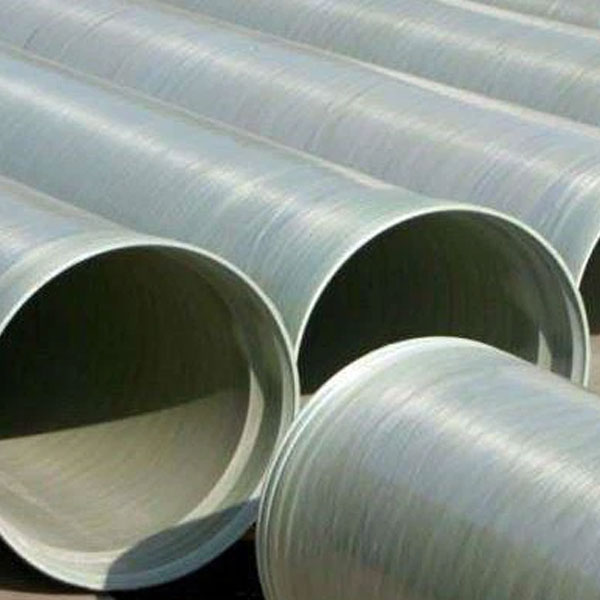
Tubo in FRP
Il tubo FRP (Fiber Reinforced Polymer) è un tubo composito ad alte prestazioni realizzato da una combinazione di fibre di rinforzo resistenti, in genere vetro, carbonio o aramide, incorporate in una resina termoindurente...
-
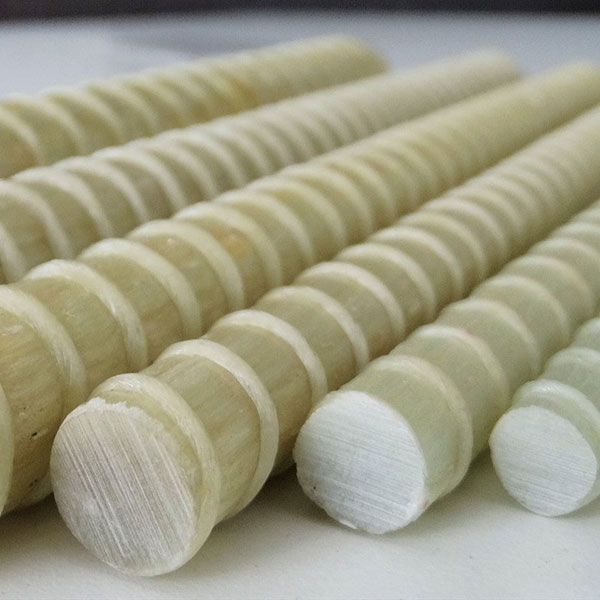
Barre di rinforzo in FRP e macchine
Le barre d'armatura in polimero rinforzato con fibre (FRP) rappresentano un'alternativa ad alte prestazioni alle tradizionali barre d'armatura in acciaio utilizzate nelle strutture in calcestruzzo. Sono realizzate con una combinazione di fibre come vetro, carbonio,...
-
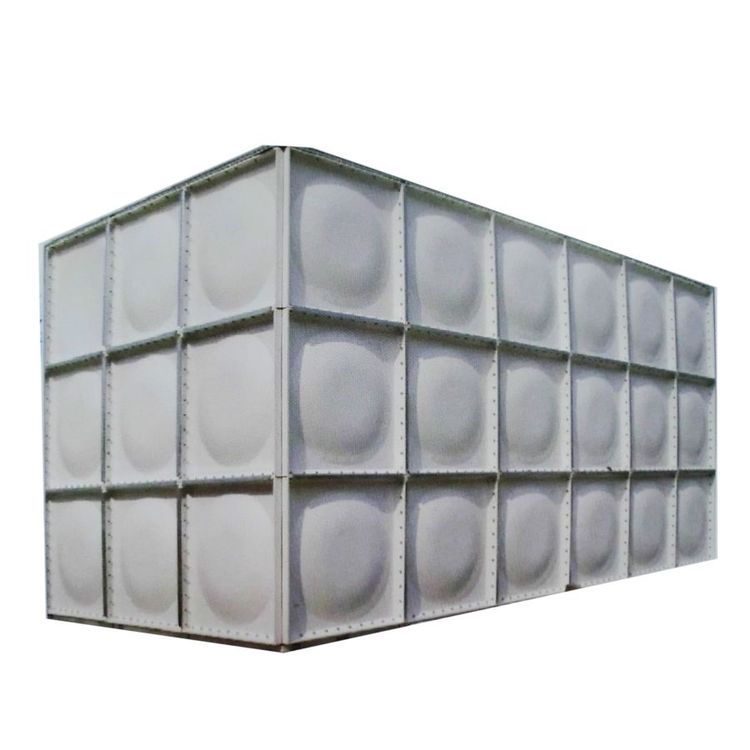
Serbatoio d'acqua in FRP
I serbatoi di stoccaggio dell'acqua in FRP (plastica rinforzata con fibra di vetro) sono recipienti ad alte prestazioni e resistenti alla corrosione, progettati per il contenimento sicuro e a lungo termine dell'acqua in un'ampia gamma di applicazioni. Man...
-

Gabbie per scale in FRP
Le gabbie per scale in FRP (plastica rinforzata con fibre) sono recinzioni di sicurezza protettive montate attorno a scale verticali fisse, offrendo una protezione anticaduta essenziale per il personale che lavora in quota. Queste gabbie...