


-
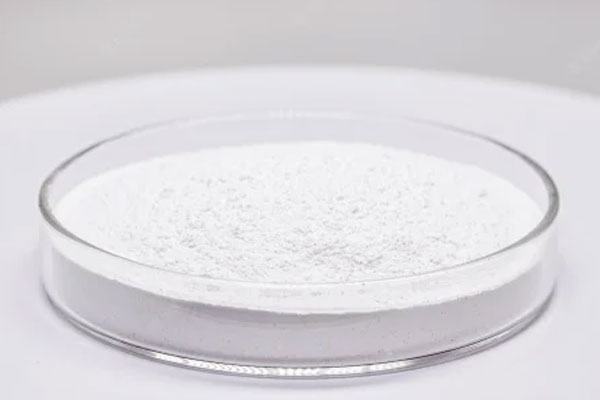
Pó de BPO
Benzoyl Peroxide (BPO) is a white, crystalline powder known for its strong oxidizing properties. It serves as a free radical initiator in polymerization processes and is utilized across various industries, including plastics, pharmaceuticals, and cosmetics.
Introdução ao desempenho do produto
2. Chemical Identity
-
Nome químico: Benzoyl Peroxide
-
Número CAS: 94-36-0
-
Molecular Formula: C₁₄H₁₀O₄
-
Molecular Weight: 242.23 g/mol
-
Synonyms: Dibenzoyl Peroxide, BPO, Benzoic Peroxyanhydride
3. Physical and Chemical Properties
| Propriedade | Valor |
|---|---|
| Aparência | White crystalline powder |
| Odor | Odorless |
| Ponto de fusão | 103–106 °C |
| Boiling Point | Decomposes before boiling |
| Densidade | 1.16 g/cm³ at 25 °C |
| Vapor Pressure | 0.009 Pa at 25 °C |
| Solubility in Water | Insoluble |
| Solubility in Organic Solvents | Soluble in acetone, benzene, chloroform; slightly soluble in ethanol |
| Ponto de inflamação | >110 °C |
| Decomposition Temperature | 133 °C (1-minute half-life) |
| Activation Energy | ~125.6 kJ/mol |
| Theoretical Active Oxygen Content | 6.62% |
4. Technical Data Sheet (TDS)
4.1. Product Specifications
| Parâmetro | Especificação |
|---|---|
| Assay (BPO Content) | 75.00–78.00% |
| Water Content | 21.00–25.00% |
| Free Chloride | ≤0.1% |
| Free Acid (as Benzoic Acid) | ≤0.5% |
| Aparência | White granular powder |
| Densidade aparente | 500–600 kg/m³ |
4.2. Thermal Decomposition Data
| Half-Life | Temperatura |
|---|---|
| 10 hours | 72–73 °C |
| 1 hour | 92 °C |
| 1 minute | 131 °C |
5. Aplicações
5.1. Polymer Industry
-
Initiator for Polymerization: BPO is widely used to initiate the polymerization of monomers like styrene, methyl methacrylate, and acrylates in the production of plastics, resins, and adhesives.
5.2. Composite Materials
-
Curing Agent: In unsaturated polyester and vinyl ester resins, BPO acts as a curing agent, facilitating cross-linking during the fabrication of fiberglass-reinforced plastics.
5.3. Pharmaceuticals and Cosmetics
-
Acne Treatment: BPO is a common active ingredient in topical acne medications due to its antibacterial properties.
5.4. Food Industry
-
Bleaching Agent: BPO is employed to bleach flour, whey, and cheese products, improving their appearance.
6. Safety and Handling
6.1. Hazards Identification
-
Oxidizing Agent: BPO is a strong oxidizer and can pose fire and explosion hazards, especially when dry or in contact with combustible materials.
-
Health Hazards: Exposure may cause skin and eye irritation. Inhalation of dust can irritate the respiratory tract.
6.2. Exposure Limits
-
NIOSH Recommended Exposure Limit (REL): TWA 5 mg/m³
-
OSHA Permissible Exposure Limit (PEL): TWA 5 mg/m³
-
Immediately Dangerous to Life or Health (IDLH): 1500 mg/m³
6.3. Personal Protective Equipment (PPE)
-
Eye Protection: Safety goggles or face shield
-
Skin Protection: Protective gloves and clothing
-
Respiratory Protection: Dust mask or respirator in case of inadequate ventilation
6.4. First Aid Measures
-
Inhalation: Move to fresh air. Seek medical attention if symptoms persist.
-
Skin Contact: Wash with soap and water. Remove contaminated clothing.
-
Eye Contact: Rinse cautiously with water for several minutes. Seek medical advice.
-
Ingestion: Do not induce vomiting. Seek immediate medical attention.
7. Storage and Stability
-
Condições de armazenamento: Store in a cool, dry, well-ventilated area away from heat sources and direct sunlight.
-
Temperature: Maintain storage temperature below 30 °C.
-
Embalagem: Typically available in 20 kg or 25 kg containers with inner polyethylene bags and outer fiber drums or cartons.
-
Stability: BPO is stable under recommended storage conditions but decomposes upon heating, shock, or friction.
8. Regulatory Information
-
UN Number: 3104 (for BPO with ≥52% content)
-
Hazard Class: 5.2 (Organic Peroxides)
-
Packing Group: II
-
Regulatory Listings: BPO is listed under various regulatory frameworks, including REACH, TSCA, and OSHA.
9. Environmental Impact
-
Ecotoxicity: BPO is harmful to aquatic life with long-lasting effects.
-
Degradability: It decomposes into benzoic acid and oxygen, which can contribute to environmental oxygen demand.
10. Conclusion
Benzoyl Peroxide powder is a versatile chemical with applications spanning multiple industries. Its efficacy as a polymerization initiator and curing agent makes it invaluable in manufacturing processes. However, due to its reactive nature, strict adherence to safety guidelines is imperative to ensure safe handling and storage.
Pó de BPO
Series :
Produtos proxy >aplicativo
Polymer Industry,Composite Materials,Pharmaceuticals and Cosmetics,Food Industry
Marca :
TFcomposite
Nome do Produto :
Pó de BPO


Perguntas frequentes
P:
Para que serve a pasta BPO na indústria de fibra de vidro?
A :
A pasta de BPO (peróxido de benzoíla) é usada principalmente como iniciador de cura para resinas de poliéster insaturadas e vinil éster. Ela auxilia no início do processo de polimerização em diversos métodos de fabricação de fibra de vidro, como laminação manual, projeção, pultrusão, fundição e enrolamento de filamentos.
P:
Por que o BPO é usado em forma de pasta em vez de pó?
A :
Mais seguro (menor risco de explosão ou incêndio), mais fácil de manusear e misturar, menos poeira, mais estável durante o armazenamento e transporte.
P:
A pasta de BPO pode ser usada sozinha para cura?
A :
Não. A pasta de BPO requer um promotor/acelerador — geralmente octoato de cobalto — para se decompor adequadamente e gerar radicais livres para a cura.
P:
Qual é a dosagem típica de pasta de BPO na produção de fibra de vidro?
A :
A dosagem padrão geralmente varia de 1,0% a 2,5% em peso de resina, dependendo do tipo de resina, da velocidade de cura necessária e da temperatura.
Outros produtos relacionados
-
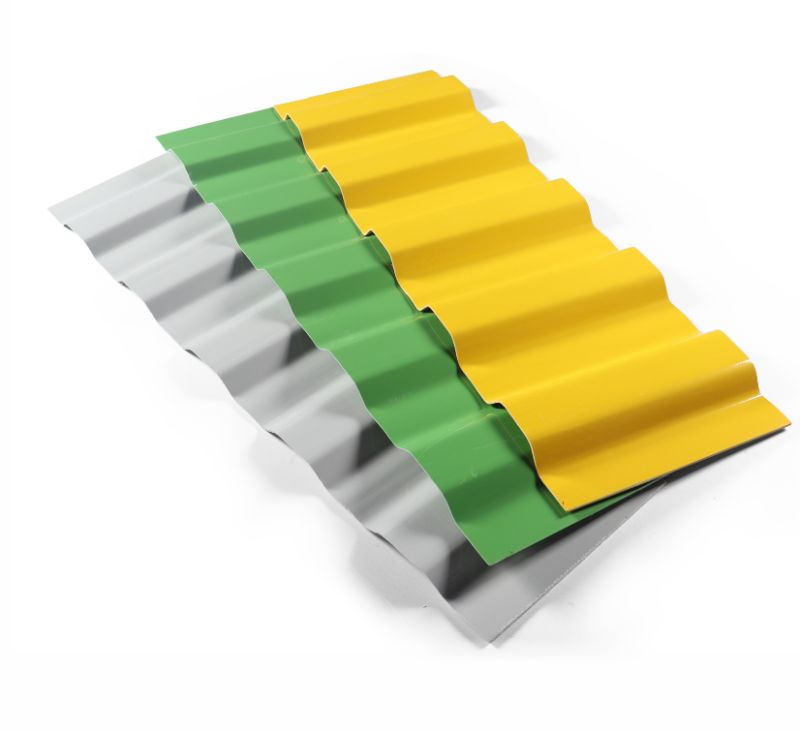
Telhas de fibra de vidro
As telhas de fibra de vidro são componentes de cobertura leves e de alto desempenho, fabricados com filamentos contínuos de fibra de vidro incorporados em uma matriz de resina termofixa. Projetadas para oferecer resistência superior às intempéries...

-
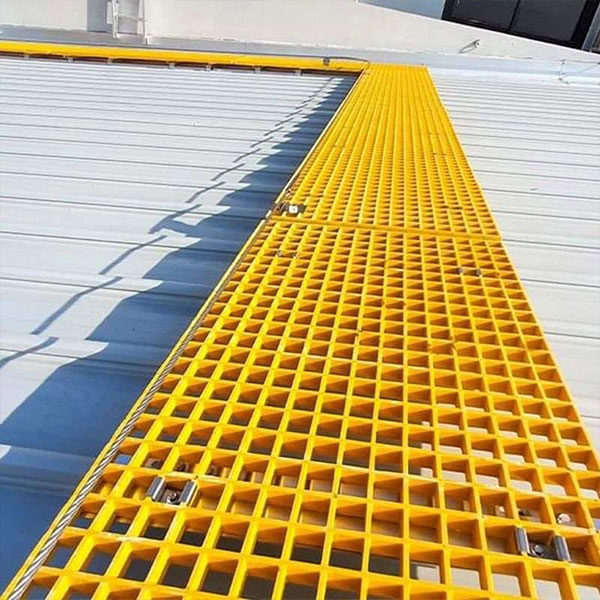
grade de plástico
As grades de plástico, também conhecidas como grades de PRFV (Plástico Reforçado com Fibra de Vidro), são uma alternativa moderna às grades metálicas tradicionais. São feitas de filamentos de fibra de vidro incorporados em uma manta de resina termofixa...
-
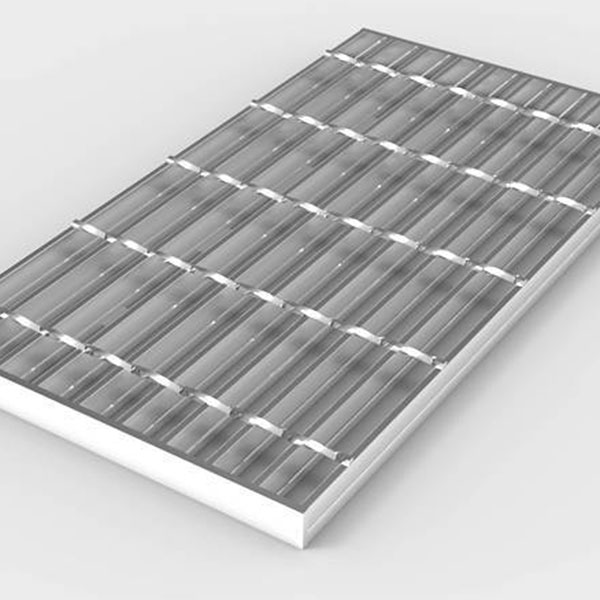
Grade metálica
As grades metálicas são um material durável e de alta resistência, amplamente utilizado em aplicações industriais, comerciais e arquitetônicas. Fabricadas com materiais como aço carbono, aço galvanizado, alumínio...
-
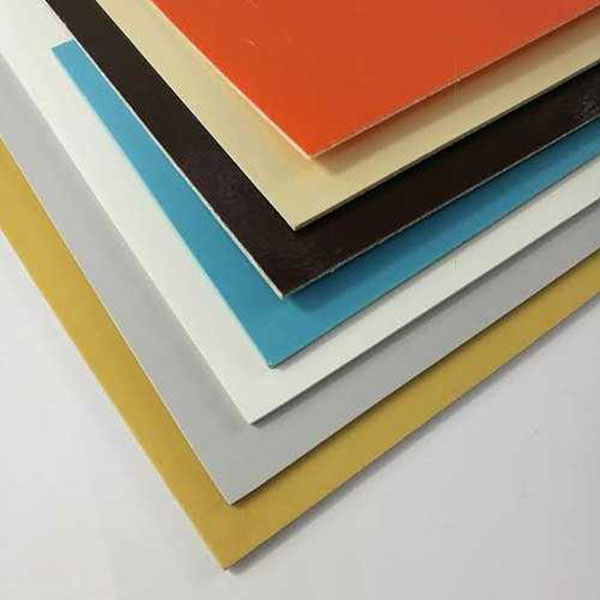
Chapas de PRFV
As chapas de FRP (chapas de polímero reforçado com fibra) são painéis compósitos planos feitos de uma combinação de fibras de reforço — normalmente fibra de vidro (vidro tipo E) — e uma matriz de resina polimérica, como poliéster, fibra de vidro ...
-
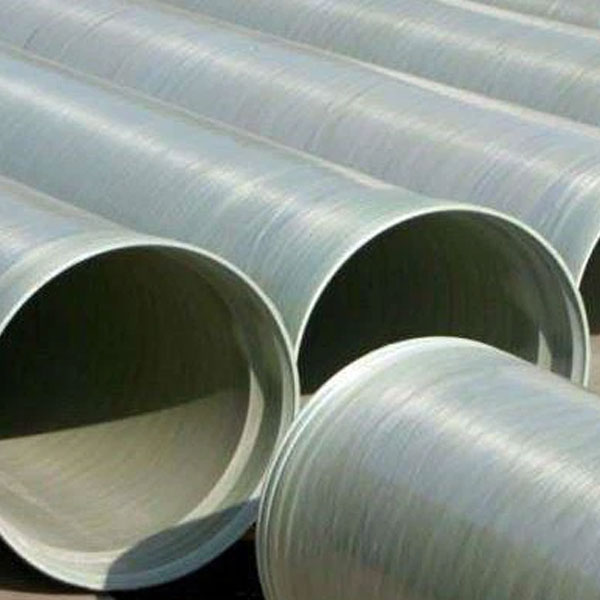
Tubo FRP
O tubo de FRP (Polímero Reforçado com Fibra) é um tubo compósito de alto desempenho feito de uma combinação de fibras de reforço fortes — normalmente de vidro, carbono ou aramida — incorporadas em uma resina termofixa.
-
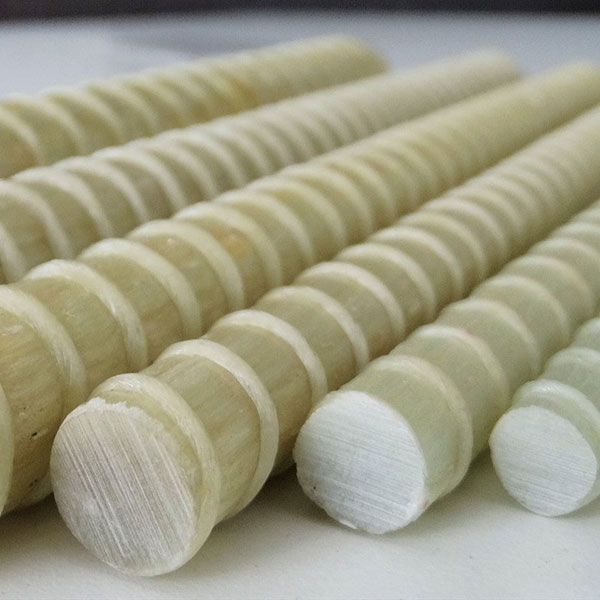
Barras de reforço e máquinas de FRP
As barras de reforço de polímero reforçado com fibra (FRP) são uma alternativa de alto desempenho às barras de aço tradicionais usadas em estruturas de concreto. Fabricadas a partir de uma combinação de fibras como vidro, carbono,...
-
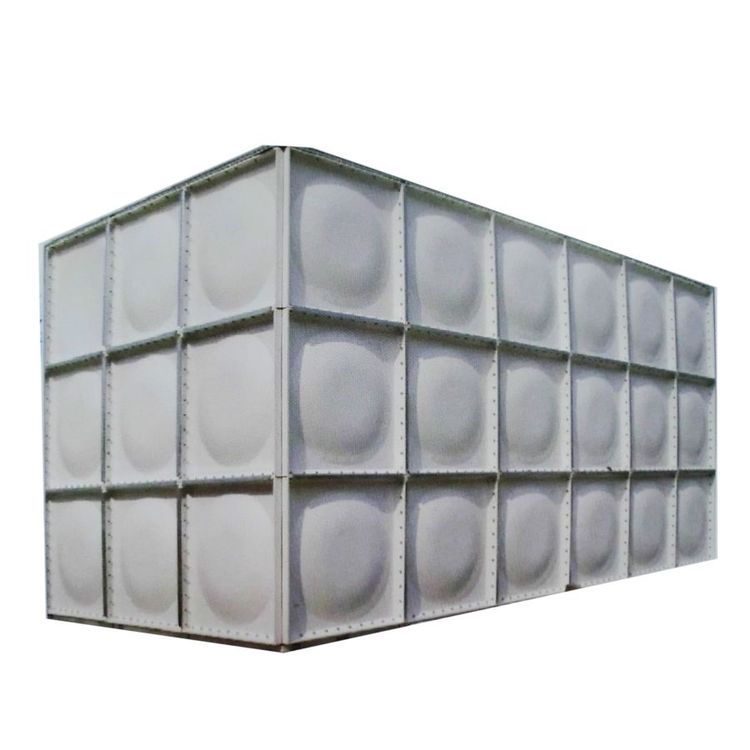
Tanque de água em PRFV (Plástico Reforçado com Fibra de Vidro)
Os tanques de armazenamento de água em PRFV (Plástico Reforçado com Fibra de Vidro) são recipientes de alto desempenho e resistentes à corrosão, projetados para o armazenamento seguro e de longo prazo de água em uma ampla variedade de aplicações.
-

Escadas e gaiolas de fibra de vidro reforçada (FRP)
As gaiolas de proteção em PRFV (Plástico Reforçado com Fibra) são estruturas de segurança instaladas ao redor de escadas verticais fixas, oferecendo proteção essencial contra quedas para trabalhadores em altura. Essas gaiolas...