


-

Ângulo em L de FRP
-

Ângulo em L de FRP
-

Ângulo em L de FRP
-

Ângulo em L de FRP
-

Ângulo em L de FRP
Ângulo em L de FRP é um Leve, durável e resistente à corrosão. Componente estrutural projetado para diversas aplicações na construção civil, infraestrutura industrial, ambientes marítimos e instalações elétricas. Fabricado em plástico reforçado com fibra (FRP), oferece uma alternativa superior aos materiais tradicionais como aço, alumínio e madeira, oferecendo Alta relação resistência/peso, não condutividade e requisitos mínimos de manutenção..
Introdução ao desempenho do produto
Este guia aborda propriedades físicas, especificações, vantagens, desvantagens e aplicações de Ângulo em L de FRP para ajudar a compreender seus benefícios e limitações únicos.
1. Propriedades Físicas do Perfil L de FRP
O perfil em L de FRP é feito de reforços contínuos de fibra de vidro embutido em um matriz de resina polimérica, o que lhe confere um caráter excepcional resistência mecânica, resistência química e durabilidade.
1.1. Resistência e Durabilidade
-
Alta relação resistência/peso – Oferece resistência comparável à do aço com uma fração do peso.
-
Resistência à flexão e à tração – Capaz de resistir a forças significativas de flexão e tração sem deformação.
-
Resistência ao impacto – Absorve choques e vibrações melhor do que materiais frágeis como concreto ou alumínio.
1.2. Resistência à corrosão e às intempéries
-
Resistente à corrosão – Não enferruja nem se degrada quando exposto à umidade, produtos químicos ou poluentes industriais.
-
Resistente aos raios UV Revestimentos especiais protegem contra a exposição solar e evitam a degradação ao longo do tempo.
-
Resistência química – Resiste à exposição a produtos químicos industriais agressivos, ácidos e álcalis.
1.3. Isolamento Elétrico e Térmico
-
Não Condutivo Ao contrário do metal, o perfil em L de PRFV (Plástico Reforçado com Fibra de Vidro) não conduz eletricidade, sendo ideal para invólucros elétricos.
-
Isolamento térmico – A baixa condutividade térmica é útil em aplicações sensíveis à temperatura.
1.4. Resistência ao fogo
-
Opções retardantes de fogo disponíveis – Formulações especiais atendem aos padrões de segurança contra incêndio.
-
Baixa emissão de fumaça e toxicidade – Algumas versões emitem quantidades mínimas de fumaça e gases tóxicos em caso de incêndio.
2. Especificações e Dimensões
2.1. Dimensões padrão
O perfil em L de PRFV (Plástico Reforçado com Fibra de Vidro) está disponível em vários tamanhos para atender a diferentes necessidades estruturais.
-
Comprimento das pernas: De 25 mm × 25 mm (1” × 1”) a 150 mm × 150 mm (6” × 6”)
-
Grossura: Varia de 3 mm (1/8”) a 12 mm (1/2”)
-
Comprimento: Padrão 3 m (10 pés) e 6 m (20 pés), Com opções de comprimento personalizado.
2.2. Composição do Material
-
Fibras:
-
Vidro E (mais comum) – Boa resistência e preço acessível.
-
Vidro S (desempenho superior) – Aumento da resistência à tração e ao impacto.
-
Fibra de carbono (aplicações especiais) – Rigidez excepcional e propriedades de leveza.
-
-
Resinas:
-
Poliéster – Econômico e versátil.
-
Éster vinílico – Resistência química e à corrosão superior.
-
Epóxi – Alto desempenho mecânico e adesão.
-
fenólico – Resistente ao fogo e com baixa emissão de fumaça para aplicações críticas de segurança.
-
2.3. Propriedades Mecânicas (Valores Típicos)
| Propriedade | Valor típico |
|---|---|
| Resistência à tracção | 200-600 MPa |
| Resistência à flexão | 200-500 MPa |
| Resistência à compressão | 200-550 MPa |
| Densidade | 1,5-2,0 g/cm³ |
| Módulo de Elasticidade | 20-35 GPa |
3. Vantagens do perfil em L de PRFV
3.1. Leve e fácil de manusear
-
Até 70% mais leve que o aço Para facilitar o transporte e a instalação.
-
Reduz os custos com mão de obra e equipamentos de elevação.
3.2. Resistência à corrosão e a produtos químicos
-
Ideal para ambientes hostis como instalações marítimas, fábricas de produtos químicos e instalações de tratamento de águas residuais.
-
Sem ferrugem, apodrecimento ou degradação. ao longo do tempo.
3.3. Segurança elétrica e magnética
-
Não Condutivo – Seguro para usinas de energia, trilhos ferroviários e instalações de ressonância magnética.
-
Não magnético – Adequado para instalações de instrumentação médica e de precisão.
3.4. Baixa manutenção e longa vida útil
-
Não requer pintura ou revestimento., ao contrário do aço.
-
Resistente a mofo, bolor e cupins, ao contrário da madeira.
3.5. Fabricação e Instalação Fáceis
-
Fácil de cortar, furar e montar. com ferramentas padrão.
-
Não é necessário soldar., reduzindo custos de mão de obra e riscos de instalação.
3.6. Sustentável e economicamente viável
-
Maior durabilidade que aço ou madeira., reduzindo a frequência de substituição.
-
Não há necessidade de tratamentos caros contra corrosão., reduzindo os custos gerais.
4. Desvantagens do perfil em L de PRFV
4.1. Custo inicial mais elevado
-
Mais caro que aço ou alumínio. por unidade.
-
No entanto, custos de manutenção mais baixos pode compensar o maior custo inicial.
4.2. Menor rigidez em comparação com o aço.
-
Mais flexível que o aço., exigindo suportes adicionais em aplicações de alta carga.
-
Não é o ideal para cargas estruturais pesadas sem reforço.
4.3. Degradação por UV sem proteção
-
A exposição prolongada pode causar desbotamento ou degradação da superfície..
-
Requer Revestimentos resistentes aos raios UV Para aplicações externas de longa duração.
4.4. Resistência limitada a altas temperaturas
-
O PRFV padrão começa a amolecer acima de 150-200°C., enquanto o aço pode suportar temperaturas muito mais elevadas.
-
Versões retardantes de fogo disponíveis, mas a um custo mais elevado.
4.5. Desafios da Reciclagem
-
Difícil de reciclar devido à natureza composta do PRFV (Plástico Reforçado com Fibra de Vidro).
-
Opções limitadas para descarte ecológico.
5. Aplicações do perfil em L de PRFV
5.1. Aplicações Industriais e de Infraestrutura
-
Suporte estrutural – Usado em passarelas, plataformas e estruturas de reforço.
-
Fábricas de Processamento Químico – Resiste a produtos químicos agressivos sem sofrer corrosão.
-
Instalações de tratamento de águas residuais – Ideal para ambientes com alta umidade.
5.2. Usos Marinhos e Offshore
-
Construção de docas e píeres – Alternativa resistente à água salgada em comparação com o aço e a madeira.
-
Reforço do casco da embarcação – Utilizado para estruturas leves e duráveis.
5.3. Aplicações em Construção Civil
-
Estrutura e suportes – Usado em estruturas de telhado, pisos e paredes.
-
Pontes e barreiras rodoviárias – Leve, porém resistente, para passarelas de pedestres.
5.4. Elétrica e Telecomunicações
-
Infraestrutura de Distribuição de Energia – Não condutor para subestações e usinas de energia.
-
Gabinetes de telecomunicações – Suporta equipamentos de rádio e comunicação.
6. Conclusão
Ângulo em L de FRP é um Versátil, resistente à corrosão e leve. Alternativa a materiais tradicionais como aço, alumínio e madeira. Oferece Durabilidade superior, fácil instalação e manutenção mínima., tornando-o ideal para aplicações industriais, marítimas, de construção e elétricas.
Ângulo em L de FRP
Series :
Principais Produtos >aplicativo
Aplicações industriais, Marinha e Offshore, Infraestrutura e Construção, Elétrica e Telecomunicações
Marca :
TFcomposite
Nome do Produto :
Ângulo em L de FRP
Material:
Fibra de vidro
Cor :
Cinza,Outros


Perguntas frequentes
P:
Qual a durabilidade de peças especiais em FRP (plástico reforçado com fibra de vidro)?
A :
As peças de PRFV (Plástico Reforçado com Fibra de Vidro) com formatos especiais têm uma vida útil de mais de 25 anos, superando significativamente muitos materiais tradicionais, como madeira (5 a 10 anos) ou aço (10 a 15 anos, dependendo das condições).
P:
As peças de PRFV (Plástico Reforçado com Fibra de Vidro) com formatos especiais podem ser usadas em ambientes externos?
A :
Sim! As peças especiais em PRFV (Plástico Reforçado com Fibra de Vidro) são altamente resistentes aos raios UV e às intempéries, tornando-as ideais para uso externo em ambientes agressivos, como aplicações marítimas, fábricas de produtos químicos e infraestrutura.
P:
Quais são as dimensões e tamanhos típicos de peças especiais em PRFV (Plástico Reforçado com Fibra de Vidro)?
A :
As dimensões das peças especiais em PRFV (Plástico Reforçado com Fibra de Vidro) variam bastante dependendo da aplicação e do projeto. No entanto, as dimensões comuns incluem: Comprimento: Pode ser personalizado de acordo com os requisitos do projeto (geralmente de 3 m a 6 m). Espessura: Normalmente de 3 mm a 50 mm ou mais, dependendo da necessidade de resistência. Largura: Pode ser adaptada de acordo com a forma e a função necessárias (de pequenos perfis a grandes chapas). Formas personalizadas, como perfis curvos, angulares e ocos, podem ser criadas para atender às especificações exatas do projeto.
Outros produtos relacionados
-
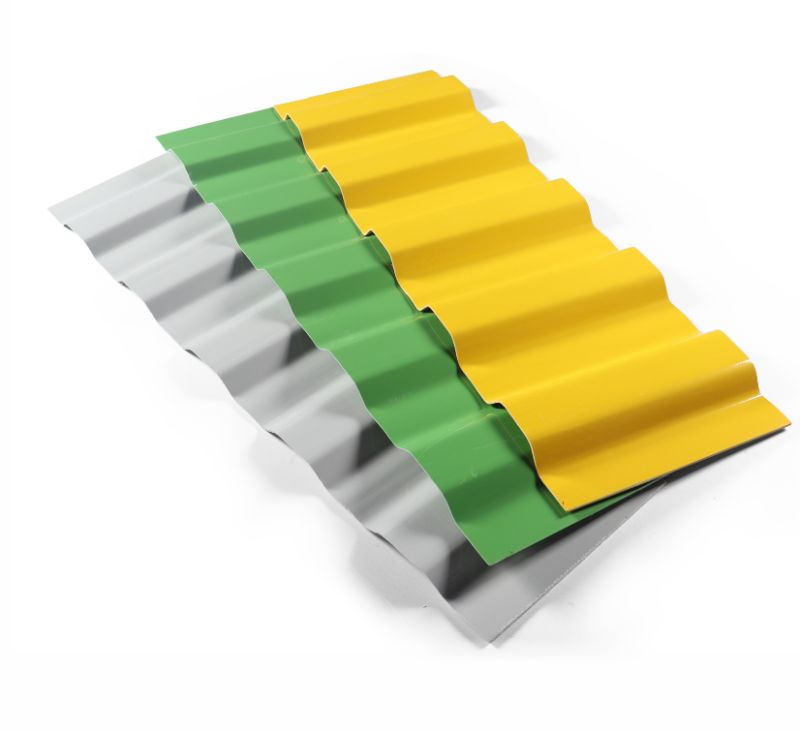
Telhas de fibra de vidro
As telhas de fibra de vidro são componentes de cobertura leves e de alto desempenho, fabricados com filamentos contínuos de fibra de vidro incorporados em uma matriz de resina termofixa. Projetadas para oferecer resistência superior às intempéries...

-
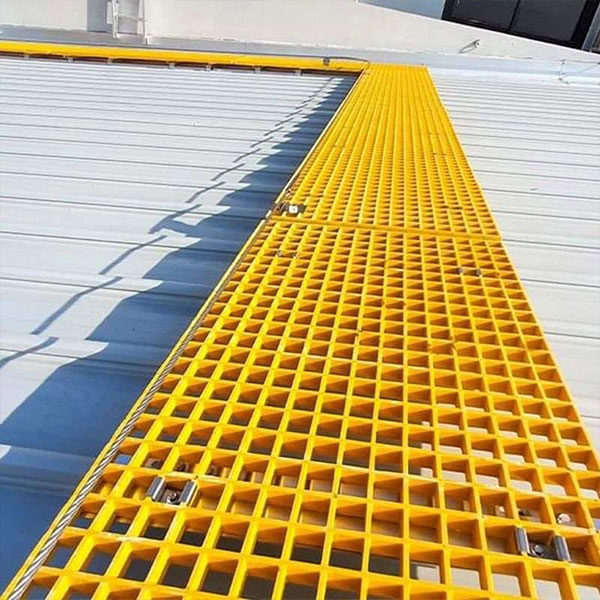
Passarelas de PRFV
As passarelas de PRFV (Plástico Reforçado com Fibra) são plataformas de caminhada duráveis e resistentes à corrosão, feitas de materiais compósitos, geralmente fibra de vidro reforçada com poliéster, vinil éster ou resina epóxi.
-
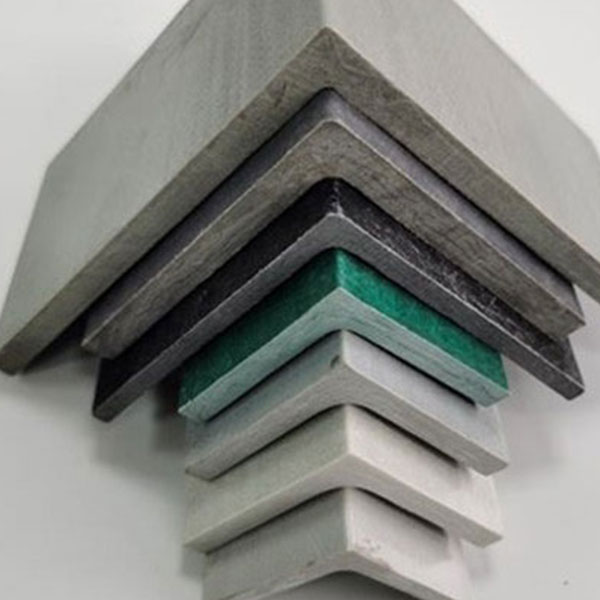
Perfil pultrudado de PRFV
Os perfis pultrudados de PRFV (Plástico Reforçado com Fibra) são formas estruturais fabricadas a partir de plástico reforçado com fibra, utilizando um processo de fabricação contínuo chamado pultrusão. Este processo envolve o estiramento de fibras — normalmente de vidro, carboneto de tungstênio, etc.
-
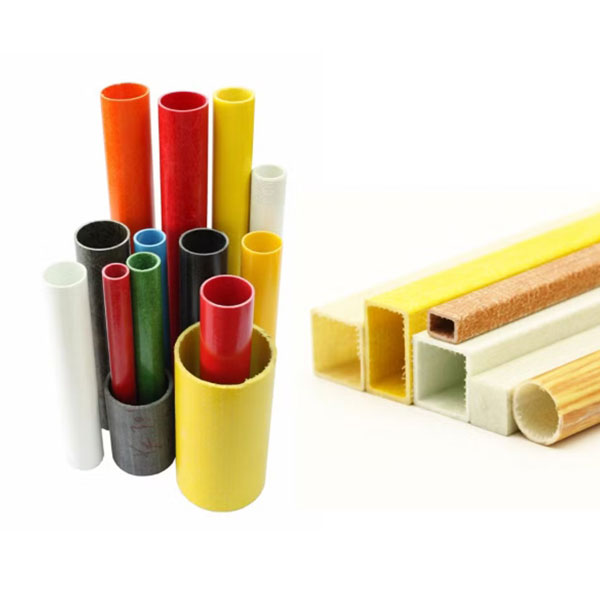
Tubos de PRFV
Os tubos de PRFV, ou tubos de plástico reforçado com fibra, são estruturas compostas de alto desempenho feitas de uma matriz polimérica reforçada com fibras, geralmente de vidro, carbono ou aramida. Esses tubos são conhecidos...
-
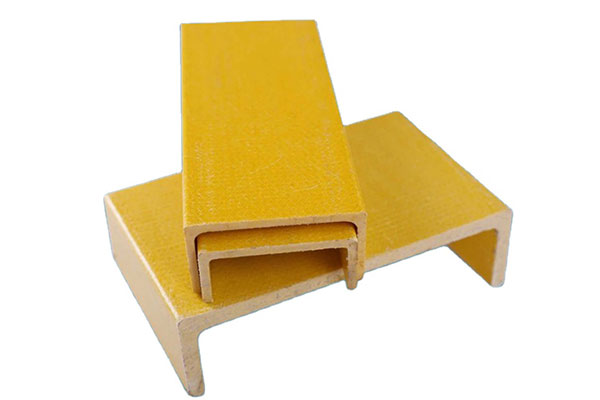
Seção pultrudada de PRFV
Os perfis pultrudados de PRFV são perfis estruturais fabricados com Polímero Reforçado com Fibra (PRFV) através de um processo de fabricação chamado pultrusão. Este método envolve o estiramento de filamentos contínuos de reforço...
-
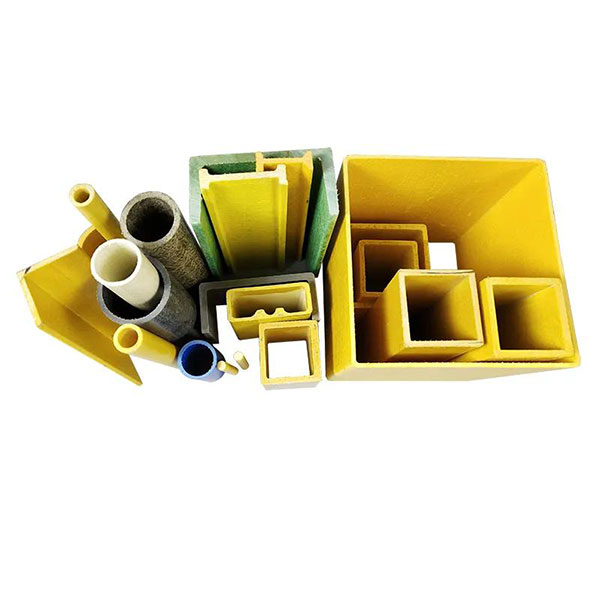
Formas Estruturadas em PRFV
Os perfis estruturais de PRFV (também conhecidos como perfis estruturais de PRFV ou elementos estruturais de plástico reforçado com fibra de vidro) são componentes compósitos de engenharia feitos de uma combinação de reforço de fibra de vidro...
-
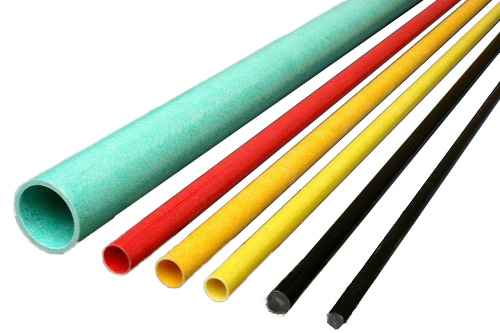
Tubo Redondo Oco FRP
Especificação do tubo redondo oco FRP: Ver tamanho D * T (MM) Peso (G / M) 4 * 1,25 14,88 4 * 1,3 14,51 5,9 * 1,5 40,5 ...
-
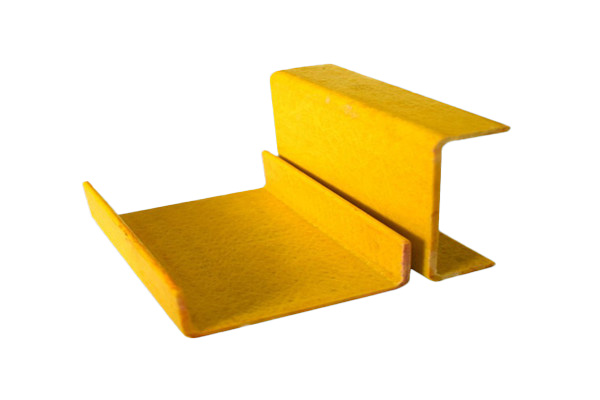
Canal FRP C
Especificação do canal FRP C: Ver tamanho A * B * C (MM) Peso (G / M) 65 * 46 * 4 1648 90 * 50 * 4 2112 41 * 29 * 3,5 (duplo C ...