


-
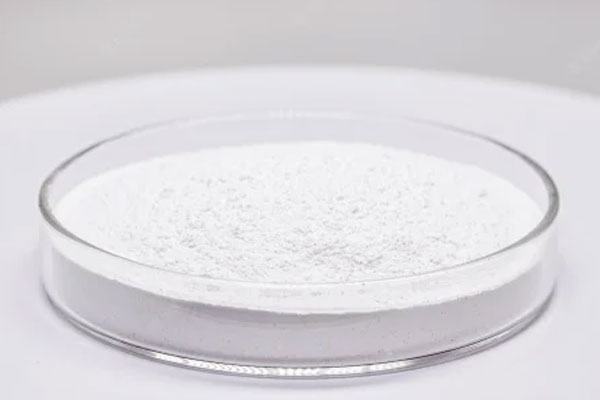
ผง BPO
Benzoyl Peroxide (BPO) is a white, crystalline powder known for its strong oxidizing properties. It serves as a free radical initiator in polymerization processes and is utilized across various industries, including plastics, pharmaceuticals, and cosmetics.
การแนะนำประสิทธิภาพของผลิตภัณฑ์
2. Chemical Identity
-
ชื่อทางเคมี: Benzoyl Peroxide
-
หมายเลข CAS: 94-36-0
-
Molecular Formula: C₁₄H₁₀O₄
-
Molecular Weight: 242.23 g/mol
-
Synonyms: Dibenzoyl Peroxide, BPO, Benzoic Peroxyanhydride
3. Physical and Chemical Properties
| คุณสมบัติ | ค่า |
|---|---|
| รูปร่าง | White crystalline powder |
| Odor | Odorless |
| จุดหลอมเหลว | 103–106 °C |
| Boiling Point | Decomposes before boiling |
| ความหนาแน่น | 1.16 g/cm³ at 25 °C |
| Vapor Pressure | 0.009 Pa at 25 °C |
| Solubility in Water | Insoluble |
| Solubility in Organic Solvents | Soluble in acetone, benzene, chloroform; slightly soluble in ethanol |
| จุดวาบไฟ | >110 °C |
| Decomposition Temperature | 133 °C (1-minute half-life) |
| Activation Energy | ~125.6 kJ/mol |
| Theoretical Active Oxygen Content | 6.62% |
4. Technical Data Sheet (TDS)
4.1. Product Specifications
| พารามิเตอร์ | ข้อมูลจำเพาะ |
|---|---|
| Assay (BPO Content) | 75.00–78.00% |
| Water Content | 21.00–25.00% |
| Free Chloride | ≤0.1% |
| Free Acid (as Benzoic Acid) | ≤0.5% |
| รูปร่าง | White granular powder |
| Bulk Density | 500–600 kg/m³ |
4.2. Thermal Decomposition Data
| Half-Life | Temperature |
|---|---|
| 10 hours | 72–73 °C |
| 1 hour | 92 °C |
| 1 minute | 131 °C |
5. การประยุกต์ใช้
5.1. Polymer Industry
-
Initiator for Polymerization: BPO is widely used to initiate the polymerization of monomers like styrene, methyl methacrylate, and acrylates in the production of plastics, resins, and adhesives.
5.2. Composite Materials
-
Curing Agent: In unsaturated polyester and vinyl ester resins, BPO acts as a curing agent, facilitating cross-linking during the fabrication of fiberglass-reinforced plastics.
5.3. Pharmaceuticals and Cosmetics
-
Acne Treatment: BPO is a common active ingredient in topical acne medications due to its antibacterial properties.
5.4. Food Industry
-
Bleaching Agent: BPO is employed to bleach flour, whey, and cheese products, improving their appearance.
6. Safety and Handling
6.1. Hazards Identification
-
Oxidizing Agent: BPO is a strong oxidizer and can pose fire and explosion hazards, especially when dry or in contact with combustible materials.
-
Health Hazards: Exposure may cause skin and eye irritation. Inhalation of dust can irritate the respiratory tract.
6.2. Exposure Limits
-
NIOSH Recommended Exposure Limit (REL): TWA 5 mg/m³
-
OSHA Permissible Exposure Limit (PEL): TWA 5 mg/m³
-
Immediately Dangerous to Life or Health (IDLH): 1500 mg/m³
6.3. Personal Protective Equipment (PPE)
-
Eye Protection: Safety goggles or face shield
-
Skin Protection: Protective gloves and clothing
-
Respiratory Protection: Dust mask or respirator in case of inadequate ventilation
6.4. First Aid Measures
-
Inhalation: Move to fresh air. Seek medical attention if symptoms persist.
-
Skin Contact: Wash with soap and water. Remove contaminated clothing.
-
Eye Contact: Rinse cautiously with water for several minutes. Seek medical advice.
-
Ingestion: Do not induce vomiting. Seek immediate medical attention.
7. Storage and Stability
-
สภาพการเก็บรักษา: Store in a cool, dry, well-ventilated area away from heat sources and direct sunlight.
-
Temperature: Maintain storage temperature below 30 °C.
-
บรรจุภัณฑ์: Typically available in 20 kg or 25 kg containers with inner polyethylene bags and outer fiber drums or cartons.
-
Stability: BPO is stable under recommended storage conditions but decomposes upon heating, shock, or friction.
8. Regulatory Information
-
UN Number: 3104 (for BPO with ≥52% content)
-
Hazard Class: 5.2 (Organic Peroxides)
-
Packing Group: II
-
Regulatory Listings: BPO is listed under various regulatory frameworks, including REACH, TSCA, and OSHA.
9. Environmental Impact
-
Ecotoxicity: BPO is harmful to aquatic life with long-lasting effects.
-
Degradability: It decomposes into benzoic acid and oxygen, which can contribute to environmental oxygen demand.
10. Conclusion
Benzoyl Peroxide powder is a versatile chemical with applications spanning multiple industries. Its efficacy as a polymerization initiator and curing agent makes it invaluable in manufacturing processes. However, due to its reactive nature, strict adherence to safety guidelines is imperative to ensure safe handling and storage.
ผง BPO
ชุด :
ผลิตภัณฑ์ตัวแทน >แอปพลิเคชัน
Polymer Industry,Composite Materials,Pharmaceuticals and Cosmetics,Food Industry
ชื่อแบรนด์ :
ทีเอฟคอมโพสิต
ชื่อผลิตภัณฑ์ :
ผง BPO


คำถามที่พบบ่อย
ถาม :
BPO Paste ใช้ในอุตสาหกรรมไฟเบอร์กลาสอย่างไร?
ตอบ :
เพสต์ BPO (เบนโซอิลเพอร์ออกไซด์) ส่วนใหญ่ใช้เป็นสารเริ่มต้นการบ่มสำหรับเรซินโพลีเอสเตอร์และไวนิลเอสเทอร์ที่ไม่อิ่มตัว เพสต์นี้ช่วยเริ่มต้นกระบวนการพอลิเมอไรเซชันในกระบวนการผลิตไฟเบอร์กลาสหลากหลายวิธี เช่น การเรียงแบบมือ การพ่น การพัลทรูชัน การหล่อ และการพันเส้นใย.
ถาม :
เหตุใดจึงใช้ BPO ในรูปแบบวางแทนที่จะเป็นผง?
ตอบ :
ปลอดภัยกว่า (ลดความเสี่ยงต่อการระเบิดหรือไฟไหม้) ใช้งานและผสมได้ง่ายกว่า ฝุ่นน้อยกว่า คงตัวกว่าระหว่างการจัดเก็บและการขนส่ง
ถาม :
สามารถใช้ BPO paste เพียงอย่างเดียวในการบ่มได้หรือไม่?
ตอบ :
ไม่ค่ะ สารประกอบ BPO ต้องใช้สารเร่งปฏิกิริยา/ตัวส่งเสริมปฏิกิริยา ซึ่งโดยทั่วไปคือโคบอลต์ออกโตเอต เพื่อให้สลายตัวอย่างเหมาะสมและสร้างอนุมูลอิสระสำหรับการแข็งตัว.
ถาม :
โดยทั่วไปแล้ว ปริมาณการใช้ BPO paste ในกระบวนการผลิตไฟเบอร์กลาสคือเท่าไร?
ตอบ :
โดยทั่วไปปริมาณการใช้มาตรฐานจะอยู่ที่ 1.0% – 2.5% โดยน้ำหนักของเรซิน ขึ้นอยู่กับชนิดของเรซิน ความเร็วในการบ่มที่ต้องการ และอุณหภูมิ.
สินค้าอื่นๆที่เกี่ยวข้อง
-
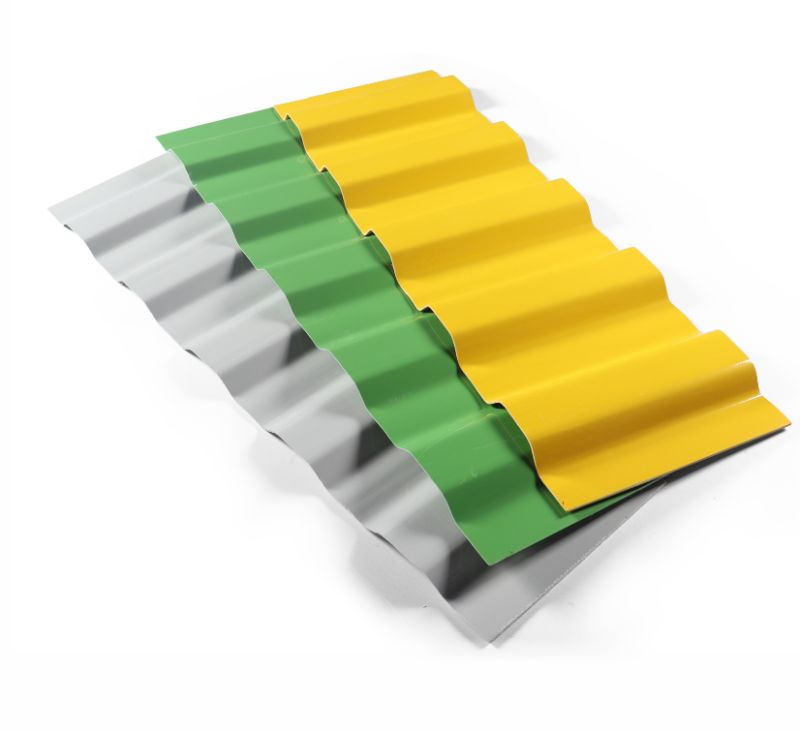
กระเบื้องหลังคาไฟเบอร์กลาส
กระเบื้องหลังคาไฟเบอร์กลาสเป็นส่วนประกอบหลังคาประสิทธิภาพสูง น้ำหนักเบา ผลิตโดยใช้เส้นใยไฟเบอร์กลาสต่อเนื่องฝังอยู่ในเมทริกซ์เรซินเทอร์โมเซตติง ออกแบบมาเพื่อทนต่อสภาพอากาศได้อย่างเหนือกว่า...

-
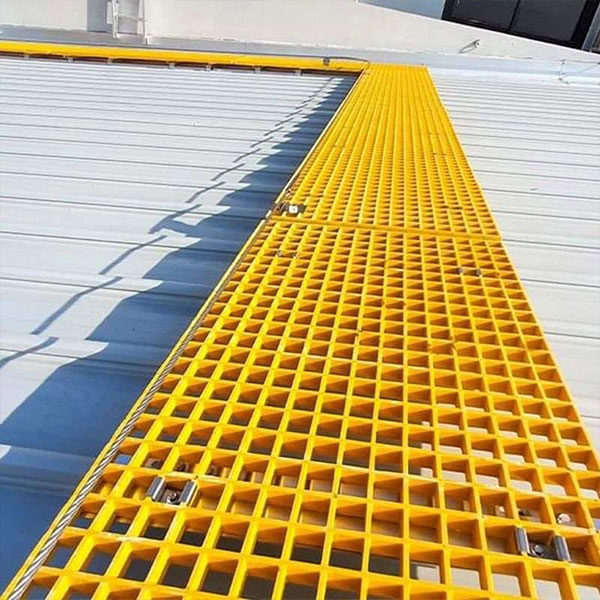
ตะแกรงพลาสติก
ตะแกรงพลาสติก หรือที่รู้จักกันในชื่อตะแกรง FRP (พลาสติกเสริมใยแก้ว) เป็นทางเลือกที่ทันสมัยแทนตะแกรงโลหะแบบดั้งเดิม ผลิตจากเส้นใยแก้วที่ฝังอยู่ในแผ่นเรซินเทอร์โมเซตติง...
-
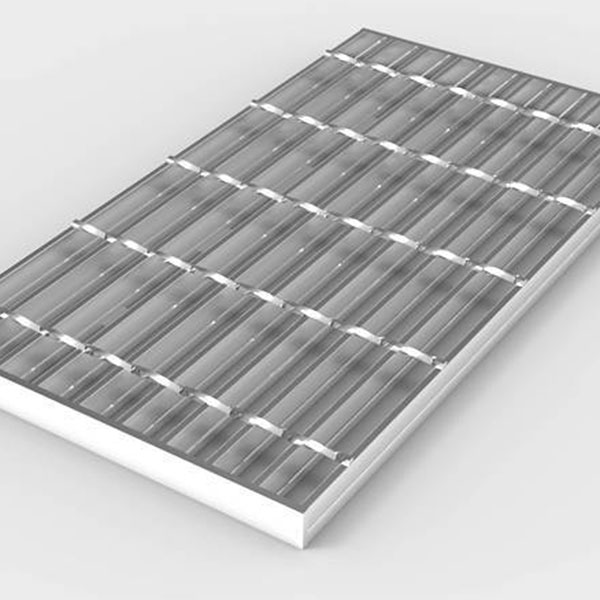
ตะแกรงโลหะ
ตะแกรงโลหะเป็นวัสดุที่ทนทานและแข็งแรงสูง นิยมใช้กันอย่างแพร่หลายในงานอุตสาหกรรม งานพาณิชย์ และงานสถาปัตยกรรม ผลิตจากวัสดุต่างๆ เช่น เหล็กกล้าคาร์บอน เหล็กชุบสังกะสี อลูมิเนียม...
-
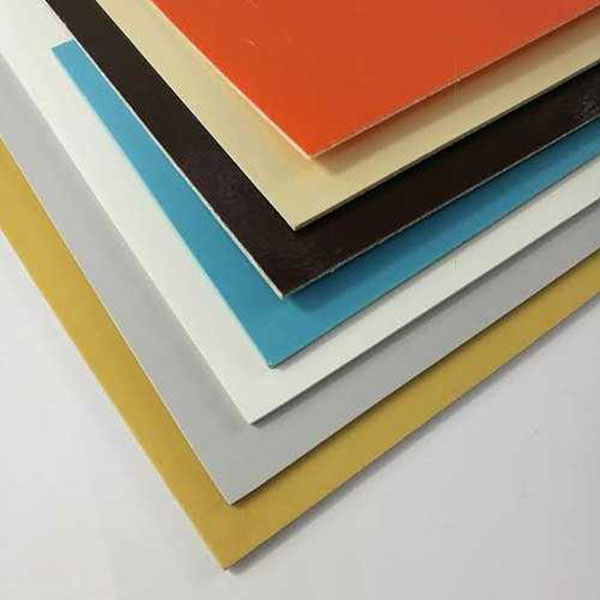
แผ่นไฟเบอร์กลาส
แผ่น FRP (แผ่นโพลีเมอร์เสริมใย) คือแผ่นคอมโพสิตแบนที่ทำจากส่วนผสมของเส้นใยเสริมแรง—โดยทั่วไปคือเส้นใยแก้ว (E-glass)—และเมทริกซ์เรซินโพลีเมอร์ เช่น โพลีเอสเตอร์ เป็นต้น...
-
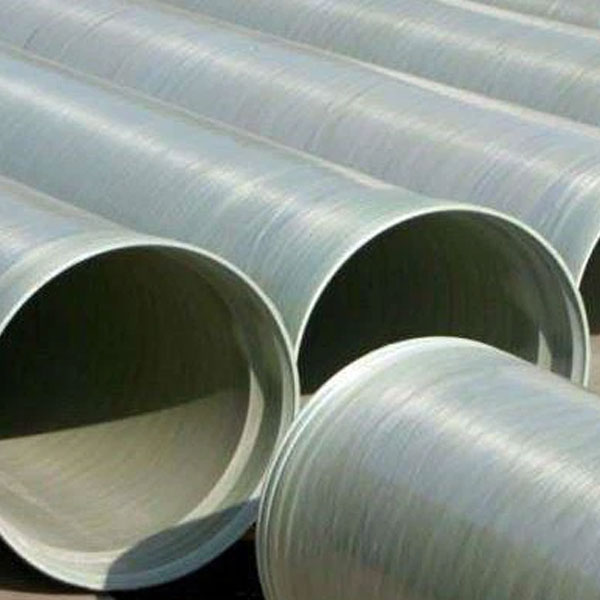
ท่อไฟเบอร์กลาส
ท่อ FRP (Fiber Reinforced Polymer) เป็นท่อคอมโพสิตประสิทธิภาพสูงที่ผลิตจากเส้นใยเสริมแรงที่แข็งแรงหลายชนิดรวมกัน—โดยทั่วไปคือใยแก้ว คาร์บอน หรืออะรามิด—ฝังอยู่ในเรซินเทอร์โมเซตติง...
-
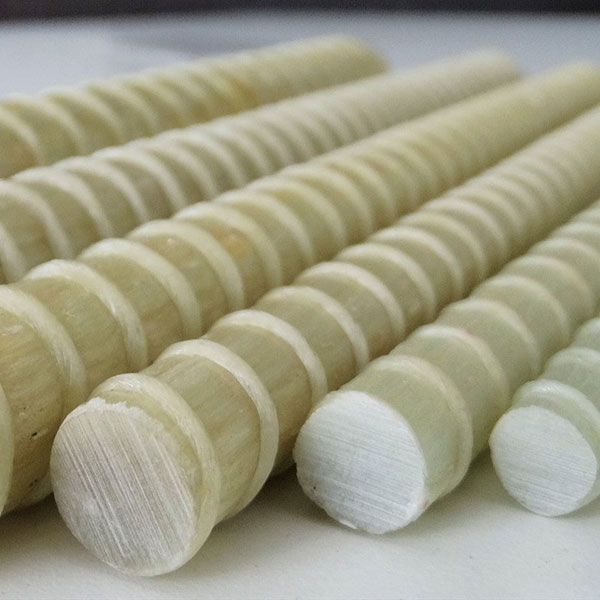
เหล็กเส้นเสริมแรง FRP และเครื่องจักร
เหล็กเส้นเสริมแรงโพลีเมอร์เสริมใย (FRP) เป็นวัสดุทางเลือกประสิทธิภาพสูงแทนเหล็กเส้นเสริมแรงแบบดั้งเดิมที่ใช้ในโครงสร้างคอนกรีต ผลิตจากเส้นใยหลายชนิดผสมกัน เช่น ใยแก้ว ใยคาร์บอน...
-
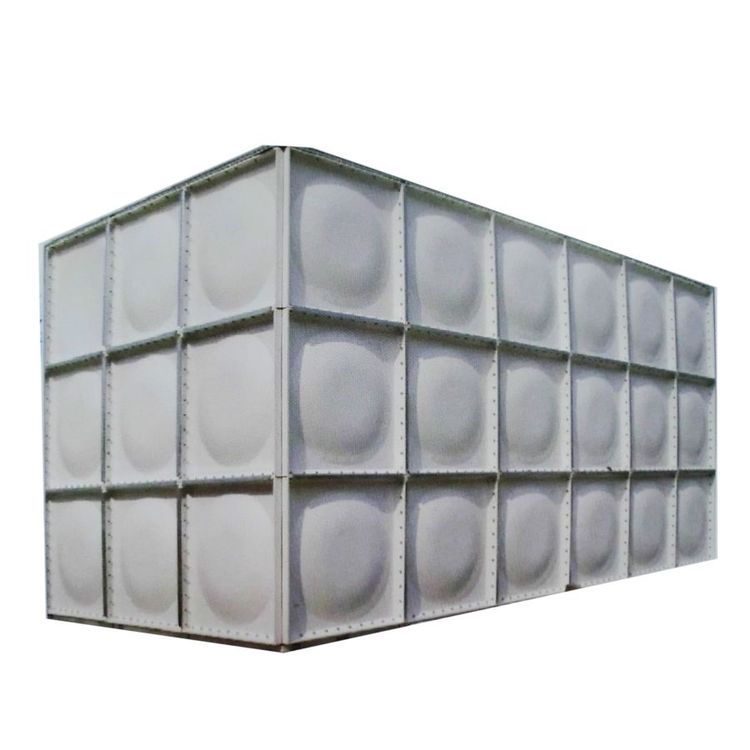
ถังเก็บน้ำไฟเบอร์กลาส
ถังเก็บน้ำ FRP (พลาสติกเสริมใยแก้ว) เป็นภาชนะประสิทธิภาพสูง ทนทานต่อการกัดกร่อน ออกแบบมาเพื่อการกักเก็บน้ำอย่างปลอดภัยและยาวนานในหลากหลายการใช้งาน ...
-

กรงบันได FRP
กรงบันได FRP (พลาสติกเสริมใยแก้ว) เป็นโครงสร้างป้องกันความปลอดภัยที่ติดตั้งรอบบันไดแนวตั้งแบบตายตัว ช่วยป้องกันการตกจากที่สูงสำหรับบุคลากรที่ทำงานในที่สูง กรงเหล่านี้...