


-
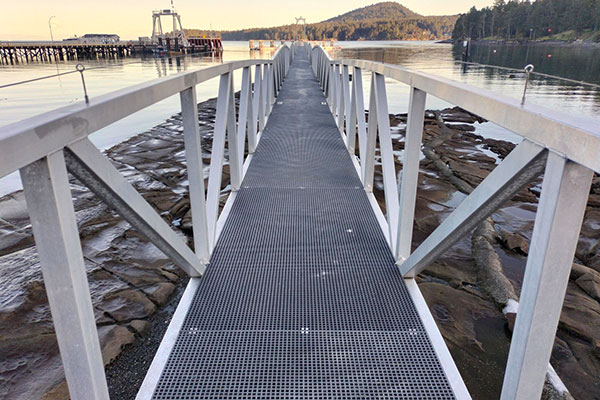
Pont en plastique renforcé de fibres de verre (PRFV)
-
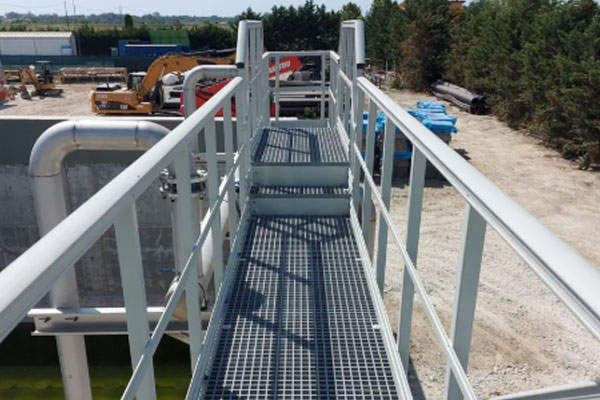
Pont en plastique renforcé de fibres de verre (PRFV)
-
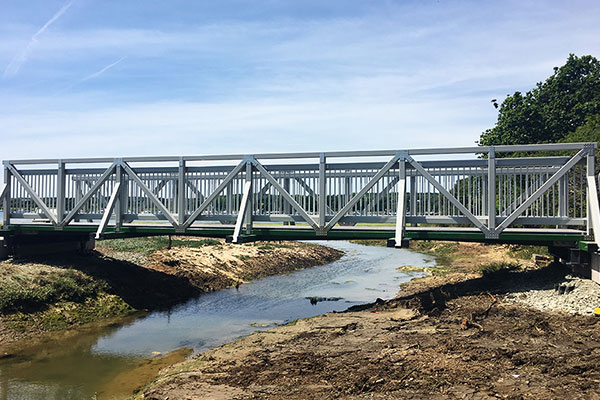
Pont en plastique renforcé de fibres de verre (PRFV)
Les ponts en plastique renforcé de fibres de verre (PRFV) sont des structures composites de pointe conçues pour le passage des piétons, des véhicules ou des services publics. Fabriqués à partir de fibres de verre haute résistance incorporées dans une matrice de résine polymère, ils offrent des performances mécaniques exceptionnelles, une excellente résistance à la corrosion et une grande longévité. Alternative moderne aux matériaux traditionnels comme l'acier, le béton et le bois, les ponts en PRFV sont largement utilisés dans les environnements industriels, côtiers, maritimes et isolés grâce à leur légèreté et à leur faible entretien.
Présentation des performances du produit
Les ponts en PRFV peuvent être modulaires ou monolithiques et franchir des distances allant jusqu'à 30 mètres, voire plus selon les paramètres de conception. Leur modularité permet une installation rapide sur site avec un minimum d'équipement, ce qui les rend idéaux pour les projets à la logistique complexe ou lorsque l'impact environnemental doit être minimisé.
2. Principales caractéristiques
-
Résistance à la corrosion: Résistant à la corrosion due à l'eau salée, aux produits chimiques et aux UV, le PRFV est idéal pour les environnements marins et industriels.
-
Poids léger: Jusqu'à 80% plus léger que l'acier, facilitant le transport et l'installation.
-
Rapport résistance/poids élevé: Comparable ou supérieur à l'acier de construction une fois optimisé.
-
DurabilitéRésistant à la fatigue, à l'humidité et à la dégradation biologique, avec une durée de vie de plus de 50 ans.
-
Faible entretien: Nécessite peu ou pas d'entretien courant, contrairement à l'acier ou au bois.
-
Non conductriceIdéal pour une utilisation à proximité d'équipements électriques ou de sous-stations.
-
Options ignifugesPeut être conçu pour répondre aux exigences de la classe 1 de propagation des flammes selon la norme ASTM E84.
-
Construction modulairePermet un montage et un démontage rapides.
3. Applications
-
Passages piétonniers
-
Ponts cyclables
-
Ponts de soutien des services publics
-
traversées de supports de tuyauterie
-
Promenades sur pilotis dans les zones humides ou les zones protégées
-
accès aux installations industrielles
-
réhabilitation ou recouvrement des ponts
4. Configurations typiques
a. Système de poutres et de dalles
-
Composants principaux: Poutres en I ou poutres caissons en PRFV, panneaux de platelage en PRV
-
Longueur de la portée: Jusqu'à 20 mètres (portée unique), ou plus avec des systèmes à travées multiples
-
Types de support: Piliers, culées ou infrastructures existantes
b. Système de pont à treillis
-
modules de treillis triangulaires légers
-
Convient aux grandes portées (15 à 40 mètres)
-
Souvent utilisé pour les ponts piétonniers et les passerelles de pipelines
c. Système à arc ou à haubans (sur mesure)
-
Disponible pour les projets architecturaux haut de gamme
-
Allie esthétique et capacité de charge élevée
5. Matériaux et procédé de fabrication
Matériaux utilisés :
| Composant | Matériel | Description |
|---|---|---|
| Renforcement par fibres | Verre E, verre ECR | Haute résistance à la traction, résistant à la corrosion |
| Matrice de résine | Polyester isophtalique, ester vinyle, époxy | résistance chimique, stabilité thermique |
| Matériel de base (facultatif) | Mousse PVC, balsa, nid d'abeille | Utilisé dans les panneaux sandwich pour leur rigidité |
| Gelcoat (couche superficielle) | Formulations à base de polyester ou résistantes aux UV | Offre une protection contre la décoloration, les UV et l'usure |
Techniques de fabrication :
-
Pultrusion (pour les poutres, les mains courantes, les profilés)
-
Moulage par transfert de résine (RTM)
-
Perfusion sous vide (VARTM)
-
Pose à la main (pour des formes ou des renforts personnalisés)
6. Spécifications techniques (TDS)
Propriétés mécaniques
| Propriété | Valeur typique | Méthode d'essai |
|---|---|---|
| Résistance à la traction | 300–800 MPa | ASTM D638 |
| Module de traction | 20–40 GPa | ASTM D638 |
| Résistance à la flexion | 400–900 MPa | ASTM D790 |
| Module de flexion | 25–50 GPa | ASTM D790 |
| Résistance à la compression | 200–400 MPa | ASTM D695 |
| Résistance au cisaillement | 70–150 MPa | ASTM D5379 |
| Cisaillement interlaminaire | 40–80 MPa | ASTM D2344 |
| Résistance aux chocs (Charpy) | 60–150 kJ/m² | ISO 179 |
| Dureté Barcol | 40–60 | ASTM D2583 |
Propriétés thermiques et environnementales
| Propriété | Valeur typique | Méthode d'essai |
|---|---|---|
| Température de transition vitreuse (Tg) | 80–130°C | DSC, ASTM E1640 |
| Coefficient de dilatation thermique | 8–12 x10⁻⁶ /°C | ASTM E831 |
| Température de fonctionnement | -40°C à +100°C (résines standard) | – |
| Résistance aux UV | Excellent (avec revêtement protecteur) | ASTM G154 |
| Absorption d'humidité | <0,2% | ASTM D570 |
Performance au feu (systèmes ignifuges optionnels)
| Propriété | Valeur typique | Méthode d'essai |
|---|---|---|
| Indice de propagation des flammes | <25 (Classe I) | ASTM E84 |
| Densité de fumée | <450 | ASTM E662 |
| Température d'inflammation | >350°C | ASTM D1929 |
7. Considérations relatives à la conception structurelle
La conception des ponts en PRFV suit une combinaison de normes internationales telles que :
-
ACI 440.1R – Guide pour la conception et la construction de béton armé de PRFV
-
Code de conception Eurocomp
-
ASTM D7290 – Méthode standard d’évaluation des valeurs caractéristiques des propriétés des matériaux
-
ISO 527 – Plastiques — Détermination des propriétés de traction
-
Bulletin FIB 40 – Renforcement en PRF dans les structures en béton
Les conceptions prennent généralement en compte :
-
Charge permanente et charge d'exploitation (AASHTO ou Eurocode)
-
Considérations relatives à la charge du vent, à la charge de neige et aux séismes
-
Limites de déflexion (L/300 pour charge utile)
-
Comportement au fluage et à la fatigue sous charges soutenues
-
exposition environnementale à long terme
La modélisation par éléments finis (MEF) est souvent utilisée pour simuler les performances et vérifier l'intégrité structurelle dans les conditions de service prévues.
8. Assemblage et installation
Les ponts en PRFV sont préfabriqués en usine et expédiés en modules ou en travées complètes. Leur installation est rapide et ne nécessite pas d'équipement de levage lourd grâce à leur légèreté.
Étapes d'installation :
-
Préparer les fondations ou les culées
-
Positionnez les poutres de support principales ou les sections de treillis
-
Installez les panneaux de terrasse et fixez-les avec des boulons ou des adhésifs résistants à la corrosion.
-
Rambardes et accessoires de montage
-
Effectuer l'inspection et les tests
Avantages liés à l'installation :
-
Peut être installé en quelques heures au lieu de plusieurs jours.
-
Aucune soudure ni travaux à chaud ne sont autorisés sur le site.
-
Perturbation minimale de l'environnement
-
Composants facilement remplaçables
9. Finition de surface et options esthétiques
-
Couches supérieures antidérapantes (grains abrasifs ou silice incorporée)
-
Personnalisation des couleurs via des gelcoats pigmentés (gris, jaune, vert, RAL personnalisé)
-
Couches de finition résistantes aux UV
-
Signalisation intégrée ou lignes de sécurité
-
Texture optionnelle aspect bois naturel pour une utilisation dans les parcs ou les sentiers
10. Avantages environnementaux et de durabilité
-
Empreinte carbone réduite: Énergie grise inférieure à celle du béton et de l'acier sur l'ensemble du cycle de vie
-
RecyclabilitéLe PRFV thermodurcissable peut être recyclé en tant que matériau de remplissage ; le PRFV thermoplastique est recyclable.
-
Cycle de vie longRéduction des cycles de remplacement et d'entretien
-
Perturbation minimale du sitePas de fouilles importantes ni de fermeture prolongée des écosystèmes
11. Conformité et certification
Les systèmes de ponts en PRFV sont conformes aux certifications suivantes ou peuvent être conçus pour y répondre :
-
ASTM D638, D790, D695, D2344
-
Recommandations de conception ACI 440
-
EN 13706 (Profilés pultrudés)
-
ISO 9001:2015 (Management de la qualité)
-
Marquage CE (pour les projets de l'UE)
-
Certification de performance incendie (selon les exigences)
-
Certification des tests de charge (effectuée lors du contrôle qualité en usine)
12. Directives relatives à l'entretien et à l'inspection
Bien que les ponts en PRFV soient considérés comme “ sans entretien ”, les contrôles périodiques suivants sont recommandés :
-
Inspection visuelle tous les 1 à 2 ans
-
Vérification du serrage des boulons et des fixations
-
Nettoyage des gravillons et débris de surface
-
Réapplication des revêtements antidérapants après plus de 10 ans (si nécessaire)
-
Application d'une nouvelle couche de gelcoat (optionnelle) à des fins esthétiques après 15 à 20 ans.
13. Études de cas et applications
Cas n° 1 : Passerelle piétonne au-dessus d'une zone humide côtière, États-Unis
-
Pont à treillis de 15 mètres
-
Installé dans une zone écologique protégée
-
Nécessite zéro machinerie lourde
-
Terminé en moins de 2 jours
Cas n° 2 : Pont d’accès aux services publics, usine chimique, Europe
-
portée de poutre et de tablier de 30 mètres
-
Résistant aux vapeurs acides
-
Installé sur des piliers en béton existants
Cas n° 3 : Remplacement du platelage en PRFV, pont historique
-
La structure en acier existante a été conservée.
-
Panneaux de pont en PRFV utilisés pour une rénovation rapide
-
Réduction de la charge morte de 60%
14. Emballage et expédition
-
Les modules et composants du pont sont enveloppés dans un film protecteur
-
Conteneurs ISO standard ou remorques à plateau utilisés pour le transport
-
Toutes les pièces sont numérotées et accompagnées de manuels d'installation détaillés.
-
Le stockage doit être effectué sur des surfaces planes et sèches, à l'abri des rayons UV, avant l'installation.
15. Informations de commande
Lors de la commande d'un pont en PRFV, veuillez fournir les informations suivantes :
-
Portée et largeur requises
-
exigences de charge (piétons, véhicules légers, utilitaires)
-
Conditions du site (maritime, industriel, rural, etc.)
-
Type de fondation ou infrastructure disponible
-
préférences de couleur et de finition
-
Classement au feu (si nécessaire)
-
Accessoires : garde-corps, éclairage, revêtement antidérapant
16. Garantie et assistance
-
Garantie standard : 25 ans d’intégrité structurelle
-
Programmes de garantie prolongée optionnels disponibles
-
L'assistance technique comprend :
-
Conseil en préconception
-
Dessins personnalisés
-
Guide d'installation sur site
-
Rapports de tests de charge (sur demande)
-
Pont en plastique renforcé de fibres de verre (PRFV)
Série :
produits >application
Un pont en PRFV est une structure composée principalement de plastique renforcé de fibres de verre, un matériau composite associant des fibres de verre et une matrice de résine polymère. Il est conçu pour offrir une résistance élevée, une grande légèreté et une résistance exceptionnelle à la corrosion, notamment dans les environnements où l'acier ou le béton se dégraderaient.
Marque :
TFcomposite
Nom du produit :
Pont en plastique renforcé de fibres de verre (PRFV)


FAQ
Q :
Quels sont les avantages des ponts en PRFV par rapport aux matériaux traditionnels comme l'acier ou le béton ?
UN :
Résistance à la corrosion – Aucune rouille, même en milieu marin ou chimique. Légèreté – Le 50-80% est plus léger que l'acier, facilitant ainsi le transport et l'installation. Longue durée de vie – Plus de 50 ans avec un minimum d'entretien. Rapport résistance/poids élevé. Non conducteur et non magnétique – Idéal pour les infrastructures électriques. Entretien réduit – Aucune peinture ni revêtement nécessaire.
Q :
Quels types de ponts en PRFV sont disponibles ?
UN :
Passerelles pour piétons, passerelles d'accès pour véhicules légers, ponts de services publics (canalisations, câbles), ponts temporaires/portables, ponts modulaires
Q :
Les ponts en PRFV sont-ils suffisamment résistants pour supporter de lourdes charges ?
UN :
Oui, les ponts en PRFV sont conçus conformément aux normes internationales (par exemple, ACI, ASTM, Eurocomp) afin de respecter, voire de dépasser, les exigences en matière de résistance à la charge. Pour la circulation routière, des composants en PRFV sur mesure sont conçus pour répondre aux critères de charge d'exploitation tels que les normes AASHTO H-20 ou HS-25.
Q :
Comment installe-t-on les ponts en PRFV ?
UN :
Préfabriqué hors site pour un déploiement rapide. Livré en sections modulaires ou en travées complètes. Installation réalisée à l'aide de grues ou d'engins légers. Sans soudure – assemblages généralement boulonnés ou collés.
Q :
Comment les ponts en PRFV se comportent-ils dans des environnements difficiles (par exemple, côtiers, chimiques, désertiques) ?
UN :
Le PRFV est insensible à la corrosion, stable aux UV et résistant aux produits chimiques, ce qui le rend idéal pour : l’exposition à l’eau salée, les eaux de ruissellement acides ou alcalines, les zones tropicales à forte humidité, le froid ou la chaleur extrêmes.
Q :
Les ponts en PRFV sont-ils résistants au feu ?
UN :
Le PRFV offre une résistance au feu limitée, mais des résines ignifuges et des revêtements intumescents peuvent être appliqués pour répondre aux normes de sécurité. La résistance au feu dépend du projet et des réglementations régionales.
Q :
Quel entretien est nécessaire pour un pont en PRFV ?
UN :
Inspections visuelles tous les 1 à 2 ans. Réapplication des revêtements antidérapants tous les 10 ans et plus si nécessaire. Aucun traitement anticorrosion, peinture ou scellement requis. Usure minimale grâce aux matériaux inertes.
Q :
Les ponts en PRFV sont-ils approuvés par les autorités réglementaires ?
UN :
Oui. De nombreux systèmes sont conçus pour être conformes aux normes suivantes : normes ASTM (D3039, D790, D7290), directives ACI 440, fabrication certifiée ISO 9001:2015, approbations des agences nationales de transport ou d’infrastructure.
Q :
Les ponts en PRFV peuvent-ils être personnalisés en termes d'apparence ?
UN :
Couleurs personnalisées grâce à des gelcoats ou des pigments incorporés. Surfaces texturées (aspect bois, antidérapantes). Formes et courbes architecturales.
Autres produits connexes
-
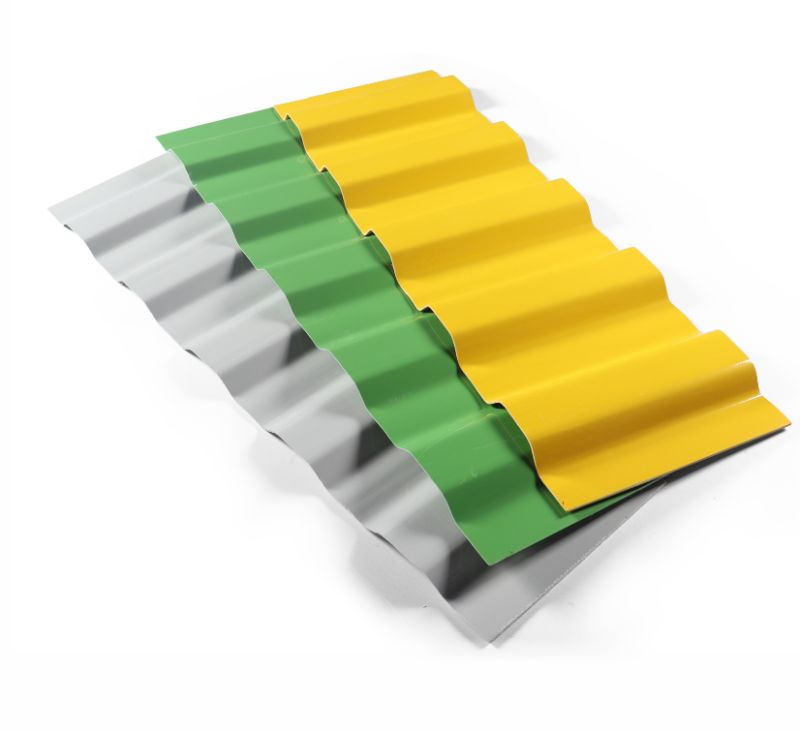
Tuiles de toiture en fibre de verre
Les tuiles de toiture en fibre de verre sont des éléments de toiture légers et performants, fabriqués à partir de fibres de verre continues intégrées dans une matrice de résine thermodurcissable. Conçues pour une résistance supérieure aux intempéries….

-
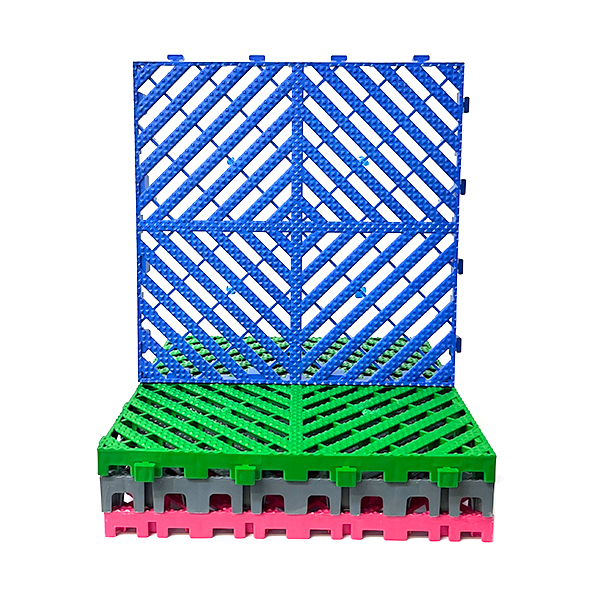
Dalles de sol en plastique
Les dalles de sol en plastique sont un choix de plus en plus populaire pour les espaces résidentiels et commerciaux en raison de leur durabilité, de leur prix abordable et de leur facilité d'installation. Fabriquées principalement à partir de polypropylène...
-
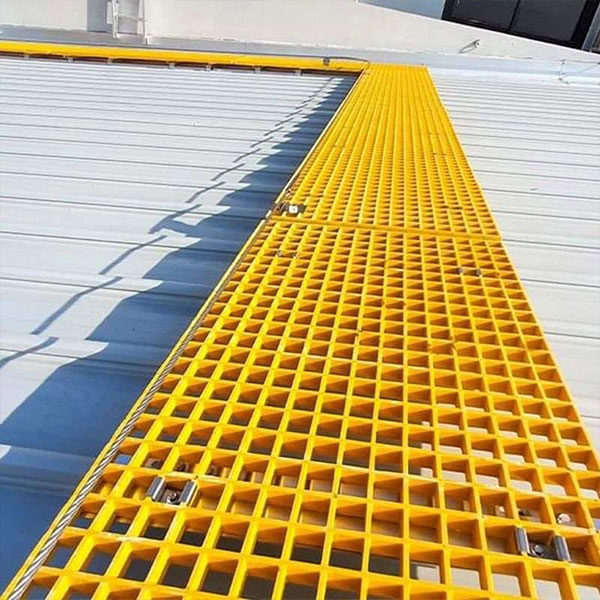
Caillebotis en plastique
Les caillebotis en plastique, également appelés caillebotis en PRV (plastique renforcé de fibres de verre), constituent une alternative moderne aux caillebotis métalliques traditionnels. Ils sont fabriqués à partir de fibres de verre noyées dans une natte de résine thermodurcissable….
-
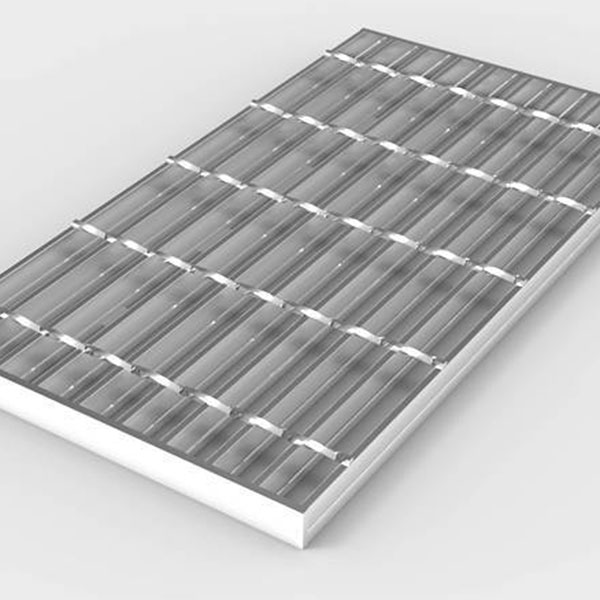
Grille métallique
Les caillebotis métalliques sont des matériaux durables et très résistants, largement utilisés dans les applications industrielles, commerciales et architecturales. Ils sont fabriqués à partir de matériaux tels que l'acier au carbone, l'acier galvanisé, l'aluminium...
-
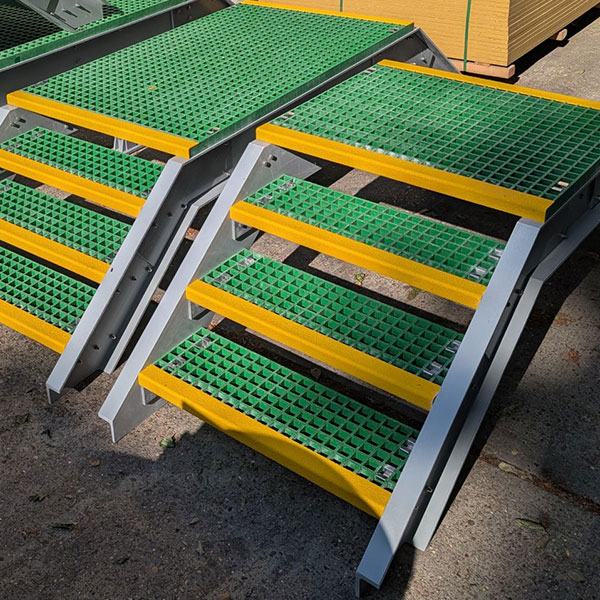
Systèmes d'escaliers en PRV
Les escaliers en PRV (plastique renforcé de fibres de verre) offrent une alternative fiable, durable et nécessitant peu d'entretien aux structures d'escalier traditionnelles en métal ou en bois. Conçus pour résister aux conditions industrielles les plus exigeantes...
-
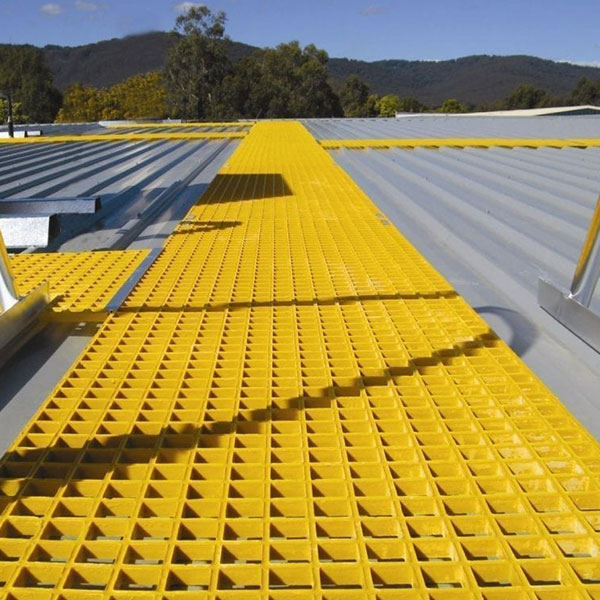
Passerelles de toit en PRV
Les passerelles de toiture en PRV (plastique renforcé de fibres de verre) constituent une solution intelligente et efficace pour assurer un accès sécurisé aux toits dans les environnements industriels, commerciaux et de services publics. Conçues pour….
-
Passerelles en PRV
Les passerelles en PRV (plastique renforcé de fibres) sont des plateformes piétonnes durables et résistantes à la corrosion, fabriquées à partir de matériaux composites, généralement de fibres de verre renforcées de polyester, de vinylester ou d'époxy...
-
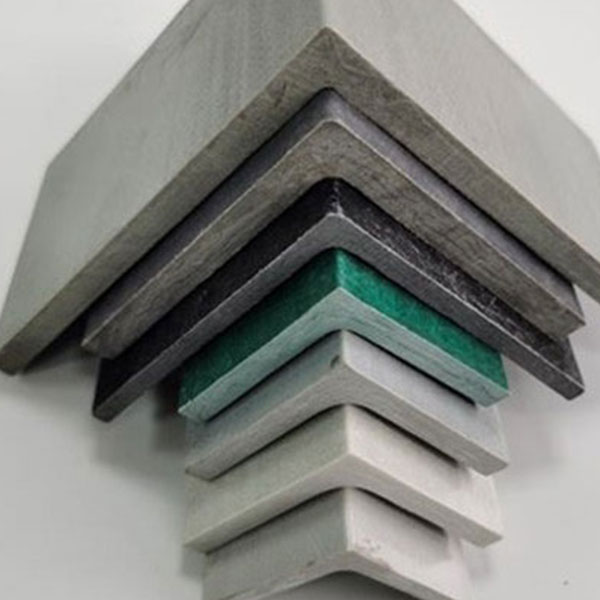
Profilé pultrudé en PRV
Les profilés pultrudés en PRV sont des formes structurelles fabriquées à partir de plastique renforcé de fibres par un procédé de fabrication en continu appelé pultrusion. Ce procédé consiste à étirer des fibres, généralement du verre, du caoutchouc, etc.